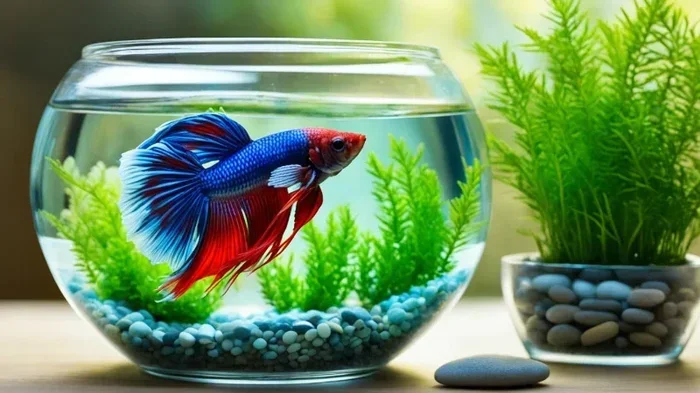
How Often to Clean Your Betta Fish Tank

Knowing how often to clean your betta fish tank is the single most important thing you can do for your fish’s health and lifespan. Most tanks need a partial water change every one to two weeks, along with regular filter maintenance and gravel cleaning. This guide walks you through the exact cleaning schedule, step-by-step methods, and common mistakes to avoid so your betta stays vibrant and active.
Keeping your betta fish tank clean is not just about appearances. It directly impacts your fish’s health, energy levels, and how long your betta lives. Many new fish owners assume that cleaning the tank means scrubbing everything down once a month, but that is not how it works at all.
The real secret to a clean betta tank is consistency. A little effort every week or two goes a long way compared to one big overwhelming cleaning session. In this guide, we will walk you through exactly how often to clean your betta fish tank, what tools you need, and the step-by-step process that actually works. Whether you own a 1-gallon bowl or a 10-gallon setup, you will find practical advice here.
If you want your betta to thrive, understanding the cleaning routine is essential. Let us break it all down in simple terms so anyone can follow along.
Key Takeaways
- Partial water changes every 1-2 weeks: Replace 25-30% of the tank water to keep ammonia and nitrate levels safe for your betta.
- Full tank cleans are rarely needed: Only deep clean the entire tank once every few months to protect beneficial bacteria.
- Filter maintenance matters: Rinse filter media in old tank water monthly to keep beneficial bacteria alive and the filtration system working.
- Watch for warning signs: Cloudy water, strong odors, and algae buildup all signal that it is time for a cleaning session.
- Use the right tools: A gravel vacuum, water conditioner, and aquarium-safe sponge are your best friends for routine tank maintenance.
📑 Table of Contents
- Why Cleaning Frequency Matters for Betta Fish
- How Often Should You Clean a Betta Fish Tank?
- What Happens If You Do Not Clean Your Tank Often Enough?
- Step-by-Step: How to Clean Your Betta Tank the Right Way
- Common Mistakes People Make When Cleaning Betta Tanks
- Quick Tips for Keeping Your Betta Tank Clean Between Cleanings
- Expert Insights: What Experienced Betta Owners Do Differently
- Conclusion
Why Cleaning Frequency Matters for Betta Fish
Bettas produce waste just like any other fish. That waste breaks down into ammonia, which is toxic even in small amounts. In the wild, bettas live in large bodies of water where toxins get diluted naturally. But in a tank, those toxins build up fast unless you remove them through regular cleaning.
When you skip cleanings or wait too long between sessions, ammonia and nitrate levels spike. This can cause stress, disease, and even death in bettas. On the flip side, cleaning too often can strip away beneficial bacteria that help keep your tank stable. Finding the right balance is the key.
The Role of Beneficial Bacteria
Your tank has a natural ecosystem. Good bacteria live on the substrate, filter media, and tank walls. These bacteria convert harmful ammonia into less toxic nitrate. When you do a proper tank cleaning, you preserve these bacteria while removing waste buildup.
This is why full tank wipes are a bad idea. You want to clean the parts that collect waste without destroying the good bacteria that keep your tank cycling properly. A partial water change every one to two weeks hits the sweet spot for most betta setups.
How Often Should You Clean a Betta Fish Tank?
The answer depends on your tank size, whether you have a filter, and how many fish are in the tank. Here is a general breakdown to help you figure out your own schedule.
| Tank Size | Partial Water Change | Full Tank Clean | Filter Rinse |
|---|---|---|---|
| 1-2 gallons | Every 3-5 days (25%) | Every 2-3 months | Every 2 weeks |
| 3-5 gallons | Every 7-10 days (25-30%) | Every 3-4 months | Every 2-3 weeks |
| 5-10 gallons | Every 10-14 days (25-30%) | Every 4-6 months | Every 3-4 weeks |
| 10+ gallons | Every 14 days (25-30%) | Every 6 months | Every 4 weeks |
These numbers assume you have a single betta in a properly cycled tank. If you keep your betta in a bowl with no filter, you will need to do water changes more frequently. Smaller tanks also need attention sooner because waste concentrates faster.
For a deeper dive into cleaning methods, check out our guide on how to clean your betta fish tank for detailed step-by-step instructions.
What Happens If You Do Not Clean Your Tank Often Enough?
Skipping your cleaning routine has real consequences. Let us look at what can go wrong when you let things slide.
Toxin Buildup and Fish Stress
When waste accumulates at the bottom of the tank, it releases ammonia into the water. Even trace amounts of ammonia can burn your betta’s gills and fins. You might notice your fish gasping at the surface, hiding more than usual, or losing color. These are all signs of poor water quality.
Nitrate is the less toxic byproduct of the nitrogen cycle, but it still builds up over time. High nitrate levels can weaken your betta’s immune system and make it more susceptible to infections and diseases.
Algae Overgrowth
Without regular maintenance, algae will take over your tank. It coats the glass, covers decorations, and blocks light from reaching your betta. While a little algae is normal, an outbreak means your cleaning schedule needs adjustment. You can learn more about managing this in our article on how to clean algae from a betta fish tank.
Filter Clogging
Your filter works hard to keep the water moving and clean. But if you do not maintain it, debris builds up and reduces its effectiveness. A clogged filter cannot circulate water properly, which leads to stagnant zones where waste collects. This creates a cycle of declining water quality that affects your betta directly.
Step-by-Step: How to Clean Your Betta Tank the Right Way
Now that you know how often to clean, let us talk about how to actually do it. The process is simpler than most people think, and once you get into a rhythm, it takes less than 20 minutes.
Step 1: Gather Your Supplies
Before you start, make sure you have everything ready. You will need:
- A gravel vacuum or siphon
- A clean bucket dedicated only to tank use
- Water conditioner to neutralize chlorine and chloramine
- A soft sponge or algae scraper
- A thermometer to check water temperature
- Fresh dechlorinated water at the right temperature
Step 2: Remove Decorations and Rinse Them
Take out any decorations, plants, or accessories from the tank. Rinse them in the old tank water you removed. Never use soap or household cleaners. These are extremely harmful to fish and can kill your betta even in tiny amounts. If you need help choosing safe decorations, our betta fish tank decoration guide covers safe options.
Step 3: Vacuum the Gravel
This is the most important step. Use your gravel vacuum to suck up debris, fish waste, and leftover food from the substrate. Focus on corners and areas near your filter intake where waste tends to collect. Remove about 25-30% of the total water volume.
Step 4: Rinse the Filter Media
Take out your filter media and rinse it gently in the bucket of old tank water. Never use tap water because the chlorine will kill the beneficial bacteria living on the media. The goal is to remove large debris while keeping the good bacteria intact. For more detailed instructions on filter maintenance, visit our guide on cleaning a betta fish tank with filter.
Step 5: Add Fresh Water
Slowly pour the new water into the tank. Make sure it is treated with water conditioner and matches the temperature of the existing tank water. Sudden temperature changes can shock your betta, so take your time with this step.
Step 6: Wipe Down the Glass
Use an algae scraper or soft sponge to clean the inside of the tank glass. Do not scrub too hard, especially if you have live plants or a textured substrate. Just enough to remove the algae film is perfect.
Common Mistakes People Make When Cleaning Betta Tanks
Even well-meaning fish owners make mistakes that can harm their bettas. Here are the most common ones to watch out for.
Replacing All the Water at Once
This is the number one mistake. Some people think a full water change is the best clean, but it actually destroys the beneficial bacteria colony. Your betta also needs stable water parameters, and dumping in 100% new water causes a shock that can be fatal. Always stick to partial water changes.
Using Soap or Household Cleaners
Soap residue is deadly for fish. Even a tiny amount left on a sponge or bucket can poison your betta. Only use aquarium-safe products, and rinse everything with old tank water, not tap water.
Ignoring the Filter
Some owners forget to clean or replace filter media regularly. A neglected filter becomes a source of pollution instead of a cleaning tool. But over-cleaning the filter is equally bad because it wipes out the bacteria you need. Find the balance and rinse media gently every few weeks.
Cleaning Too Frequently
More is not always better. If you clean your tank every single day, you strip away beneficial bacteria and destabilize the entire nitrogen cycle. Stick to the schedule outlined above and trust the process.
Quick Tips for Keeping Your Betta Tank Clean Between Cleanings
You can reduce how often you need to do full cleanings with a few smart habits. Here are some tips that make a real difference:
- Do not overfeed your betta. Leftover food breaks down quickly and spikes ammonia levels. Feed only what your betta can eat in two minutes, once or twice a day.
- Add live plants. Plants absorb nitrates and help keep the water cleaner naturally. They also provide hiding spots that reduce stress for your betta.
- Use a proper filter. A gentle filter suited for betta tanks keeps water circulating and reduces waste buildup. Bettas prefer slow currents, so choose a filter with an adjustable flow.
- Test your water regularly. A simple liquid test kit helps you catch ammonia or nitrate spikes before they become a problem. This lets you adjust your cleaning schedule based on actual data.
- Remove visible waste daily. Use a small net to pick up any uneaten food or debris you see floating around. This small habit makes a big difference over time.
Expert Insights: What Experienced Betta Owners Do Differently
Seasoned betta keepers follow a few principles that set them apart from beginners. First, they never skip partial water changes. Even if the water looks clear, invisible toxins can be building up. Second, they keep a maintenance log. Writing down when you cleaned the tank, how much water you changed, and any observations about your betta’s behavior helps you spot patterns and catch problems early.
Another tip from experienced owners is to match your cleaning schedule to your betta’s needs. A betta in a 5-gallon tank with a filter needs less frequent attention than a betta in a 1-gallon bowl without any filtration. Pay attention to how your fish behaves after each cleaning. If your betta seems stressed or lethargic, you might be cleaning too aggressively or changing too much water at once.
Finally, invest in quality equipment. A good gravel vacuum, a reliable liquid test kit, and a proper water conditioner make the entire process easier and safer for your fish. Cutting corners on supplies can lead to mistakes that harm your betta in the long run.
Conclusion
Learning how often to clean your betta fish tank does not have to be complicated. The key is consistency, gentle methods, and a willingness to stick to a routine. Aim for partial water changes every one to two weeks, rinse your filter media regularly, and watch your fish for signs that the tank needs attention.
A clean tank means a healthy betta. Your fish will show it through bright colors, active swimming, and a healthy appetite. By following the steps in this guide, you give your betta the best chance at a long, happy life. Start building your cleaning routine today, and you will notice the difference in your tank within just a few weeks.
Remember, small consistent efforts always beat one big cleaning session. Your betta will thank you for it.