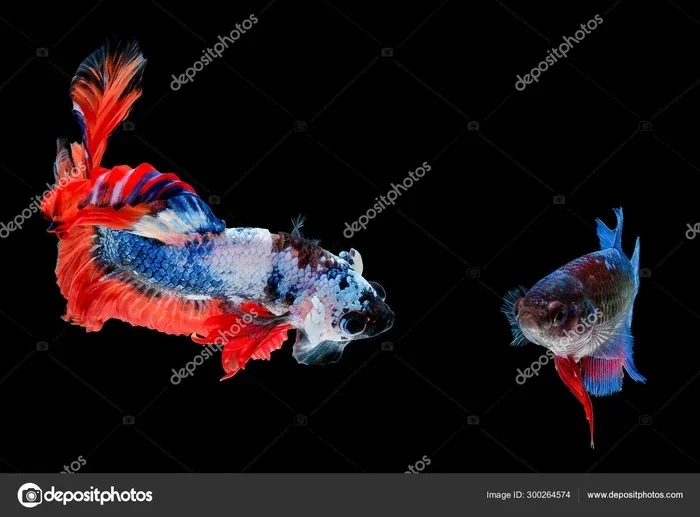
Are Bubble Chest Aerators Bad for Betta Fish

Bubble chest aerators can be safe for betta fish when used correctly, but improper flow or placement may stress these delicate swimmers. Understanding your betta’s needs and adjusting aeration to suit will help you avoid common problems and enjoy a vibrant, active tank.
Key Takeaways
- Moderate flow is essential: Betta fish thrive in low‑to‑moderate water movement; strong currents from an aerator can exhaust them.
- Placement matters: Position the aerator away from the betta’s main swimming area to prevent constant turbulence.
- Oxygen levels vs. stress: Proper aeration improves oxygen but too much can cause stress and disrupt bubble‑nest building.
- Use a diffuser or sponge: Adding a diffuser softens the bubbles and reduces water velocity.
- Observe behavior: Signs of distress—clamped fins, rapid breathing, or loss of appetite—indicate the aerator may be too strong.
- Combine with good tank hygiene: Aeration helps filter efficiency, but regular water changes and proper temperature remain crucial.
- Choose the right tank size: A 5‑gal (or larger) tank gives enough space for gentle water movement without overwhelming the betta.
📑 Table of Contents
- Introduction: The Bubble Debate
- How Betta Fish Breathe and Why Oxygen Matters
- What Is a Bubble Chest Aerator?
- Assessing the Risks: When Aeration Becomes Harmful
- Setting Up a Bubble Chest Aerator Safely
- Maintenance and Monitoring
- Alternatives to Bubble Chest Aerators
- Conclusion: Make an Informed Choice
Introduction: The Bubble Debate
If you’ve ever set up a betta tank, you know the tiny fish’s reputation for being a “low‑maintenance” pet. Yet many beginners wonder whether adding a bubble chest aerator—a device that pushes air through a chamber and releases it as bubbles—might be a good idea. The answer isn’t a simple “yes” or “no.” It depends on how the aerator is used, the size of the tank, and the individual temperament of your betta.
In this article we’ll break down the science behind aeration, explore how bettas breathe, and give you practical steps to make a bubble chest aerator work *for* your fish, not *against* it. By the end, you’ll feel confident deciding if aeration belongs in your betta’s home.
How Betta Fish Breathe and Why Oxygen Matters
Labyrinth organ: the secret super‑lung
Betta fish belong to the Osphronemidae family, which includes gouramis and other labyrinth fish. Their defining feature is the labyrinth organ—an extra set of “gills” located near the mouth that lets them gulp atmospheric air. This adaptation allows bettas to survive in low‑oxygen waters in the wild.

Visual guide about Are Bubble Chest Aerators Bad for Betta Fish
Image source: static.vecteezy.com
Oxygen needs in captivity
Even though bettas can breathe air, they still benefit from dissolved oxygen (DO) in the water. Higher DO makes metabolism smoother, supports vibrant color, and helps the fish recover from stress. A well‑aerated tank also improves the efficiency of biological filtration, keeping ammonia and nitrite spikes at bay.
Balancing natural ability with tank conditions
Because they can surface‑breathe, bettas tolerate lower DO than many tropical fish. However, a stagnant tank can lead to poor water quality, which in turn can cause disease. The key is to provide enough oxygen **without** creating a current that forces the betta to work harder than necessary.
What Is a Bubble Chest Aerator?
Design and function
A bubble chest aerator consists of a sealed chamber filled with small holes or a porous stone. Air from an air pump is forced into the chamber, creating a steady stream of fine bubbles that rise to the surface. Some models include a built‑in diffuser, while others rely on a separate sponge or ceramic piece.

Visual guide about Are Bubble Chest Aerators Bad for Betta Fish
Image source: static.vecteezy.com
Benefits for a betta tank
- Increased dissolved oxygen: Fine bubbles dissolve quickly, raising DO levels.
- Improved filter performance: More oxygen fuels beneficial bacteria, which break down waste.
- Gentle water movement: When set correctly, the bubbles create a subtle circulation that prevents dead spots.
Potential drawbacks
- Excessive surface agitation can stress a betta.
- Strong currents may make it difficult for the fish to rest.
- Improper placement can interfere with bubble‑nest building.
Assessing the Risks: When Aeration Becomes Harmful
Current strength and betta anatomy
Betta fins are delicate and designed for short bursts of speed, not constant swimming against a current. If the aerator pushes water too fast, the fish may constantly fight the flow, leading to fin fatigue, clamped fins, or even fin rot over time.

Visual guide about Are Bubble Chest Aerators Bad for Betta Fish
Image source: static.vecteezy.com
Disruption of bubble‑nest behavior
Male bettas build bubble nests on the water’s surface as part of their breeding ritual. A vigorous stream of bubbles can break up the nest or discourage the fish from building one at all. This is especially problematic if you plan to breed your betta. For more on bubble nests, see Why Do Betta Fish Make Bubble Nests.
Stress signals to watch for
When a betta is uncomfortable, it may display:
- Clamped or folded fins
- Rapid, shallow breathing at the surface
- Loss of appetite
- Hiding in plants or decorations
If you notice any of these signs after turning on an aerator, it’s time to reassess the setup.
Setting Up a Bubble Chest Aerator Safely
Choose the right tank size
Smaller tanks (under 2.5 gal) leave little room for water movement, so an aerator is usually unnecessary and can be harmful. Aim for at least a 5‑gal tank, which gives the betta space to swim away from the bubbles if needed. Learn more about ideal tank size in What Size Tank For A Betta Fish.
Use a diffuser or sponge
Attaching a fine‑mesh diffuser to the aerator outlet breaks the air into micro‑bubbles that dissolve quickly and create a gentler flow. Ceramic or sponge diffusers are inexpensive and easy to replace.
Placement tips
- Place the aerator in a corner, away from the main swimming area.
- Position it near a filter intake to help circulate water without creating a direct current.
- Keep the bubble stream angled upward, not directly at the surface where the betta rests.
Adjusting flow rate
Most air pumps have a regulator. Start at the lowest setting and observe your betta for at least 24 hours. If the fish seems relaxed, you can increase slightly—never beyond a gentle ripple.
Combine with live plants
Live plants naturally oxygenate water and provide hiding spots. Species like Anubias, Java fern, and Marimo moss are low‑maintenance and safe for bettas. For plant recommendations, check Which Live Plants Are Good For Betta Fish.
Maintenance and Monitoring
Regular cleaning
Debris can clog the aerator’s chamber, reducing efficiency and causing uneven bubbles. Clean the unit monthly with a soft brush and rinse with dechlorinated water.
Water testing
Test dissolved oxygen weekly with a DO meter if possible, or rely on indirect signs: vibrant color, active swimming, and clear water. Keep ammonia and nitrite at zero, and nitrate below 20 ppm.
Water changes
Even with aeration, regular water changes are vital. Replace 25‑30 % of the water every week to keep parameters stable. See How Often Change Water For Betta Fish for a detailed schedule.
Temperature considerations
Warmer water holds less oxygen, so if you keep the tank at 78‑80 °F (25‑27 °C), a modest aerator can help compensate. Always maintain a stable temperature using a reliable heater.
Alternatives to Bubble Chest Aerators
Surface skimmers and gentle powerheads
Small, low‑flow powerheads create a gentle circulation without large bubbles. They’re especially useful in larger tanks where a subtle current mimics natural river flow.
Air stones with low‑flow pumps
Standard air stones produce fine bubbles and are easy to control with a flow regulator. They’re a budget‑friendly option for beginners.
Passive oxygenation via plants
Dense planting can raise DO during daylight hours. However, plants only produce oxygen when photosynthesizing, so an aerator provides consistent oxygen day and night.
Conclusion: Make an Informed Choice
Bubble chest aerators are not inherently bad for betta fish, but they require thoughtful setup. By selecting an appropriate tank size, using a diffuser, positioning the unit away from the betta’s resting spot, and monitoring behavior, you can reap the oxygen‑boosting benefits without causing stress. Remember, a healthy betta thrives on calm water, good water quality, and a stable environment. When these basics are covered, a modest aerator can be a valuable addition to your aquarium.
Frequently Asked Questions
Will a bubble chest aerator increase my betta’s lifespan?
Yes, when used correctly it raises dissolved oxygen, supports beneficial bacteria, and helps maintain stable water quality, all of which can contribute to a longer, healthier life.
Can I use a bubble chest aerator in a 2‑gallon betta bowl?
It’s not recommended. Small bowls lack the space to dissipate the current, and the strong surface agitation can stress the fish. Opt for a larger tank instead.
Do bettas need aeration if I have a strong filter?
A good filter does oxygenate water, but adding a low‑flow aerator can provide extra DO, especially in warm water where oxygen levels naturally drop.
How can I tell if the aerator is too strong?
Watch for clamped fins, rapid breathing, or the fish constantly swimming against the flow. If any of these appear, reduce the airflow or reposition the unit.
Will aeration stop my betta from building a bubble nest?
Strong, direct bubbles can disrupt nest building. Place the aerator away from the surface where the male works, and use a diffuser to soften the bubbles.
Is it safe to run the aerator 24/7?
Yes, continuous operation is fine as long as the flow remains gentle and the water parameters are monitored regularly.