What Fish Can Stay with Bettas
Not all fish can live with bettas. Betta fish, or Siamese fighting fish, are famously territorial and aggressive, especially males. Successful tank mate selection depends on choosing peaceful, fast, or bottom-dwelling species that won’t nip at the betta’s long fins. Proper tank setup with ample hiding spaces and a minimum 20-gallon aquarium is non-negotiable for cohabitation. Always monitor interactions closely and have a backup plan.
So, you have a beautiful, solitary betta fish in its own tank, and you’re captivated by its personality. You’ve mastered the basics of betta care—the warm water, the protein-rich diet, the pristine conditions. Now, a natural question arises: what fish can stay with bettas? Can your fierce little friend share its aquatic home? The answer is a cautious, qualified yes, but it comes with a major asterisk and a hefty responsibility. Cohabitation is an art form, not a simple rule. It requires understanding the betta’s legendary temperament, engineering the perfect environment, and selecting tank mates with the precision of a diplomatic envoy. This guide will walk you through every step, turning your dream of a peaceful community tank into a realistic, achievable goal.
Key Takeaways
- Betta temperament is key: A betta’s individual personality is the biggest factor; some are mild-mannered while others are extremely aggressive.
- Tank size is critical: A minimum of 20 gallons is required to provide enough territory and reduce stress for all inhabitants.
- Choose the right “type” of fish: Ideal mates are fast-moving schooling fish, peaceful bottom-dwellers, or species that occupy different tank levels.
- Avoid fin-nippers and flashy fish: Guppies, fancy guppies, and other fish with long, flowing fins will trigger a betta’s aggression.
- Aquascaping is your best tool: Dense planting, caves, and visual barriers break line-of-sight and give the betta and its mates places to retreat.
- Quarantine and introduce carefully: Always quarantine new fish first, and use a divider or separate tank for initial introductions to prevent injury.
📑 Table of Contents
- Understanding the Betta: More Than Just a “Fighting Fish”
- The Non-Negotiable Foundation: Tank Setup for Success
- Top Categories of Ideal Betta Tank Mates
- Specific Species Recommendations & The “Maybe” List
- Introducing Tank Mates: The Critical Process
- Common Mistakes & Troubleshooting
- Conclusion: Patience and Observation Are Everything
Understanding the Betta: More Than Just a “Fighting Fish”
To know what fish can stay with bettas, you must first understand the betta itself. The betta splendens, or Siamese fighting fish, earned its name from centuries of selective breeding for aggression in its native Thailand. Male bettas were pitted against each other in matches, a practice that, while now widely condemned, ingrained a strong territorial instinct. This history is the root of all modern betta tank mate challenges.
The Myth of the Solitary Betta
A common misconception is that bettas must live alone. While this is the safest and most recommended path for beginners, it’s not an absolute law. In the wild, bettas inhabit shallow, densely vegetated rice paddies and marshes. Their territory is a small patch of dense plant cover, not an open glass box. They are not naturally shoaling fish but may tolerate other non-threatening species that share their space. The key is replicating that sense of personal territory in the aquarium. A betta in a spacious, well-decorated tank with suitable neighbors may exhibit far less aggression than one in a bare, cramped tank where every other fish is a perceived invader.
Personality Over Species
The most critical factor is your individual betta’s personality. Some bettas are outright bullies, flaring at their own reflection and attacking any creature that moves. Others are docile, curious, and seem almost indifferent to tank mates. You must observe your betta. If it constantly flares, chases, and harasses everything in sight, it is not a candidate for a community tank. A good candidate will be alert but calm, may flare briefly at a new introduction but then lose interest. Never force a community tank on an aggressive betta; it leads to stress, injury, and death for the other fish.
The Non-Negotiable Foundation: Tank Setup for Success
Before you even consider what fish can stay with bettas, your tank must be prepared correctly. A poorly set up tank dooms the project from the start. The goal is to minimize the betta’s ability to patrol and defend a single, large territory and to provide endless escape routes for any fish it chases.
Visual guide about What Fish Can Stay with Bettas
Image source: aqueon.com
Tank Size: The 20-Gallon Rule
This is the single most important rule. A 5-gallon betta tank is for a betta only. For any tank mate, you need a minimum of 20 gallons (75 liters). Why? Space dilutes aggression. In a larger volume, a betta cannot effectively guard every inch. It provides room for chased fish to escape and allows for a more complex environment. A 20-gallon long tank is even better than a tall 20-gallon high, as it offers more horizontal swimming space, which is preferred by most schooling tank mates.
Aquascaping: Creating a Maze, Not an Arena
Your tank must look like a jungle, not a stadium. The goal is to break the line of sight. Use:
- Live Plants: Anubias, Java fern, Cryptocoryne, and floating plants like Salvinia or Frogbit are excellent. They provide cover from above and below.
- Driftwood & Caves: Create tunnels and hiding spots. Malaysian driftwood and ceramic caves are perfect.
- Rockwork: Stack smooth river rocks to form crevices.
- PVC Pipes & Flower Pots: These make fantastic, inexpensive hideouts (ensure they are aquarium-safe and clean).
Plants should be dense along the back and sides, leaving a central open swimming area. This design gives the betta a defined “home base” of plants and gives other fish open water to use without constantly trespassing.
Water Parameters & Filtration
Bettas require warm, stable water (78-80°F / 25.5-26.5°C). Any tank mate must thrive in this temperature. A gentle filter is essential for water quality but must not create a strong current, as bettas have delicate fins. A sponge filter or a hang-on-back filter with a flow diffuser is ideal. Perform regular water changes (25% weekly) to maintain pristine conditions, as more fish means more bioload.
Top Categories of Ideal Betta Tank Mates
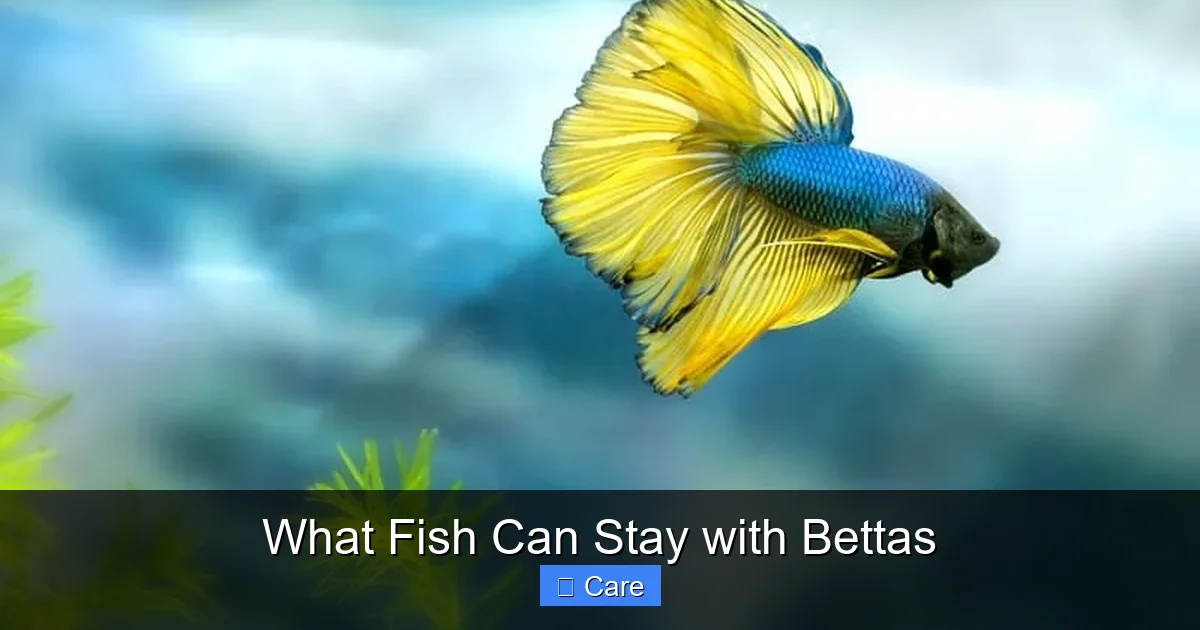
When brainstorming what fish can stay with bettas, think in terms of behavioral and spatial niches. The best candidates fall into these categories:
Visual guide about What Fish Can Stay with Bettas
Image source: fishtankmaster.com
1. Fast, Peaceful Schooling Fish (Top & Mid-Level Swimmers)
These are your best first choice. Their key advantages are speed (they can dart away if chased) and the “safety in numbers” effect. A betta is less likely to single out and relentlessly chase one fish from a large, synchronized school.
- Neon Tetras: A classic choice. Their small size, speed, and preference for the upper tank levels make them excellent. Keep in a school of 10+.
- Harlequin Rasboras: Slightly larger and more robust than neons, with a peaceful disposition. Also require a school of 8+.
- Ember Tetras: Tiny, fiery orange fish that stay near the middle of the tank. Their small size makes them less of a “target,” and they school beautifully.
- Celestial Pearl Danios (CPDs): Active, colorful, and fast. They occupy the top half and are a stunning addition if the tank is well-planted.
Tip: Introduce the schooling fish first and let them establish their school for a few days before adding the betta. This lets them claim their territory as a group, making the betta the “newcomer.”
2. Peaceful Bottom-Dwellers (The Essential Clean-Up Crew)
These fish occupy a completely different tank level, reducing direct encounters. They are generally slow-moving and uninteresting to a betta, who focuses on movement at eye level.
- Kuhli Loaches: The ultimate betta companion. These eel-like, nocturnal loaches are incredibly peaceful, burrow in the substrate, and are fascinating to watch. A group of 3-5 is ideal.
- Pygmy Corydoras: The smallest cory species. They are adorable, active on the bottom, and their “schooling” behavior is a joy. Keep 6+.
- Otocinclus Catfish: The dedicated algae eater. They are tiny, fast, and cling to glass and leaves. They prefer groups of 5+ and require established algae or supplemental feeding.
- Bristlenose Plecos (Ancistrus sp.): A larger, more robust option. The albino variety is common. They are mostly sedentary, sticking to wood. Ensure your tank is large enough (20+ gallons) and has driftwood for them.
Tip: Use a soft, sand-like substrate for the comfort of loaches and corydoras. Avoid sharp gravel.
3. Invertebrates: The “Ghost” Tank Mates
For a truly unique setup, consider invertebrates. They are not fish, so they trigger a different, often lesser, response from bettas.
- Freshwater Snails: Nerite snails (horned, zebra) are excellent. They have a hard shell, move slowly, and are algae-eaters. They are essentially bulletproof against a curious betta. Apple snails are large and also safe, but they reproduce prolifically.
- Amano Shrimp: The largest common dwarf shrimp (up to 2 inches). They are fast, mostly nocturnal, and excellent algae eaters. Their size makes them less likely to be seen as food.
- Ghost Shrimp/Glass Shrimp: Transparent and fast. They are often treated as a “forager” rather than a threat. However, a particularly aggressive betta may still eat one.
- Important: Avoid small, colorful shrimp like Cherry Shrimp. Their bright red color and small size make them perfect targets for a hungry or aggressive betta.
Tip: Introduce invertebrates after the betta is settled and you’ve observed its behavior. Even a peaceful betta might see a shrimp as a snack.
Specific Species Recommendations & The “Maybe” List
Let’s get specific. Here’s a breakdown of common community fish and their compatibility grade with a betta in a properly sized, decorated tank.
Visual guide about What Fish Can Stay with Bettas
Image source: japanesefightingfish.org
The “Yes, Usually” List
- Harlequin Rasboras (Trigonostigma heteromorpha)
- Neon Tetras (Paracheirodon innesi) & Cardinal Tetras (Paracheirodon axelrodi)
- Ember Tetras (Hyphessobrycon amandae)
- Celestial Pearl Danios (Danio margaritatus)
- Pygmy Corydoras (Corydoras pygmaeus)
- Kuhli Loaches (Pangio kuhlii)
- Otocinclus Catfish (Otocinclus affinis/vittatus)
- Bristlenose Plecos (Ancistrus sp.)
- Nerite Snails (Neritina sp.)
- Amano Shrimp (Caridina multidentata)
The “Maybe, Proceed with Extreme Caution” List
These can work under perfect, monitored conditions but are high-risk. Only attempt with a proven, mild-mannered betta in a large, heavily planted tank.
- Guppies: The #1 mistake. Never keep a betta with male guppies. Their long, flowing fins are a direct challenge and trigger for a betta. Female guppies with short fins are a very tentative “maybe,” but many bettas will still chase them.
- Other Bettas: Male with male is a guaranteed fight. Sororities (multiple females) are possible but advanced, requiring a 40+ gallon tank with massive numbers of females (6-8) to disperse aggression. Not for beginners.
- Fancy Guppies, Endlers, or any long-finned fish: Same rule as male guppies. Fin-nipping and territorial disputes are almost certain.
- Aggressive or Semi-Aggressive Fish: Tiger Barbs, Serpae Tetras, or other fin-nippers will harass the betta. Conversely, the betta may bully them. Avoid.
- Other Gouramis: Dwarf gouramis (like honey gouramis) are sometimes successful in huge tanks, but they are related and can be territorial. High risk of conflict.
The “Never, Under Any Circumstances” List
- Any other male betta.
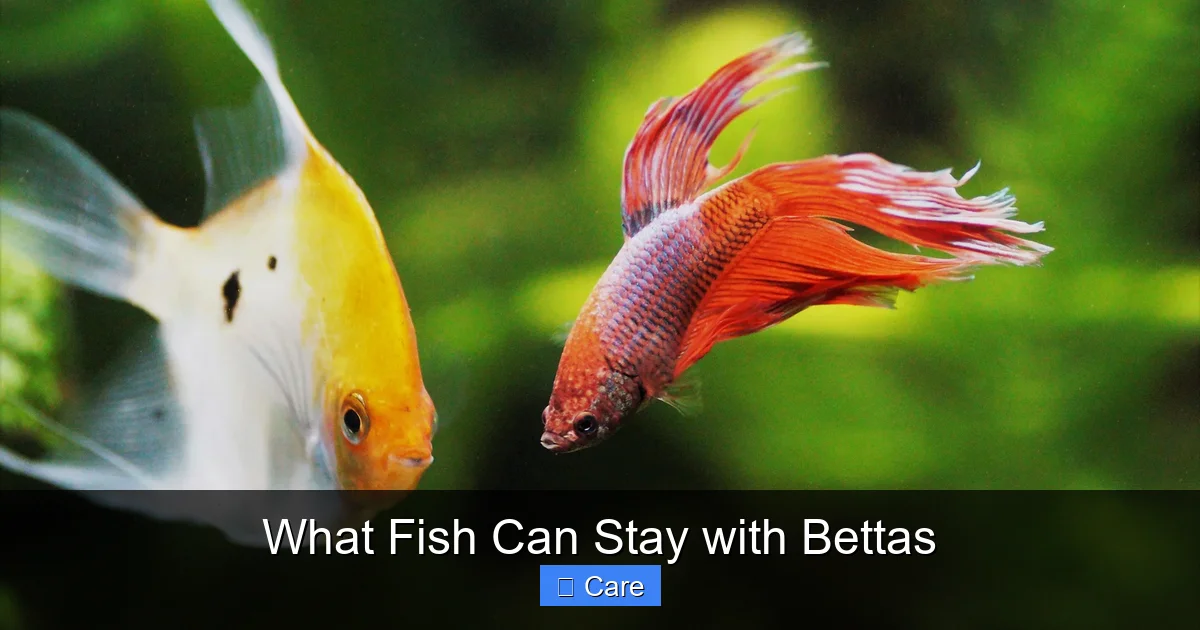
- Any fish with long, flowing fins (Fancy Guppies, Halfmoon Plakat male bettas, some Angelfish).
- Known fin-nippers (Tiger Barbs, some Serpae Tetras, Blackskirt Tetras).
- Very large, boisterous fish that will outcompete the betta for food or stress it (most larger cichlids, goldfish).
- Fish with vastly different water parameter needs (e.g., goldfish need cold water).
Introducing Tank Mates: The Critical Process
You’ve chosen your betta and your potential mates. You have the perfect 20-gallon jungle tank. Now, you must introduce them correctly. Rushing this process is the most common cause of failure.
Step 1: Quarantine Everything
Before any water from a pet store touches your main display tank, all new fish (and shrimp) must go through a 2-4 week quarantine in a separate tank. This prevents the introduction of diseases like ich, velvet, or parasites into your established ecosystem. Treat for any issues during quarantine.
Step 2: Rearrange the Tank
After your betta has been alone in its tank for at least a week, do a major aquascape rearrangement. Move all plants, rocks, and decorations. This disrupts the betta’s established territory and makes the tank feel “new” to it. When you add the new fish, the betta won’t be defending a pre-existing fortress; it will be exploring a changed landscape alongside newcomers.
Step 3: The Floating Divide Method (Highly Recommended)
Use a floating breeding box or a DIY divider (like a piece of acrylic with holes) to separate the betta from the new fish in the same tank. This allows them to see and get used to each other’s presence without physical contact. Observe for 24-48 hours. Is the betta flaring constantly and trying to attack the divider? That’s a bad sign. Is it mostly ignoring them? Good. If aggression is extreme, you may need to abandon the pairing.
Step 4: The First Release
At night, when fish are less active, turn off the lights and release the new fish from the divider. Keep a close eye the next day. Some initial flaring and chasing is normal as boundaries are established. However, relentless chasing that prevents the other fish from eating or resting is not acceptable. Be prepared to remove the betta or the other fish if violence persists.
Common Mistakes & Troubleshooting
Even with the best plan, things can go wrong. Here’s how to diagnose and fix common issues.
“My betta is chasing the new fish constantly!”
This is the most frequent problem. First, ensure your tank is large enough and densely planted. If it is, the betta may simply be too aggressive for tank mates. You have two options: 1) Remove the betta and rehome it as a solitary fish. 2) Remove the tank mates and give the betta the peace of its own tank. Do not let the chasing continue; the other fish will die from stress.
“The new fish are hiding all the time and won’t come out.”
This indicates the betta’s presence is causing excessive stress. The tank may be too small, or there may not be enough hiding spots for the other fish. Add more plants/wood. If the behavior doesn’t improve in a week, the fish are living in fear and need to be moved to a different tank.
“Can I keep a betta with goldfish?”
Absolutely not. This is a fatal combination. Goldfish are cold-water fish (68-74°F), while bettas are tropical (78-80°F). The temperature requirement is mutually exclusive. Goldfish are also messy, producing high ammonia that can harm a betta, and they have different dietary needs.
“My betta flares at me/the filter/its reflection. Will it flare at tank mates?”
Flaring is a natural betta behavior and doesn’t necessarily mean it will be aggressive toward other fish. Flaring at inanimate objects is often just a reaction to movement or its own reflection. What matters is its reaction to other living fish. A betta that flares constantly at everything might be high-strung and a poor candidate for a community.
Conclusion: Patience and Observation Are Everything
So, what fish can stay with bettas? The answer is a curated list of peaceful, fast, or bottom-dwelling species in a spacious, heavily planted 20+ gallon aquarium, introduced with extreme care to a betta with a proven calm temperament. There is no universal “safe” list because every betta is an individual. Your journey begins not with buying fish, but with honest assessment. Is your tank big enough? Is it decorated enough? Can you watch your tank for an hour each day for the first week to monitor interactions? If you can answer yes, you can explore the wonderful world of the betta community tank. If you have any doubt, the safest, kindest, and most responsible choice is to keep your betta as the majestic, solitary centerpiece it was meant to be. A happy, healthy betta, whether alone or with companions, is the ultimate goal.
Frequently Asked Questions
Can betta fish live with neon tetras?
Yes, neon tetras are one of the best tank mates for bettas. They are fast, schooling fish that stay primarily in the upper tank levels. Their small size and speed allow them to evade a curious betta, and their schooling behavior makes them less likely to be singled out. A school of at least 10 is recommended in a 20-gallon tank or larger with plenty of plants.
Can I put a betta with a snail?
Yes, most freshwater snails are excellent and safe betta tank mates. Snails like Nerite snails, Mystery snails, and Ramshorn snails have hard shells, move slowly, and occupy a completely different niche. A betta may investigate a snail but will quickly lose interest. Snails also help clean algae and waste from the tank.
What is the absolute minimum tank size for a betta with other fish?
The absolute minimum is 20 gallons. A 10-gallon tank is only suitable for a single betta. The 20-gallon size provides enough horizontal space and water volume to dilute the betta’s territory, allows for proper aquascaping with hiding spots, and gives other fish room to escape if chased. Anything smaller is cruel and will almost certainly lead to stress and death.
Can female bettas live with other fish?
Yes, female bettas are generally less aggressive than males and can often be kept in community tanks more successfully. However, they still have individual personalities and can be territorial. The same rules apply: a large, planted tank and peaceful tank mates. Female betta sororities (groups of females) are also possible but require a very large, heavily planted tank (40+ gallons) and are not recommended for beginners.
Why is my betta attacking its tank mates even though I did everything right?
This usually means your individual betta has an overly aggressive personality that is incompatible with community life. No amount of plants or tank size can overcome a true bully. The responsible action is to remove the other fish immediately to prevent injury or death. Your betta should then be kept as a solitary fish. Not all bettas are suited for tank mates, and that’s okay.
Can I keep a betta with shrimp?
It depends entirely on the shrimp and the betta. Large, fast, and less colorful shrimp like Amano shrimp or Ghost shrimp have the best chance. Small, brightly colored shrimp like Cherry shrimp are almost always seen as food and will be eaten. Even with “safe” shrimp, there is a risk. Always introduce shrimp after the betta is settled, and be prepared for them to become snacks.