How Many Betta Pellets to Feed Betta Fish
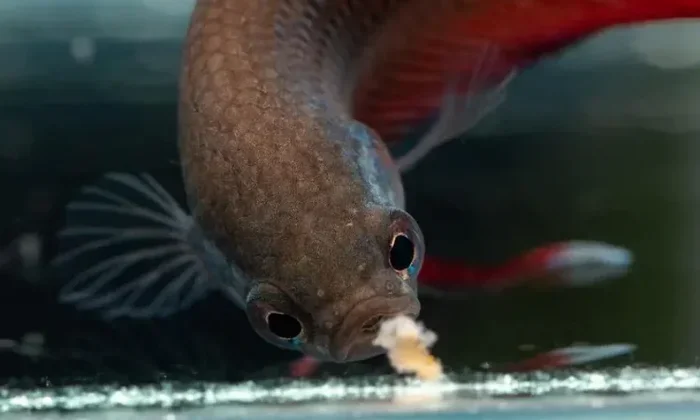
Knowing how many betta pellets to feed betta fish is one of the most important parts of betta care. Most bettas need 2 to 3 pellets per meal, fed twice a day. Overfeeding is the biggest mistake new fish owners make, and it can seriously harm your fish’s health and water quality.
Feeding your betta fish might seem simple. You drop some pellets in the tank, and you’re done, right? Not exactly. The truth is, how many betta pellets to feed betta fish depends on several factors. Get it wrong, and your fish could face serious health problems. Get it right, and your betta will thrive, stay colorful, and live a long, happy life.
This guide breaks down everything you need to know about betta pellet feeding. We will cover portion sizes, feeding frequency, common mistakes, and expert tips. Whether you are a complete beginner or a seasoned aquarist, you will find practical advice you can use today.
Key Takeaways
- Feed 2 to 3 pellets per meal: This is the standard portion size for most adult betta fish.
- Feed twice a day: A morning and evening feeding schedule works best for betta health.
- Watch for overfeeding signs: Bloating, constipation, and cloudy water are red flags you should not ignore.
- Soak pellets before feeding: This prevents digestive issues and helps the pellets sink properly.
- Adjust based on your fish: Age, size, and activity level all affect how much food your betta needs.
- Skip one day per week: A fasting day helps with digestion and prevents common health problems.
- Quality matters: Choose high-protein pellets made specifically for bettas for the best results.
📑 Table of Contents
- Why Pellet Feeding Matters for Betta Fish
- How Many Pellets to Feed Your Betta Fish
- How Often to Feed Betta Fish Pellets
- Common Mistakes When Feeding Betta Pellets
- Expert Tips for Perfect Betta Feeding
- How to Tell If You Are Feeding the Right Amount
- How Feeding Amounts Affect Water Quality
- Conclusion
Why Pellet Feeding Matters for Betta Fish
Betta pellets are the staple of most betta diets. They are specially formulated to meet the nutritional needs of betta fish. Unlike generic fish flakes, quality betta pellets contain the right amount of protein, fats, and vitamins. But here is the catch, pellets expand in water. This means a small pellet can become much larger inside your fish’s stomach.
Proper betta nutrition starts with the right amount of food. Too little, and your fish loses energy and color. Too much, and you risk obesity, digestive blockages, and poor water quality. Feeding frequency and portion control are the two pillars of a healthy feeding routine.
What Makes a Good Betta Pellet
Not all pellets are created equal. Before we talk numbers, let us quickly look at what to look for in a quality pellet. The first ingredient should be whole fish or fish meal. Avoid pellets filled with fillers like corn or wheat. A good pellet has a protein content of 30% or higher. It should also sink slowly, which is important for betta feeding behavior. Bettas are surface feeders, so a pellet that sinks too fast may go uneaten.
How Many Pellets to Feed Your Betta Fish
This is the question most betta owners ask. The short answer is 2 to 3 pellets per feeding. But the full answer is a bit more nuanced. Let us break it down by different scenarios.
The Standard Rule: 2 to 3 Pellets Twice a Day
For most adult betta fish, 2 to 3 pellets twice a day is the gold standard. This gives your fish the right amount of calories without overloading its digestive system. A typical betta feeding schedule looks like this:
- Morning feeding: 2 to 3 pellets
- Evening feeding: 2 to 3 pellets
This totals about 4 to 6 pellets per day. Of course, pellet size varies by brand. Some pellets are tiny, while others are quite large. A good rule of thumb is that the pellet should be no bigger than your betta’s eye. If you are unsure about the right fish food amount, check the packaging instructions or consult the manufacturer’s guide.
Adjusting Portions Based on Your Betta
Every betta is different. Several factors influence how much food your fish needs at each meal.
Age matters a lot. Young bettas, especially fry and juveniles, need more frequent feedings. A baby betta might eat 3 to 4 small pellets three times a day. Adult bettas do well with two feedings. Senior bettas may need even less food as their metabolism slows down.
Body condition is another factor. If your betta looks plump and healthy, stick to the standard portion. If your fish looks thin or lethargic, you might add one extra pellet per meal. On the other hand, if your betta is getting round and bloated, cut back immediately.
Activity level also plays a role. Bettas in warmer tanks with more space tend to be more active. They burn more calories and may need slightly larger portions. Bettas in smaller, cooler tanks are less active and need less food.
How Often to Feed Betta Fish Pellets
Feeding frequency is just as important as portion size. Most experts agree that feeding your betta twice a day is ideal. This mimics the natural eating pattern bettas would follow in the wild, where they forage for small meals throughout the day.
Why Twice a Day Works Best
Feeding your betta twice a day keeps things simple and consistent. Your fish knows when to expect food, which reduces stress. A regular fish feeding schedule also makes it easier for you to monitor your betta’s appetite and behavior. If your fish refuses food at a certain time, you will notice quickly.
Some people ask, “Can I feed my betta once a day instead?” While this is possible, it is not ideal. A single large meal can cause bloating and digestive issues. Splitting the food into two smaller meals is much better for fish digestion and overall betta health.
The Importance of a Fasting Day
Here is a tip many new owners overlook. Give your betta one fasting day per week. This means no food at all for 24 hours. A fasting day helps your fish’s digestive system reset. It prevents constipation, which is a common problem in bettas. Many experienced fish keepers swear by this simple practice for long-term betta care.
Common Mistakes When Feeding Betta Pellets
Even well-meaning betta owners make feeding mistakes. Here are the most common ones and how to avoid them.
Overfeeding
Overfeeding is the number one killer of betta fish. It is also the most common mistake. When you give your betta too many pellets, the excess food sinks to the bottom and rots. This spikes ammonia and nitrite levels in your tank. Poor water quality leads to stress, disease, and a shortened lifespan.
Signs of overfeeding include:
- A bloated or distended belly
- Pellets left uneaten after 5 minutes
- Cloudy or dirty water shortly after feeding
- Your betta lying at the bottom of the tank
- Loss of appetite over time
If you notice any of these signs, reduce the portion size immediately. A good rule is to feed only what your betta can consume in 2 to 3 minutes. If there are leftover pellets, you are giving too much.
Underfeeding
Underfeeding is less common but still a concern. Some owners worry about pellets expanding inside the fish, so they give very small amounts. While pellets do expand, your betta’s stomach can handle it. Underfeeding leads to malnutrition, faded colors, and a weakened immune system. Your betta needs consistent, proper nutrition to stay healthy.
Feeding the Wrong Type of Food
Not all pellets are suitable for bettas. Some owners use tropical fish pellets or even goldfish pellets. These lack the protein levels bettas need. Always choose pellets specifically designed for bettas. You can also learn more about what bettas can eat beyond pellets to add variety to their diet.
Expert Tips for Perfect Betta Feeding
Want to take your feeding routine to the next level? Here are some expert-backed tips that make a real difference.
Soak Your Pellets Before Feeding
This is a simple habit that prevents a lot of problems. Drop your pellets in a small cup of tank water for 2 to 3 minutes before adding them to the aquarium. This pre-expands the pellets so they do not swell inside your betta’s stomach. It also helps the pellets soften, making them easier to digest. This one small step can prevent constipation and bloating.
Watch Your Betta During Feeding
Feeding time is observation time. Watch how your betta eats. Does it gobble the pellets right up? Does it seem uninterested? A healthy betta should be eager at mealtime. If your fish ignores food, it could be a sign of illness or stress. Also, watch for uneaten pellets. Remove any leftovers after 5 minutes to protect your water quality.
Rotate Between Pellets and Other Foods
Pellets should be the foundation of your betta’s diet, but variety is important. You can offer frozen or live foods like bloodworms, brine shrimp, or daphnia as treats. These are great for supplementing your betta’s nutrition. Just remember, treats should make up no more than 10% of the diet. Overdoing treats can lead to nutritional imbalances.
Keep a Feeding Log
This might sound excessive, but it works. Write down how many pellets you feed each day and at what times. Note any changes in your betta’s behavior or appetite. A feeding log helps you spot patterns and catch problems early. It is one of the simplest betta care tips you can follow.
How to Tell If You Are Feeding the Right Amount
Your betta’s body and behavior will tell you if your feeding routine is on track. Here are the signs of a well-fed betta:
- Healthy appetite: Your betta eats eagerly at each meal.
- Good body shape: The body is rounded but not bloated.
- Vibrant colors: Proper nutrition brings out rich, vivid colors.
- Active behavior: Your betta swims around the tank with energy.
- Clean water: No excessive debris or cloudiness after feeding.
- Regular waste: Your betta produces normal, well-formed waste.
If your betta shows any of these signs, you are doing a great job. If not, adjust your portions or frequency and give it a week to see improvement.
How Feeding Amounts Affect Water Quality
One thing many beginners do not realize is that how much you feed directly impacts water quality. Uneaten pellets decay and release ammonia into the water. Even a tiny amount of excess food can cause a spike in ammonia levels. This is especially true in smaller tanks where there is less water to dilute waste.
To keep your tank clean and your betta healthy, always remove uneaten food within 5 minutes of feeding. A small net or turkey baster works great for this. Also, make sure you are keeping up with regular water changes. A tank with a good filtration system and consistent maintenance will handle small amounts of waste much better.
If you want to learn more about maintaining clean water for your betta, check out our guide on how many times to change water for betta fish. Clean water is just as important as proper food.
Conclusion
Feeding your betta fish the right amount of pellets does not have to be complicated. Stick with 2 to 3 pellets, twice a day. Soak your pellets before feeding. Watch for signs of overfeeding or underfeeding. Give your betta a fasting day each week. These simple habits will keep your fish healthy, colorful, and active for years to come.
How many betta pellets to feed betta fish is a question with a straightforward answer: quality over quantity, consistency over excess. Trust your instincts, observe your fish, and adjust as needed. Your betta will thank you with vibrant colors and lively behavior every single day.
Remember, every betta is unique. What works perfectly for one fish might need slight tweaking for another. The key is to stay attentive and keep learning. You are already on the right track by reading this guide. Your betta is lucky to have such a caring owner.
Frequently Asked Questions
Can I feed my betta pellets every day?
Yes, feeding pellets every day is perfectly fine and actually recommended. Just make sure you stick to the right portion size of 2 to 3 pellets per feeding. Consistency is key for maintaining good betta nutrition and a stable feeding routine.
What happens if I overfeed my betta pellets?
Overfeeding can cause bloating, constipation, and poor water quality. Uneaten pellets decay quickly and release harmful ammonia into the tank. This can lead to serious health issues and even death if not addressed promptly.
Can I feed my betta pellets once a day instead of twice?
You can, but twice a day is better for digestion and overall health. Splitting the daily food into two smaller meals prevents bloating and mimics natural eating patterns. If you only feed once, make sure the portion is appropriate for a full day’s nutrition.
Should I soak betta pellets before feeding?
Yes, soaking pellets for 2 to 3 minutes in tank water before feeding is highly recommended. This prevents the pellets from expanding inside your betta’s stomach, which can cause digestive discomfort and constipation. It is a simple step that makes a big difference.
How do I know if I am feeding the right amount?
A well-fed betta has a healthy appetite, vibrant colors, and a rounded but not bloated body. If your fish leaves pellets uneaten after 5 minutes, you are likely giving too much. Adjust the portion and monitor your betta’s response over the next few days.
Are betta pellets enough on their own?
Pellets should be the staple of your betta’s diet, but adding variety is beneficial. Occasional treats like frozen bloodworms or brine shrimp provide extra nutrients and enrichment. Just keep treats to a small percentage of the overall diet to maintain balanced betta nutrition.