Are Blue Leds Better for Fish Tanks
Blue LEDs can enhance the look of a betta tank, but they aren’t a magic cure for health issues. When used correctly—paired with proper lighting cycles and compatible plants—they can improve coloration and reduce stress, yet over‑use may hide problems and stress delicate fish.
Key Takeaways
- Blue light isn’t a universal fix: It adds visual appeal and can calm some fish, but it doesn’t replace a full‑spectrum light for plant growth.
- Balance is essential: Pair blue LEDs with white or full‑spectrum lighting to meet both fish and plant needs.
- Intensity matters: Too bright a blue light can stress bettas; aim for low to moderate intensity.
- Lighting schedule is key: Consistent on/off cycles mimic natural day/night rhythms and prevent stress.
- Quality of LEDs counts: Choose reputable brands with proper CRI (Color Rendering Index) for true colors.
- Consider tank size and décor: Small betta tanks react differently to blue light than larger community setups.
- Internal links can help you dive deeper: Read about tank size, plant choices, and water parameters for a holistic approach.
📑 Table of Contents
- Introduction: Why the Blue LED Question Pops Up
- How Light Affects Fish and Plants
- Benefits of Adding Blue LEDs
- Potential Drawbacks of Relying Solely on Blue LEDs
- Practical Tips for Using Blue LEDs Wisely
- Blue LEDs in Different Tank Set‑Ups
- Frequently Asked Questions About Blue LEDs and Betta Care
- Conclusion: Are Blue LEDs Better for Fish Tanks?
Introduction: Why the Blue LED Question Pops Up
If you’ve ever walked past a pet store and seen a betta swimming under a cool blue glow, you might wonder, “Are blue LEDs better for fish tanks?” The answer isn’t a simple yes or no. It depends on what you want to achieve—whether it’s a dramatic display, a calmer fish, or healthier plants.
Betta fish (also called Siamese fighting fish) are already famous for their vivid colors. Adding blue light can make those colors pop, but it can also hide warning signs like fungal spots or stress‑induced fading. In this article we’ll break down the science, the practical side, and the common pitfalls so you can decide if a blue LED belongs in your betta’s home.
How Light Affects Fish and Plants
What Fish See
Fish don’t see the world the same way humans do. Their eyes are tuned to the blue‑green part of the spectrum because water absorbs red wavelengths quickly. That means a blue LED can actually feel “brighter” to a fish than a white light of the same wattage.

Visual guide about Are Blue Leds Better for Fish Tanks
Image source: publicdomainpictures.net
Plant Photosynthesis Basics
Live plants need full‑spectrum light that includes red and blue wavelengths to perform photosynthesis efficiently. Pure blue LEDs lack the red component, so while they may look nice, they won’t support robust plant growth on their own.
Balancing Aesthetics and Biology
When you choose lighting, think of two goals:
- Visual appeal: How the tank looks to you and your guests.
- Biological health: What the fish and plants truly need.
Finding the sweet spot means blending blue LEDs with white or full‑spectrum LEDs.
Benefits of Adding Blue LEDs
Enhanced Color Vibrancy
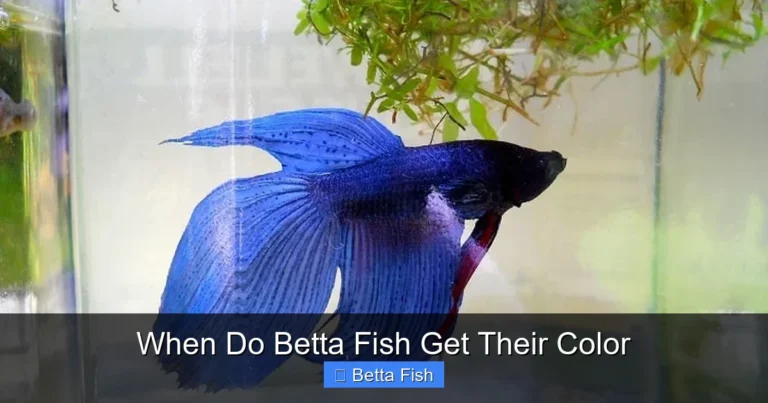
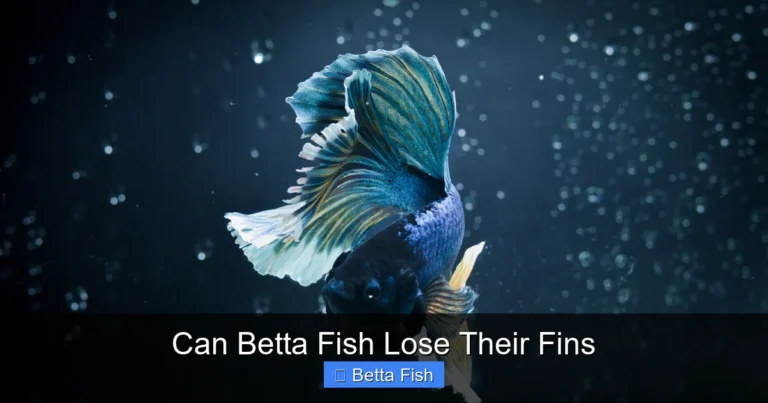
Blue light can make a betta’s reds, oranges, and metallic blues appear more saturated. The contrast between the fish’s natural colors and the cool background creates a “stage‑light” effect that many hobbyists love for photos and videos.

Visual guide about Are Blue Leds Better for Fish Tanks
Image source: publicdomainpictures.net
Stress Reduction for Some Species
Some studies suggest that low‑intensity blue light can have a calming effect on aggressive or nervous fish. The soothing hue mimics early morning or twilight, times when many wild fish are less active.
Improved Nighttime Viewing
Because blue light is less disruptive to the human eye at low levels, you can enjoy a “night view” of your tank without needing a bright white light that would scare the fish.
Potential Drawbacks of Relying Solely on Blue LEDs
Insufficient Plant Growth
Without red wavelengths, live plants will grow slowly, become leggy, or die. If you love a lush, planted betta tank, you’ll need a supplemental full‑spectrum light.

Visual guide about Are Blue Leds Better for Fish Tanks
Image source: publicdomainpictures.net
Masking Health Issues
Blue light can hide early signs of disease such as white spots, fungal growth, or fin rot. A betta that looks fine under blue may actually be ill, leading to delayed treatment.
Over‑Stimulation and Stress
Too much blue intensity can cause stress, especially in smaller tanks where the light reflects off the glass and creates a harsh environment. Signs of stress include rapid breathing, faded colors, and frantic fin movements.
Practical Tips for Using Blue LEDs Wisely
1. Choose the Right Fixture
Look for fixtures that allow you to dim the blue LEDs and combine them with white LEDs. A good CRI (Color Rendering Index) of 80 + ensures the colors you see are accurate.
2. Set a Consistent Light Cycle
Betta fish thrive on a regular day/night rhythm. Aim for 8–10 hours of light per day, with a gradual dimming period in the evening. Use a timer to keep the schedule steady.
3. Pair With Full‑Spectrum Light for Plants
If you keep live plants, run a full‑spectrum LED for 6–8 hours and add a blue accent light for the remaining time. This approach satisfies plant photosynthesis while still giving you that blue glow.
4. Monitor Intensity
Place a light meter or simply sit near the tank and see if the light feels harsh. For a typical 5‑gallon betta tank, 0.5–1.0 W per gallon of blue LED is usually enough.
5. Observe Your Betta’s Behavior
Watch for signs of stress after turning the blue LEDs on. If your betta hides more often, puffs up its fins, or loses color, reduce the intensity or duration.
Blue LEDs in Different Tank Set‑Ups
Small Betta Bowls vs. Larger Community Tanks
In a tiny 5‑gallon tank, the light reflects off the glass more intensely, so a subtle blue accent works best. In larger community tanks, you can afford brighter blue strips without overwhelming the fish.
Planted vs. Bare Tanks
For a planted tank, use a combination of blue and full‑spectrum LEDs. In a bare tank, a pure blue LED can be the main light source, but remember to keep the photoperiod short.
Compatibility with Other Equipment
Blue LEDs do not interfere with most filters or heaters, but they can affect the perceived color of the water. If you use a carbon filter that darkens the water, a blue light may make the water look even more teal.
Frequently Asked Questions About Blue LEDs and Betta Care
Do blue LEDs replace the need for a heater?
No. Lighting does not significantly raise water temperature. You still need a reliable heater to keep the water in the ideal range of 78‑80°F.
Can blue light help my betta’s fins grow longer?
Coloration may appear more vivid, but fin growth is driven by genetics, nutrition, and water quality, not lighting.
Is it safe to leave blue LEDs on 24/7?
Never. Continuous light disrupts circadian rhythms, causing stress and weakening the immune system.
Will blue LEDs attract algae?
Blue light alone is less likely to promote algae than full‑spectrum light, but excess nutrients can still cause growth.
Can I use blue LEDs with a betta that has a disease?
It’s better to use a neutral white light while treating illness so you can see symptoms clearly.
Do blue LEDs affect water chemistry?
Light itself doesn’t change pH or hardness, but intense lighting can increase temperature slightly.
Conclusion: Are Blue LEDs Better for Fish Tanks?
Blue LEDs are a fantastic tool for creating a striking visual effect and can even provide a calming environment for bettas when used correctly. However, they are not a standalone solution. For a healthy, thriving tank you need a balanced lighting strategy that includes full‑spectrum light for plants, a consistent photoperiod, and careful monitoring of intensity.
In short, blue LEDs are better for fish tanks when they complement, not replace, proper lighting and husbandry practices. Pair them with a good tank setup—appropriate size, live plants, and stable water parameters—and your betta will not only look amazing but also stay healthy.
Frequently Asked Questions
Can I use blue LEDs in a tank without live plants?
Yes, blue LEDs work well in a bare‑bottom tank for visual effect, but keep the photoperiod short to avoid stress.
How long should I run blue LEDs each day?
Limit blue lighting to 4–6 hours per day, preferably as an accent after the main white light cycle.
Do blue LEDs affect the betta’s breeding behavior?
There’s no strong evidence that blue light influences spawning; a stable temperature and proper diet are far more important.
Are there any specific blue LED brands you recommend?
Choose reputable aquarium lighting brands that list CRI values and allow dimming. Reading reviews from other betta keepers can help narrow choices.
Will blue LEDs help reduce fish aggression?
Low‑intensity blue light can have a calming effect on some fish, but aggression in male bettas is largely driven by genetics and tank size.
Can I combine blue LEDs with a UV sterilizer?
Yes, they serve different purposes—UV sterilizers control pathogens, while blue LEDs affect visual ambiance. Just keep them on separate schedules.