Where Can I Release a Betta Fish
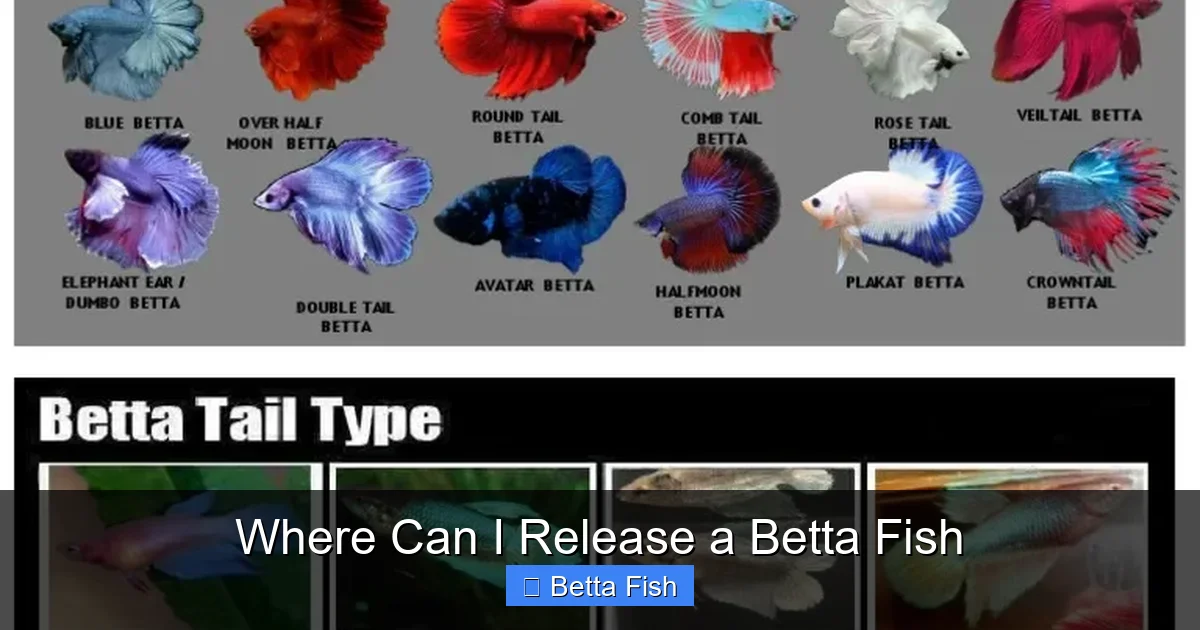
Releasing a betta fish into the wild is never a safe or ethical option. These tropical fish cannot survive in most climates and will devastate local ecosystems if they do. Instead, responsible owners must explore humane rehoming alternatives. You can surrender your betta to a dedicated fish rescue, a reputable aquarium store, or find a knowledgeable new home through community networks. Always prioritize the fish’s welfare and environmental protection over the convenience of release.
Key Takeaways
- Releasing a betta fish is ecologically destructive: Betta fish are invasive predators that outcompete native species, spread diseases, and disrupt local aquatic habitats, causing long-term environmental harm.
- It is almost always illegal: Most states and countries have laws against releasing non-native species into the wild, with penalties that can include hefty fines.
- Humane rehoming is the only responsible solution: Options include surrendering to specialized fish rescues, reputable local aquarium shops (LFS), or carefully vetting a new private owner.
- Euthanasia is a last-resort, humane option: If a betta is severely ill, injured, or unadoptable, a quick, painless method performed correctly is kinder than a slow death in the wild.
- Prevention is key: Thorough research before getting a betta, understanding its long-term care (5+ years), and planning for its lifelong needs prevents the “release dilemma.”
- You have a moral responsibility: As a pet owner, you are accountable for your betta’s life and its impact on the environment for its entire duration.
📑 Table of Contents
- Introduction: The Crucial Question Every Betta Owner Must Answer
- The Devastating Reality: Why Releasing a Betta Fish is an Ecological Catastrophe
- Legal and Ethical Implications: You Are Accountable
- Safe and Humane Alternatives: Your Action Plan for Rehoming
- How to Prepare Your Betta for a Successful Transition
- The Role of Betta Fish Rescues and Advocacy Organizations
- Conclusion: Choosing Responsibility Over Convenience
Introduction: The Crucial Question Every Betta Owner Must Answer
You’ve found yourself with a betta fish you can no longer keep. Maybe your circumstances changed, your interest waned, or you’re facing an unexpected life event. The urgent question surfaces: where can I release a betta fish? It’s a common thought, born from a misplaced sense of kindness—the idea that your pet might be “free” in a pond or stream. This article will give you a definitive, urgent answer: you cannot and must not release a betta fish into the wild. There is no safe, legal, or ethical place to do so. Instead, this comprehensive guide will walk you through exactly why release is catastrophic and, most importantly, provide you with concrete, compassionate, and responsible alternatives for rehoming your Betta splendens.
The journey of a betta from a small cup at a store to a released pet is a story of ecological disaster. These fish, native to the shallow, warm rice paddies and slow-moving streams of Southeast Asia, are powerful, adaptable survivors in captivity but are utterly mismatched for most wild environments in North America, Europe, and beyond. Their survival instinct is strong, but their release sets off a chain reaction of damage. Let’s break down the hard truth about where you cannot release a betta, and then pivot to the actionable, positive steps you can take.
The Devastating Reality: Why Releasing a Betta Fish is an Ecological Catastrophe
Before exploring alternatives, we must fully understand the severity of the act. “Where can I release a betta fish?” is the wrong question. The right question is, “What happens if I do?” The consequences are severe and far-reaching.
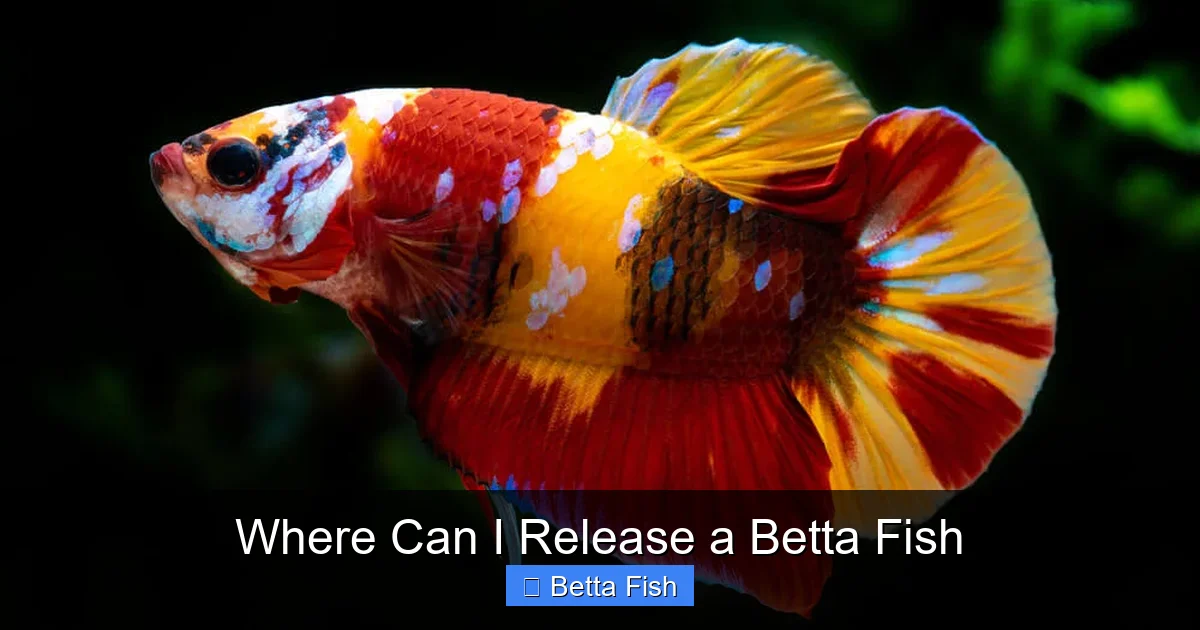
Visual guide about Where Can I Release a Betta Fish
Image source: light.fish
Impact on Native Wildlife: The Labyrinthine Predator
Betta fish are carnivorous predators. In the wild, they eat insects, larvae, and tiny crustaceans. Released into a North American pond or stream, they would immediately begin competing with—and often preying upon—native fish, frog, and salamander larvae. Their specialized breathing organ, the labyrinth, allows them to gulp air from the surface, giving them an advantage in oxygen-poor waters where many native species struggle. They are also famously territorial and aggressive. A single male betta can dominate a small water body, chasing away or even killing native fish through stress and injury. They breed prolifically; a single pair can produce hundreds of eggs, leading to a population explosion that native ecosystems are unequipped to handle.
Disease and Parasite Transmission
Pet bettas live in a controlled environment and can carry diseases or parasites that local wildlife have no immunity to. When released, they become vectors for illnesses like Ichthyophthirius multifiliis (Ich), velvet disease, or internal parasites. These can spread rapidly through wild populations, causing mass die-offs. The introduction of a novel pathogen is one of the most significant risks of releasing any captive animal.
Climate and Habitat Mismatch
While bettas are tropical fish, they are surprisingly hardy in warm, stagnant water. In southern U.S. states like Florida, Texas, or California, or in temperate European ponds during summer, a released betta might survive for a time. However, winter temperatures will almost certainly kill it in most regions. This means the fish dies a slow, cold death anyway, but not before potentially reproducing during its brief survival window in warmer months, establishing an invasive population. In colder climates, it’s a guaranteed, painful death with no ecological benefit—just suffering.
The “I Thought I Was Helping” Fallacy
Some owners mistakenly believe that releasing a pet is an act of mercy compared to surrendering it to a shelter or store. This is profoundly incorrect. A released betta faces starvation, predation by birds and larger fish, disease, and temperature extremes. Its lifespan in the wild would be measured in weeks or months, not the 5+ years it could live in proper care. The “freedom” you imagine is a harsh, brutal struggle for survival it is not equipped for.
Legal and Ethical Implications: You Are Accountable
The decision to release a pet is not just a bad idea; it’s often a illegal one with serious ethical ramifications.
Visual guide about Where Can I Release a Betta Fish
Image source: petshun.com
State and Federal Laws Against Introduction of Non-Native Species
In the United States, the Lacey Act prohibits the import, export, transport, sale, or acquisition of wildlife taken in violation of state, tribal, or foreign law. Releasing a non-native species can violate this act. More directly, most states have their own “invasive species” or “unlawful release” statutes. For example, Florida Statute 379.231 prohibits the release of non-native species without a permit, with penalties including fines. California, Texas, and others have similar laws. These laws exist precisely because of the documented damage caused by released aquarium species like lionfish, goldfish, and yes, bettas. You can face fines ranging from hundreds to thousands of dollars.
Ethical Responsibility as a Pet Owner
When you acquire a pet, you enter into a moral contract to provide for its welfare for its entire life. This includes planning for its future if you can no longer care for it. Releasing it is an abdication of that responsibility. It transfers your problem onto the environment and taxpayers, who must then fund efforts to control invasive species. Ethically, you must seek a solution that either ensures the betta’s continued welfare in a suitable home or, as a last resort, provides a peaceful end. There is no ethical scenario where dumping a living creature into an ecosystem it does not belong is the right choice.
Safe and Humane Alternatives: Your Action Plan for Rehoming
Now that the “where not to” is clear, let’s focus on the “where to.” You have several excellent, responsible options. The key is to act proactively and thoughtfully.
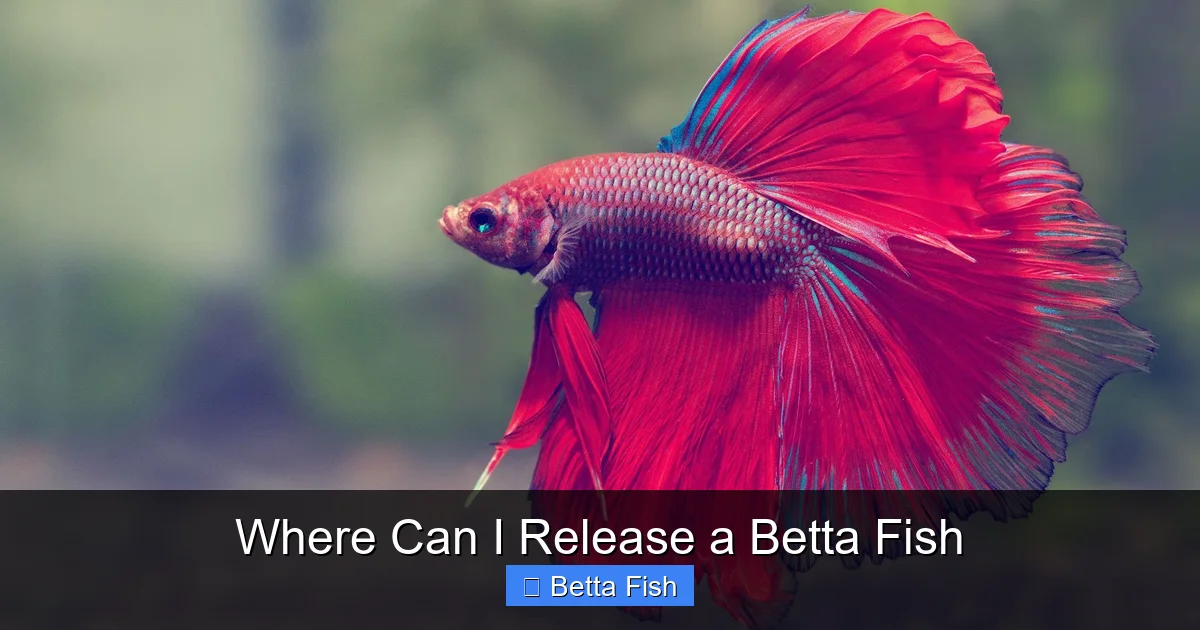
Visual guide about Where Can I Release a Betta Fish
Image source: home.adelphi.edu
Option 1: Surrender to a Specialized Fish Rescue (The Gold Standard)
Fish rescues are non-profit organizations dedicated to rehabilitating and rehoming unwanted aquarium fish. They have the expertise, facilities, and networks to place bettas in foster homes or permanent adopters who understand their needs.
- How to Find One: Search online for “betta fish rescue [your state/country],” “aquatic animal rescue,” or “fish sanctuary.” National directories like Petfinder.com sometimes list rescues. Check with local reptile and amphibian rescues, as they often take fish too.
- What to Expect: Rescues may ask for a donation to cover costs (tanks, food, medication). They will screen you as the surrendering owner to understand the betta’s history, health, and temperament. Be honest about any issues.
- Why It’s Best: Rescues specialize in finding knowledgeable, committed homes. They often have a waiting list of people specifically wanting to adopt a betta, ensuring a good match.
Option 2: Reputable Local Aquarium Store (LFS)
Many high-quality, locally-owned aquarium stores have a “fish surrender” or “trade-in” policy. They are not all created equal; chain pet stores are generally not a good option for surrender.
- The Process: Call ahead. Explain you have a betta you need to surrender. Ask if they take in fish for their display tanks or for resale. Some stores have a “quarantine” system and will accept healthy bettas to sell. Others may not.
- Important Considerations: Ensure the store is clean, well-maintained, and the staff are knowledgeable. A store with sick, stressed fish is not a safe destination. Be prepared that they may not accept a betta with signs of disease or fin rot, as it could infect their stock.
- The Benefit: A good LFS has a constant flow of customers looking for a single betta. Your fish could be adopted within days by someone who knows what they’re doing.
Option 3: Rehome Privately Through Vetted Networks
This requires the most legwork but can be very successful.
- Online Communities: Post in local Facebook groups (e.g., “[Your City] Fish Keepers”), Reddit forums (r/bettafish, r/aquariums), or Nextdoor. Be detailed: betta’s age, health, tank setup, temperament. Screen inquiries rigorously. Ask about their experience, tank size, water parameters, and plans for the fish. Request photos of their setup. Do not give the fish to the first responder.
- Aquarium Clubs: Search for a local aquarium society or fish club. Members are often experienced hobbyists with multiple tanks and a passion for fish. They are excellent candidates for rehoming.
- Schools and Classrooms: A healthy, hardy betta can be a great educational pet for a teacher with a small tank. Contact local schools, but ensure the teacher is committed to its care beyond the school year.
Option 4: The Last Resort: Humane Euthanasia
If your betta is suffering from an untreatable, painful disease (like advanced dropsy), is severely injured, or you have exhausted all rehoming avenues and cannot find a suitable home, humane euthanasia is the final act of kindness. It is infinitely more compassionate than a slow, agonizing death in the wild.
- Recommended Method: The most widely accepted, rapid, and humane method for small fish is the clove oil overdose. Clove oil (eugenol) is a natural anesthetic. When emulsified in water at a high concentration, it induces deep anesthesia followed by cessation of breathing. There are detailed, step-by-step guides from veterinary and aquarium sources online. It is peaceful and painless when done correctly.
- What to AVOID: Never use alcohol (vodka, etc.), physical trauma (flushing, hitting), or freezing (for tropical fish) as primary methods. These are stressful and painful.
- Consult a Professional: If you are uncomfortable performing euthanasia, a veterinarian (an exotic or aquatic vet) or a compassionate rescue organization may be able to do it for a small fee or as a service.
How to Prepare Your Betta for a Successful Transition
Once you’ve chosen a rehoming path, proper preparation increases the chances of a smooth handoff and a healthy future for your betta.
Health Assessment and Quarantine
Before offering your betta to anyone, assess its health honestly. Is it eating? Are its fins intact (no severe fin rot)? Is its body shape normal (not pineconing, a sign of dropsy)? Is it active? If there are any health concerns, do not rehome. You must either treat the condition yourself (with proper medication) or, if it’s untreatable, consider humane euthanasia. Passing a sick fish to a new home is irresponsible and could harm their entire aquarium. If possible, keep the betta in its own tank (a 5-gallon minimum is ideal) for a few weeks before surrender to observe for any delayed symptoms.
Gather and Transfer with Care
Create a “betta portfolio” for the new owner.
- Information Sheet: Include the betta’s name, age (if known), favorite foods, temperament (e.g., ” flares at hands but peaceful with snails”), and any health history.
- Tank Details: Note its current tank size, filter type, heater model and temperature, and any decorations or tank mates it had (and how it reacted).
- Transport: Use a clean, sealed plastic bag (like those from the pet store) with clean, dechlorinated water from its tank. Float the bag in a cooler to maintain temperature if transporting for more than 30 minutes. Never transport in a small cup or jar.
Honest Communication is Non-Negotiable
With the new owner or rescue, be completely transparent. Did it jump out of a tank before? Does it flare at its reflection? Has it ever been sick? This information is critical for the new caretaker to provide the right environment and prevent future problems. Withholding information is setting the betta up for failure and potential return.
The Role of Betta Fish Rescues and Advocacy Organizations
Understanding the ecosystem of help available can empower you to make the best choice.
What Do These Organizations Do?
Dedicated betta and fish rescues do much more than just take in unwanted fish. They:
- Provide Medical Care: They treat common ailments like fin rot, velvet, and internal parasites, often with donated or discounted medication.
- Quarantine and Stabilize: New arrivals are isolated for 30+ days to ensure they are disease-free before entering the adoption pool.
- Educate: They provide new adopters with detailed care guides, preventing future neglect.
- Advocate: They work to change the retail industry by lobbying against the sale of bettas in tiny cups and promoting proper housing standards.
How You Can Support Them, Even If You Don’t Need to Surrender
If you’re reading this and your betta is happy and healthy, consider supporting these vital organizations.
- Donate: Funds, unopened food, water conditioner, or used but clean equipment (filters, heaters) are always needed.
- Volunteer: Many rescues need help with fosters, transport, social media, or adoption events.
- Spread Awareness: Share articles like this one. Talk to friends who want a “low-maintenance” pet about the real needs of a betta. Challenge stores that sell bettas in cups.
By supporting the rescue network, you strengthen the safety net for all bettas, making the “where can I release” question obsolete for more people in the future.
Conclusion: Choosing Responsibility Over Convenience
The question “where can I release a betta fish?” is a test of our responsibility as pet owners. The answer is a resounding and unequivocal nowhere. There is no magical pond or stream where your betta will live happily ever after without consequence. The ecological cost is too high, the legal risk is real, and the ethical breach is profound. Your betta’s life, and the health of local ecosystems, depend on you choosing a different path.
You now have a roadmap. Take a deep breath and choose one of the humane alternatives. Call a rescue. Email a reputable store. Post thoughtfully in a vetted online group. If all else fails and the fish is suffering, make the compassionate choice for euthanasia. The act of responsibly rehoming or humanely ending a life is a difficult but defining moment of true pet ownership. It honors the life you brought into your care by ensuring its final chapter is not one of abandonment and struggle, but of transition to a new beginning or a peaceful end. Share this knowledge. Prevent another betta from being thoughtlessly dumped. Be the solution.
Frequently Asked Questions
Can I release my betta fish in a local pond or stream?
No. Releasing a betta into any natural body of water is illegal in most areas and ecologically harmful. Betta fish are tropical, non-native predators that cannot survive most winters but can wreak havoc on local wildlife during warmer months, outcompeting native species and spreading diseases.
What are the legal penalties for releasing a betta fish?
Penalties vary by state and country but can include substantial fines (often hundreds to thousands of dollars) under invasive species or wildlife protection laws like the Lacey Act in the U.S. You may also be liable for costs related to eradication efforts if an invasive population becomes established.
Will my betta survive if I release it in a warm climate like Florida?
It might survive for a season, but this is still illegal and harmful. In Florida’s warm waters, a released betta could potentially breed and establish an invasive population, preying on native fish and frog larvae. Its survival is not a measure of rightness; the act is still ecologically destructive and unlawful.
How do I find a legitimate fish rescue for my betta?
>Search online using specific terms like “betta fish rescue [Your State]” or “aquatic animal rescue near me.” Look for established non-profits with a web presence and community reviews. Avoid individuals with no verifiable references. National directories on Petfinder.com and networks like the International Betta Congress can also provide leads to reputable rescues.
Is it okay to give my betta to a big pet store like PetSmart or Petco?
Generally, no. Large chain pet stores typically do not have a surrender program for individual fish from the public. They receive their stock from centralized distributors. Attempting to leave a fish with them often results in the fish being disposed of. Always call a specific, locally-owned aquarium store (LFS) first to inquire about their surrender policy.
What is the most humane way to euthanize a betta fish if I absolutely cannot rehome it?
The most humane and recommended method is an overdose of clove oil (eugenol). It acts as a powerful anesthetic, inducing a peaceful, painless sleep. You must follow a precise protocol: mix the clove oil vigorously in a small container of tank water first to emulsify it, then slowly add it to the betta’s holding container until it loses equilibrium and breathing stops. Research the detailed method from a trusted veterinary or aquarium science source beforehand.