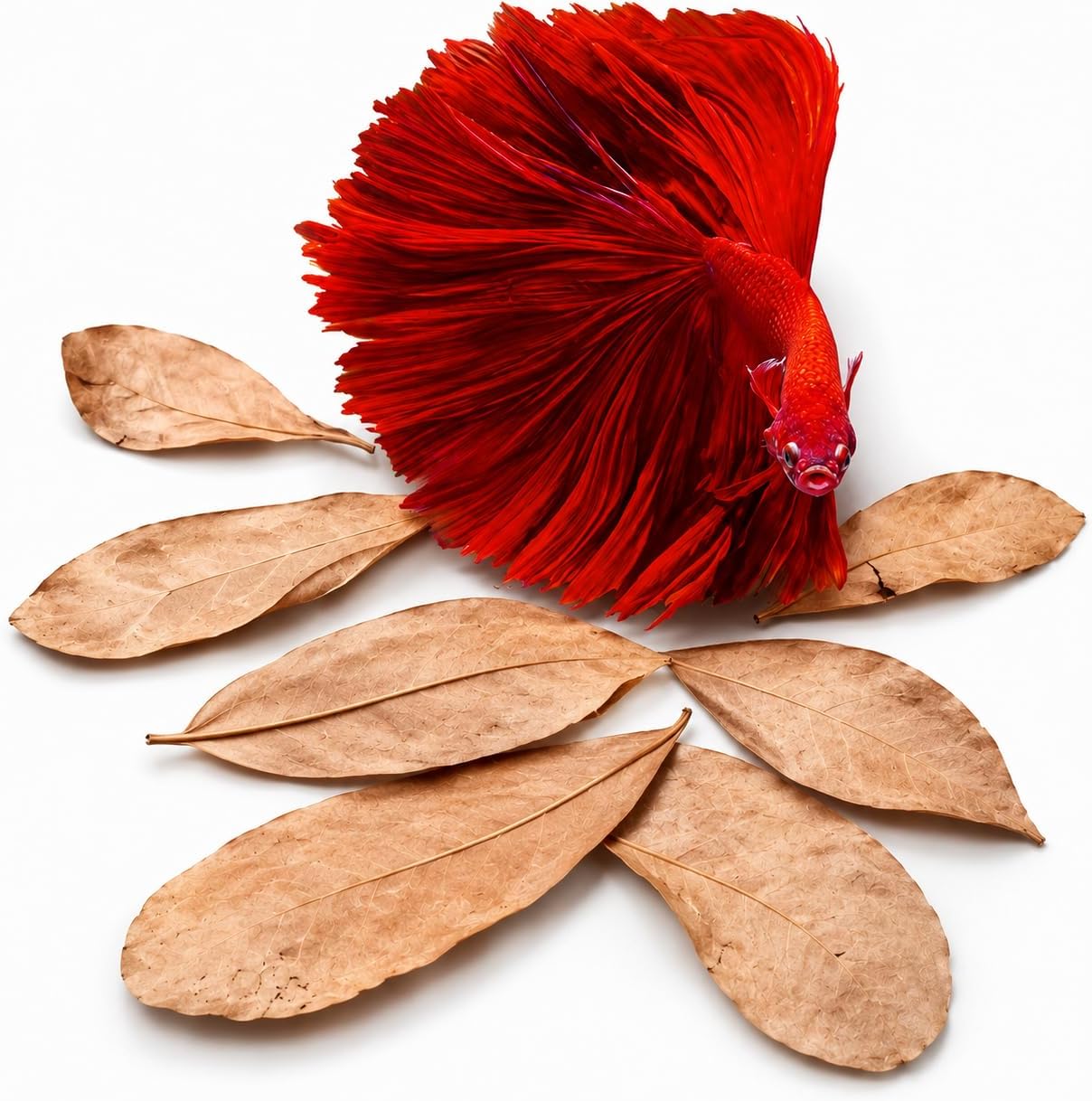
Why Do Betta Fish Jump Out of the Bowl
Betta fish may leap from their bowl for many reasons, from water quality issues to stress triggers. Understanding the signs, correcting the environment, and adding simple safeguards can stop the jumps and keep your betta thriving.
Key Takeaways
- Water quality matters: Poor parameters are a top cause of jumping.
- Stress triggers: Aggressive tank mates, sudden temperature changes, and bright lights can scare bettas.
- Tank size & cover: Too‑small bowls and lack of a lid make jumps easy.
- Health clues: Illness, parasites, or injury often lead to frantic behavior.
- Preventive fixes: Regular water changes, proper heating, and a secure cover stop most jumps.
- Rescue steps: If your betta does jump, act quickly with gentle handling and a clean bowl.
- Long‑term care: Providing a spacious, filtered tank reduces stress and promotes a longer, healthier life.
📑 Table of Contents
- Introduction: The Mystery of the Leaping Betta
- 1. Water Quality – The Hidden Trigger
- 2. Stress From the Environment
- 3. Health Issues That Prompt Jumping
- 4. Instinctual Behaviors: Jumping as a Natural Response
- 5. Preventive Measures – Keeping Your Betta Safe
- 6. What to Do If Your Betta Has Already Jumped
- Conclusion: A Happy Betta Stays Put
Introduction: The Mystery of the Leaping Betta
It’s a scene many hobbyists dread: you glance at the bowl, and your beautiful betta is nowhere to be seen. A quick look around the room reveals a tiny fish perched on the edge, eyes wide, as if it’s about to make a daring escape. Why do betta fish jump out of the bowl? The answer isn’t always simple, but it usually boils down to a combination of environment, health, and instinct.
In this article we’ll walk through the most common reasons, show you how to spot early warning signs, and give you practical, step‑by‑step fixes. By the end you’ll feel confident that your betta will stay where it belongs – safely swimming in clean, comfortable water.
1. Water Quality – The Hidden Trigger
Bad parameters make bettas restless
Betta fish are native to shallow, slow‑moving waters of Southeast Asia. In the wild they experience stable temperature, clean water, and low flow. When those conditions aren’t met in a bowl, the fish can become stressed and look for an exit.
- Ammonia and nitrite spikes: Even a small amount of ammonia (above 0 ppm) can irritate a betta’s gills. The fish may dart to the surface and jump.
- pH swings: Rapid changes from 6.5 to 8.0 cause discomfort.
- Temperature fluctuations: Betta fish love warm water (76‑82°F). A sudden drop of a few degrees can shock them.
Regular testing with a liquid test kit and weekly 25‑30% water changes keep these parameters in check. If you’re unsure how to test, see our guide on what type of water betta fish need for detailed steps.
Practical tip: Set a schedule
Mark your calendar for a “water day” each week. Change a quarter of the water, clean the sides, and test the water. This routine not only prevents jumps but also promotes overall health.
2. Stress From the Environment
Too small, too open
Many owners keep bettas in tiny bowls because they look cute. Unfortunately, a bowl that holds less than 2.5 gallons gives the fish nowhere to hide and makes surface jumps easy. A larger, filtered tank (minimum 5 gallons) gives your betta space to explore and reduces the urge to leap.
Lighting and reflections
Bright overhead lights or a reflective surface can startle a betta, especially if it sees its own reflection and thinks another fish is invading its territory. This “mirror aggression” often ends with a jump.
Solution: Use a dimmer or indirect light and place a background (like a piece of dark poster board) behind the tank to break reflections.
Noise and vibrations
Sudden bangs, a vibrating phone, or a moving air conditioner can spook a betta. In the wild, such vibrations signal predators, so the fish’s instinct is to flee upward.
Tip: Keep the tank on a stable surface away from heavy foot traffic.
Internal link example
For more on whether bettas naturally jump, read Do Betta Fish Jump Out Of The Tank.
3. Health Issues That Prompt Jumping
Illness and parasites
When a betta feels sick, it may become hyper‑active and try to escape the perceived danger. Common culprits include:
- Ich (white spots) – causes itching and frantic swimming.
- Fin rot – painful, leading the fish to try to get away.
- Swim bladder disease – makes it hard to control depth, prompting sudden surface bursts.
If you notice white spots, ragged fins, or a fish that floats upside‑down, treat promptly. Our article on Why Did My Betta Fish Die All Of A Sudden offers a quick diagnostic checklist.
Injury from decorations
Sharp ornaments, broken glass, or rough plastic can injure a betta’s delicate fins. The pain may cause a frantic dash to the top and a jump.
Choose smooth, betta‑safe décor and always inspect new items before adding them to the tank.
Nutrition stress
Over‑feeding or feeding low‑quality food can lead to constipation and bloating. A bloated betta often tries to “burp” by jumping.
Feed a small amount (no more than the size of the fish’s eye) once or twice a day, and vary the diet with frozen or live foods.
4. Instinctual Behaviors: Jumping as a Natural Response
Exploration and escape instinct
In the wild, bettas inhabit shallow rice paddies where water levels can change quickly. Jumping can be a survival skill, allowing them to move to a nearby pool if their current home dries out.
In a home bowl, this instinct can be triggered by any perceived drop in water level or a sudden change in water flow.
Bubble nest building
Male bettas build bubble nests at the water surface when they are ready to breed. During this activity they often make short hops to the surface, which can look like a jump.
If you see a cluster of bubbles, your betta is likely just being a diligent builder—not trying to escape.
Territorial defense
Seeing their reflection, a betta may flare and then leap to “attack” the perceived intruder. This is a classic case of mistaken identity.
Providing plenty of hiding spots (like live plants or silk caves) reduces the need for aggressive displays.
5. Preventive Measures – Keeping Your Betta Safe
Upgrade to a proper tank
The single most effective step is moving from a bowl to a filtered tank of at least 5 gallons. A lid or mesh cover prevents accidental jumps while still allowing airflow.
Install a secure lid
If you must keep a bowl, use a clear acrylic cover that fits snugly. Make sure there’s a small ventilation hole to avoid stale air.
Maintain optimal temperature
Use an adjustable heater with a thermostat set between 76‑82°F. A thermometer clipped to the side of the tank helps you monitor fluctuations.
Regular water changes and testing
Change 25‑30% of the water weekly, and test for ammonia, nitrite, and pH each time. Clean the tank’s sides to prevent algae buildup, which can also stress the fish.
Provide enrichment
Live plants (or silk substitutes), smooth caves, and floating lily pads give your betta places to rest away from the surface. This reduces the urge to jump.
Monitor behavior daily
Spend a few minutes each day watching your betta. Look for signs of stress: rapid gill movement, constant swimming near the top, or sudden color changes. Early detection lets you act before a jump occurs.
6. What to Do If Your Betta Has Already Jumped
Stay calm and act quickly
Gently scoop the fish with a soft net or a clean cup. Avoid pulling it out of the water for too long; bettas can dry out in seconds.
Inspect for injuries
Check the fins for tears, look at the eyes for cloudiness, and feel the body for any lumps. If you spot anything abnormal, isolate the fish in a hospital tank with clean, warm water and treat accordingly.
Refresh the environment
After a jump, it’s a good idea to do a partial water change (about 30%) and test the parameters. This ensures the water isn’t the cause of the escape.
Re‑secure the tank
Place a lid back on the bowl or move the fish to a larger tank with a secure cover. This prevents a repeat incident.
Conclusion: A Happy Betta Stays Put
Betta fish jump out of their bowls for a mix of water quality issues, stress triggers, health problems, and natural instincts. By keeping the water clean, providing a spacious and well‑covered tank, and watching for signs of discomfort, you can dramatically reduce the risk of a leaping incident. Remember, a betta that feels safe will stay where you want it – swimming gracefully and showing off those spectacular colors.
Take the steps outlined above, and you’ll enjoy a calm, thriving betta for years to come.
Frequently Asked Questions
Why does my betta fish jump out of the bowl?
Common reasons include poor water quality, sudden temperature changes, stress from lighting or reflections, and health issues like parasites or swim‑bladder disease.
Can a betta fish survive a jump?
Yes, if you act quickly. Gently return the fish to clean, warm water within a few seconds and check for injuries.
How can I stop my betta from jumping?
Provide a larger, filtered tank with a secure lid, maintain stable water parameters, and reduce stressors such as bright lights and reflections.
Is it normal for bettas to jump during breeding?
Male bettas may jump briefly while building bubble nests, but they usually stay near the surface rather than leaping completely out.
What should I do if my betta keeps jumping despite a lid?
Check the lid for gaps, ensure the water temperature is stable, and look for signs of illness. A persistent jumper may need a larger tank.
Do betta fish need a heater to prevent jumping?
Maintaining a consistent temperature (76‑82°F) with a reliable heater reduces stress and the likelihood of jumps caused by sudden cold shocks.