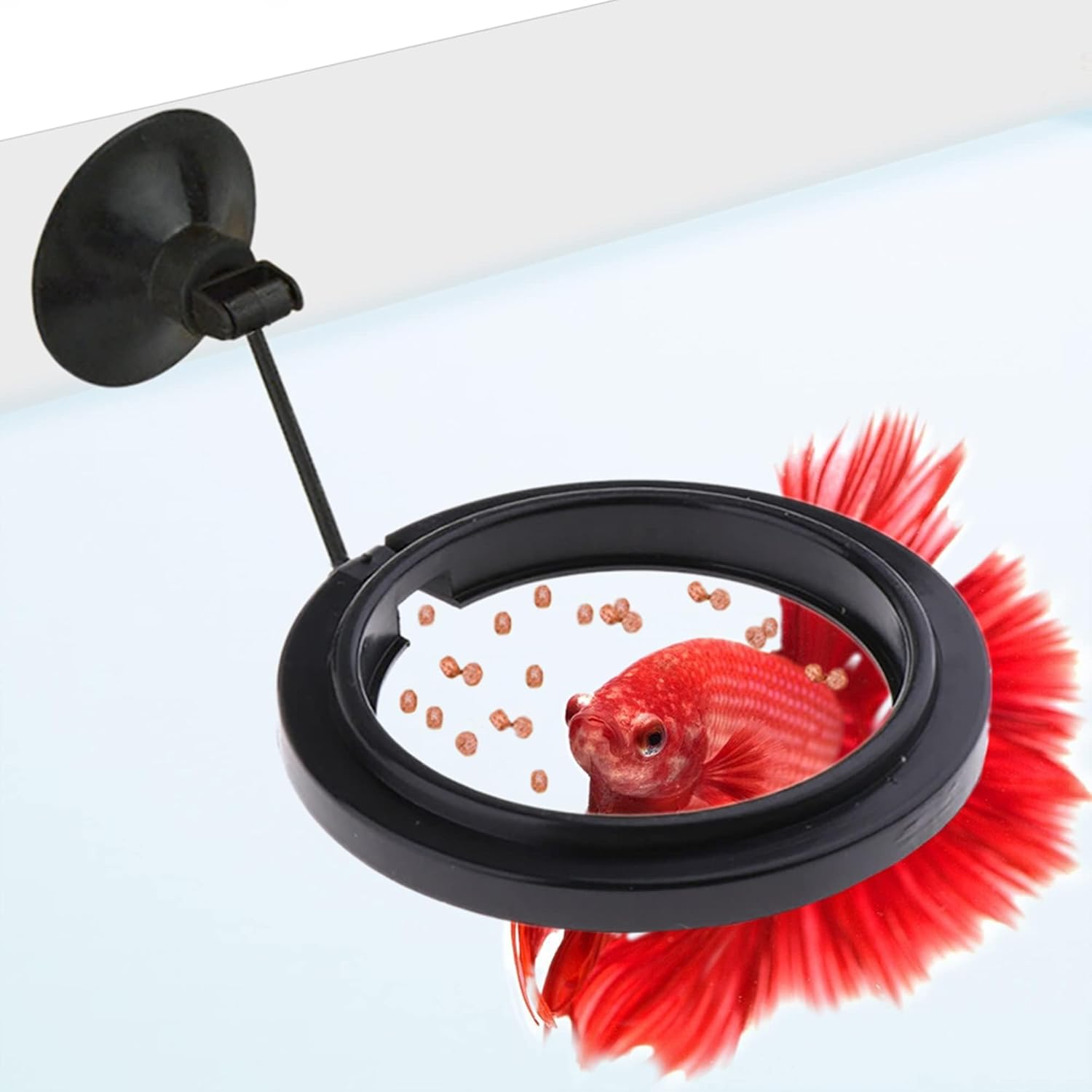
Why Do Betta Fish Go Up for Air

Betta fish surface for air to fill their unique labyrinth organ, a natural adaptation that lets them breathe oxygen directly from the water’s surface. This behavior is normal, but understanding the reasons behind it helps you provide the right tank conditions and spot potential health issues early.
Key Takeaways
- Labyrinth organ: Betta fish have a special breathing organ that requires surface air.
- Water quality matters: Poor oxygen levels or high temperatures make them surface more often.
- Tank setup tips: Proper flow, plants, and occasional surface breaks keep breathing easy.
- Health indicator: Excessive surfacing can signal stress, disease, or inadequate filtration.
- No air pump needed: A well‑maintained tank provides enough oxygen without extra equipment.
- Observe behavior: Regular surfacing is normal; frantic jumps may need a vet.
- Link to care basics: Combine breathing knowledge with overall betta care for a thriving fish.
📑 Table of Contents
- Introduction: The Curious Surface Dance
- 1. The Labyrinth Organ: Betta’s Built‑In Breathing Tube
- 2. When and How Often Do Betta Fish Surface?
- 3. Setting Up the Perfect Environment for Easy Breathing
- 4. Do Betta Fish Need an Air Pump?
- 5. Health Indicators: When Surfacing Signals Trouble
- 6. Practical Tips to Reduce Unnecessary Surfacing
- Conclusion: Embrace the Surface Breath
Introduction: The Curious Surface Dance
If you’ve ever watched a betta fish glide to the top of its tank, pause, and take a quick “breath,” you’ve witnessed one of nature’s most fascinating adaptations. Unlike most fish that rely solely on gills, bettas have a special organ that lets them gulp air from the surface. This behavior often raises questions: “Why do betta fish go up for air?” and “Is this a sign of trouble?” In this article we’ll break down the science, explore the factors that influence surfacing, and give you practical tips to keep your finned friend comfortable.
We’ll keep the tone friendly—think of it as a chat with a fellow betta enthusiast. By the end, you’ll know exactly why your betta makes those surface trips and how to create a tank environment where those trips are a healthy part of daily life, not a red flag.
1. The Labyrinth Organ: Betta’s Built‑In Breathing Tube
What is the labyrinth organ?
The labyrinth organ is a maze‑like structure located just above the gills. It’s made of thin, vascularized tissue that can extract oxygen directly from air. When a betta swims to the surface and gulps, the organ fills with air, allowing oxygen to diffuse into the bloodstream. This adaptation evolved in the shallow, stagnant waters of Southeast Asia, where dissolved oxygen can be low.

Visual guide about Why Do Betta Fish Go Up for Air
Image source: expertaquarist.com
How does it work?
1. Gulping: The betta snaps its mouth open at the surface, drawing in a bubble of air.
2. Air passes through the labyrinth: The air moves through the folded chambers, where blood vessels pick up oxygen.
3. Oxygen enters circulation: Oxygenated blood circulates to the rest of the body, supporting metabolism.
Why is this important for tank owners?
Because bettas can survive in lower‑oxygen water than many other fish, they’re popular for small setups. However, they still need clean, well‑oxygenated water. Relying solely on the labyrinth organ without good water conditions can stress the fish.
2. When and How Often Do Betta Fish Surface?
Normal surfacing patterns
In a healthy tank, a betta will surface a few times per hour—often after a meal, after a burst of activity, or simply to “reset” its oxygen intake. The behavior looks like a quick rise to the top, a brief pause, then a smooth glide back down.

Visual guide about Why Do Betta Fish Go Up for Air
Image source: fishkeepingacademy.com
Factors that increase surfacing
- Water temperature: Warmer water holds less dissolved oxygen, prompting more frequent gulps.
- Overcrowding: More fish mean more competition for oxygen.
- Insufficient filtration or aeration: Stagnant water can become oxygen‑poor.
- Stress or illness: Disease can raise metabolic demand, leading to extra breaths.
When to worry
If your betta is gasping, darting to the surface repeatedly, or appears lethargic after surfacing, it may be a sign of low oxygen, poor water quality, or health issues. In such cases, check temperature, test water parameters, and consider a gentle water change.
3. Setting Up the Perfect Environment for Easy Breathing
Tank size and shape
A 5‑gallon tank is a common minimum for a single betta. Larger volumes help stabilize temperature and oxygen levels. Avoid tall, narrow tanks that limit surface area; a broader surface gives more room for air exchange.

Visual guide about Why Do Betta Fish Go Up for Air
Image source: expertaquarist.com
Filtration and water movement
Even a low‑flow filter is beneficial. It creates gentle surface agitation, increasing oxygen diffusion. If you prefer a filter‑free setup, a small air stone or a gentle powerhead can do the trick.
Live plants and décor
Live plants release oxygen during photosynthesis, especially in the morning. Adding hardy plants like Java fern or Anubias can boost oxygen levels and provide hiding spots.
Temperature control
Betta fish thrive at 78‑80°F (25‑27°C). Use a reliable heater and a thermometer to keep the water stable. A sudden spike can reduce oxygen and trigger frantic surfacing.
Link to related setup guide
For a step‑by‑step approach, see our article on how to set up a tank for a betta fish. It covers substrate, plants, and equipment choices that keep your fish breathing easy.
4. Do Betta Fish Need an Air Pump?
Understanding the myth
Many beginners think an air pump is essential because bettas “need air.” In reality, the labyrinth organ handles surface breathing, and a well‑filtered tank usually provides enough oxygen. An air pump can be helpful in very warm rooms or heavily stocked tanks, but it’s not a requirement for a single betta.
When an air pump helps
- Room temperature consistently above 82°F (28°C).
- Large tanks with heavy plant load that reduce surface agitation.
- When you notice your betta gulping excessively despite good water parameters.
Choosing the right pump
If you decide to add one, pick a quiet, low‑flow model. Connect it to a gentle diffuser or a small sponge filter to avoid strong currents that can stress bettas.
Further reading
Explore the pros and cons in our detailed post Do Betta Fish Need Air Pump.
5. Health Indicators: When Surfacing Signals Trouble
Common health issues that affect breathing
Diseases like Ich, bacterial infections, or gill parasites can impair oxygen uptake, causing a betta to surface more often. Look for additional signs: white spots, frayed fins, loss of appetite, or abnormal swimming.
Testing water quality
Use a liquid test kit to check ammonia, nitrite, nitrate, and pH. High ammonia or nitrite levels reduce oxygen availability and stress the fish.
Performing a quick water change
Swap out 25‑30% of the water with properly conditioned water (match temperature and parameters). This can instantly improve oxygen levels and calm a stressed betta.
Link to water‑change guide
Need step‑by‑step instructions? Our guide on how to do a water change for betta fish walks you through the process safely.
6. Practical Tips to Reduce Unnecessary Surfacing
Maintain optimal temperature
Keep the heater set within the 78‑80°F range. Use a thermostat‑controlled heater to avoid accidental overheating.
Increase surface agitation gently
A small piece of floating leaf or a slow‑moving filter outlet creates ripples that help oxygen dissolve without creating a current that stresses the betta.
Feed smaller, frequent meals
Overfeeding leads to excess waste, which drops oxygen. Feed 2‑3 small portions daily, removing uneaten food after a few minutes.
Provide hiding spots
Stress can cause a betta to gulp more. Use caves, silk plants, or a piece of smooth driftwood to give your fish a place to retreat.
Observe and record
Keep a simple log of surfacing frequency, water changes, and temperature. Patterns will help you spot when something is off.
Conclusion: Embrace the Surface Breath
Betta fish go up for air because of their unique labyrinth organ—a brilliant evolutionary solution for low‑oxygen habitats. In a well‑maintained aquarium, surfacing is a normal, healthy behavior. By monitoring water quality, temperature, and tank setup, you can ensure those surface trips remain brief and stress‑free. Remember, occasional extra surfacing can be a useful early warning sign, prompting a quick check of your tank’s conditions.
Armed with this knowledge, you can watch your betta’s graceful climbs with confidence, knowing you’re providing the best possible environment for a vibrant, thriving companion.
Frequently Asked Questions
Why do betta fish need to surface for air?
Betta fish have a labyrinth organ that extracts oxygen from air. Surfacing lets them fill this organ with oxygen, supplementing the oxygen they get through their gills.
How often should a healthy betta fish come up for air?
In a well‑filtered, properly heated tank, a healthy betta will surface a few times per hour, often after eating or a burst of activity.
Can I use an air pump to reduce my betta’s surfacing?
Usually not necessary, but an air pump can help in very warm water or crowded tanks. Choose a low‑flow, quiet model to avoid stressing your fish.
What does excessive surfacing indicate?
Frequent, frantic surfacing can signal low oxygen, high temperature, poor water quality, or underlying health issues like gill disease.
Do live plants improve oxygen levels for bettas?
Yes. Live plants release oxygen during photosynthesis, especially in the morning, helping to keep the water well‑oxygenated.
Is it normal for a betta to gasp at the surface after a water change?
Briefly adjusting to new water can cause a short surfacing period, but if the fish continues to gasp, check temperature and water parameters for any mismatch.