How of Tr En Fish Feeder Betta
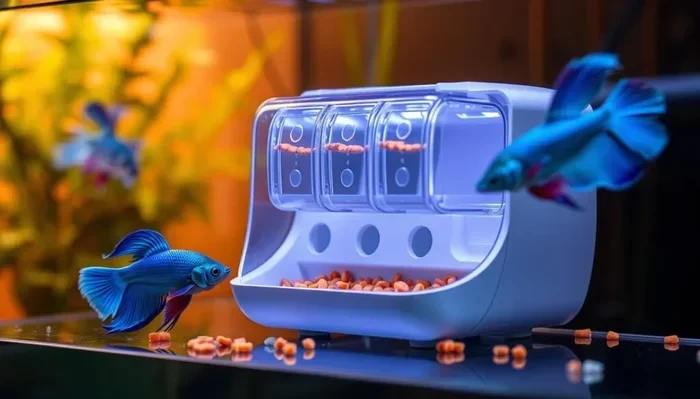
Feeding your betta fish with an automatic fish feeder can simplify your routine and keep your fish healthy when you are away. This guide covers everything from choosing the right fish feeder betta setup to avoiding common mistakes like overfeeding. You will learn about food types, feeding schedules, and expert tips for the best results.
Feeding your betta fish does not have to be a daily chore. A fish feeder designed for bettas can make life easier for both you and your fish. Whether you travel often or simply want a more consistent feeding routine, the right setup makes a big difference.
In this guide, we walk you through everything you need to know about using a fish feeder betta setup. From choosing the best type of feeder to picking the right food, we cover it all. By the end, you will feel confident about keeping your betta healthy and well-fed even when you are not home.
Key Takeaways
- Choose the Right Feeder: Automatic and gravity-fed fish feeders work best for betta fish when set up correctly.
- Feeding Schedule Matters: Feed your betta 1 to 2 times a day with small portions to avoid overfeeding.
- Food Type Is Key: Use high-quality pellets, freeze-dried bloodworms, or brine shrimp suited for betta fish.
- Avoid Common Mistakes: Overfeeding and poor water quality are the top problems linked to fish feeders.
- Monitor and Adjust: Watch your betta fish behavior and adjust the feeder settings for the best results.
📑 Table of Contents
- Why Use a Fish Feeder for Betta Fish?
- Types of Fish Feeders for Betta Fish
- Choosing the Best Food for Your Betta Fish Feeder
- Setting Up Your Fish Feeder for a Betta Tank
- Common Mistakes When Using a Fish Feeder for Betta Fish
- Expert Tips for the Best Results
- How to Know If Your Fish Feeder Is Working
- Final Thoughts
Why Use a Fish Feeder for Betta Fish?
A fish feeder is a device that dispenses food into your aquarium at set times. For betta fish owners, this tool offers real benefits. Betta fish need a consistent feeding schedule to stay healthy and active. A feeder helps you stick to that schedule without relying on guesswork.
Here are some key reasons to consider a fish feeder for your betta:
- Consistency: Your betta gets fed at the same time every day.
- Convenience: Great for busy schedules or weekend trips.
- Portion Control: Prevents overfeeding, which can harm water quality.
- Peace of Mind: Know your fish are fed even when you are away.
When paired with proper betta fish care, a feeder becomes a powerful tool. Make sure you also check your water parameters regularly. Clean water keeps your betta healthy between feedings.
Types of Fish Feeders for Betta Fish
Not all feeders work the same way. Let us look at the most popular types and what makes each one a good fit for bettas.
Automatic Fish Feeders
An automatic fish feeder uses a battery or electric power to release food at programmed times. You can set it to feed your betta once or twice a day. Most models let you adjust the portion size, which is perfect for bettas who eat small amounts.
These feeders are ideal for people who travel often. Just fill the hopper with food before you leave. The feeder handles the rest. Look for models with a reliable timer and a dry food container to prevent clumping.
Gravity-Fed Fish Feeders
A gravity-fed feeder uses the natural pull of gravity to slowly release food. These are simple, affordable, and require no batteries. You fill the top compartment, and food drops down gradually into the tank.
Gravity feeders work well for short trips of two to three days. They are not as precise as automatic feeders, but they get the job done. Just make sure the food release rate matches your betta’s eating speed.
Manual Timed Feeders
A manual timed feeder gives you more control. You set the timer yourself and release food when needed. These are great for testing feeding amounts before committing to an automatic setup.
Some aquarists prefer manual feeders because they can watch their betta eat and adjust portions on the fly. This hands-on approach helps you spot any feeding problems early.
Choosing the Best Food for Your Betta Fish Feeder
The food you put in your fish feeder matters just as much as the feeder itself. Bettas are carnivorous fish that need a protein-rich diet. Not all fish foods work well in automatic dispensers.
Best Food Types for Fish Feeders
- Betta Pellets: Sinking or floating pellets designed specifically for bettas. They hold their shape well in feeders and provide balanced nutrition.
- Freeze-Dried Bloodworms: A popular treat that many bettas love. These work well in gravity feeders and automatic feeders alike.
- Freeze-Dried Brine Shrimp: Another excellent protein source that fits most feeder types.
- Betta Flakes: Flakes can work but tend to break apart easily. Use them only if your feeder is designed for smaller particles.
How Much Food Should You Use?
A good rule of thumb is to feed your betta what it can eat in two to three minutes. Overfeeding is one of the biggest mistakes betta owners make. Excess food rots in the tank and spoils water quality.
Most experts recommend feeding betta fish two small meals per day. If you use a fish feeder, start with the smallest portion setting and increase only if your betta finishes the food quickly. You can also check our guide on how many balls of food for betta fish for more specific portion advice.
Setting Up Your Fish Feeder for a Betta Tank
Proper setup makes all the difference. A poorly installed feeder can cause jams, overfeeding, or even harm your fish. Follow these steps for a smooth setup.
Step 1: Choose the Right Location
Place your feeder near the tank but outside the water. Most automatic feeders clip onto the tank rim or sit on the aquarium hood. Make sure the food chute points directly into the tank so food falls where your betta can find it easily.
Step 2: Fill the Hopper Correctly
Use dry, high-quality food that is the right size for bettas. Do not overfill the hopper. Most feeders work best with a moderate amount of food. Too much food can cause the dispenser to jam.
Step 3: Program the Timer
Set the feeder to dispense food at the same times each day. Most bettas do well with morning and evening feedings. If you are using a gravity feeder, test the release rate first and adjust as needed.
Step 4: Monitor the First Week
Watch your betta closely during the first week of using a new feeder. Make sure it is eating the food and that the portions are correct. Adjust the timer or portion size if your betta leaves food behind.
For more tips on maintaining a healthy environment, read our article on how to take care of betta fish water to keep your tank clean alongside your feeding routine.
Common Mistakes When Using a Fish Feeder for Betta Fish
Even with the best feeder, mistakes can happen. Here are the most common problems and how to avoid them.
Overfeeding
Overfeeding is the number one killer of betta fish. Bettas have small stomachs, and they will eat as long as food is available. A feeder set to release too much food can quickly lead to health problems. Always start with small portions and increase only if needed.
Using the Wrong Food
Not all fish foods work in feeders. Flakes that crumble can clog the dispenser. Stick to pellets or freeze-dried foods that hold their shape. Check that the food size matches your feeder’s opening.
Ignoring Water Quality
Even with perfect feeding, dirty water will harm your betta. Uneaten food decays and raises ammonia levels. Test your water regularly and do partial water changes at least once a week. For a full guide on betta care, see how to properly take care of betta fish.
Skipping Maintenance
Your feeder needs cleaning too. Food residue can build up inside the dispenser and cause blockages. Wipe down the feeder every two weeks and check the timer mechanism regularly.
Expert Tips for the Best Results
Here are some pro tips that experienced betta keepers swear by:
- Soak Pellets First: Some bettas prefer pellets that have been soaked for a few minutes. This makes them soft and easier to digest.
- Fast Your Betta Once a Week: Skipping one feeding day per week helps your betta’s digestive system stay healthy.
- Use a Feeder with a Moisture Trap: This keeps food dry inside the feeder and prevents clumping.
- Combine Feeding Methods: Use the feeder for regular meals and offer live or frozen treats by hand a few times a week.
- Watch Your Betta’s Appetite: If your betta stops eating, check the water temperature and quality before adjusting the feeder.
These simple habits go a long way. A well-fed betta is a happy betta. For more on betta behavior and health, explore our article on how to take care of a betta fish.
How to Know If Your Fish Feeder Is Working
After setting up your feeder, you need to confirm it is working properly. A good feeder should release the right amount of food at the right time without any jams or spills.
Here are signs your fish feeder betta setup is working well:
- Your betta eats within a few minutes of the feeding time.
- No food is left floating or sinking in the tank after feeding.
- The feeder dispenses food consistently at each scheduled time.
- Your betta shows steady energy and a healthy appetite throughout the day.
If you notice any issues, check the food size, the timer settings, and the hopper fill level. Small adjustments often solve the problem. Patience is key when you first start using a new feeder.
Final Thoughts
A fish feeder is a fantastic tool for any betta fish owner. It brings consistency, convenience, and peace of mind to your daily routine. The key is to choose the right feeder, use quality food, and keep an eye on your betta’s response.
Remember that a feeder is a helper, not a replacement for care. You still need to monitor water quality, watch your fish’s behavior, and adjust feeding amounts as needed. With the right approach, your betta will thrive and bring you joy for years to come.
Start small, stay consistent, and enjoy the process of giving your betta the best care possible. Your fish will thank you for it.
Frequently Asked Questions
How often should I use a fish feeder for my betta?
Most bettas do well with two feedings per day, morning and evening. Set your fish feeder to dispense food at these times with small portions. Always watch your betta to make sure it is eating everything and adjust if needed.
Can I leave my betta alone with a fish feeder for a week?
It is not recommended to leave your betta alone for a full week, even with a feeder. Most experts suggest a maximum of three to four days with an automatic feeder. For longer trips, ask a friend or pet sitter to check on your fish.
What is the best food to use in a betta fish feeder?
High-quality betta pellets and freeze-dried bloodworms work best in most feeders. These foods hold their shape and provide the protein your betta needs. Avoid flakes that crumble easily, as they can clog the dispenser.
How do I prevent overfeeding with an automatic fish feeder?
Start with the smallest portion setting and increase only if your betta finishes the food quickly. Uneaten food is a clear sign you are feeding too much. You can also fast your betta one day per week to support digestion.
Do betta fish need a fish feeder to stay healthy?
No, a fish feeder is a convenience tool, not a requirement. Hand-feeding works perfectly fine if you have the time. A feeder simply makes it easier to maintain a consistent betta fish feeding schedule when life gets busy.
Can I use a regular aquarium fish feeder for bettas?
Yes, but make sure the feeder is designed for small portions. Bettas eat less than many tropical fish, so a feeder with adjustable portion control is ideal. Check that the food size matches the dispenser opening for best results.