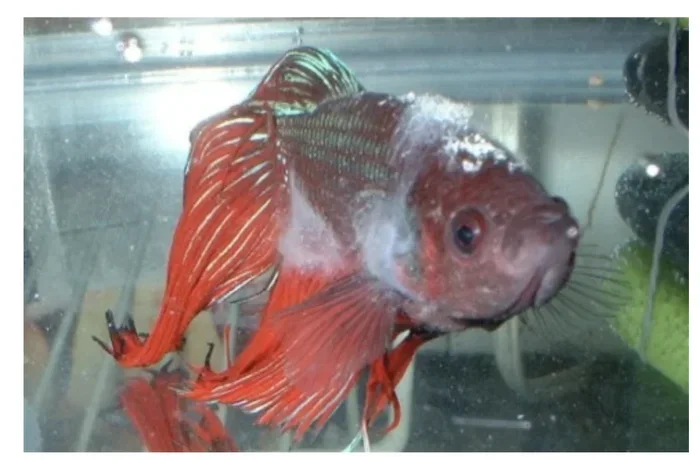
Is My Betta Fish Choking

Is your betta fish choking? A choking betta fish often shows signs like gasping at the surface, refusing food, or struggling near the filter. Understanding the causes and acting quickly can save your fish’s life and restore their health.
Key Takeaways
- Choking in betta fish is often caused by oversized food, poor water quality, or underlying health issues.
- Watch for key signs like gasping, spitting out food, and erratic swimming behavior.
- Prevention starts with proper feeding habits and maintaining clean tank conditions.
- Immediate action can help if your betta is actively choking on food or debris.
- Knowing when to seek help from a fish vet can make all the difference in serious cases.
📑 Table of Contents
- Is My Betta Fish Choking? Here Is What You Need to Know
- Common Signs Your Betta Fish Is Choking
- What Causes a Betta Fish to Choke?
- How to Help a Choking Betta Fish Right Away
- Prevention Tips to Keep Your Betta Safe
- When to See a Vet or Fish Specialist
- Choking vs. Other Common Betta Problems
- Final Thoughts
Is My Betta Fish Choking? Here Is What You Need to Know
Your betta fish is gasping at the surface, spitting out food, and looking distressed. You wonder, is my betta fish choking? It is a scary moment for any fish owner. The good news is that choking in bettas is often fixable once you know what to look for and how to respond.
Betta fish are hardy creatures, but they are not immune to breathing problems or food blockages. Whether it is a piece of food stuck in their mouth, poor water quality causing gill stress, or a deeper health issue, understanding the root cause is the first step. This guide walks you through every sign, cause, and solution so you can help your betta breathe easy again.
Choking is not just about food getting stuck. It can signal bigger problems with your tank setup, feeding routine, or your fish’s overall health. Let us break it all down in simple terms so you can act fast and keep your betta happy.
Common Signs Your Betta Fish Is Choking
Betta fish cannot tell you when something is wrong. They rely on their behavior to communicate distress. Learning to read the signs of a choking betta fish is essential for every owner.
Gasping at the Water Surface
If your betta keeps rushing to the top of the tank and gulping air, this is one of the most obvious signs. Bettas have a special organ called the labyrinth organ that lets them breathe surface air. But if they are doing it constantly and frantically, something is wrong. They may be choking on food or struggling with low oxygen levels in the water.
Spitting Out Food Repeatedly
A healthy betta will grab food and swallow it quickly. If your fish picks up a pellet and spits it out over and over, they might be having trouble swallowing. This could mean the food is too large or there is a physical blockage. It is also a common sign of betta fish choking on food that has swollen inside their mouth.
Erratic Swimming or Pacing
Watch how your betta moves. A fish that is choking may swim in strange patterns, bump into decorations, or pace back and forth in distress. Choking betta fish behavior often includes frantic movements as they try to dislodge whatever is stuck. If you notice this, check for other signs immediately.
Loss of Appetite
A betta that stops eating is always a red flag. If your fish refuses food for more than a day, consider whether they might be choking or experiencing discomfort. Sometimes they will hover near the food but never take a bite. This is their way of telling you something feels off.
What Causes a Betta Fish to Choke?
Understanding the causes of choking helps you prevent it from happening again. Several factors can lead to a betta fish choking, and most of them are tied to how you care for your fish.
Oversized Food Particles
The number one cause of choking in bettas is food that is simply too big. Many commercial betta pellets expand in water. If your fish swallows a dry pellet, it can grow inside their mouth or digestive tract and cause a blockage. Betta fish choking on food happens more often than most owners realize, especially with pellets that are not soaked before feeding.
Poor Water Quality
Dirty water stresses your betta and affects their ability to breathe. High levels of ammonia and nitrite irritate the gills, making it feel like your fish is suffocating or choking. Regular water changes and proper filtration are essential for keeping the water clean and your fish healthy.
Swim Bladder Issues
The swim bladder controls your betta’s buoyancy. When it is compromised, your fish may struggle to stay upright or may gulp air constantly. Some owners mistake swim bladder problems for choking because the symptoms look similar. A betta with swim bladder disease may also lose its appetite and float sideways.
Ingesting Debris or Small Objects
Bettas are curious fish. They sometimes nibble on decorations, gravel, or plants. Small particles can get lodged in their mouth or throat, leading to choking and distress. Keeping your tank free of loose debris reduces this risk significantly.
Underlying Health Conditions
Sometimes choking is a symptom of a broader health issue. Infections, parasites, or tumors in the mouth or throat can make swallowing painful or impossible. If your betta shows signs of choking without any clear cause, it is worth checking for illness. You can read more about identifying sick bettas in our article on is my betta fish sick to help rule out other conditions.
How to Help a Choking Betta Fish Right Away
If you suspect your betta is choking, do not panic. There are several steps you can take immediately to help your fish.
- Remove any visible food or debris from the tank using a small net or turkey baster.
- Check the water parameters with a test kit. Ammonia and nitrite levels should be at zero.
- Lower the water level slightly so your betta does not have to swim as hard to reach the surface for air.
- Turn off the filter temporarily if it is creating strong currents that make breathing harder for your fish.
- Offer a small piece of soaked food to see if your betta can eat normally again.
If your betta continues to struggle after these steps, you may need to look deeper. Choking that does not resolve quickly could indicate a serious blockage or infection that requires professional attention.
Prevention Tips to Keep Your Betta Safe
Prevention is always better than cure. A few simple changes to your routine can keep your betta from choking and improve their overall quality of life.
Soak Pellets Before Feeding
Always soak dry pellets in tank water for a few minutes before offering them to your betta. This prevents the food from expanding inside their stomach or mouth. Soaking betta food is one of the easiest and most effective ways to prevent choking.
Feed the Right Amount
Overfeeding causes bloating and makes swallowing harder. Feed your betta two to three small meals a day, only as much as they can eat in two minutes. If there is leftover food, remove it from the tank to keep the water clean.
Maintain Clean Water
Perform partial water changes every week, replacing about 25 percent of the tank water. Use a gravel vacuum to remove debris from the substrate. Clean water supports healthy gill function and makes breathing effortless for your betta.
Choose the Right Tank Setup
Avoid sharp decorations and rough surfaces that could injure your betta’s mouth or fins. Choose smooth gravel or sand as a substrate and make sure any plants or ornaments have no rough edges. A stress-free environment supports a healthy immune system and reduces the risk of betta fish health problems.
Monitor Your Betta Daily
Spend a few minutes each day watching your betta. Notice how they swim, eat, and breathe. Early detection of changes in behavior like not eating, betta fish not active, or breathing heavily can help you catch problems before they become emergencies. For more on understanding your fish’s behavior, check out our guide on why is my betta fish looking at me to learn more about what your fish is trying to communicate.
When to See a Vet or Fish Specialist
Most cases of choking resolve on their own with quick action. But some situations need professional help. You should contact a fish veterinarian or experienced aquarist if:
- Your betta has not eaten for more than two days.
- The choking signs persist for over 24 hours despite your efforts.
- You notice visible swelling around the mouth or belly.
- Your fish is losing color rapidly or developing white spots.
- There is blood or mucus coming from the mouth.
A specialist can perform a physical examination and determine if your betta needs medication or more advanced treatment. Ignoring persistent choking can lead to serious complications, including organ damage or death.
Choking vs. Other Common Betta Problems
It is easy to confuse choking with other betta health issues because the symptoms overlap. Here is a quick comparison to help you tell the difference.
| Symptom | Choking | Swim Bladder Disease | Gill Infection |
|---|---|---|---|
| Gasping at surface | Yes | Sometimes | Yes |
| Spitting out food | Yes | No | Sometimes |
| Floating or sinking | No | Yes | No |
| Loss of appetite | Yes | Yes | Yes |
| Visible swelling | Sometimes | Yes (belly) | Sometimes (gills) |
If you are unsure whether your betta is choking or dealing with another issue, it is always safer to observe closely and consult a professional. You can also explore more about why your betta might be showing unusual signs by reading our article on why is my betta fish pacing back and forth, which covers stress-related behaviors in detail.
Final Thoughts
Watching your betta fish choke is frightening, but you now have the knowledge to act with confidence. Is my betta fish choking? The answer is often yes, and the cause is usually something simple like oversized food or poor water quality. With the right prevention steps and quick response, most bettas recover fully.
Keep your tank clean, feed appropriate food, and pay attention to your fish’s behavior every day. These small habits add up to a long, healthy life for your betta. Your fish counts on you to notice when something is wrong, and now you are equipped to help.
Remember, a healthy betta is a happy betta. Stay proactive, stay observant, and your fish will thrive.
Frequently Asked Questions
Can betta fish actually choke to death?
Yes, in severe cases a betta fish can choke to death if a large piece of food or debris completely blocks their airway. This is why quick action and prevention are so important. Soaking food and maintaining clean water greatly reduces this risk.
How can I tell if my betta is choking or just breathing heavily?
Choking usually involves spitting out food, erratic movements, and repeated attempts to swallow. Heavy breathing from poor water quality tends to be more constant and less frantic. Check your water parameters first to rule out water quality issues.
What kind of food is safest for betta fish?
High-quality betta pellets that you soak before feeding are the safest option. You can also offer frozen or live foods like bloodworms and brine shrimp. Always break food into small, manageable pieces to prevent choking.
How long does it take for a betta to recover from choking?
Mild cases often resolve within a few hours once the object is dislodged or the food passes. More serious blockages may take days and require treatment. If your betta does not improve within 24 hours, seek professional help.
Is choking more common in male or female bettas?
There is no significant difference between males and females. Any betta can choke if fed improperly or kept in poor water conditions. The risk depends more on diet and tank maintenance than on gender.
Can stress cause a betta to choke?
Stress weakens the immune system and can make a betta more susceptible to health problems, including breathing difficulties. A stressed betta may also eat too quickly or erratically, increasing the chance of choking. Keeping the tank environment calm and stable helps prevent this.