How Many Times Should I Feed My Baby Betta Fish
Feeding your baby betta fish the right number of times each day is one of the most important steps you can take for their health and growth. Newborn betta fry need small, frequent meals, while older baby bettas can handle fewer feedings with slightly larger portions. This guide covers the full feeding schedule, best foods, portion sizes, and common mistakes to help your little fish thrive.
Raising a baby betta fish can be one of the most rewarding experiences for a fish keeper. These tiny, colorful creatures are full of personality from the moment they hatch. But one of the biggest questions new betta owners face is how many times should I feed my baby betta fish. The answer isn’t as simple as you might think. Baby bettas have very different nutritional needs compared to adult bettas. They grow fast, burn energy quickly, and need the right food at the right time. Getting the feeding schedule right can mean the difference between a thriving fry and a struggling one.
In this guide, we will walk you through everything you need to know about feeding baby betta fish. We will cover how often to feed, what to feed, how much to give, and the most common mistakes to avoid. Whether you just hatched your first batch of betta fry or you are caring for a young baby betta at home, this article has you covered. Let us dive right in and make sure your little fish gets the best start in life.
Key Takeaways
- Feed baby betta fish 3 to 5 times daily: Young fry need small, frequent meals to support rapid growth and development.
- Portion size matters more than frequency: Each meal should be tiny, about the size of their eye, to prevent overfeeding.
- Use the right food types: Baby brine shrimp, micro worms, and finely crushed pellets are ideal for growing betta fry.
- Adjust the schedule as they grow: Reduce feedings gradually as your baby betta transitions from newborn to juvenile stage.
- Watch for overfeeding signs: Uneaten food and cloudy water are clear warnings that you are feeding too much or too often.
- Consistency is key: A regular feeding routine helps baby bettas stay healthy, active, and stress-free.
📑 Table of Contents
How Often Should You Feed a Baby Betta Fish
The feeding frequency for baby bettas changes as they grow. Newborn betta fry need the most frequent meals because their stomachs are tiny and they burn energy quickly. As they mature, you can gradually reduce the number of daily feedings. Here is a simple breakdown based on age.
Newborn Betta Fry (0 to 2 Weeks Old)
During the first two weeks of life, baby betta fry need to eat almost constantly. The best approach is to offer micro food up to five times a day. At this stage, their stomachs are no bigger than a pinhead. You cannot overfeed them in a single sitting, but you can easily underfeed them. The goal is to provide a steady supply of tiny, nutritious food that they can actually consume. Many breeders feed their fry every three to four hours during daylight hours. This keeps the growth rate steady and prevents hunger stress.
Young Baby Betta (2 to 4 Weeks Old)
Once your betta fry reach two weeks old, you can start to space out the meals. At this stage, feeding three to four times a day works well. You can begin introducing slightly larger food items like baby brine shrimp and finely crushed pellets. The fry are growing rapidly now, so they still need plenty of nutrition. But their stomachs are getting a little bigger, which means they can handle more food per feeding.
Older Baby Betta (4 to 8 Weeks Old)
By the time your baby betta reaches four weeks old, you can reduce feedings to two to three times a day. The fish are now strong enough to handle larger meals with longer breaks in between. This is also a good time to start observing their eating habits. Some baby bettas will eat greedily, while others may be pickier. Understanding your individual fish’s appetite helps you adjust the schedule perfectly.
Best Foods for Baby Betta Fish
Choosing the right food is just as important as knowing how often to feed. Baby bettas need protein-rich, easy-to-digest foods that match their tiny mouth size. Not all fish foods are created equal when it comes to raising fry. Here are the best options for your baby betta fish.
Baby Brine Shrimp
Baby brine shrimp are widely considered the gold standard for betta fry food. They are packed with protein, they are the perfect size for tiny mouths, and they encourage natural hunting behavior. You can buy freeze-dried or frozen baby brine shrimp and hatch your own live cultures at home. Many breeders swear by live baby brine shrimp because the movement of the food triggers a feeding response in the fry.
Micro Worms
Micro worms are another excellent food source for young betta fry. They are easy to culture at home and they stay small enough for newborn bettas to eat. Simply place a small culture in the tank and let the fry graze. Micro worms provide good nutrition and they are much simpler to maintain than live baby brine shrimp cultures.
Finely Crushed Pellets
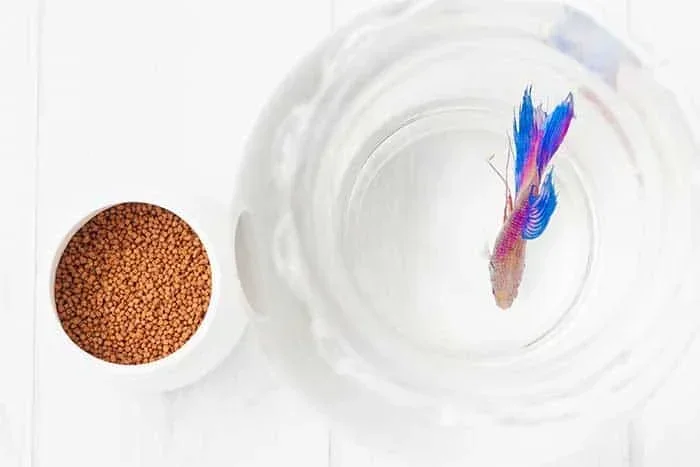
As your baby betta grows past the two-week mark, you can start offering high-quality betta pellets that have been finely crushed. Look for pellets specifically designed for bettas. Crush them into a powder or very small pieces before adding them to the tank. This ensures the fry can actually eat the food without struggling. You can also soak the pellets briefly to make them softer and easier to digest.
Infusoria and Liquid Fry Food
For the very youngest fry, infusoria and liquid fry foods work wonders. These are microscopic organisms and specially formulated liquids that provide nutrition for the tiniest betta fry. You can buy commercial liquid fry food or culture your own infusoria at home using a simple banana or lettuce culture. These foods are perfect for the first few days after hatching.
How Much Food Should You Give Each Feeding
Portion control is one of the most critical aspects of feeding baby betta fish. Because their stomachs are so small, even a tiny bit of extra food can cause problems. The general rule is simple: each feeding should be no more than what the fry can eat in two to three minutes. For newborn fry, this might mean just a few drops of liquid food or a small pinch of crushed pellets.
Overfeeding is one of the most common mistakes new betta keepers make. When you give too much food, the uneaten portions sink to the bottom and begin to decompose. This fouls the water quickly and can harm your delicate fry. Clean water is essential for baby bettas, and excess food directly threatens water quality. If you are ever unsure whether you have given enough, it is always better to give a little less than a little more.
If you want more detailed guidance on portion sizes for bettas at any age, check out our article on how much food should I feed my betta fish. It covers adult and juvenile portions in detail.
Creating the Perfect Feeding Schedule
Consistency is the backbone of a healthy feeding routine. Baby bettas thrive when they know when to expect their meals. A regular schedule helps regulate their metabolism, reduces stress, and makes it easier for you to monitor their appetite. Here is how to build a schedule that works.
Sample Daily Feeding Schedule for Newborn Fry
For the first two weeks, aim for feedings spread evenly throughout the day. A sample schedule might look like this:
- 7:00 AM: First feeding of liquid fry food or infusoria
- 10:00 AM: Second feeding of baby brine shrimp
- 1:00 PM: Third feeding of micro worms
- 4:00 PM: Fourth feeding of crushed pellets
- 7:00 PM: Final feeding of baby brine shrimp
This schedule gives the fry five small meals spread across the daylight hours. You can adjust the times to fit your own routine. The key is to keep the intervals as even as possible. As the fry grow, you can reduce the number of feedings and increase the portion sizes slightly.
Tips for Sticking to the Schedule
Sticking to a feeding schedule can feel tricky at first, especially if you work or have a busy life. Here are a few tips that make it easier. Set alarms on your phone for each feeding time. This sounds simple, but it works wonders. Use an automatic fish feeder if you need to step away for a few hours. And always prepare your food in advance so you are not scrambling when the alarm goes off. If you ever need to go on vacation, make sure you have a plan in place for feeding your baby betta while you are away.
Common Feeding Mistakes to Avoid
Even experienced fish keepers make mistakes when it comes to feeding baby bettas. The good news is that most of these errors are easy to avoid once you know what they are. Here are the most common feeding mistakes and how to fix them.
Overfeeding
This is the number one mistake people make with baby bettas. It is tempting to give more food because the fry seem hungry, but too much food is worse than too little. Overfeeding leads to dirty water, bloating, and even death in severe cases. Always feed small amounts and remove any uneaten food after a few minutes.
Feeding the Wrong Food Size
Baby bettas cannot eat regular-sized fish flakes or large pellets. The food must be small enough for their tiny mouths. If the food particles are too big, the fry will spit them out and go hungry. Always crush or grind food to the appropriate size for each growth stage.
Inconsistent Feeding Times
Irregular feeding schedules can stress baby bettas and slow their growth. Try to feed at the same times every day. If you miss a feeding, do not double up at the next one. Just pick up where you left off with the next scheduled meal.
Ignoring Water Quality
Food waste breaks down fast in a small fry tank. Poor water quality from overfeeding can cause infections and health problems in baby bettas. Do regular water changes and keep the tank clean. If you want tips on maintaining water quality for your betta setup, read our guide on how often should I feed my betta fish for advice that applies to all ages.
Not Adjusting the Diet as They Grow
A feeding routine that works for newborn fry will not be ideal for a four-week-old betta. As your fish grows, you need to adjust both the frequency and the type of food. Staying flexible and observant ensures your baby betta always gets what it needs at every stage of development.
Signs Your Baby Betta Fish Is Getting Enough Food
It is natural to worry about whether you are feeding your baby betta correctly. The good news is that baby bettas give clear signals when they are well-fed and healthy. Look for these positive signs to confirm your feeding routine is working.
A well-fed baby betta will have a solid, rounded body shape. The colors should be vibrant and the fins should be developing nicely. Active swimming behavior is another great indicator. If your fry are darting around the tank and eagerly coming to the surface at feeding time, they are getting enough food. You should also see steady growth over the weeks. A baby betta that is gaining size and developing its signature fins is on the right track.
On the other hand, watch for signs of underfeeding. If the fry seem lethargic, lose color, or are not growing, you may need to increase the frequency or portion size slightly. And if you notice your betta fish is not eating, that is a red flag that needs attention. Check the water quality first, then consider whether the food type or size might be the problem. Sometimes baby bettas simply need a different food to get excited about eating.
Remember, every baby betta is a little different. Some are big eaters from day one, while others take time to warm up to new foods. Patience and observation are your best tools. If you ever feel unsure about your betta’s health or feeding habits, do not hesitate to consult a trusted aquarium resource or experienced breeder for guidance.
Conclusion
Feeding your baby betta fish the right number of times each day does not have to be complicated. The key is to match the feeding frequency to your fish’s age, use the right food types, and keep portions small and consistent. From newborn fry needing five tiny meals a day to older baby bettas doing well with two or three feedings, the schedule evolves as your fish grows. By following the tips in this guide, you are giving your baby betta the best possible foundation for a long, healthy life. Keep observing your fish, stay consistent with the routine, and enjoy the rewarding journey of raising your little betta from fry to a beautiful adult fish.
Frequently Asked Questions
How many times a day should I feed my baby betta fish?
Newborn betta fry need to be fed up to five times a day, while older baby bettas between four and eight weeks old do well with two to three feedings daily. The exact frequency depends on the age and size of your fish. Always offer small portions that the fry can finish within a few minutes.
What is the best food for baby betta fish?
Baby brine shrimp, micro worms, finely crushed pellets, and liquid fry food are all excellent choices for baby bettas. The best food depends on the age of your fry. Newborns need microscopic foods like infusoria, while older fry can handle baby brine shrimp and crushed pellets. Rotate food types for balanced nutrition.
Can I feed my baby betta fish the same food as adult bettas?
Not exactly. Adult betta food is often too large for baby bettas to eat. You will need to crush pellets into a fine powder or choose specially formulated fry food. Baby bettas also need smaller, more frequent meals than adults. As your fish grows, you can gradually transition to adult foods.
How do I know if I am overfeeding my baby betta fish?
Signs of overfeeding include uneaten food sinking to the bottom, cloudy water shortly after feeding, and bloated or lethargic fry. If you notice any of these signs, reduce the portion size and clean up any leftover food immediately. Always feed only what the fry can consume in two to three minutes.
What should I do if my baby betta fish is not eating?
First, check the water quality, as poor conditions can suppress appetite in baby bettas. Next, try offering a different food type or size. Sometimes baby bettas simply need time to adjust to new foods. If the issue persists, consider whether the water temperature or stress levels might be affecting their appetite.
When can I start feeding my baby betta fish regular pellets?
You can start offering finely crushed pellets when your baby betta is about two to three weeks old. By four to five weeks, most baby bettas can handle small whole pellets. Gradually transition to regular-sized pellets as your fish grows and its mouth becomes large enough to handle them comfortably.