How Much Should Betta Fish Eat

How much should betta fish eat? The answer is surprisingly little. A healthy adult betta needs only 2-3 high-quality pellets or a tiny pinch of frozen food once or twice daily. Overfeeding is the #1 cause of betta health problems, leading to constipation, swim bladder issues, and toxic water. The key is consistency: feed an amount equal to the size of its eye, skip meals occasionally, and always remove uneaten food. Mastering this simple routine ensures a vibrant, long-lived companion.
You stand before your betta’s tank, a beautiful, flowing half-moon of color watching your every move. You sprinkle in a few flakes or a scoop of pellets, and they dart up, devouring every morsel with frantic energy. It feels good to feed them. But is it right? The single most frequent question new betta owners ask, and the one that causes the most harm when misunderstood, is: how much should betta fish eat? The answer is a masterclass in restraint, because for these magnificent little predators, less is almost always exponentially more.
Our instinct is to feed, to nurture. In the wild, a betta’s life is a cycle of scarcity and sudden, violent bounty—a mosquito larvae here, a tiny crustacean there. They are built to gorge when possible and then fast for days. In our aquariums, we offer abundant, easy food daily. This disconnect is the root of nearly every dietary problem. Overfeeding isn’t just overindulgence; it’s a slow poison that clouds water, clogs systems, and shortens the spectacular lifespan your betta deserves. Let’s dive deep into the science, the strategy, and the simple art of feeding your betta perfectly.
Key Takeaways
- Portion Size is Tiny: A betta’s stomach is roughly the size of its eye. Feed 2-3 premium pellets or a pinhead-sized amount of frozen food per meal.
- Frequency Matters: Feed adult bettas once or twice daily, skipping one day per week to aid digestion and mimic natural fasting periods.
- Overfeeding is Dangerous: Excess food decays, polluting water and causing constipation, swim bladder disorder, and organ strain—the most common betta health issues.
- Food Quality is Non-Negotiable: Use high-protein, betta-specific pellets or frozen foods (brine shrimp, daphnia). Avoid flakes and low-quality fillers.
- Observe and Adjust: Watch your betta eat. If food remains after 2-3 minutes, you’ve overfed. Adjust portions based on activity level and body condition.
- Fasting is Beneficial: A 24-hour fast once a week helps clear the digestive system and is a natural, healthy practice for captive bettas.
- Water Quality is Directly Linked: Uneaten food immediately deteriorates water quality. A clean tank is a direct result of proper feeding habits.
📑 Table of Contents
- Understanding the Betta’s Biology: A Predator’s Digestive System
- The Golden Rule: Determining the Perfect Portion Size
- Feeding Schedule & Frequency: Building a Healthy Routine
- Food Selection: Quality Over Quantity Every Time
- Common Feeding Mistakes and How to Fix Them
- Signs of Proper Nutrition and Health
- Conclusion: The Power of Restraint
Understanding the Betta’s Biology: A Predator’s Digestive System
To understand how much should betta fish eat, you must first understand what a betta is. The Siamese fighting fish is a member of the gourami family, and like its relatives, it has a specialized digestive tract. It is a carnivore by nature. Its short, straight intestine is designed for processing protein and fat, not plant matter or carbohydrates. This anatomical fact is the cornerstone of proper nutrition.
The “Eye-Size” Stomach: Nature’s Measuring Cup
This is the golden rule, the mantra every betta keeper should know: A betta’s stomach is approximately the size of its eye. It’s not a rough estimate; it’s a biological reality. That tiny, bead-like organ can only hold a minuscule volume of food. When you pour in a pinch of flakes that clouds the water, you are not feeding your betta—you are poisoning its environment and forcing its system to process an impossible load. Visualize that eye-sized capacity every single time you feed. It transforms the abstract question of “how much” into a concrete, visual measurement you can’t miss.
Metabolism of a Micro-Predator
Bettas are not high-octane, constant-swimming fish like some tetras or barbs. They are ambush predators. In the wild, they conserve energy, hovering near the surface or among plants, then explode with short bursts of speed to capture prey. This translates to a relatively slow metabolism in captivity. They do not require constant fuel. In fact, their systems thrive on periods of rest. This is why frequent, small meals are far superior to one large daily serving. It aligns with their natural feeding rhythm and prevents the digestive system from becoming overwhelmed.
The Golden Rule: Determining the Perfect Portion Size
So, we know the stomach is eye-sized. But what does that look like with actual food? This is where precision meets practicality. The perfect portion depends entirely on the type of food you choose.
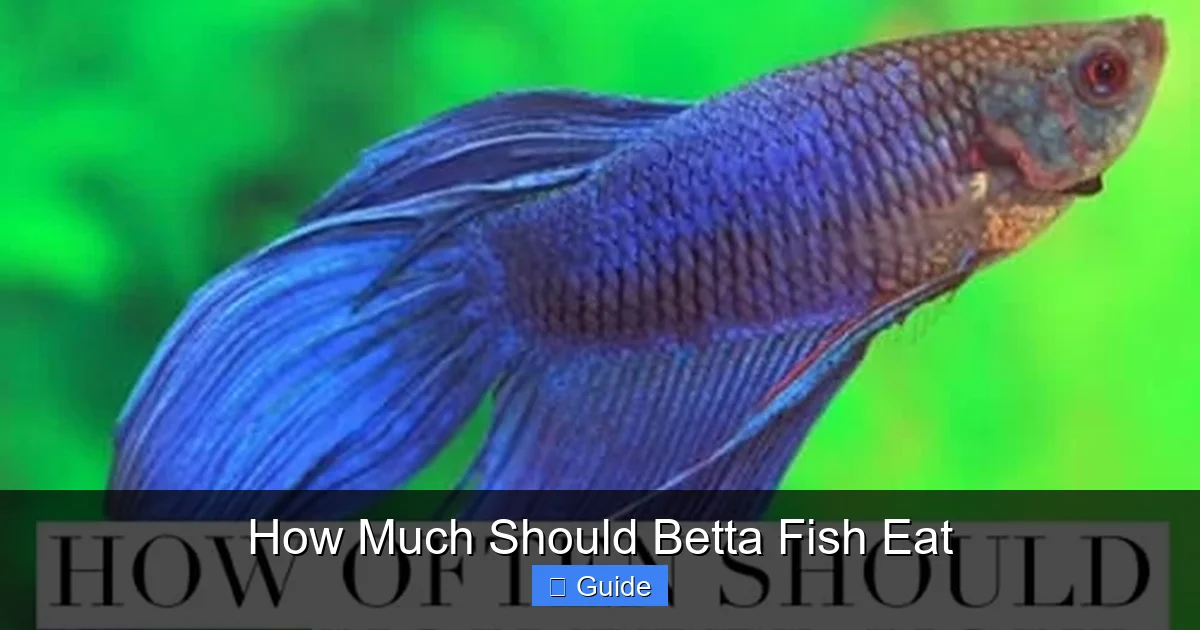
Visual guide about How Much Should Betta Fish Eat
Image source: japanesefightingfish.org
For High-Quality Pellets: The 2-3 Pellet Rule
Premium betta pellets are the staple of a good diet. They are nutritionally complete, sink slowly (betticas are surface feeders), and are easy to portion. For a standard adult betta, 2 to 3 pellets per feeding is the absolute maximum. Use your fingers to pinch them out of the container. If you’re feeding twice a day, that’s 4-6 pellets total. For a younger, rapidly growing betta or a particularly large male, you might edge toward 4 pellets once a day. But start with 2. You can always offer a tiny bit more if they seem genuinely still hungry after a few minutes (they rarely are).
Pro Tip: Not all pellets are created equal. Look for pellets where the first two ingredients are whole fish or shrimp (e.g., krill meal, salmon, shrimp). Avoid pellets with wheat flour, corn, or soybean meal as primary ingredients—these are fillers that pass through undigested and foul the water.
For Frozen or Live Foods: The “Pinch” Method
Frozen foods like brine shrimp, daphnia, or bloodworms are fantastic supplements. They are closer to a betta’s natural diet. However, they are also less dense in nutrients per volume than pellets, and it’s incredibly easy to overdo it. The rule here is a “pinch” no larger than the head of a pin for a single betta. Use a toothpick or your thumbnail to scoop a minuscule amount from the frozen block. Thaw it in a small cup of tank water first, then use a pipette or spoon to deliver just that tiny amount. If you see any debris floating after a minute, you’ve given too much.
Why the extreme caution? Live and frozen foods are rich and can cause digestive upset if overfed. They also introduce more organic waste into the system. They should be treats, not staples—offered 1-2 times a week, not daily.
For Flakes: A Last Resort
General tropical flakes are not recommended for bettas. They are typically plant-based, low in protein, and designed for mid-level swimmers. Betttas often ignore them, and if they do eat, they receive poor nutrition. If you must use them, choose a brand specifically formulated for bettas, and still adhere to the eye-sized portion rule, crumbling a tiny flake into the water. But switching to pellets is one of the best upgrades you can make for your betta’s health.
Feeding Schedule & Frequency: Building a Healthy Routine
Consistency is a comfort to fish. A predictable schedule reduces stress and allows their digestive system to operate on a reliable cycle. But what does that schedule look like?
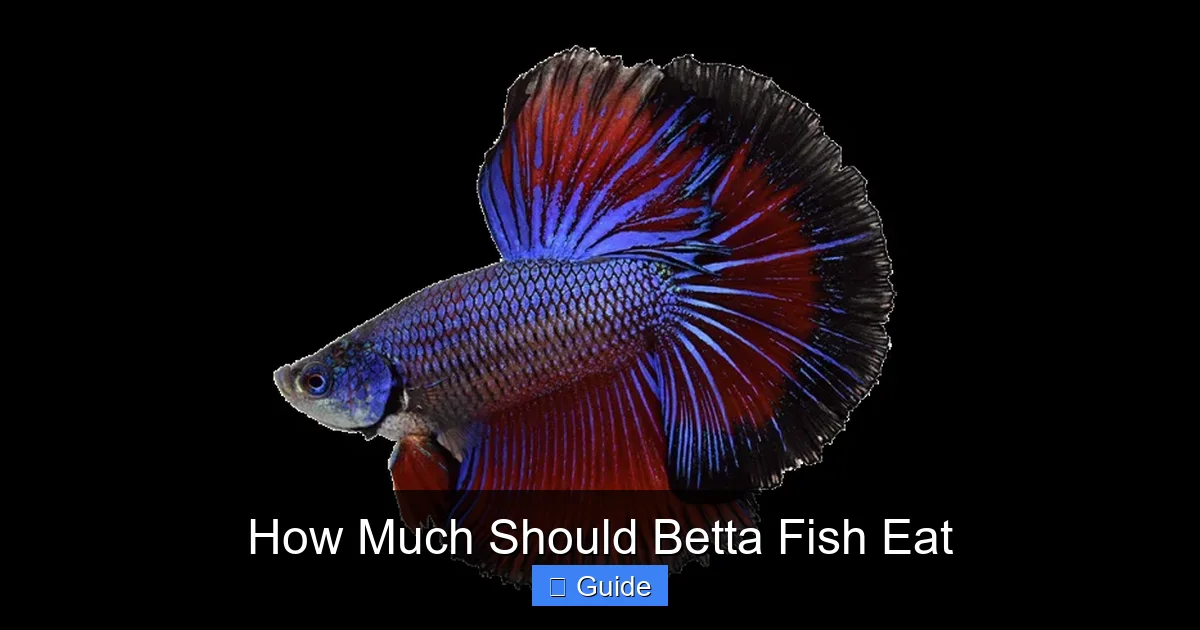
Visual guide about How Much Should Betta Fish Eat
Image source: hibetta.com
The Standard Adult Schedule: Once or Twice Daily
For a healthy adult betta (over 6 months old), once-daily feeding is perfectly sufficient and often ideal. It mimics the natural feast-or-famine cycle and is nearly impossible to overfeed if the portion is correct. Many experienced keepers prefer this simple routine. If you choose to feed twice a day, ensure each meal is very small—perhaps just 1-2 pellets in the morning and 1-2 in the evening. The goal is a total daily intake equal to 3-4 pellets, not 6-8.
The Importance of a Weekly Fast
This is a non-negotiable practice for long-term betta health. Skip one full day of feeding every 7-10 days. This 24-hour fast allows the digestive tract to fully clear itself. It helps prevent constipation, a common precursor to swim bladder disorder. It also gives the betta’s internal organs a brief rest. In the wild, a betta might easily go 2-3 days without a successful hunt. A single fast per week is not deprivation; it is essential maintenance. Your betta will be fine and will likely be more enthusiastic at the next meal.
Special Considerations: Juveniles and Seniors
Fry and Juveniles (under 6 months): Growing bettas need more frequent, protein-rich meals for development. Feed small amounts 2-3 times daily, but still keep portions tiny—think 1-2 baby-sized pellets or a microscopic amount of infusoria or freshly hatched brine shrimp per feeding. Their stomachs are even smaller relative to their body size.
Senior Bettas (3+ years): Metabolism slows with age. You may need to reduce portion size slightly and ensure food is very easy to digest. Soaking pellets in water for a minute before feeding can make them softer. Continue the weekly fast.
Food Selection: Quality Over Quantity Every Time
The question of how much should betta fish eat is inseparable from what they eat. You cannot feed garbage, even in tiny amounts, and expect vibrant health. Nutrition is cumulative.
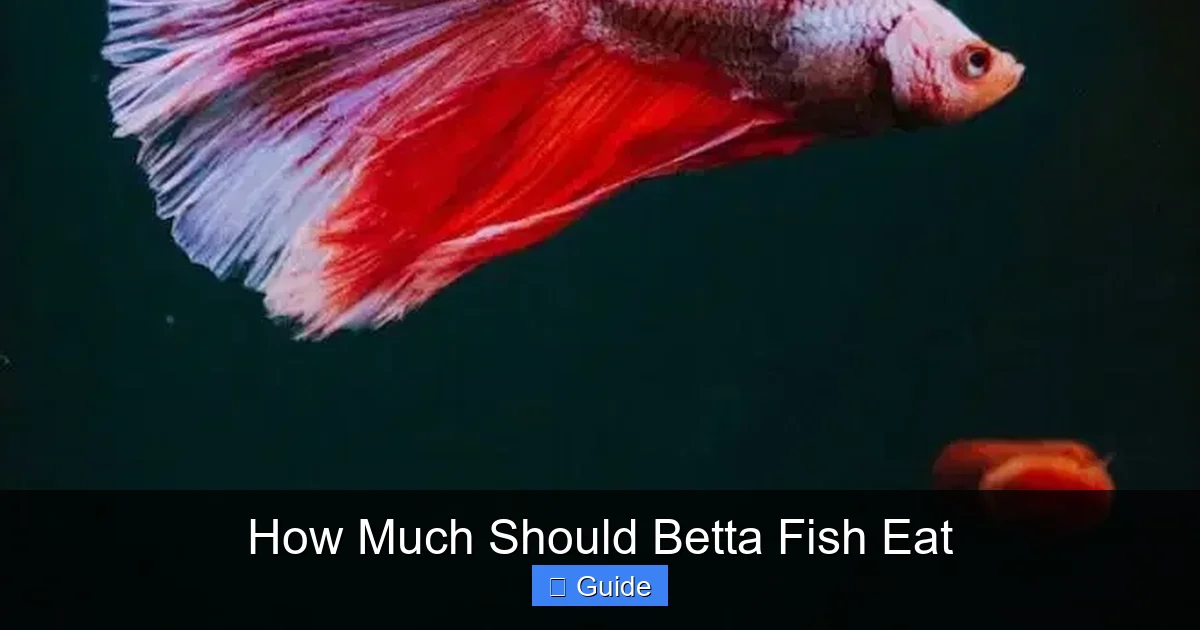
Visual guide about How Much Should Betta Fish Eat
Image source: images.petpress.net
The Staple: Premium Betta Pellets
Your betta’s diet should be 80-90% a high-quality, nutritionally complete pellet. Look for these key traits:
- High Protein Content: Aim for 40%+ protein from animal sources.
- Small, Slow-Sinking Size: Pellets should be 1mm or smaller. They should sink slowly, allowing your betta to grab them at the surface.
- Clean Ingredients: Whole fish/shrimp at the top of the list, minimal fillers like wheat or soy.
- Brands to Research: Hikari Betta Bio-Gold, New Life Spectrum Betta, Fluval Bug Bites (for insect protein) are excellent starting points.
The Treats: Frozen & Live Foods
These add variety, mental stimulation (hunting behavior), and different nutrients. The best options are:
- Brine Shrimp (Artemia): The gold standard. Easy to digest, great for conditioning.
- Daphnia: Tiny water fleas. Excellent for fiber and aiding digestion, often used to relieve constipation.
- Bloodworms: A rich treat. Use very sparingly (once a week max) as they are fatty and can cause issues if overfed.
Never feed live foods from unknown sources (risk of parasites) or gut-loaded (pre-fed) foods that are too large. Always thaw frozen foods in a cup of tank water.
What to Avoid Like the Plague
- Generic Flakes: Nutritionally inadequate.
- Bread, peas, or human food: Bettas cannot digest carbohydrates. Peas are sometimes suggested for constipation in other fish (like goldfish), but they are not natural for bettas and can worsen issues.
- Freeze-Dried Foods Exclusively: They lack moisture and can cause bloating. If used, always pre-soak.
- Feeder Fish: Risk of disease, injury, and parasites is far too high.
Common Feeding Mistakes and How to Fix Them
Even with the best intentions, mistakes happen. Recognizing and correcting them is crucial.
Mistake #1: The “Scatter and Hope” Method
Dumping a pinch of food from a height and walking away is a recipe for disaster. You have no control over who gets what, and excess food sinks into the substrate or gets trapped in decorations, decaying unseen.
The Fix: Use a feeding wand (a chopstick with a clip) or your fingers to hold a pellet just at the surface. Let your betta come up and take it directly. This allows you to count the pellets, ensures they eat it, and prevents waste. For frozen food, use a turkey baster or small spoon to target-feed.
Mistake #2: Ignoring Leftovers
That one or two pellets that sink to the bottom? They must go. Within an hour, they begin to break down, releasing ammonia. In a small betta tank, this spike is immediate and dangerous.
The Fix: Always use a net or siphon to remove any uneaten food within 5 minutes of feeding. This is non-negotiable tank maintenance tied directly to feeding.
Mistake #3: Feeding on a Rigid Clock
While routine is good, feeding at 7:00 AM and 7:00 PM regardless of your betta’s activity can lead to overfeeding. Is your betta sleeping at the top when you “should” feed? Skip it.
The Fix: Feed when your betta is active and alert, typically during daylight hours. If they are resting, don’t disturb them for food. Their appetite can vary with temperature and mood.
Mistake #4: Using Food as a Cure-All
Is your betta lethargic? “Maybe it’s hungry!” Is it clamped? “I’ll feed it more!” This is dangerous thinking. Loss of appetite is a symptom of a problem (water quality, disease, stress), not the problem itself. Force-feeding a sick fish often makes it worse.
The Fix: If your betta consistently ignores food for more than 2-3 days, investigate water parameters first (test for ammonia, nitrite, nitrate, pH). Then look for signs of disease. Consult a vet or reputable forum before attempting any treatment.
Signs of Proper Nutrition and Health
When you get how much should betta fish eat exactly right, your betta will show it. These are the visual markers of a well-fed, healthy fish:
The Ideal Physical Condition
- Body Shape: A healthy betta has a streamlined, athletic shape. It is not emaciated (sunken belly, pinched forebody) nor is it overweight (rounded, “blimp-like” body, especially near the vent). You should see a gentle tapering from the gill plate to the tail base.
- Fin Condition: Fins are fully extended, flowing, and undamaged. No rips, holes, or clamping (fins held tightly to the body).
- Vibrant Color: Colors are sharp, deep, and iridescent. Dull, faded coloration is often a sign of stress or poor nutrition.
The Ideal Behavior
- Active Curiosity: Your betta explores its environment, flares at its reflection (a sign of vitality), and greets you at the glass.
- Eager but Controlled Eating: It recognizes feeding time and comes promptly, but eats its small portion calmly without frantic, desperate energy (which can indicate chronic underfeeding or stress).
- Regular, Healthy Bowel Movements: You should see small, dark (matching the food color) feces trailing briefly behind the fish. Long, stringy, white, or clear feces are signs of constipation or internal infection.
If your betta displays all these signs, you have mastered its diet. If not, revisit your portion sizes and food quality first before assuming a deeper illness.
Conclusion: The Power of Restraint
The journey to answering how much should betta fish eat ultimately leads to one profound truth: the most powerful tool in your betta-keeping arsenal is a closed fist. That pinch of food you decide not to give is more valuable than the one you do. By embracing the betta’s natural biology—its tiny stomach, its carnivorous gut, its feast-or-famine metabolism—you move from being a well-meaning feeder to a true steward of its health.
Remember the eye-sized stomach. Remember the weekly fast. Remember to remove every last crumb. Choose a nutrient-dense pellet and use it as the foundation. Treat with frozen foods sparingly. Observe your fish daily; it will tell you everything you need to know. This disciplined, minimalist approach to feeding is the secret that separates the betta keepers who enjoy vibrant, active companions for 5+ years from those who wonder why their fish is always sick. It’s not about giving more. It’s about giving precisely right. Your betta’s brilliant colors, flowing fins, and playful personality are the direct reward for your restraint.
Frequently Asked Questions
How long can a betta fish go without food?
A healthy adult betta can easily go 7-10 days without food, and this is often recommended as a “fast” to aid digestion. However, this is not a routine. In a well-maintained tank with stable water, skipping one day per week is ideal. Never intentionally withhold food for longer than 3 days unless under veterinary guidance for a specific medical issue like constipation.
Can I feed my betta only once a day?
Yes, absolutely. Feeding once a day is a perfectly healthy and often preferred routine for adult bettas. It provides adequate nutrition while making it nearly impossible to overfeed if you stick to the 2-3 pellet rule. This single daily meal aligns well with their natural feeding patterns.
Are betta flakes okay to feed?
While betta-specific flakes exist, they are generally inferior to pellets. Pellets are easier to portion, sink slower (better for surface feeders), and typically contain higher quality protein. If you use flakes, ensure they are a reputable betta brand, and use the same eye-sized portion rule, crumbling a tiny amount. Consider switching to pellets for better long-term health.
How do I know if I’m overfeeding my betta?
Clear signs include: uneaten food floating or sinking after 2-3 minutes, a visibly bloated or constipated body (often with a “pinecone” scale appearance), cloudy water shortly after feeding, and frequent occurrences of swim bladder disorder (difficulty swimming upright). If you see any of these, immediately reduce portion size and consider a 3-day fast.
What are the best treats for a betta fish?
The best treats are high-protein, easily digestible frozen foods. The top choices are brine shrimp (great for general conditioning) and daphnia (excellent for providing fiber and relieving constipation). Bloodworms are a rich treat but should be limited to once a week due to high fat content. Always thaw frozen treats in tank water first.
Should I feed my betta live food?
Live food (like live brine shrimp or microworms) can be an excellent stimulant and provides great nutrition. However, it carries significant risks: parasites, pesticides from the culture, and the potential for the live prey to injure your betta. If you choose to use live food, only source it from a trusted, clean culture. For most owners, high-quality frozen foods are a safer, equally nutritious alternative.