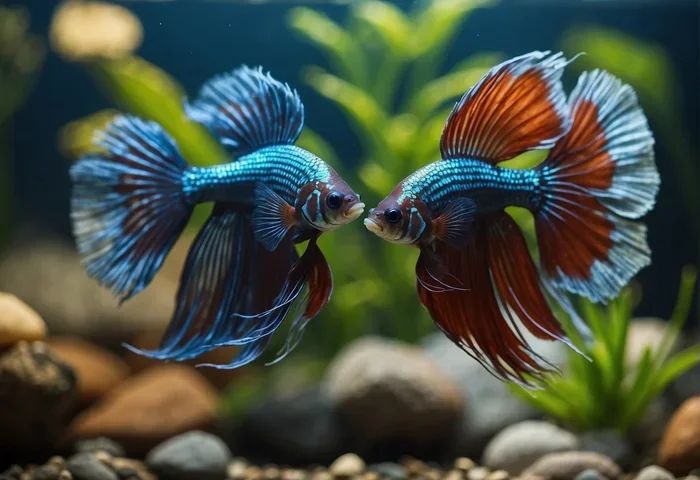
Are Female Betta Fish Aggressive to Other Fish

Female betta fish can be aggressive to other fish, but they are generally much less hostile than males. Understanding female betta fish behavior helps you create a peaceful community tank. With the right setup, tank mates, and environment, your female betta can live happily alongside other species.
Are female betta fish aggressive to other fish? The short answer is: it depends. Female betta fish are generally much calmer than their male counterparts, but they are not completely peaceful by any means. Every betta has a personality, and some females can be surprisingly feisty.
Many fish keepers assume that because female bettas are sold as “community fish,” they will get along with everyone. That is not always true. Understanding female betta fish behavior is the first step toward building a harmonious aquarium. In this guide, we will cover everything you need to know about aggression, tank mates, and how to keep your female betta happy.
If you are thinking about adding a female betta to your tank or already have one, this article will help you make smart decisions. Let us dive in and explore the world of female betta temperament and compatibility.
Key Takeaways
- Female bettas are less aggressive: They are significantly calmer than males and can coexist with other fish under the right conditions.
- Aggression triggers exist: Overcrowding, lack of hiding spots, and competition for food can spark fights.
- Tank setup matters: A well-planned aquarium with plants and caves reduces stress and territorial behavior.
- Choose compatible tank mates: Peaceful species like tetras and corydoras make excellent companions for female bettas.
- Monitor behavior closely: Watch for signs of aggression early and separate fish if needed to prevent injury.
- Female bettas have personalities: Each fish has a unique temperament, so individual observation is key.
📑 Table of Contents
- Understanding Female Betta Fish Behavior
- Are Female Betta Fish More Aggressive Than Males?
- Best Tank Mates for Female Betta Fish
- How to Set Up a Peaceful Community Tank
- Signs of Aggression in Female Betta Fish
- Can You Keep Multiple Female Bettas Together?
- Common Mistakes That Cause Aggression
- Final Thoughts
Understanding Female Betta Fish Behavior
Female bettas are often described as less aggressive than males, but that does not mean they are pushovers. They still have natural instincts that can lead to conflict. Knowing what drives their behavior helps you prevent problems before they start.
What Makes Female Bettas Aggressive?
Several factors can trigger aggression in female bettas. Understanding these triggers is essential for any fish keeper.
- Territory: Female bettas defend spaces they consider their own. This includes favorite hiding spots, plants, and even sections of the tank.
- Competition: When multiple females are in the same tank, they may compete for food, territory, and dominance.
- Stress: Poor water quality, loud noises, and bright lights can make any fish irritable and more likely to lash out.
- Hunger: An underfed betta may become more territorial and snap at tank mates during feeding time.
Recognizing these triggers early gives you the power to adjust the tank environment and reduce conflict. A calm betta is a healthy betta.
Female Betta Temperament: What to Expect
Every female betta is different. Some are shy and hide behind plants all day. Others are bold and swim right up to the glass. Female betta personality varies widely from fish to fish.
In a female betta sorority tank (a tank with multiple females), you will usually see a hierarchy form. One fish may become the “alpha” while others submit. This is normal behavior, but it can sometimes lead to chasing or nipping. The key is to watch for signs that things are getting out of hand.
If you are new to keeping bettas, start by observing your fish for a few days before introducing any tank mates. This gives you a clear picture of your betta’s natural disposition.
Are Female Betta Fish More Aggressive Than Males?
This is one of the most common questions among fish keepers. The answer is nuanced. Male bettas are famously aggressive toward each other and toward bright, colorful fish that resemble rivals. Females, on the other hand, are generally more tolerant.
However, female bettas can still be aggressive to other fish, especially when they feel threatened or crowded. Are male betta fish more aggressive than females? Yes, typically. Males have longer fins, brighter colors, and stronger territorial instincts. But that does not mean females are harmless.
Here is a quick comparison of aggression levels between male and female bettas:
- Male bettas: Highly aggressive toward other males. Will flare, chase, and fight to the death. Should never be housed together.
- Female bettas: Moderately aggressive. Can live in groups with proper setup. May show aggression toward tank mates that are too colorful or fin-nippy.
- Both sexes: Can become aggressive if the tank is too small, overcrowded, or lacks hiding places.
The bottom line is that female bettas are far easier to keep in a community setting than males. But they still need careful management to ensure everyone gets along.
Best Tank Mates for Female Betta Fish
Choosing the right tank mates is one of the most important decisions you will make. Not all fish can live peacefully with a female betta. Some species are too nippy, too fast, or too similar in appearance, which can trigger aggression.
Fish That Go Well With Female Bettas
Peaceful, non-fin-nipping species are the best choices. These fish are unlikely to bother your betta or trigger territorial behavior.
- Corydoras catfish: Bottom-dwellers that mind their own business and help clean the tank.
- Neon tetras: Small, peaceful, and fast enough to avoid any chasing from your betta.
- Harlequin rasboras: Schooling fish that stay in the middle of the tank and are very calm.
- Pygmy corydoras: Tiny and peaceful, perfect for smaller tanks.
- Kuhli loaches: Eel-like fish that stay hidden during the day and are very non-confrontational.
Before adding any new fish, research their water parameter requirements. Your betta and its tank mates need similar conditions to thrive together.
Fish to Avoid With Female Bettas
Some fish are simply not compatible with female bettas. Avoid these species to prevent fights and stress.
- Goldfish: Too large, produce too much waste, and prefer cooler water than bettas need.
- Guppies: Their bright colors and flowing fins can trigger your betta’s territorial instincts.
- Other bettas: Even females can fight, especially in small tanks without enough space and hiding spots.
- Fin-nippers like tiger barbs: These fish will nip at your betta’s fins, causing stress and potential infection.
If you are unsure about a specific fish, always research compatibility before making a purchase. A few minutes of homework can save you from a tank full of stressed fish.
How to Set Up a Peaceful Community Tank
A good tank setup can make or break the peace in your aquarium. The environment plays a huge role in how your female betta interacts with other fish. A well-designed tank reduces stress and gives every fish its own space.
Tank Size Matters
The minimum tank size for a female betta with tank mates is 20 gallons. A larger tank gives everyone more room to swim and reduces territorial disputes. In a small tank, fish have nowhere to escape, which leads to constant confrontation.
Here are some general guidelines for tank size:
- 10 gallons: Only suitable for a single female betta with no tank mates.
- 20 gallons: The sweet spot for a female betta with a small group of peaceful community fish.
- 30+ gallons: Ideal for a sorority tank with multiple females and a variety of species.
Plants and Hiding Spots
Live plants are your best friend when keeping a community tank with female bettas. They break up lines of sight, create hiding spots, and make the environment feel natural and secure.
Good plant choices include:
- Java moss
- Amazon sword plants
- Anubias
- Java fern
- Cryptocoryne
Adding caves, driftwood, and decorations also helps. Each fish needs a place to retreat to when it feels overwhelmed. This simple step can dramatically reduce aggression and keep your tank peaceful.
Water Parameters and Maintenance
Clean, stable water keeps all fish healthy and less prone to aggression. Female bettas thrive in warm water between 76 and 82 degrees Fahrenheit. The pH should be between 6.5 and 7.5.
Regular water changes (25 to 30 percent weekly) and a good filter are essential. Stale, dirty water causes stress, and stressed fish are aggressive fish. Keep your tank maintenance routine consistent, and your community will thank you for it.
Signs of Aggression in Female Betta Fish
Knowing the warning signs of aggression helps you intervene before anyone gets hurt. Female bettas communicate through body language, and learning to read these signals is a valuable skill.
Common Aggression Signs
- Flaring: Your betta spreads its gills and fins to look larger. This is a warning signal.
- Chasing: If your betta relentlessly pursues another fish, it has claimed that fish as a threat.
- Nipping: Biting at fins or tails of other fish is a clear sign of territorial behavior.
- Color darkening: A betta that becomes pale or dark may be stressed or preparing for a confrontation.
- Locking jaws: Two fish gripping each other in a headlock is a serious fight that needs immediate intervention.
If you notice any of these signs, separate the aggressive fish immediately. A small quarantine tank is a great tool to have on hand for these situations.
Can You Keep Multiple Female Bettas Together?
Yes, you can keep multiple female bettas together, but it requires careful planning. A group of four to six females is often recommended because it diffuses aggression. When there are many fish, no single fish becomes the sole target of bullying.
This setup is called a female betta sorority tank. It can be incredibly rewarding to watch, but it is not without risks. Even in a well-planned sorority, there will be some chasing and hierarchy establishing. This is normal and usually settles down within a few days.
If you are considering a sorority tank, make sure you have enough space, plenty of hiding spots, and a consistent feeding routine. Feed all fish at the same time but spread food across the tank so no single fish controls all the resources.
For more details on keeping multiple females together, check out our guide on Can Female Betta Live With Other Fish for in-depth tips and strategies.
Common Mistakes That Cause Aggression
Many fish keepers accidentally trigger aggression in their female bettas without realizing it. Avoiding these common mistakes can save you a lot of trouble.
- Overcrowding the tank: Too many fish in a small space leads to constant territorial disputes.
- Lack of hiding spots: Fish that cannot escape a bully will become stressed and may fight back.
- Inconsistent feeding: Feeding at different times or in the same spot creates competition and aggression.
- Bright, flashy tank mates: Fish that resemble bettas in color or fin shape can trigger territorial responses.
- Ignoring early warning signs: Small nips and flaring can escalate quickly if not addressed.
Being proactive about these issues keeps your tank peaceful and your fish healthy. A little prevention goes a long way.
Final Thoughts
So, are female betta fish aggressive to other fish? The answer is that they can be, but they are generally much more peaceful than male bettas. With the right tank setup, compatible tank mates, and a little observation, your female betta can live a happy and harmonious life in a community aquarium.
Remember that every fish has its own personality. Some females will be calm and social, while others may be more territorial. The key is to watch your fish, respond to their needs, and make adjustments when necessary. Keeping a community tank with a female betta is a rewarding experience that brings beauty and life to your home.
Start with a well-planned tank, choose peaceful companions, and enjoy the fascinating world of female betta fish keeping. Your fish will thank you for it.
Frequently Asked Questions
Are female betta fish aggressive to other fish?
Female betta fish can be aggressive, but they are generally much less hostile than males. Their aggression depends on factors like tank size, tank mates, and individual personality. With proper setup and compatible companions, most female bettas live peacefully with other fish.
Can female bettas live with other fish in a community tank?
Yes, female bettas can live in a community tank with peaceful species. Choose tank mates that are calm, non-fin-nipping, and similar in size. Good options include corydoras, tetras, and rasboras. Always monitor behavior when introducing new fish to the tank.
Why is my female betta chasing other fish?
Chasing usually signals territorial behavior or stress. Your betta may feel its space is being invaded or may be competing for food. Adding more hiding spots, increasing tank size, or adjusting the feeding routine can help reduce chasing behavior.
How many female bettas can you keep together?
A group of four to six females works best in a sorority tank. This number distributes aggression and prevents one fish from becoming the constant target. Ensure the tank is at least 20 gallons with plenty of plants and hiding spots.
What fish should you not keep with a female betta?
Avoid keeping female bettas with aggressive species, fin-nippers like tiger barbs, bright flashy fish like guppies, and cold-water fish like goldfish. These combinations often lead to stress, fighting, and health problems for your betta.
How can I reduce aggression in my female betta?
Reduce aggression by providing a large tank with plenty of plants and hiding spots, feeding a consistent diet at regular times, and choosing peaceful tank mates. A well-maintained, stress-free environment keeps your female betta calm and healthy.