Where Can I Sell My Betta Fish
Selling a betta fish requires careful planning to ensure the fish’s welfare and legal compliance. The best avenues are ethical and targeted, such as reputable local fish clubs, specialized online betta communities, or dedicated aquarium marketplaces. Always prioritize vetting potential buyers to avoid neglectful homes, and never sell to big-box pet stores or through unvetted general classifieds. Proper packaging for shipping and transparent communication about your fish’s needs are non-negotiable for a successful, humane rehoming.
Key Takeaways
- Ethical Selling is Paramount: Your primary goal is finding a responsible, knowledgeable home, not just making a sale. Vet buyers thoroughly.
- Avoid Big-Box Pet Stores: These stores often provide poor conditions and are not a humane option for your individual betta’s future.
- Local Fish Clubs Are Ideal: They connect you with passionate, experienced hobbyists who provide excellent care and often facilitate direct pick-ups.
- Specialized Online Forums/Marketplaces Win: Platforms like dedicated betta forums or aquarium-specific sites attract serious enthusiasts, unlike general classifieds.
- Shipping Requires Precision: If shipping, use proper live-animal packaging, choose fast overnight services, and ship only during mild weather to ensure safety.
- Transparency Builds Trust: Honestly disclose your betta’s health history, temperament, and care requirements to attract the right kind of buyer.
- Know Your Local Laws: Some states or countries have regulations regarding selling live animals; always check local ordinances first.
📑 Table of Contents
- So, You Need to Sell Your Betta Fish: A Journey of Responsibility
- The Non-Negotiables: Ethics, Legality, and Your Betta’s Welfare
- The Gold Standard: Local Fish Clubs and Specialty Stores
- The Digital Frontier: Online Marketplaces Done Right
- The Logistics: How to Safely and Successfully Ship a Betta Fish
- Pricing Your Betta: Value, Cost, and the “Rehoming Fee”
- Conclusion: Your Betta’s Second Chance Starts With You
So, You Need to Sell Your Betta Fish: A Journey of Responsibility
Let’s be real for a moment. Deciding to sell your betta fish isn’t usually a happy, spontaneous choice. Maybe your beautiful half-moon has outgrown his solo tank and you’re upgrading to a community setup. Perhaps you’re moving across the country and the logistics feel impossible. Or, in a more common scenario, your single betta surprise-bred, and now you have a dozen tiny, hungry fry looking at you with their big, pleading eyes. Whatever the reason, that little fish with the big personality has been part of your life. Now, you’re faced with the task of finding him a new home. This isn’t about just getting rid of a pet; it’s about responsible rehoming. Where you choose to sell your betta fish directly impacts his future health, happiness, and even his lifespan. The wrong buyer can mean a life of isolation in a dirty cup or, worse. The right buyer means a thriving, interactive life in a well-researched, planted tank. So, take a deep breath. We’re going to navigate this together, focusing on ethical, effective, and legal ways to find your betta the five-star home he deserves.
The world of selling pets, especially fish, can be a bit of a Wild West. You have the obvious, heartbreaking choices like dumping him back at the big-box store (please don’t). You have the risky, anonymous world of general online classifieds. And then you have the nuanced, community-driven avenues that are truly the gold standard for betta rehoming. This guide will walk you through every option, from the stellar to the terrible, arming you with the knowledge to make a choice you can feel good about. Your betta’s future is in your hands right now. Let’s make it a bright one.
The Non-Negotiables: Ethics, Legality, and Your Betta’s Welfare
Before we even dive into the “where,” we must establish the “how” and “why.” Selling a living creature carries a profound responsibility. The legal landscape varies wildly by state, province, and country, but the ethical baseline is universal: do no harm. Many jurisdictions have specific laws about selling live animals, often requiring permits for breeding and selling, or setting age minimums for buyers. A quick search for “[Your State/Country] live animal sale laws” is a crucial first step. Ignorance is not an excuse, and violating these laws can lead to fines or worse.
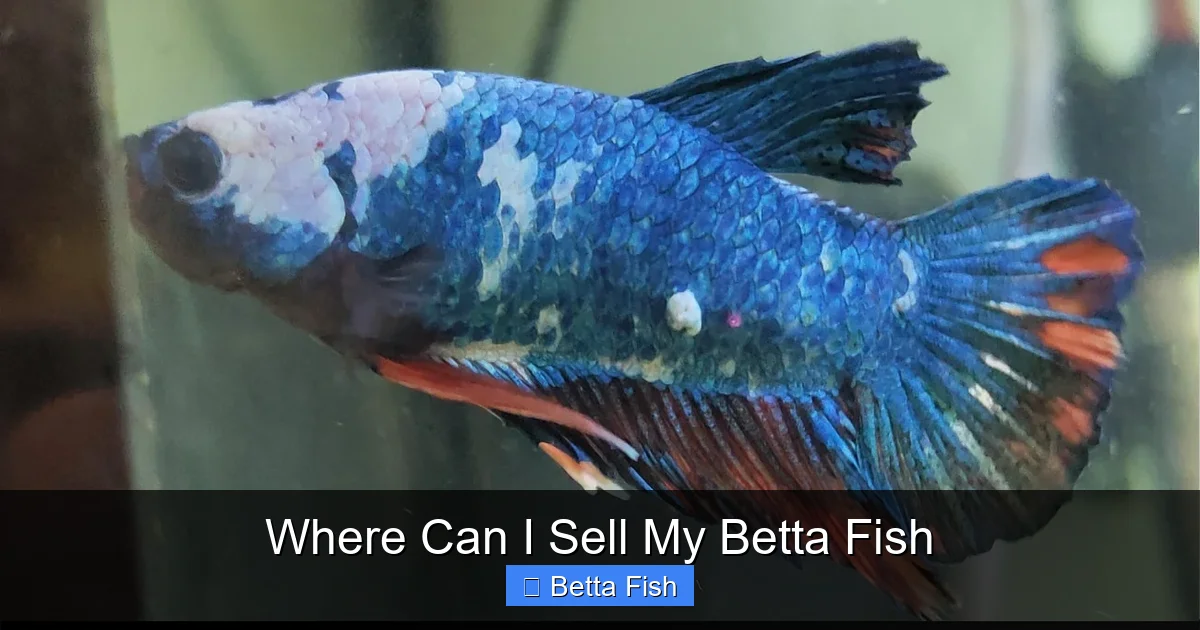
Visual guide about Where Can I Sell My Betta Fish
Image source: buildyouraquarium.com
The Golden Rule: Vet Your Buyer Like a Future Roommate
Think of this as an adoption, not a transaction. You are entrusting a life to a stranger. Your screening process should be more thorough than you might think. A good buyer will welcome your questions. Ask them:
- “Can you describe the tank setup you have ready for my betta?” Look for answers mentioning a minimum of 5 gallons (10+ is ideal), a heater, a filter (or frequent water changes), a secure lid (they jump!), and live or silk plants for resting.
- “What is your experience with betta fish?” A complete beginner isn’t automatically disqualified, but they should demonstrate they’ve done recent, specific research beyond “they can live in a vase.”
- “What is your plan for water changes and tank maintenance?” Weekly 25-50% water changes with a dechlorinator are the bare minimum.
- “Do you have a quarantine tank?” This shows advanced knowledge and a commitment to disease prevention, a huge green flag.
- “What other fish will he be with?” If they mention a community tank, probe about tank mates. No gouramis, other bettas, or long-finned fish. Good candidates include small, fast schooling fish like neon tetras (in a properly sized group) or bottom dwellers like Corydoras catfish.
If a potential buyer balks at these questions or gives vague, incorrect answers (“Oh, I have a little bowl with a plant”), this is your sign to walk away. No amount of money is worth condemning your betta to a slow, stressful death. This vetting process is your single most important ethical duty.
The Absolute “Do Not Sell” List
There are places and practices that are unequivocally harmful. Cross them off your list immediately:
- Big-Box Pet Stores (Petco, PetSmart, etc.): This is the most common suggestion people give, and it is the worst. Store conditions for bettas are notoriously poor—small, dirty cups, cold water, no heat. Your betta will be stressed, susceptible to disease, and likely sold as a “disposable” pet to a child with a bowl. You have zero control over the final buyer. This is not rehoming; it is abandonment.
- General Classifieds (Craigslist, Facebook Marketplace, OfferUp) Without Extreme Caution: These platforms are a minefield. You will attract everyone from serious hobbyists to people looking for a cheap “decoration” for a child’s room or a party gag. If you use them, you must implement the vetting process above religiously and be prepared to decline 90% of inquiries. List the price as “Free to a good home” or a modest rehoming fee ($5-$20) to deter flippers and those seeking a cheap pet. Never use the term “sell” here; frame it as “rehoming.”
- Live Animal Auctions: These are commercial enterprises focused on profit, not welfare. Bettas are often sold in bulk as “feeder fish” or to unknown, unvetted buyers. Avoid entirely.
- Flushing or “Releasing”: This should go without saying, but flushing a live fish is a cruel, torturous death. Releasing a domesticated betta into local waterways is an ecological disaster. They are invasive, will outcompete native species, and carry diseases. This is illegal in most places and morally reprehensible.
The Gold Standard: Local Fish Clubs and Specialty Stores
If you have a thriving local aquarium community, this is your first and best destination. Local fish clubs (LFCs) are organizations of passionate, knowledgeable hobbyists. They are the antithesis of the big-box store experience.
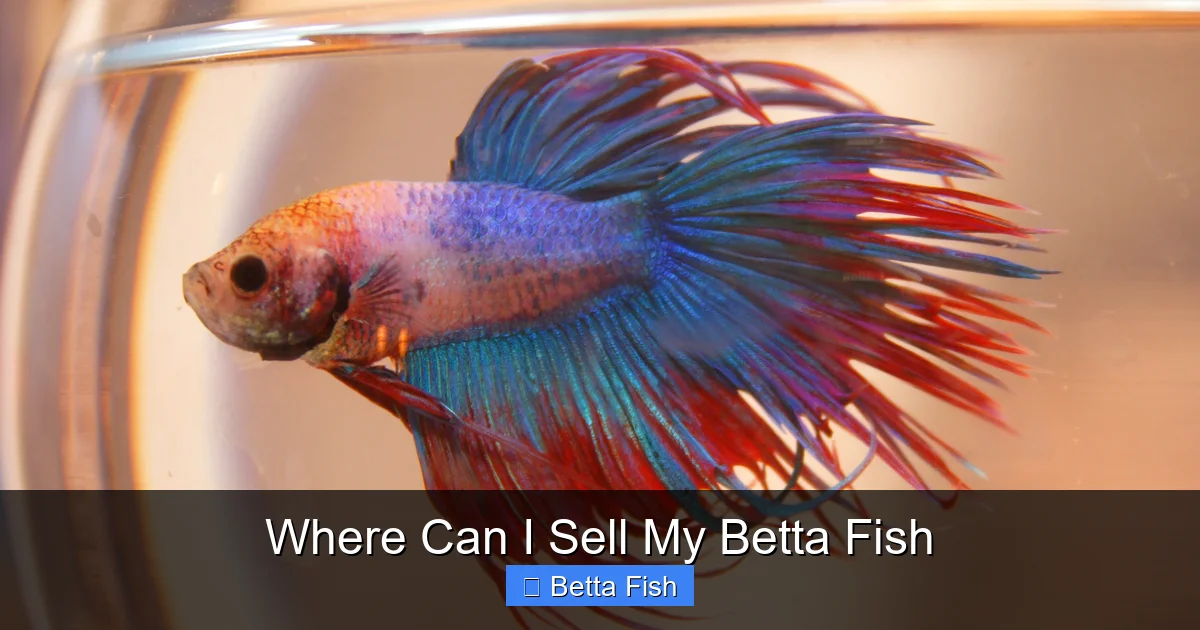
Visual guide about Where Can I Sell My Betta Fish
Image source: fishkeepingadvice.com
Finding and Utilizing Your Local Fish Club
How do you find one? Search for “[Your City/Region] aquarium society,” “[Your City] reef club,” or “[Your City] freshwater fish club.” Many have Facebook groups or dedicated websites. Joining is usually free or has a small annual fee. Once you’re a member (or even if you just find their public forum/page), you can post about your available betta.
Why this is the top choice:
- The Buyers: These are people who have multiple tanks, understand cycling, and treat fish as pets, not decor. They often have quarantine setups and are looking for specific fin types or colors to breed or add to their display tanks.
- Direct Pick-Up: No shipping stress! You can meet in a neutral, safe location or, often, at a club meeting or auction. This allows the buyer to see the fish in person and you to see their setup (they might even bring photos).
- Community Accountability: Clubs have reputations. Members who mistreat animals are quickly called out. This creates a natural incentive for buyers to be excellent caretakers.
- Education & Support: A good club will offer resources to the new owner, increasing the betta’s long-term success.
Pro-Tip: When posting in a club forum, include high-quality photos and video of your betta showing his active, healthy behavior. Mention his full history: age (approximate), diet, tank mates (if any), and any quirks (e.g., “loves to flare at his reflection,” “gentle with shrimp”). This transparency builds immense trust.
Reputable Local Specialty Aquarium Stores
Not all fish stores are created equal. A true “specialty” or “local” aquarium store is a world apart from the chain stores. The owners are usually expert aquarists who care deeply about fish health. They often have a “fish-for-sale” board or will take in quality fish to resell on consignment.
How to approach them: Call or visit first. Don’t just drop off a fish. Explain your situation. Show them your betta in his current, clean setup. Ask if they would consider taking him on consignment (you get a percentage of the sale price) or if they know of a serious customer looking for a betta. A good store will turn down fish that are unhealthy or of questionable lineage, but a vibrant, well-cared-for betta from a good home is an asset they may want. This is still a business transaction, but you’re leveraging their expertise and customer base of dedicated hobbyists.
The Digital Frontier: Online Marketplaces Done Right
The internet connects us to niche communities worldwide. For betta enthusiasts, this is a powerful tool. The key is choosing the right platform—one focused on aquariums, not general goods.
Visual guide about Where Can I Sell My Betta Fish
Image source: japanesefightingfish.org
Dedicated Aquarium & Betta Forums
These are the crown jewels of online fish selling. They are communities first, marketplaces second. Examples include FishLore, Tropical Fish Forums, The Betta Fish Addicts Forum, and the subreddit r/Bettafish (which has strict rules against for-profit selling but allows rehoming posts with moderator approval).
Why they’re superior to Craigslist:
- Built-In Community Vetting: Members have post histories. You can see if someone gives good advice, posts pictures of their own tanks, and is respected. A user with a 5-year history and photos of a 50-gallon community tank is a vastly better prospect than “FishLover99” on Craigslist.
- Moderation: These forums have active moderators who can remove scam posts and ban bad actors. They often have specific sections for “Fish for Sale/Trade” with clear rules.
- Education: The buyer is already there to learn. They are primed to understand the needs of a betta.
- Targeted Audience: You are speaking directly to people who love bettas. They might be looking for that specific color or fin type you have.
How to succeed here: Follow the forum rules exactly. Use the required formatting. Post clear, well-lit photos against a neutral background. Write a detailed, honest bio. Be active in the community before you post a “For Sale” thread—answer other people’s questions. Building goodwill makes your own ad more credible.
Specialized Online Marketplaces
There are websites that function as classifieds but exclusively for the aquarium hobby. The most prominent is AquaBid.com. It’s an auction-style site where you can list your betta with a starting price or “Buy It Now” price. It attracts serious, international hobbyists and breeders.
The AquaBid Process: You create a detailed listing with multiple photos. You set your terms (shipping method, who pays shipping, health guarantee). Bidders place bids or buy outright. It’s more formal than a forum post. The platform has a feedback system, similar to eBay, which builds trust over time. Shipping is almost always the buyer’s responsibility and cost, and you are expected to ship according to strict, well-documented protocols (more on that later). This is for sellers who are comfortable with the process and have done their homework on safe shipping practices.
The Logistics: How to Safely and Successfully Ship a Betta Fish
Shipping live animals is inherently stressful and carries risk. It should be your last resort if local options fail. However, for rare or high-quality bettas, it opens up a national or international buyer pool. If you must ship, here is the definitive protocol. Failure to follow these steps can lead to a dead fish arrival, a chargeback, and a devastated buyer.
The “Bag-and-Box” Method: The Industry Standard
This is not as simple as putting the fish in a bag of water. It’s a science.
- Pre-Shipment Fast: Withhold food for 24-48 hours before packing. This empties the digestive tract, reducing waste and ammonia in the shipping bag and preventing the fish from fouling the water.
- Water Source: Use water from the betta’s tank, not fresh tap water. This maintains familiar parameters and beneficial bacteria. Only fill the bag 1/3 to 1/2 full. Too much water reduces oxygen space.
- The Double-Bag: Use two high-quality, thick, clear plastic bags (polyethylene, 3-4 mil thickness). Place the fish in the first bag, remove excess air, and tie it securely with a rubber band. Then, place that first bag inside the second bag, again removing air and sealing. This double-layer prevents catastrophic leaks.
- The Insulated Box: Use a sturdy cardboard box. Line it with 1-2 inches of insulation (styrofoam panels, crumpled newspaper, or air pillows). Place the double-bagged fish on top of this insulation. Surround the bag with more insulation to prevent movement and provide thermal buffering.
- Temperature Control is CRITICAL: Bettas are tropical fish. They must be shipped in temperatures between 65°F and 85°F (18°C – 29°C). In cold weather, use heat packs (follow package instructions for activation and duration). In hot weather, use cold packs or ship only during cooler parts of the week. Never ship on a Friday—the fish cannot sit in a warehouse or mailbox over the weekend.
- Label Prominently: Mark the box with “LIVE ANIMAL” and “THIS SIDE UP” in large letters. Attach a copy of your health guarantee and care sheet to the outside of the box as well as inside.
- Choose the Fastest Service: Use USPS Priority Mail Express (overnight/1-2 day) or FedEx/UPS overnight. Do not use standard ground shipping. The goal is to minimize transit time to under 48 hours, ideally 24.
The Paperwork: Health Guarantee & Care Sheet
With every sale, shipped or local, include a simple, signed document. This is your liability shield and the buyer’s guide. It should state:
- Date of sale, your contact info, buyer’s contact info.
- The betta’s name, color, and fin type.
- A statement that the fish was healthy and active at the time of sale.
- A guarantee period (e.g., 24-48 hours after receipt for shipped fish, 7 days for local pick-up).
- A basic care sheet: tank size minimum, heater/filter requirements, ideal water parameters, diet recommendations, common signs of illness.
- A clause stating the buyer accepts responsibility for proper acclimation upon arrival.
- Your signature and the buyer’s signature.
This document shows you are a professional, caring seller and sets clear expectations.
Pricing Your Betta: Value, Cost, and the “Rehoming Fee”
This is a delicate topic. How do you put a price on a living being? The answer lies in separating a “rehoming fee” from a “sale price.” A true rehoming fee is a nominal amount ($5-$50) intended to ensure the buyer is serious and to offset your costs (food, bagging materials, shipping supplies). It is not a profit-making venture. If you are a breeder selling show-quality bettas with documented lineage, you are entering a different commercial market with prices ranging from $20 to $100+ for exceptional specimens. That is a business transaction.
Factors That Influence a Fair Fee
If you are a hobbyist rehoming a pet, consider:
- Quality & Rarity: A common red veiltail from a pet store is not the same as a captive-bred, large half-moon with perfect symmetry and a unique color like turquoise or mustard gas.
- Age & Health: A young, vibrant adult in prime condition commands more respect (and a slightly higher fee) than an older fish with fin rot.
- Your Costs: Did you incur costs for a special breeder pair, a custom tank, or premium food? A modest fee can help recoup some of that investment.
- Local Market: Check what others are asking for similar bettas in your local club or online niche forums. This gives you a baseline.
My strong recommendation for most hobbyists: Frame it as a “rehoming fee to ensure a good home” and ask for an amount that covers your direct costs and signals seriousness—typically $10-$25. This deters flippers and those wanting a “free pet.” For truly exceptional fish, you can price higher, but be prepared for a longer wait for the right buyer. Never, ever price your betta at $1 or “free” on an open platform. It screams “I don’t care what happens to this fish.”
Conclusion: Your Betta’s Second Chance Starts With You
Selling your betta fish is a final act of caretaking. It’s the chapter where you ensure his story has a happy ending, even if you’re no longer the author. The path you choose—a vetted member of a local fish club, a dedicated enthusiast on a specialty forum, or a carefully packaged shipment to a proven buyer—will define that ending. Remember the non-negotiables: ethics over convenience, welfare over profit, and patience over speed.
The process of creating a listing, answering questions, and screening people can feel like a part-time job. But for the fish that has brought you joy with his bubble nests and flaring displays, it’s the least he deserves. You are his advocate, his voice. By taking the time to find a home where the water is warm, the plants are soft, and the owner understands that a betta is not a decoration but a companion with a three-year lifespan, you complete your responsibility with honor.
So, post that photo in the local club forum. Craft that honest, detailed ad. Pack that shipping box with the precision of a jeweler. In doing so, you transform the act of “selling” into the profound act of “gifting a future.” Your betta’s next chapter is waiting to be written. Make it a good one.
Frequently Asked Questions
Is it legal to sell my pet betta fish?
In most places, selling a few personally-owned pets is legal, but regulations vary. You may need a permit if selling frequently as a breeder. Always check your local and state/provincial laws regarding the sale of live animals before proceeding.
How much should I charge to rehome my betta?
For a typical pet-quality betta, a “rehoming fee” of $10-$50 is standard to ensure a serious buyer and cover your costs. For high-quality, show-grade bettas with documented lineage, prices can range from $30 to over $100 based on rarity and conformation.
What is the safest way to ship a betta fish?
Use the double-bag method with 1/3 tank water, placed in a sturdy insulated box with appropriate heat/cold packs for the season. Ship via the fastest overnight service (USPS Priority Mail Express, FedEx/UPS Overnight) only during mild weather and never before a weekend.
Should I sell my betta to a pet store like Petco?
No. Large chain pet stores are not a humane option. Your betta will likely be placed in a small cup with poor water conditions, and you have no control over his final buyer. This is considered abandonment by ethical hobbyists.
How do I avoid scams when selling online?
Never ship before payment clears (use PayPal Goods & Services, not “Friends & Family”). Be wary of overpayment scams. Only communicate through the platform’s messaging system. Trust your gut—if a deal seems too good or the buyer is pushy and avoids your vetting questions, walk away.
What if I can’t find a good home for my betta?
Consider donating to a reputable local aquarium society, a school with a biology teacher who maintains a classroom tank, or a rescue organization like the Betta Fish Rescue. These groups have networks of foster homes and can provide a permanent, vetted solution.