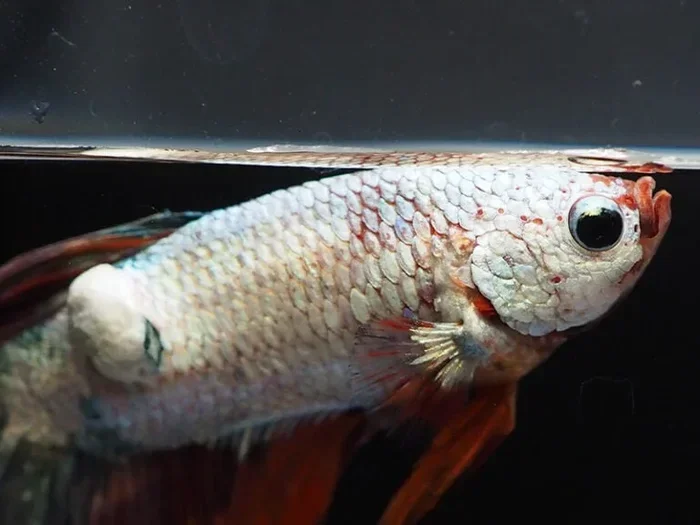
How Much Food Do U Feed a Betta Fish

Knowing how much food do u feed a betta fish is the single most important part of betta care. Overfeeding is the #1 killer of pet bettas, while underfeeding leads to malnutrition and a weak immune system. This guide breaks down the exact portion sizes, feeding frequency, and best food types so your betta stays vibrant and healthy.
If you own a betta fish, you have probably stood in front of the tank wondering, “how much food do u feed a betta fish?” It is one of the most common questions new betta owners ask. And honestly, it is a really important one. The amount of food you give your betta directly affects its health, lifespan, and how happy it looks in your tank.
Feeding a betta fish is not just about tossing a few pellets in the water. There is a sweet spot between too little and too much. Too little, and your fish loses energy and color. Too much, and you risk serious health problems like bloating, constipation, and even death. The good news is that getting the portions right is actually pretty simple once you know the basics.
In this guide, I will walk you through everything you need to know about betta fish feeding amount. We will cover how many pellets to use, how often to feed, what foods are best, and the common mistakes most beginners make. By the end, you will feel confident about your feeding routine.
Key Takeaways
- Feed 2-3 pellets per meal: This is the standard portion size for most adult bettas.
- Feed twice a day: Morning and evening feeds keep your betta on a natural eating cycle.
- Watch for overfeeding signs: Bloating, constipation, and cloudy water are red flags you are feeding too much.
- Variety matters: Rotate between pellets, frozen bloodworms, and daphnia for complete nutrition.
- Skip one day a week: A fasting day helps prevent constipation and keeps the digestive system healthy.
- Portion size depends on fish size: Smaller or younger bettas need less food than full-grown adults.
📑 Table of Contents
- How Much Food Do U Feed a Betta Fish Per Meal
- How Often Should You Feed a Betta Fish
- Best Foods for Betta Fish and How Much of Each
- Common Feeding Mistakes and How to Avoid Them
- How Feeding Amount Affects Betta Fish Health
- How to Adjust Feeding as Your Betta Grows
- Final Thoughts on Betta Fish Feeding
How Much Food Do U Feed a Betta Fish Per Meal
The standard rule for betta fish food portions is simple: feed 2 to 3 pellets per meal. This applies to most adult bettas. But what counts as one pellet? A single pellet should be about the size of your betta’s eye. That gives you a good visual reference when you are measuring out food.
Here is a quick breakdown of portion sizes based on different scenarios:
- Adult betta fish: 2 to 3 pellets per feeding, twice a day.
- Young betta fish (under 3 months): 1 to 2 pellets per feeding, twice a day.
- Large or active bettas: Up to 4 pellets per feeding if your fish is very active and eats quickly.
- Older or less active bettas: Stick to 2 pellets per feeding to avoid weight gain.
These numbers are not set in stone. Every betta is different. Some fish have bigger appetites, and some are pickier eaters. The key is to watch your fish and adjust as needed. If your betta finishes all the food within two minutes, you are probably giving the right amount. If there is leftover food after 3 minutes, you are overfeeding.
Why Pellet Size Matters for Betta Fish Diet
Not all betta pellets are created equal. Some brands make tiny pellets, while others produce larger ones. A high-quality betta fish pellet should sink slowly, which is important because bettas are surface feeders. They like to grab food from the top of the water.
When you are learning how much food do u feed a betta fish, the type of pellet matters just as much as the number. Cheap pellets often expand in the water, which can cause bloating. Premium pellets hold their shape better and are easier for your betta to digest. Look for pellets that list fish meal or whole ingredients as the first items on the label.
How Often Should You Feed a Betta Fish
Feeding frequency is just as important as portion size. The standard recommendation is to feed your betta twice a day, once in the morning and once in the evening. This mimics their natural eating pattern in the wild, where they would forage several small meals throughout the day.
Some experienced fish keepers also recommend a fasting day once a week. Skipping one feeding day helps your betta’s digestive system reset. It prevents constipation, which is a very common problem in bettas. If you are unsure about the right schedule, check out our guide on how often do you feed a betta fish for more detailed advice.
Can You Feed a Betta Fish Too Much
Yes, absolutely. Overfeeding is the most common mistake betta owners make. Betta fish have small stomachs, roughly the size of their eye. They cannot handle large meals, and they do not know when to stop eating. If you leave food in the tank, your betta will keep eating until it feels sick.
Signs of overfeeding include:
- A swollen or bloated belly.
- Food left uneaten after 5 minutes.
- Cloudy or dirty water that gets worse quickly.
- Your betta lying at the bottom of the tank and not moving much.
- Constipation or difficulty swimming.
If you notice any of these signs, reduce the portion size immediately. You can also try feeding your betta a single frozen pea (de-shelled) to help with digestion. Our article on how to feed a pea to a betta fish has a step-by-step guide for this helpful remedy.
Best Foods for Betta Fish and How Much of Each
Variety is key to a healthy betta fish diet. In the wild, bettas eat a mix of insects, larvae, and small crustaceans. In captivity, you can recreate this with a combination of different food types. Here is a breakdown of the best options and how much to give of each.
| Food Type | Amount Per Feeding | Feeding Frequency |
|---|---|---|
| High-quality betta pellets | 2 to 3 pellets | Twice daily |
| Frozen bloodworms | 2 to 3 small cubes | 1 to 2 times per week |
| Frozen daphnia | 2 to 3 small cubes | 1 to 2 times per week |
| Freeze-dried bloodworms | 1 to 2 pieces | Once per week (as treat) |
| Live brine shrimp | 2 to 3 small shrimp | Once per week (as treat) |
Pellets should always be the staple of your betta’s diet. They provide the balanced nutrition your fish needs every day. Frozen and live foods are great as treats and supplements. They add variety and can boost your betta’s color and energy levels.
Be careful with freeze-dried foods, though. They can expand in your betta’s stomach if not soaked first. Always soak freeze-dried food in a little tank water for a few seconds before offering it to your fish. This simple step prevents a lot of digestive issues.
How Much Should a Betta Fish Eat in a Week
When thinking about how much food to feed betta fish over the course of a week, the total amount is actually quite small. A healthy adult betta needs about 4 to 6 pellets per day, which means roughly 28 to 42 pellets per week. On top of that, you can add a couple of bloodworm or daphnia feedings as treats.
Remember, bettas are not big eaters. Their small stomachs mean they need small, frequent meals. This is very different from feeding a goldfish or a larger community fish. If you have ever wondered whether you can use goldfish food for your betta, check out our article on can u feed a betta fish goldfish food to learn why the answer is usually no.
Common Feeding Mistakes and How to Avoid Them
Even experienced fish keepers make feeding mistakes sometimes. Here are the most common errors people make when they are learning how much food do u feed a betta fish.
Mistake 1: Feeding too many pellets at once. It is tempting to give your betta a big meal, especially when you see it begging for food. But bettas are small fish with tiny stomachs. Stick to 2 to 3 pellets per feeding and resist the urge to add more.
Mistake 2: Ignoring leftover food. Uneaten food sinks to the bottom of the tank and starts to rot. This raises ammonia levels and makes your water quality worse. Always remove any uneaten food after a couple of minutes. A small net or turkey baster works great for this.
Mistake 3: Feeding on an irregular schedule. Bettas thrive on routine. Feeding at the same times each day helps regulate their metabolism and digestion. Try to feed your betta at roughly the same times every morning and evening.
Mistake 4: Not varying the diet. Feeding only pellets every day can lead to nutritional gaps. Just like humans, bettas need a varied diet to stay healthy. Rotate in some frozen or live foods a couple of times a week to keep things interesting for your fish.
Quick Tips for Perfect Betta Feeding
- Always soak freeze-dried food before feeding.
- Use a small container to measure pellets so you do not over-pour.
- Feed in a calm environment. Turn off the tank light for a few minutes before feeding to reduce stress.
- Watch your betta eat. This helps you spot any appetite changes early.
- Keep a feeding log if you are new to betta care. Write down what you fed and when.
How Feeding Amount Affects Betta Fish Health
The connection between food and health is huge when it comes to betta fish care. A well-fed betta will have bright colors, a good appetite, and steady energy. It will swim actively around the tank and explore its environment. An overfed or underfed betta, on the other hand, will show signs of stress and illness quickly.
Proper betta nutrition supports every part of your fish’s body. It keeps the immune system strong, helps with digestion, and promotes healthy growth. If you are feeding the right amount of high-quality food, you will notice your betta looking more vibrant within just a few weeks.
On the flip side, poor feeding habits can lead to serious problems. Overfeeding causes bloating, swim bladder issues, and dirty water. Underfeeding leads to a weakened immune system, faded colors, and lethargy. Finding the right balance is the foundation of good betta care.
If you want to dive deeper into how much your betta should actually be eating, our article on how much does a betta fish eat covers this topic in more detail. And if you are planning a vacation and worried about feeding schedules, check out how do I feed my betta fish on vacation for practical tips.
How to Adjust Feeding as Your Betta Grows
Your betta’s feeding needs will change as it grows from a tiny fry into a full adult. Understanding these changes helps you keep your fish healthy at every stage of life.
Fry stage (0 to 3 months): Baby bettas need very small, frequent meals. You can feed them crushed pellets or baby brine shrimp 3 to 4 times a day. The portions should be tiny, just a pinch of food each time.
Juvenile stage (3 to 6 months): As your betta grows, you can reduce feedings to twice a day and increase the pellet size slightly. This is also a great time to introduce frozen bloodworms and daphnia as treats.
Adult stage (6 months and older): Full-grown bettas do best on 2 to 3 pellets twice a day. This is the stage where most feeding mistakes happen, so stay consistent and watch for signs of overfeeding or underfeeding.
Senior stage (2 years and older): Older bettas may become less active and need slightly smaller portions. Some senior fish also do better with one feeding per day instead of two. Adjust based on your individual fish’s behavior and appetite.
Final Thoughts on Betta Fish Feeding
So, how much food do u feed a betta fish? The answer is simple: 2 to 3 pellets, twice a day, with a fasting day once a week. That is the foundation of a healthy feeding routine. Add in some variety with frozen or live treats, keep the water clean, and watch your betta thrive.
Feeding your betta correctly is one of the easiest ways to ensure a long, happy life for your fish. It does not have to be complicated. With the right portions and a consistent schedule, you will be amazed at how much brighter and more active your betta becomes. The key is to stay mindful, resist the urge to overfeed, and enjoy the process of caring for your beautiful fish.
Remember, every betta is unique. What works perfectly for one fish might need a small adjustment for another. Pay attention to your betta’s behavior, keep learning, and do not be afraid to experiment a little. That is what makes fish keeping so rewarding.
Frequently Asked Questions
How many pellets should I feed my betta fish per day?
Most adult bettas do well with 4 to 6 pellets per day, split into two feedings. That means 2 to 3 pellets in the morning and 2 to 3 pellets in the evening. Adjust slightly based on your fish’s size, age, and activity level.
Can I feed my betta fish once a day instead of twice?
Yes, you can feed once a day, but twice a day is generally better for maintaining steady energy levels. If you feed once a day, give a slightly larger portion of 4 to 5 pellets. Some owners also prefer once-daily feeding because it reduces the risk of overfeeding.
What happens if I overfeed my betta fish?
Overfeeding can cause bloating, constipation, swim bladder problems, and dirty tank water. Uneaten food also decays quickly, which raises ammonia levels and can harm your fish. If you suspect overfeeding, skip the next meal and offer a small soaked pea to help with digestion.
Can I feed my betta fish goldfish food as a regular diet?
No, goldfish food is not ideal for bettas. It does not meet the specific nutritional needs of betta fish. Bettas need a higher protein diet, and goldfish food is formulated differently. You can find more details in our article on can you feed a betta fish goldfish food.
How do I know if my betta fish is still hungry?
Betta fish often act hungry even when they are not. They will swim to the surface and beg for food. A good rule of thumb is to stick to the recommended portion size and not give in to begging. If your betta finishes its food quickly and looks for more, wait a few minutes before deciding whether to add more.
What is the best time of day to feed a betta fish?
The best times are early morning and early evening. This matches a natural feeding rhythm and gives your betta time to digest before resting. Try to feed at roughly the same times each day to build a consistent routine for your fish.
=== CONCLUSION ===
How much food do u feed a betta fish is a question with a straightforward answer once you know the basics. Stick to 2 to 3 pellets per meal, feed twice a day, and include a weekly fasting day. Offer a mix of pellets and treats for complete nutrition, and always watch for signs of overfeeding or underfeeding. Your betta fish will reward you with vibrant colors, active swimming, and a long, healthy life. Start applying these tips today, and you will see the difference in your fish almost immediately.