How Much Food Do I Give a Betta Fish
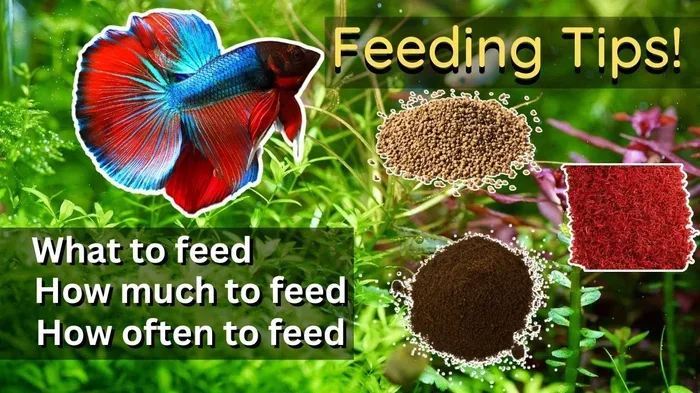
Knowing how much food to give a betta fish is the single most important part of betta fish care. Overfeeding is the #1 killer of pet bettas, while underfeeding leads to malnutrition and a weak immune system. This guide breaks down the exact portion sizes, feeding frequency, and best food choices so your betta stays healthy and colorful.
If you own a betta fish, you have probably stood in front of the fish food container wondering, “How much food do I give a betta fish?” It is one of the most common questions new betta owners ask. And honestly, it is a really important one. The amount of food you give directly affects your fish’s health, lifespan, and happiness.
Many new fish keepers make the mistake of overfeeding. It is easy to do because bettas look so eager at feeding time. But a betta fish stomach is only about the size of their eye. That means they need very little food. In this guide, I will walk you through exactly how much to feed your betta, how often, and what foods work best. You will also learn how to spot the signs of overfeeding and underfeeding so you can keep your fish thriving.
Key Takeaways
- Feed 2-3 pellets per meal: This is the ideal portion size for an adult betta fish, served twice a day.
- Skip one day per week: A fasting day helps prevent bloating and keeps the digestive system healthy.
- Watch for overfeeding signs: Cloudy water, uneaten food, and a bloated belly are clear warning signals.
- Variety matters: Rotate between pellets, frozen foods, and live foods for a complete betta fish diet.
- Portion size depends on age: Baby bettas need smaller, more frequent meals than adult bettas.
- Remove uneaten food promptly: Leftover food fouls the water and can make your betta sick.
📑 Table of Contents
Understanding Your Betta Fish’s Appetite
Before you scoop out any food, it helps to understand how a betta fish digestive system works. Bettas are carnivores by nature. They eat insects, larvae, and small organisms in the wild. Their stomachs are tiny, which means they do not need large meals. In fact, their stomach size is roughly the same as their eyeball. That is a fun fact, but it also explains why less is more when it comes to feeding.
How Big Is a Betta Fish’s Stomach?
A betta fish stomach is incredibly small. This is something many new owners do not realize. They see their fish eating eagerly and assume it needs more. But a betta can easily overeat in one sitting. When a betta overeats, the food sits in the stomach and can cause bloating, constipation, and even swim bladder issues. These health problems can become serious if not addressed quickly.
The key takeaway here is simple. A little bit of food goes a long way. You are not trying to fill your betta up completely. You are giving it just enough to fuel its body without overwhelming the digestive system.
What Does a Healthy Betta Fish Diet Look Like?
A healthy betta fish diet includes a mix of protein-rich foods. In the wild, bettas eat a variety of small insects and larvae. In captivity, the best betta fish food mimics this natural diet. High-quality betta pellets should be the staple of their meals. These pellets are specially formulated with the right protein content and nutrients. You can also supplement their diet with frozen or live foods like brine shrimp, bloodworms, and daphnia. These make excellent treats and add variety to their meals.
If you are ever unsure about what to feed your betta, check out our guide on whether regular fish food is safe for bettas. It covers the differences between betta-specific food and generic fish flakes.
How Much Food Should You Give a Betta Fish?
This is the core question, and the answer is simpler than you might think. The right amount depends on a few factors, but the general rule is easy to remember.
The Perfect Portion Size
For an adult betta fish, the standard portion is 2 to 3 pellets per meal. That is it. Two to three small pellets, twice a day. Some owners like to soak their pellets before feeding. This can help the food sink more slowly and make it easier for your betta to find and eat. If you use flakes instead of pellets, a small pinch about the size of a pea is sufficient.
If you are feeding frozen or live foods like bloodworms, give your betta 2 to 3 worms per feeding. The same rule applies. Small portions, served consistently, are the key to a healthy feeding routine.
For baby betta fish, the portions are even smaller. Baby bettas need tiny amounts of food more frequently. You can offer 1 to 2 small pellets or a few crushed pellets per meal. Feed them 3 to 4 times a day since their metabolism is faster and they burn energy quickly.
How Often to Feed Your Betta Fish
Most betta fish do well with two meals per day. A morning feeding and an evening feeding works great. This schedule mimics a natural eating pattern and gives your fish time to digest between meals. Some experienced fish keepers also recommend fasting your betta for one day each week. A fasting day helps clear the digestive system and prevents constipation. It is a simple practice that makes a big difference in your fish’s long-term health.
If you want more details on feeding frequency, you can read our article on how often to feed a betta fish. It covers different schedules and what works best for various betta types.
Best Foods for Your Betta Fish
Not all fish food is created equal. Bettas need protein-rich food that matches their natural diet. Choosing the right food is just as important as getting the portion size right.
Pellets vs. Flakes vs. Frozen Foods
Betta pellets are the gold standard for everyday feeding. Look for pellets with a protein content of at least 30%. High-quality brands float on the surface, which suits bettas perfectly since they are surface feeders. Flakes are an option, but they can dissolve quickly and make the water dirty. If you use flakes, give only a tiny amount and remove any uneaten flakes after a few minutes.
Frozen foods like bloodworms and brine shrimp are excellent supplements. They are packed with protein and most bettas love them. You can also find freeze-dried versions, which are convenient and have a long shelf life. Just remember that frozen and freeze-dried foods should be treated as supplements, not the main diet. They should make up no more than 20 to 30 percent of what your betta eats.
Live Food Options for Bettas
Live foods are the closest thing to what bettas eat in their natural habitat. Live brine shrimp, daphnia, and mosquito larvae are all excellent choices. Live food encourages natural hunting behavior and can make a shy betta more active. If you are curious about what other fish can share food with your betta, check out our guide on whether betta food is safe for guppies. It covers cross-species feeding considerations in detail.
Signs You Are Overfeeding or Underfeeding Your Betta
Knowing the right amount is only half the battle. You also need to recognize when something goes wrong. Both overfeeding and underfeeding come with clear warning signs.
Warning Signs of Overfeeding
Overfeeding is the most common mistake betta owners make. Here are the signs to watch for:
- Uneaten food sinking to the bottom: If food sits in the tank after feeding, you gave too much.
- Cloudy or foul-smelling water: Excess food decays quickly and pollutes the water.
- Bloated or distended belly: A swollen belly can indicate constipation or swim bladder issues caused by overeating.
- Lethargy and loss of appetite: A betta that has eaten too much may refuse food at the next feeding.
- Algae blooms: Extra nutrients from uneaten food can trigger unwanted algae growth in your tank.
If you notice any of these signs, reduce the portion size immediately. Skip a feeding day to let your betta’s digestive system reset. For more information on keeping your tank clean, see our guide on how often to clean a betta fish bowl.
Signs Your Betta Is Not Getting Enough Food
Underfeeding is less common but still a concern. Signs include:
- Weight loss and a thin body shape: A healthy betta should have a rounded, plump body.
- Dull or faded colors: Poor nutrition can cause a betta’s vibrant colors to fade.
- Low energy and hiding behavior: A hungry betta may become less active and spend more time hiding.
- Aggressive begging behavior: A betta that constantly begs for food may actually be underfed, not just hungry.
If you see these signs, gradually increase the portion size. Do not suddenly give a large amount of food. Increase slowly over several days to avoid digestive upset.
Creating the Ideal Feeding Schedule
A consistent feeding schedule helps your betta feel secure and healthy. Bettas thrive on routine. When you feed them at the same times each day, it also helps you monitor their appetite and behavior more easily.
Morning vs. Evening Feeding
Most betta owners find that feeding once in the morning and once in the evening works best. Morning feeding gives your betta energy for the day. Evening feeding allows it to digest before resting. Try to keep the time between feedings consistent. A gap of about 8 to 12 hours between meals is ideal.
Adjusting for Different Life Stages
Young betta fish need more frequent meals than adults. Baby bettas should be fed 3 to 4 times a day with very small portions. As they grow, you can reduce feedings to twice a day with slightly larger portions. Senior bettas may eat less as they age. Watch their appetite and adjust accordingly. A betta that is less active may need smaller portions or fewer feedings per day.
Quick Tips for Perfect Betta Fish Feeding
Here are some simple tips that make feeding time easier and safer for your betta:
- Soak pellets before feeding: This helps them sink slowly and prevents your betta from swallowing air.
- Remove uneaten food after 5 minutes: This keeps the water clean and prevents health issues.
- Use a feeding ring: A feeding ring keeps food in one place so your betta can find it easily.
- Vary the diet: Rotate between pellets, frozen foods, and live foods for balanced nutrition.
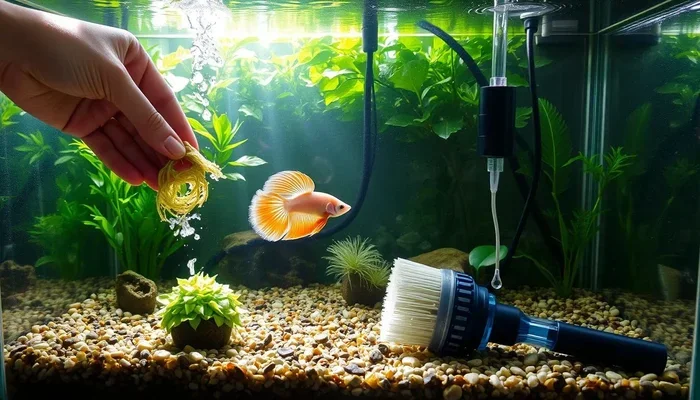
- Do not feed from the hand: Bettas may gulp air while eating from fingers, leading to bloating.
- Watch your betta during feeding: Observing eating habits helps you catch problems early.
Conclusion
Feeding your betta fish the right amount does not have to be complicated. The answer to “how much food do I give a betta fish” comes down to a few simple rules. Give 2 to 3 pellets twice a day. Skip one day each week for fasting. Choose high-quality, protein-rich foods. Watch for signs of overfeeding or underfeeding. Stick to a consistent schedule. These habits will keep your betta healthy, colorful, and active for years to come.
Remember, your betta fish depends on you for everything, including food. A little knowledge and a little consistency go a long way. You have got this, and your betta will thank you with vibrant colors and energetic swimming.
Frequently Asked Questions
How much should I feed my betta fish in one sitting?
Feed 2 to 3 pellets per meal for an adult betta. That is the ideal portion size. If you are using flakes, a tiny pinch about the size of a pea works well. Baby bettas need even smaller amounts, around 1 to 2 small pellets per feeding.
Can I feed my betta fish once a day instead of twice?
Yes, once-a-day feeding is acceptable if you give a slightly larger portion. However, twice a day is generally better because it mimics a more natural eating pattern and helps maintain consistent energy levels throughout the day.
What happens if I overfeed my betta fish?
Overfeeding can cause bloating, constipation, swim bladder disorder, and poor water quality. Uneaten food decays quickly and releases harmful toxins into the tank. Always remove any food your betta does not eat within a few minutes.
Can I give my betta fish treats every day?
Treats like bloodworms and brine shrimp should be given 2 to 3 times per week, not daily. They are high in fat and should supplement a pellet-based diet rather than replace it. Too many treats can lead to nutritional imbalances.
How long can a betta fish go without food?
A healthy adult betta can survive 10 to 14 days without food, but you should not skip feedings regularly. One fasting day per week is beneficial for digestion. If you are going on vacation, consider using an automatic feeder or asking someone to feed your betta.
Should I feed my betta fish right after a water change?
It is best to wait a few hours after a water change before feeding. Water changes can stress bettas, and a stressed fish may not eat well. Feeding after your betta has settled back into its environment ensures better appetite and digestion.