Can You Feed a Betta Fish Goldfish Food

Curious if your betta can safely eat goldfish food? While bettas may nibble a few flakes, goldfish food lacks the protein and nutrients they need and can cause health problems. Learn the safe alternatives and how to keep your betta thriving.
Key Takeaways
- Goldfish food isn’t nutritionally complete for bettas: It’s low‑protein and high‑carbohydrate, which can lead to malnutrition.
- Occasional nibble is okay, but not a staple: A tiny piece once in a while won’t hurt, but regular feeding is risky.
- Prefer betta‑specific pellets or frozen/live foods: These provide the protein, vitamins, and fats bettas require.
- Watch for digestive issues: Swollen belly, constipation, or cloudy eyes signal that the diet is wrong.
- Tank mates matter: Goldfish and bettas have very different water‑parameter needs, so they shouldn’t share a tank.
- Use proper feeding amounts: 2‑3 pellets once or twice daily is enough for most adult bettas.
- Consult reliable sources: Articles like Can You Give A Betta Fish Goldfish Food and Can A Betta Fish Eat Goldfish Food offer detailed guidance.
📑 Table of Contents
- Introduction: Why the Question Pops Up
- 1. Understanding Betta Nutritional Needs
- 2. What’s Inside Goldfish Food?
- 3. Can a Betta Eat Goldfish Food Occasionally?
- 4. Safer Alternatives to Goldfish Food
- 5. How to Feed Your Betta Properly
- 6. Compatibility Concerns: Betta vs. Goldfish
- Conclusion: The Bottom Line
Introduction: Why the Question Pops Up
If you’ve ever stood in the pet store aisle staring at a bag of goldfish flakes, you might wonder, “can you feed a betta fish goldfish food?” The answer isn’t a simple yes or no, and that’s why many hobbyists search for clarity. Betta fish (also called Siamese fighting fish) have very different dietary needs compared to goldfish. While both are freshwater, their natural habitats, body shapes, and metabolic rates diverge dramatically.
In this article we’ll break down the science behind betta nutrition, compare the composition of goldfish flakes to betta pellets, and give you practical feeding tips. By the end you’ll know exactly when, if ever, it’s safe to let your betta sample goldfish food, and what the best alternatives are for a thriving, colorful companion.
1. Understanding Betta Nutritional Needs
1.1. The Betta’s Natural Diet
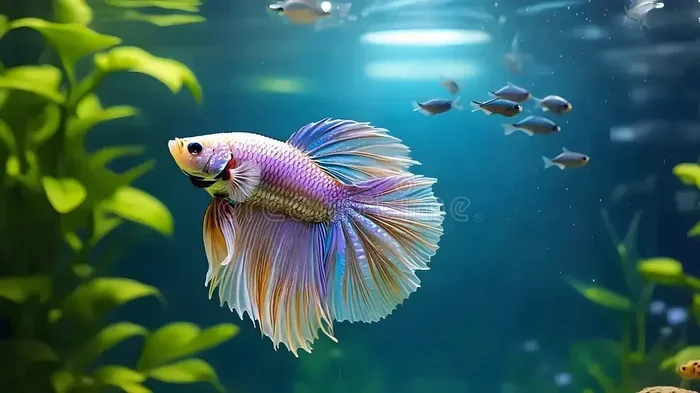
In the wild, bettas are surface‑dwelling predators. They hunt insects, small crustaceans, and mosquito larvae. This diet is high in protein (40‑60% of their intake) and rich in essential fatty acids that support vibrant coloration and strong fins.

Visual guide about Can You Feed a Betta Fish Goldfish Food
Image source: thumbs.dreamstime.com
1.2. What a Balanced Betta Diet Looks Like
- Protein: 40‑60% – from high‑quality pellets, frozen bloodworms, brine shrimp, or daphnia.
- Fats: 10‑15% – provide energy and help maintain the iridescent sheen.
- Vitamins & Minerals: Vitamin C, B‑complex, calcium, and trace minerals are crucial for immune health.
- Fiber: Minimal – bettas have short digestive tracts and don’t need much roughage.
When you feed a betta food that matches these ratios, you’ll see steady growth, bright colors, and active behavior.
2. What’s Inside Goldfish Food?
2.1. Typical Ingredient List
Goldfish flakes often contain wheat, corn, soy, and a modest amount of fish meal. The protein content usually sits around 15‑25%, far lower than what bettas need. Carbohydrates dominate, and the fat level is minimal.

Visual guide about Can You Feed a Betta Fish Goldfish Food
Image source: thumb-lvlt.xhcdn.com
2.2. Why Those Ingredients Matter
- Low protein: Betta muscles and fins won’t get the building blocks they require.
- High carbs: Excess carbs can cause bloating and constipation in bettas.
- Missing micronutrients: Goldfish formulas lack the specific vitamins bettas need for optimal health.
In short, goldfish food is a “carb‑heavy snack” for a creature that thrives on protein‑rich meals.
3. Can a Betta Eat Goldfish Food Occasionally?
3.1. The “Taste Test” Scenario
Yes, a betta can safely nibble a tiny piece of goldfish flake once in a while. Their mouths are designed to pick up floating particles, so a brief taste won’t cause immediate harm.

Visual guide about Can You Feed a Betta Fish Goldfish Food
Image source: livingnomads.com
3.2. Risks of Regular Feeding
- Malnutrition: Over time, the betta may become protein‑deficient, leading to dull colors and weakened fins.
- Digestive problems: Too many carbs can cause constipation, a condition known as “impaction.”
- Water quality decline: Goldfish flakes dissolve slowly, leaving excess waste that can spike ammonia in a betta’s small tank.
Because of these risks, goldfish food should never replace a betta‑specific diet.
4. Safer Alternatives to Goldfish Food
4.1. High‑Quality Betta Pellets
Look for pellets that list “fish meal” or “crustacean meal” near the top of the ingredient list. Brands that provide 40‑50% protein are ideal. Pellets also sink slowly, mimicking the natural surface‑feeding behavior.
4.2. Frozen and Live Foods
Frozen brine shrimp, bloodworms, and daphnia are excellent protein sources. They can be given a few times a week as a treat. Live foods like microworms are also great for enrichment.
4.3. Homemade Options
Some hobbyists blend boiled egg yolk with a pinch of fish‑food powder to create a high‑protein paste. Just ensure the mixture is fully cooled before offering a pea‑sized dab.
5. How to Feed Your Betta Properly
5.1. Portion Control
Adult bettas generally need 2‑3 pellets (or the equivalent in frozen food) once or twice daily. The rule of thumb: feed what they can consume in under two minutes. Remove any leftovers to keep water quality high.
5.2. Feeding Schedule
- Morning: 1‑2 pellets or a small portion of frozen food.
- Evening: Same amount, ensuring the tank isn’t left empty for long periods.
Consistent timing helps regulate digestion and reduces stress.
5.3. Monitoring Health
Watch for signs of a healthy betta: active swimming, bright fins, and a firm belly. If you notice bloating, lethargy, or white spots, review the diet immediately and consider a water change.
6. Compatibility Concerns: Betta vs. Goldfish
6.1. Water Parameter Mismatch
Goldfish thrive in cooler water (68‑74 °F) with higher alkalinity, while bettas prefer warm water (78‑80 °F) and slightly acidic to neutral pH. Keeping them together forces a compromise that suits neither species.
6.2. Behavioral Differences
Goldfish are active swimmers that occupy the entire tank, while bettas are territorial and like to rest near the surface. The constant movement of goldfish can stress a betta, leading to fin damage.
For more on this topic, see Can You Keep Goldfish With Betta Fish and Can A Goldfish Live With A Betta Fish.
Conclusion: The Bottom Line
So, can you feed a betta fish goldfish food? The short answer is: only as an occasional curiosity, never as a regular diet. Goldfish flakes lack the protein, fats, and micronutrients bettas need and can cause digestive and water‑quality problems if overused. Stick to high‑protein betta pellets, frozen or live foods, and keep feeding amounts modest. By respecting the unique nutritional profile of your betta, you’ll enjoy a vibrant, healthy fish that thrives for years.
Frequently Asked Questions
Can a betta eat goldfish flakes once in a while?
Yes, a tiny bite as an occasional treat won’t hurt, but it should not become a regular part of the diet.
What are the main nutritional differences between goldfish food and betta food?
Goldfish food is low in protein (15‑25%) and high in carbs, while betta food is 40‑60% protein with essential fats and vitamins.
How often should I feed my betta?
Feed 2‑3 pellets or an equivalent portion of frozen/live food once or twice daily, removing any uneaten food after two minutes.
Will feeding goldfish food cause my betta to get sick?
Regular feeding can lead to malnutrition, constipation, and poor water quality, which may result in illness.
Can I keep a betta and a goldfish in the same tank?
No. Their temperature, pH, and space requirements differ too much, and the goldfish may stress the betta.
What is a safe alternative if I run out of betta pellets?
Temporarily offer a small amount of frozen brine shrimp or bloodworms, which provide the protein bettas need.