How Much Does a Betta Fish Poop
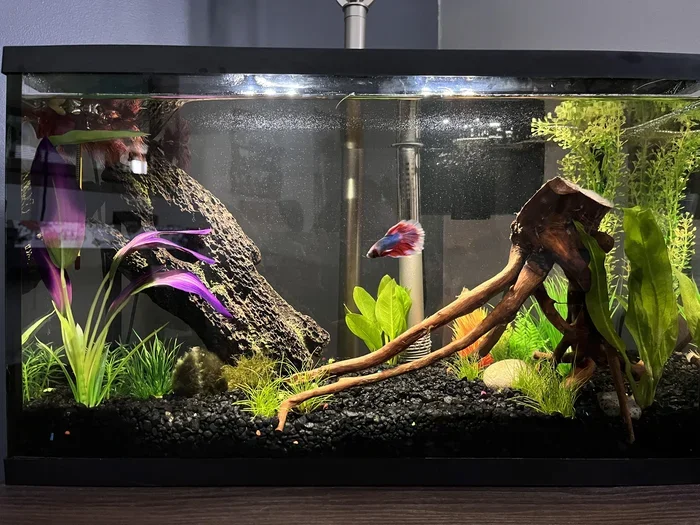
A betta fish poops frequently, often several times a day, especially after meals. The amount and appearance of betta fish poop can tell you a lot about your fish’s health and diet. Understanding what normal waste looks like helps you catch problems early and keep your betta fish health on track.
Betta fish are fascinating pets. They flash bright colors and move gracefully through the water. But let’s talk about something not so glamorous. How much does a betta fish poop? It might seem like a strange question. But understanding your fish’s bathroom habits is one of the best ways to monitor their health.
Many betta owners overlook waste output when caring for their fish. Yet poop tells a powerful story. It reveals what your fish eats, how well it digests food, and whether something is wrong. In this guide, we break down everything you need to know about betta fish poop. From frequency and color to what abnormal waste means for your fish.
So, how much does a betta fish poop? The short answer is more than you might think. A healthy betta can poop several times a day, especially after eating. The amount varies based on diet, age, water temperature, and overall health. Let’s dive deeper into the details.
## How Often Does a Betta Fish Poop?
Understanding the frequency of your betta’s bathroom habits is the first step toward better care. Most betta fish poop multiple times each day. The exact number depends on several factors.
### What Affects Pooping Frequency?
Several things influence how often your betta eliminates waste:
- Feeding schedule: The more you feed, the more your fish will poop. This makes sense because what goes in must come out.
- Food type: Different foods digest at different rates. Pellets expand in the stomach and produce more waste than live foods.
- Water temperature: Warmer water speeds up metabolism. A warmer tank means more frequent digestion and more pooping.
- Fish age: Younger bettas tend to eat more and digest faster. Older fish may poop less frequently.
- Activity level: Active fish burn energy faster and process food more quickly.
### What Is Normal Frequency?
A healthy betta typically poops once or twice after each meal. If you feed your fish twice a day, expect four to six bowel movements daily. Some bettas even poop after every single meal. This is perfectly normal.
If you notice a sudden change in frequency, pay attention. Pooping much more or much less than usual can signal a problem. Keep an eye on your fish’s behavior alongside their waste patterns.
## What Does Healthy Betta Fish Poop Look Like?
Healthy poop is your first clue that your fish is doing well. Normal betta fish waste has specific characteristics that every owner should recognize.
### Color and Shape
Healthy betta poop is typically brown or tan. It is small and compact. The shape resembles tiny pellets or short strings. It should hold together fairly well when it falls through the water.
### Size and Consistency
The waste should be relatively small. A betta fish has a tiny digestive system. Large chunks of waste often mean your fish is eating too much. The consistency should be firm but not hard. Soft, mushy waste can indicate digestive issues.
### What About Stringy Poop?
Stringy poop is common in bettas. It often happens when the fish eats fiber-rich food. Small strings attached to the waste are usually normal. However, long, persistent strings can signal parasites or poor diet. If stringy poop lasts more than a day or two, investigate further.
## How Much Should You Feed Your Betta to Manage Waste?
Feeding plays a huge role in waste production. If you want to control how much your betta poops, start with the food. Many owners overfeed their fish without realizing it. Excess food leads to more waste, dirty water, and health problems.
### The Right Amount of Food
A betta fish stomach is roughly the size of its eye. That gives you a clear picture of how much food is appropriate. Feed small portions twice a day. Two to three pellets per meal is usually enough. If you use flakes, a small pinch works well.
How much do I feed a betta fish? This is one of the most common questions among new owners. The answer is simple: less than you think. Betta fish are not big eaters. Overfeeding is the fastest way to create excess waste and dirty tank conditions.
### Best Foods for Clean Waste
The type of food you choose affects the amount and quality of waste. High-quality pellets produce less waste than cheap flakes. Here are some good options:
- Premium betta pellets: These are formulated for easy digestion and produce compact waste.
- Frozen or live brine shrimp: Natural foods digest cleanly and produce minimal waste.
- Daphnia: This acts as a mild laxative and helps prevent constipation.
- Bloodworms (occasional): Great as a treat but can cause looser waste if overfed.
Avoid feeding your betta too many treats. Bloodworms and similar high-fat foods should only be given once or twice a week. Excess treats lead to messy waste and potential health issues.
## What Abnormal Poop Tells You About Betta Fish Health
Not all poop is created equal. Changes in waste can be early warning signs of health problems. Learning to read your betta’s poop helps you catch issues before they become serious.
### Common Abnormal Waste Signs
Watch for these red flags in your betta’s waste:
- White or pale poop: This can indicate a parasitic infection or digestive problems.
- Green poop: Often caused by too much plant matter or algae in the diet.
- Black or very dark poop: May suggest internal bleeding or ingestion of substrate.
- No poop at all: Constipation is a common issue. If your fish hasn’t pooped in over 24 hours, something may be wrong.
- Very loose or watery waste: This can signal bacterial infections or dietary imbalance.
### Constipation in Betta Fish
Constipation is one of the most common digestive issues in bettas. It happens when food builds up in the intestines. Symptoms include a swollen belly, loss of appetite, and little to no waste.
To help a constipated betta, try feeding a single daphnia or a small piece of blanched pea. The fiber helps move things along. You can also try a brief fasting period of one to two days. This gives the digestive system time to clear out.
If constipation persists, check your water parameters. Poor water quality worsens digestive problems. Regular how to take care of a betta fish water maintenance goes a long way in preventing these issues.
## How to Manage Waste in Your Betta Tank
Once you understand how much a betta fish poops, the next step is managing that waste. A clean tank keeps your fish healthy and happy. Waste buildup leads to ammonia spikes, which are dangerous for bettas.
### Daily Maintenance Tasks
Keep waste under control with these simple daily habits:
- Remove visible waste with a small siphon or turkey baster.
- Check that your filter is running properly.
- Watch for uneaten food and remove it within five minutes.
- Observe your fish’s behavior and waste patterns.
### Weekly Water Changes
A partial water change of 25 to 30 percent each week is essential. This dilutes dissolved waste and keeps ammonia levels safe. Always use dechlorinated water at the same temperature as the tank.
### The Role of Filtration
A gentle filter is important for betta tanks. Betta fish prefer slow currents. A sponge filter works well because it provides biological filtration without strong flow. The filter houses beneficial bacteria that break down waste naturally.
Keep in mind that bettas are sensitive to strong currents. If your filter creates too much flow, baffle it with a sponge or adjust the output. A can a betta fish have to much current is a real concern that affects waste management too, since stressed fish eat less and poop irregularly.
## Quick Tips for Monitoring Betta Fish Poop
Here are some practical tips to keep track of your betta’s waste:
- Feed at consistent times: Routine helps regulate digestion and makes waste patterns predictable.
- Use a gravel vacuum during water changes: This removes trapped waste from the substrate.
- Keep a log: Note any changes in poop color, frequency, or consistency. Patterns help you spot problems early.
- Don’t overfeed: This single change reduces waste and improves water quality dramatically.
- Test water weekly: Ammonia and nitrite levels should always read zero. Nitrate should stay below 20 ppm.
## When to Be Concerned About Your Betta’s Waste
Most changes in poop are temporary and harmless. But some situations require immediate attention. Know when to act and when to wait.
### Signs You Should Act Now
- Your betta has not pooped in more than 48 hours and shows signs of bloating.
- The waste is consistently white or clear with a foul odor.
- You notice blood or mucus in the waste.
- Your fish stops eating and produces no waste for over a day.
- Multiple abnormal bowel movements happen in quick succession.
These symptoms could point to serious conditions like swim bladder disease, parasitic infections, or bacterial illness. Consult a fish veterinarian or experienced aquarist if you observe these signs.
### Where Does the Waste Actually Come From?
Many owners wonder about the mechanics of betta fish waste. Waste exits through the same opening used for reproduction in female bettas. This opening is called the vent or cloaca. It is located on the underside of the fish, near the tail.
If you want to learn more about this process, check out our guide on where does a betta fish poop from for detailed anatomy information. Understanding the vent helps you identify whether waste is passing normally or if there is a blockage.
## How Diet Affects Betta Fish Digestion and Waste
The connection between diet and waste is direct and powerful. A high-quality diet produces less waste and healthier fish. A poor diet does the opposite. Let’s break down the relationship.
### Pellets vs. Flakes
Premium betta pellets are denser and more nutritious than flakes. They contain fewer fillers, which means less undigested material passes through. The result is smaller, more compact waste.
Flakes, while convenient, often contain fillers that bettas cannot fully digest. This leads to larger, messier waste and more frequent water changes. If you currently use flakes, consider transitioning to pellets gradually.
### The Importance of Fiber
Fiber plays a crucial role in betta digestion. Small amounts help keep the digestive system moving smoothly. Too much fiber, however, causes loose, stringy waste.
Daphnia and brine shrimp provide natural fiber in balanced amounts. Use them as supplements, not staple foods. This keeps digestion running smoothly without creating excess waste.
### Feeding Frequency Matters
Feeding twice a day is the sweet spot for most bettas. Some owners feed once a day, which also works well. The key is consistency and portion control.
If you want a detailed feeding guide, our article on how much do I feed a betta fish covers portion sizes and schedules in depth.
## Common Mistakes Bettas Owners Make About Waste
Even experienced owners make mistakes when it comes to waste management. Here are the most common ones to avoid:
- Ignoring waste buildup: Letting waste sit in the substrate degrades water quality fast.
- Overcleaning the tank: Removing all beneficial bacteria while cleaning can cause ammonia spikes.
- Assuming all poop is normal: Color and texture changes deserve attention, not dismissal.
- Blame the filter alone: No filter replaces regular water changes and manual waste removal.
- Overfeeding to “clean the tank”: This is backwards. More food creates more waste, not less.
Avoiding these mistakes keeps your tank cleaner and your betta healthier. Small habits make a big difference over time.
## The Connection Between Poop and Overall Betta Health
Waste output is a window into your betta’s overall health. A fish that poops regularly and produces normal waste is likely healthy. Changes in waste patterns often appear before other symptoms do.
This makes monitoring poop one of the simplest and most effective health checks you can perform. You do not need expensive equipment. Just observe. Watch the color, shape, frequency, and consistency. Take notes if needed.
A healthy betta fish that eats well and poops regularly is a happy betta. Everything connects back to the basics: proper diet, clean water, and attentive care.
## Conclusion
So, how much does a betta fish poop? The answer is more than most people expect. A healthy betta poops several times a day, and the waste tells you a lot about their well-being. From color and consistency to frequency and amount, every detail matters.
The key to managing betta waste is simple. Feed appropriately, maintain clean water, and watch for warning signs. A well-fed betta produces manageable waste. A clean tank keeps that waste from becoming dangerous. And regular observation catches problems early.
Take these insights and apply them to your daily routine. Your betta fish will thank you with vibrant colors, active behavior, and consistent waste patterns. Understanding the basics of betta fish poop is one of the easiest ways to become a better fish owner.
Key Takeaways
- Betta fish poop multiple times daily: Expect several bowel movements, especially after feeding sessions.
- Healthy poop is small and brown: Color and shape reveal important clues about digestion and diet.
- Overfeeding causes messy waste: Too much food leads to excessive pooping and dirty tank water.
- Constipation is a real concern: Watch for signs like bloating, stringy waste, or no poop at all.
- Tank maintenance matters: Regular water changes and filtration help manage waste buildup effectively.
- Diet directly affects poop quality: High-quality food produces less waste and healthier fish.
- Know when to worry: Unusual color, smell, or frequency can signal serious health issues.
Frequently Asked Questions
How much does a betta fish poop per day?
A healthy betta fish typically poops four to six times per day, especially after meals. The exact amount varies based on feeding frequency and diet. Each bowel movement is small, about the size of a grain of rice.
What color should betta fish poop be?
Normal betta fish poop is brown or tan. It may appear slightly dark or reddish if the fish eats color-enhancing foods. White, green, or black poop can indicate digestive issues or dietary problems that need attention.
Why is my betta fish not pooping?
Lack of pooping often signals constipation, which is common in bettas. Overfeeding, low-fiber diet, or poor water quality can cause this. Try fasting your fish for one to two days or feeding a blanched pea to help things move along.
Is stringy betta poop normal?
Short strings attached to poop are usually normal and result from fiber in the diet. However, long or persistent strings may indicate parasites or digestive problems. Monitor your fish for other symptoms if stringy poop continues for more than a day.
Can overfeeding cause too much betta fish poop?
Yes, overfeeding is the most common cause of excessive waste. Betta fish have small stomachs and cannot process large amounts of food. Feed small portions twice a day to keep waste output manageable and water quality stable.
How can I reduce waste in my betta tank?
Reduce waste by feeding appropriate portions, using high-quality food, and performing regular water changes. Remove uneaten food promptly and vacuum the substrate during weekly maintenance. A good filter also helps break down waste naturally.