How Much Does a Betta Fish Need to Eat
Knowing how much to feed your betta fish is one of the most important parts of betta fish care. Overfeeding is the #1 mistake new owners make, and it can lead to serious health problems. This guide breaks down exactly how much food your betta needs, how often to feed, and which foods are best for optimal nutrition.
Feeding your betta fish might seem simple, but it is one of the areas where most fish owners go wrong. The truth is, how much does a betta fish need to eat depends on several factors like age, size, and activity level. Giving too much food can be just as harmful as giving too little. In this guide, we will walk you through everything you need to know about feeding your betta the right way.
Whether you just brought home your first betta or you have been keeping them for years, this article will help you nail the feeding routine. We will cover portion sizes, feeding frequency, the best food types, and common mistakes to avoid. By the end, you will feel confident about your betta fish feeding schedule and your fish will thank you with vibrant colors and energetic swimming.
Key Takeaways
- Feed 2-3 pellets twice a day: This is the standard portion for most adult betta fish.
- Overfeeding is dangerous: Excess food ruins water quality and causes bloating, constipation, and swim bladder issues.
- Variety matters: Rotate between pellets, freeze-dried bloodworms, and occasional treats for balanced nutrition.
- Watch for hunger cues: A betta that begs for food may still be full. Learn to read your fish’s body language.
- Fasting days help digestion: Skipping one meal per week supports healthy digestion and prevents constipation.
- Adjust for age and size: Young bettas need more frequent feeding, while older fish do better with smaller portions.
📑 Table of Contents
- Understanding Betta Fish Nutritional Needs
- How Much Should You Feed a Betta Fish
- How Often Should You Feed a Betta Fish
- Best Foods for Betta Fish
- Common Feeding Mistakes and How to Avoid Them
- How Tank Setup Affects Feeding
- Signs Your Betta Is Not Eating Enough or Eating Too Much
- Expert Tips for Perfect Betta Feeding
- Conclusion
Understanding Betta Fish Nutritional Needs
Betta fish are carnivores by nature. In the wild, they eat small insects, larvae, and tiny crustaceans. This means their betta fish diet should be rich in protein. Unlike herbivorous fish that thrive on plant-based foods, bettas need animal-based nutrients to stay healthy and colorful.
A high-quality betta pellet should form the foundation of their meals. These pellets are specifically designed to meet the nutritional profile bettas need. Look for pellets that list fish meal or shrimp as the first ingredient. Avoid flakes meant for tropical community fish, as they lack the protein density a betta requires.
Key Nutrients Your Betta Needs
- Protein: At least 30-45% protein content in their food supports muscle growth and energy.
- Fat: Healthy fats provide sustained energy and help maintain vibrant fins.
- Fiber: Small amounts of fiber aid digestion and prevent constipation.
- Vitamins: Vitamins A, C, and E support immune function and overall health.
Understanding these basics makes it much easier to choose the right food and portion sizes. When you feed a balanced diet, you will notice improvements in your betta’s color, energy levels, and overall lifespan.
How Much Should You Feed a Betta Fish
The golden rule for how much to feed a betta fish is simple: feed only what your fish can consume in two minutes. For most adult bettas, this translates to about two to three small pellets per feeding session. The portion should be roughly the size of your betta’s eye, which gives you a good visual reference.
It is tempting to give more food because bettas have big appetites and they will beg for food constantly. However, their stomach is only about the size of their eye. Overfeeding does not make your fish happier, and it actually causes real harm. A full betta stomach leads to bloating, which can trigger swim bladder disease and other serious issues.
Portion Sizes by Age
Feeding amounts change as your betta grows. Here is a quick breakdown of portion recommendations:
- Baby bettas (under 3 months): 1-2 tiny pellets or crushed pellets, fed twice daily.
- Juvenile bettas (3-6 months): 2-3 pellets per feeding, twice a day.
- Adult bettas (6 months and older): 2-3 standard pellets per feeding, once or twice a day.
- Senior bettas (2+ years): 1-2 pellets per feeding, once daily or every other day.
These numbers are guidelines, not strict rules. Watch your individual fish and adjust accordingly. Some bettas are naturally bigger eaters, while others are picky and eat very little. The key is to observe your fish and respond to what you see.
How Often Should You Feed a Betta Fish
Feeding frequency matters just as much as portion size. Most experts recommend feeding adult bettas twice a day with a gap of about 8-12 hours between meals. This mimics their natural eating pattern and gives their digestive system time to process food between feedings.
If you are wondering about how often does a betta fish eat in the wild, the answer is more frequent but in much smaller amounts. Bettas in their natural habitat eat small meals throughout the day as they forage for food. In captivity, we simplify this into two scheduled feedings for convenience and better tank maintenance.
The Fasting Day Method
One highly recommended practice is to skip one feeding per week. This gives your betta’s digestive system a break and helps prevent constipation. Many experienced betta keepers fast their fish on Sundays or a day that fits their schedule. A single fasting day per week can do wonders for your fish’s gut health and longevity.
You might worry that skipping a meal will starve your fish. Rest assured, bettas are built to handle periods without food. In fact, a slight fasting period helps their body process stored nutrients more efficiently. Think of it like a reset for their digestive system.
Best Foods for Betta Fish
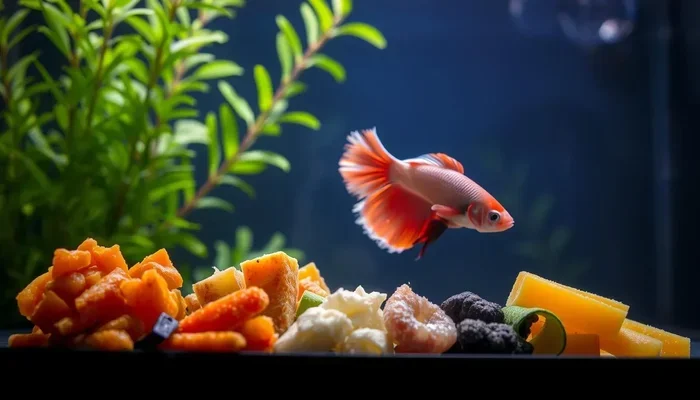
Not all fish food is created equal, and this is especially true for bettas. The best betta fish food types include high-quality pellets, freeze-dried foods, frozen foods, and occasional live treats. Let us break down each option so you can build the perfect meal plan for your fish.
Betta Pellets
Premium betta pellets should be your go-to staple food. They are nutritionally balanced and designed specifically for bettas. When selecting pellets, choose a brand that sinks slowly, as bettas prefer to eat from the middle or top of the water column. Soak pellets for a few minutes before feeding to prevent them from expanding in your fish’s stomach, which can cause bloating.
Freeze-Dried and Frozen Foods
Freeze-dried bloodworms and brine shrimp make excellent treats for bettas. They are packed with protein and most bettas love them. However, these should be given in moderation, no more than once or twice a week. Freeze-dried foods lack the moisture content of live or frozen foods, so overfeeding them can lead to digestive issues.
Frozen foods like bloodworms, daphnia, and brine shrimp are closer to a betta’s natural diet. They retain more nutrients and moisture. Thaw frozen food in a small cup of tank water before adding it to the aquarium. This ensures the food is at the right temperature and easy for your betta to eat.
Live Foods
Live foods are the closest thing to what bettas eat in the wild. Mosquito larvae, brine shrimp, and daphnia are all excellent choices. Live foods encourage natural hunting behavior and provide enrichment. However, they can carry parasites or bacteria if sourced from unreliable suppliers. Only purchase live foods from reputable pet stores or trusted breeders.
Foods to Avoid
Some foods may seem harmless but can actually harm your betta. Avoid feeding your fish bread, crackers, or human food scraps. These contain fillers, preservatives, and ingredients that bettas cannot digest. Also, stay away from generic tropical flakes, which do not provide enough protein for a carnivorous fish like a betta.
Common Feeding Mistakes and How to Avoid Them
Even the most dedicated betta owners make feeding mistakes. The good news is that most of these errors are easy to fix once you know what to look for. Here are the most common mistakes and how to correct them.
Overfeeding
Overfeeding a betta fish is the single most common mistake in fish keeping. Excess food that your betta does not eat will sink to the bottom and decompose. This releases ammonia and nitrites into the water, which can spike your tank parameters and harm your fish. Bloating from overeating is also a leading cause of swim bladder problems in bettas.
The fix is simple: less food, more often measured. Stick to the two-minute rule. If there is leftover food after two minutes, you have given too much. Remove any uneaten food with a small net to keep your tank water clean.
Feeding on an Inconsistent Schedule
Bettas thrive on routine. Feeding at the same times each day helps regulate their metabolism and reduces stress. Irregular feeding schedules can cause your betta to become overly hungry or anxious, leading to aggressive behavior or lethargy. Set alarms on your phone if needed to keep your betta fish feeding schedule consistent.
Ignoring Hunger vs. Begging Behavior
Here is a tricky one. Bettas learn to beg for food very quickly, and many owners mistake this begging for actual hunger. A betta that swims to the front of the tank and watches you expectantly may simply be excited about feeding time, not starving. Feed on a schedule rather than responding to every begging display. Your fish will be perfectly healthy with a consistent routine.
How Tank Setup Affects Feeding
Your tank setup plays a bigger role in feeding than most people realize. The size of your tank, the water temperature, and the presence of other fish all affect how much and how often you should feed your betta.
Bettas need a properly heated tank of at least 5 gallons. Cold water slows down a betta’s metabolism, which means they digest food more slowly and need less food overall. If your tank is too cold, reduce portion sizes and watch for signs of digestive discomfort like bloating or lethargy.
In a community tank, feeding becomes more complex. Other fish may eat the betta’s food before the betta gets to it, or the betta may eat too much because food is constantly available. If you have a community setup, consider feeding the betta separately using a feeding ring or by hand to ensure they get the right amount.
Also, keep in mind that tank maintenance affects feeding. In a well-filtered and regularly cleaned tank, leftover food breaks down faster and poses less risk. In a tank with poor filtration, even small amounts of uneaten food can cause water quality issues. Make sure your filter is running properly and you are doing regular water changes to support a healthy feeding routine.
Signs Your Betta Is Not Eating Enough or Eating Too Much
Learning to read your betta’s body language helps you fine-tune their feeding routine. Here are some signs to watch for on both ends of the spectrum.
Signs of Underfeeding
- Visible loss of body mass or a sunken belly
- Lethargy and reduced activity levels
- Faded colors and dull fins
- Refusing food consistently for more than two days
Signs of Overfeeding
- A swollen or bloated belly that does not flatten
- Floating at the top of the tank or struggling to stay upright
- Excessive waste in the tank and cloudy water
- Loss of appetite despite food being available
If you notice any of these signs, adjust your feeding routine immediately. For overfeeding, skip a meal or two and increase water changes. For underfeeding, gradually increase portion sizes and monitor your fish’s response. How much does a betta fish need to eat is not a one-size-fits-all answer, and paying attention to your individual fish is the best way to get it right.
Expert Tips for Perfect Betta Feeding
Here are some pro tips that experienced betta keepers swear by. These small adjustments can make a big difference in your fish’s health and happiness.
- Soak pellets before feeding. This prevents them from expanding in your betta’s stomach and causing bloating.
- Use a feeding ring. A feeding ring keeps food in one place and prevents it from getting sucked into the filter.
- Vary the diet. Rotate between pellets, frozen foods, and occasional treats to provide nutritional variety.
- Feed in low light. Bettas feel more comfortable eating in dim conditions. Turn off bright tank lights during feeding time.
- Do not feed right after a water change. Wait at least 30 minutes after a water change to let your betta settle in.
These tips might seem small, but they add up over time. A well-fed betta is a healthy betta, and a healthy betta will reward you with brilliant colors, active swimming, and a lively personality that makes every interaction enjoyable.
Conclusion
Getting the feeding amount right is one of the most impactful things you can do for your betta fish. Remember that how much does a betta fish need to eat comes down to small, measured portions given on a consistent schedule. Two to three pellets twice a day, with a fasting day each week, is a solid baseline that works for most bettas. Pair this with high-quality food, clean water, and a properly heated tank, and your betta will thrive for years to come.
Every betta is different, so do not be afraid to adjust based on what your fish tells you. Watch their body condition, their energy levels, and their eating behavior. With a little patience and attention, you will become an expert at feeding your betta in no time. Your fish will show you how grateful they are through vibrant colors and joyful, energetic swimming every single day.
Frequently Asked Questions
Can I feed my betta fish once a day instead of twice?
Yes, once-daily feeding is perfectly fine for adult bettas. Just make sure the single feeding provides enough nutrition. Some owners prefer once-daily feeding because it gives the fish a longer fasting period, which supports digestion. Adjust portion sizes so your betta gets enough food in one meal.
What happens if I overfeed my betta fish?
Overfeeding can cause bloating, constipation, and swim bladder disease. Uneaten food also decays in the tank, spiking ammonia levels and degrading water quality. If you accidentally overfeed, remove the excess food immediately and skip the next feeding to give your betta’s digestive system a chance to recover.
How do I know if my betta is still hungry after eating?
Bettas often beg for food even when they are full. This is learned behavior, not true hunger. Wait a few minutes after feeding and observe your fish. If they stop displaying hungry behaviors, they are likely satisfied. Stick to your schedule rather than responding to begging.
Can I feed my betta fish human food?
Most human foods are not suitable for bettas. They lack the protein content bettas need and may contain ingredients that are hard to digest. Occasionally, a tiny piece of cooked pea (without the shell) can help with constipation, but this should be a rare treat, not a regular meal.
Is it okay to skip feeding my betta for a day?
Skipping one meal occasionally is perfectly safe and actually beneficial for digestion. Many betta owners fast their fish one day per week. Bettas can easily go a day without food without any negative effects. Just make sure you resume normal feeding the next day.
How long can a betta fish go without eating?
A healthy adult betta can go up to 14 days without food, though this is not recommended as a regular practice. Short fasting periods of 1-2 days are beneficial and help prevent digestive issues. If your betta refuses food for more than three days, check water parameters and temperature to rule out environmental causes.