How Much Do Betta Fish Need to Eat
Knowing how much do betta fish need to eat is one of the most important parts of keeping your betta healthy. A proper feeding routine prevents overfeeding, supports digestion, and keeps your fish active and colorful. This guide covers portion sizes, feeding frequency, food types, and common mistakes so you can feed your betta with confidence.
If you own a betta fish, you have probably stared at your tank wondering, “how much do betta fish need to eat?” It is a really common question, and for good reason. Feeding your betta the right amount keeps them healthy, colorful, and active. Too little food and your fish goes hungry. Too much and you risk serious health problems and dirty water.
The truth is, how much do betta fish need to eat depends on a few simple factors. Their age, size, activity level, and the type of food all play a role. But the general rule is straightforward: small portions, fed consistently, with room for occasional variety. In this guide, we will walk you through everything you need to know about betta fish feeding so you can feel confident every time you approach the tank.
How much do betta fish need to eat is not just about quantity. It is also about timing, food quality, and understanding your fish’s behavior. Whether you are a first-time betta owner or have had fish for years, this article will give you practical advice you can use right away. Let us dive in and make feeding time easy and stress-free for both you and your betta.
Key Takeaways
- Feed small amounts twice a day: This matches a betta’s natural eating habits and prevents overfeeding.
- Portion size matters: Only give what your betta can eat in 2 minutes, roughly the size of its eye.
- Variety is key: Rotate between pellets, flakes, and frozen foods for balanced nutrition.
- Overfeeding is the biggest risk: Uneaten food ruins water quality and can make your betta sick.
- Watch for hunger cues: A healthy betta shows excitement at feeding time and eats eagerly.
- Fast your betta once a week: This helps digestion and prevents constipation.
📑 Table of Contents
- Understanding How Much Betta Fish Need to Eat
- How Much Food Should a Betta Fish Eat Per Meal?
- Best Foods for Betta Fish and How They Affect Diet
- Common Feeding Mistakes That Harm Your Betta
- How to Tell if You Are Feeding Your Betta the Right Amount
- The Role of Fasting in Betta Fish Health
- Quick Tips for Perfect Betta Feeding
- Conclusion
Understanding How Much Betta Fish Need to Eat
How much do betta fish need to eat each day? The short answer is small amounts, twice a day. Bettas are not big eaters despite their hearty appetite. Their stomachs are roughly the size of their eyeball, which gives you a clear picture of how much food is appropriate.
In the wild, bettas eat small insects and larvae throughout the day. They do not sit down for one big meal. Instead, they nibble and graze. This natural eating pattern should guide how you feed your pet betta at home.
The 2-Minute Rule
A great way to measure the right amount is the 2-minute rule. Drop a small pinch of food into the tank and watch your betta eat. If there is still food left after 2 minutes, you have given too much. Remove the uneaten food right away to keep the water clean.
Uneaten food sinks to the bottom and decays quickly. This releases ammonia, which is toxic to bettas. Even a small amount of leftover food can spike your tank’s ammonia levels. That is why betta fish feeding discipline matters so much.
How Often Should You Feed Your Betta?
Most experts agree that feeding your betta twice a day is ideal. Once in the morning and once in the evening works well. This mirrors their natural grazing behavior and keeps their metabolism steady. For more details on feeding frequency, check out our guide on how often you need to feed a betta fish.
Some owners prefer a once-a-day feeding schedule, and that can work too. If you feed once a day, give a slightly larger portion. But twice a day with smaller amounts is generally better for digestion and overall health.
How Much Food Should a Betta Fish Eat Per Meal?
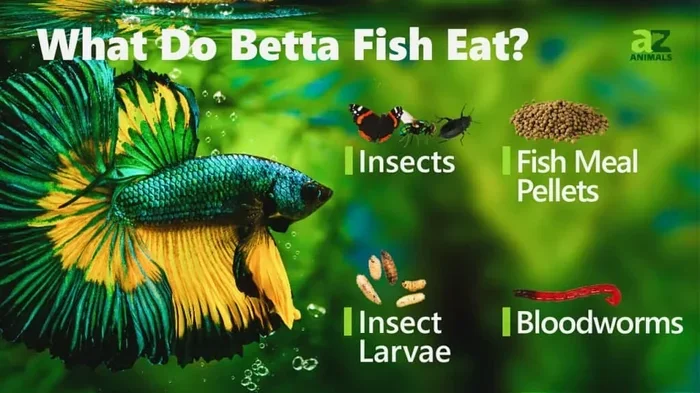
When it comes to how much to feed a betta fish per meal, the answer is surprisingly small. A single betta pellet or 2 to 3 flakes per feeding is usually enough. If you are using frozen or live foods like bloodworms, a small pinch is sufficient.
Think of it this way. You are feeding your betta roughly the same size as its eyeball. That is a tiny amount, but it is the right amount. Bettas are prone to overeating because they have a strong appetite. As their owner, it is your job to be the gatekeeper.
Portion Sizes by Food Type
Different foods require different portion sizes. Here is a quick breakdown:
- Betta pellets: 2 to 4 pellets per meal, depending on the size of the pellet.
- Betta flakes: A small pinch, about 1 to 2 flakes, per feeding.
- Frozen bloodworms: A tiny pinch, 2 to 3 worms, once or twice a week.
- Live brine shrimp: 2 to 3 shrimp per meal as an occasional treat.
- Freeze-dried foods: Soak them first, then give a small amount, 1 to 2 pieces.
These portions keep your betta healthy without overwhelming its digestive system. If you want to learn more about specific feeding amounts, read our article on how much to feed a betta fish.
Best Foods for Betta Fish and How They Affect Diet
The type of food you choose affects how much your betta needs to eat. A balanced betta fish diet includes a mix of protein-rich foods that mimic what they would eat in the wild. Not all foods are created equal, and some fill your betta up with empty calories.
High-Quality Pellets
Betta-specific pellets should be the foundation of your fish’s diet. Look for pellets with a high protein content, ideally 35% or more. These are specially formulated for bettas and provide the nutrients they need. Quality pellets also hold their shape well and do not cloud the water as quickly.
Flakes Versus Pellets
Many beginners start with flakes, but pellets are generally better for bettas. Flakes dissolve quickly and can cloud the tank. Pellets sink more slowly and give your betta time to find and eat them. If you use flakes, only give a tiny amount and remove any uneaten pieces within a few minutes.
Treats and Variety
Treats like frozen bloodworms, brine shrimp, and daphnia are excellent for adding variety. They should make up no more than 10% to 15% of your betta’s diet. Use them as a reward or supplement, not a main meal. Too many treats can lead to betta fish obesity and nutritional imbalances.
For more ideas on what to feed your betta, check out our guide on how much does a betta fish eat and how to build a proper diet plan.
Common Feeding Mistakes That Harm Your Betta
Even experienced fish owners make mistakes when it comes to how much do betta fish need to eat. Being aware of these common errors can save your betta from serious health problems.
Overfeeding
Overfeeding is the number one mistake betta owners make. It is tempting to give your fish more food because they seem hungry or excited. But bettas will eat almost anything you give them, even when they are full. Overfeeding leads to bloating, constipation, and a shortened lifespan.
Excess food also decomposes in the tank, raising ammonia and nitrate levels. This creates a toxic environment that stresses your fish and can lead to disease. Always err on the side of less food rather than more.
Feeding Too Frequently
Some owners feed their bettas three or four times a day, thinking more is better. This is not the case. Too many feedings can overload your betta’s digestive system and cause weight gain. Stick to a consistent feeding schedule of twice a day with measured portions.
Skipping Days Without Reason
On the other hand, skipping feedings regularly can leave your betta malnourished. Bettas need daily nutrition to stay healthy. The only time you should skip a meal is during a scheduled weekly fast, which actually benefits their digestion.
How to Tell if You Are Feeding Your Betta the Right Amount
Understanding your betta’s behavior around feeding time gives you valuable clues. A well-fed betta shows specific signs that tell you everything is on track.
Signs Your Betta Is Getting Enough Food
- Your betta eats eagerly within seconds of food hitting the water.
- The fish maintains a healthy, rounded body shape without looking bloated.
- Colors stay vibrant and fins remain flowing and bright.
- Your betta is active and swims around the tank regularly.
- Waste is normal and water parameters stay stable between changes.
Signs You Are Overfeeding
- Food sits uneaten in the tank for more than a few minutes.
- Your betta looks bloated or has a swollen belly.
- The water gets cloudy or foul-smelling shortly after feeding.
- Your betta becomes lazy and spends more time resting at the bottom.
- You notice a buildup of debris or algae spikes after meals.
If you notice any of these overfeeding signs, reduce the portion size immediately. You can also do a small water change for betta fish to remove excess food and toxins. For step-by-step instructions, visit our guide on how to do a water change for betta fish.
The Role of Fasting in Betta Fish Health
Fasting might sound strange, but it is actually very beneficial for bettas. Giving your fish a break from food once a week helps clear their digestive system and prevents constipation. Bettas in the wild sometimes go days between meals, so a weekly fast mimics their natural rhythm.
You can skip one feeding per week, or even go a full 24 hours without food. Your betta will be just fine. In fact, many owners report that their fish become more active and eager to eat after a fast day. This simple practice supports healthy digestion and can even extend your betta’s lifespan.
If your betta refuses to eat even during regular feeding times, that is a different issue. Check out our article on what to do when your betta fish won’t eat for helpful troubleshooting tips.
Quick Tips for Perfect Betta Feeding
- Feed at the same times every day to build a routine.
- Use the 2-minute rule to avoid giving too much food.
- Rotate between pellets, flakes, and frozen treats for variety.
- Soak freeze-dried foods before offering them to your betta.
- Remove uneaten food within 5 minutes of feeding.
- Fast your betta once a week for better digestion.
- Watch your fish’s body shape and adjust portions accordingly.
- Keep water quality high with regular water changes and proper filtration.
These simple habits make a huge difference in your betta’s health and happiness. Consistent, mindful feeding is one of the easiest ways to ensure your fish thrives for years to come.
Conclusion
Figuring out how much do betta fish need to eat does not have to be complicated. Stick with small portions, feed twice a day, and watch your fish’s behavior for clues. A balanced diet of quality pellets, occasional treats, and a weekly fast keeps your betta in great shape.
Remember, less is almost always more when it comes to feeding bettas. Your fish will stay healthier, the water will stay cleaner, and you will avoid the most common pitfalls of betta ownership. With the right betta fish feeding routine in place, you can enjoy watching your colorful companion thrive every single day.
Take what you have learned here and put it into practice at your next feeding. Your betta will thank you with bright colors, energetic swimming, and a long, happy life.