Betta fish are surprisingly smart and can learn simple behaviors with patience and consistency. By using positive reinforcement, proper tank setup, and regular interaction, you can teach your betta to follow a finger, push a ball, or even recognize its name.
Key Takeaways
- Betta intelligence: Bettas possess a good memory and can associate cues with rewards.
- Positive reinforcement works: Food treats and gentle praise are the best motivators.
- Consistent routine matters: Short, daily sessions keep the fish engaged without stress.
- Tank environment is crucial: A clear view, stable water parameters, and minimal distractions aid learning.
- Simple tricks are possible: Following a finger, swimming through hoops, and pushing a floating ball are beginner-friendly.
- Patience pays off: Progress may be slow, but steady effort yields noticeable results.
- Safety first: Never force a betta; always respect its comfort zone.
📑 Table of Contents
- Introduction: Why Train a Betta?
- Understanding Betta Intelligence
- Setting Up a Training‑Friendly Tank
- Training Basics: Positive Reinforcement
- Step‑by‑Step Tricks You Can Teach
- Common Challenges and How to Overcome Them
- When to Stop: Knowing Your Betta’s Limits
- Conclusion: The Joy of a Trained Betta
- Further Reading
Introduction: Why Train a Betta?
When most people think of betta fish, they picture a solitary, flashy swimmer that lives happily in a tiny bowl. In reality, bettas are curious, intelligent creatures that thrive when given mental stimulation. Training isn’t just a party trick—it enriches their lives, reduces boredom, and strengthens the bond between you and your fish.
In this guide we’ll explore how bettas learn, the tools you need, and step‑by‑step methods for teaching simple tricks. By the end, you’ll feel confident that “Can betta fish be trained?” is a resounding yes.
Understanding Betta Intelligence
What Makes Bettas Smart?
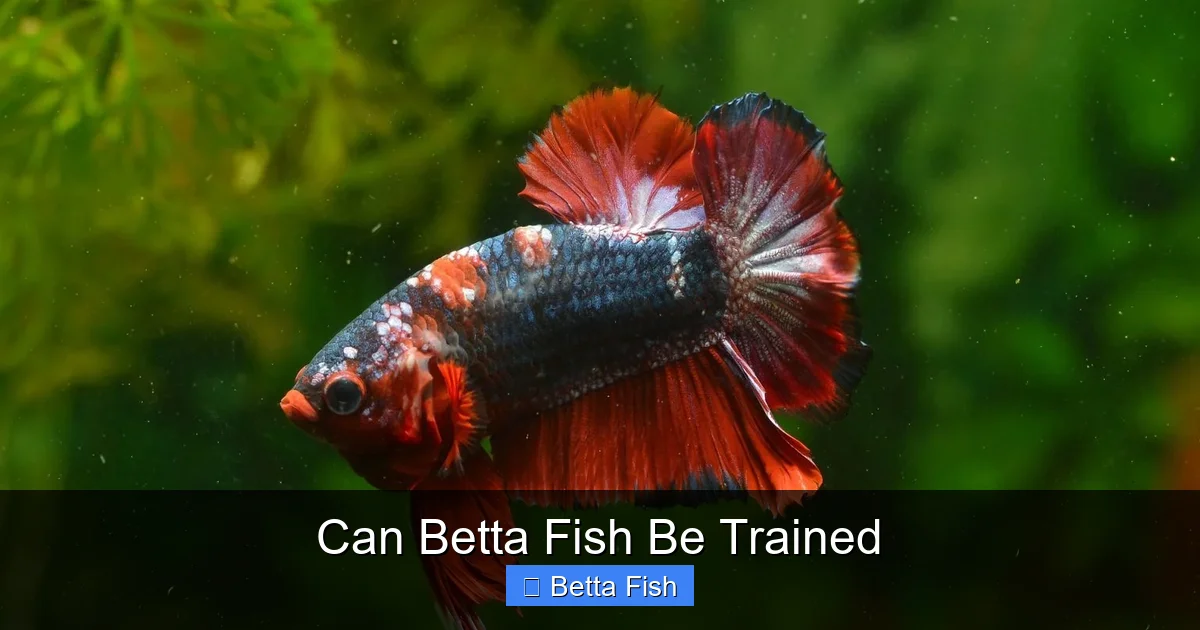
Bettas belong to the gourami family, known for their labyrinth organ and ability to breathe air. Their natural habitats—slow‑moving waters of Southeast Asia—require them to navigate complex environments, recognize rivals, and find food. These survival skills translate into a capacity for learning in captivity.
Visual guide about Can Betta Fish Be Trained
Image source: fishkeepingadvice.com
Memory and Learning Style
Studies on fish cognition show that many species can remember patterns for weeks. Bettas are no exception; they can associate a visual cue (like a finger) with a food reward after just a few repetitions. This is classic classical conditioning, the same principle used to train dogs.
Setting Up a Training‑Friendly Tank
Clear Sightlines
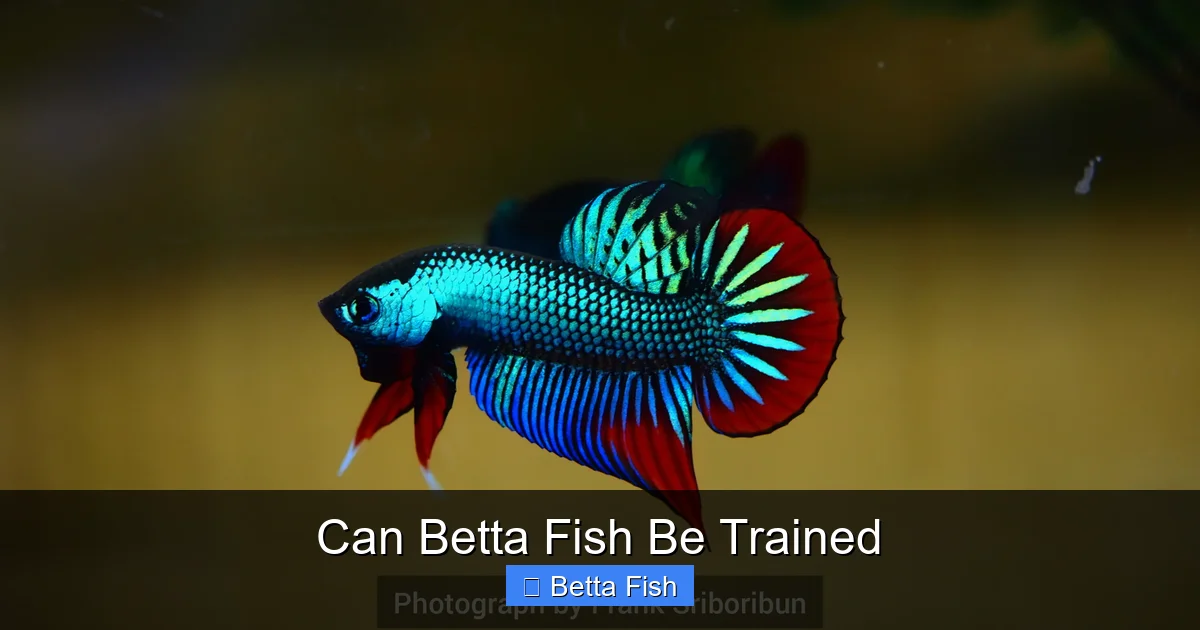
For a betta to follow a cue, it must see it clearly. Use a glass or acrylic tank with minimal background clutter. A plain background (black or white) helps the fish focus on your hand or training prop.
Visual guide about Can Betta Fish Be Trained
Image source: i.redd.it
Stable Water Conditions
Stress kills learning. Keep temperature between 76‑82°F, pH 6.5‑7.5, and maintain ammonia and nitrite at zero. A well‑filtered, heated tank of at least 5 gallons gives your betta room to swim and explore.
Enrichment Items
Include a few floating toys, a small mirror (used sparingly), and a smooth rock or plant for the betta to interact with. These objects become the “targets” for many training exercises.
Training Basics: Positive Reinforcement
Why Food Rewards Work
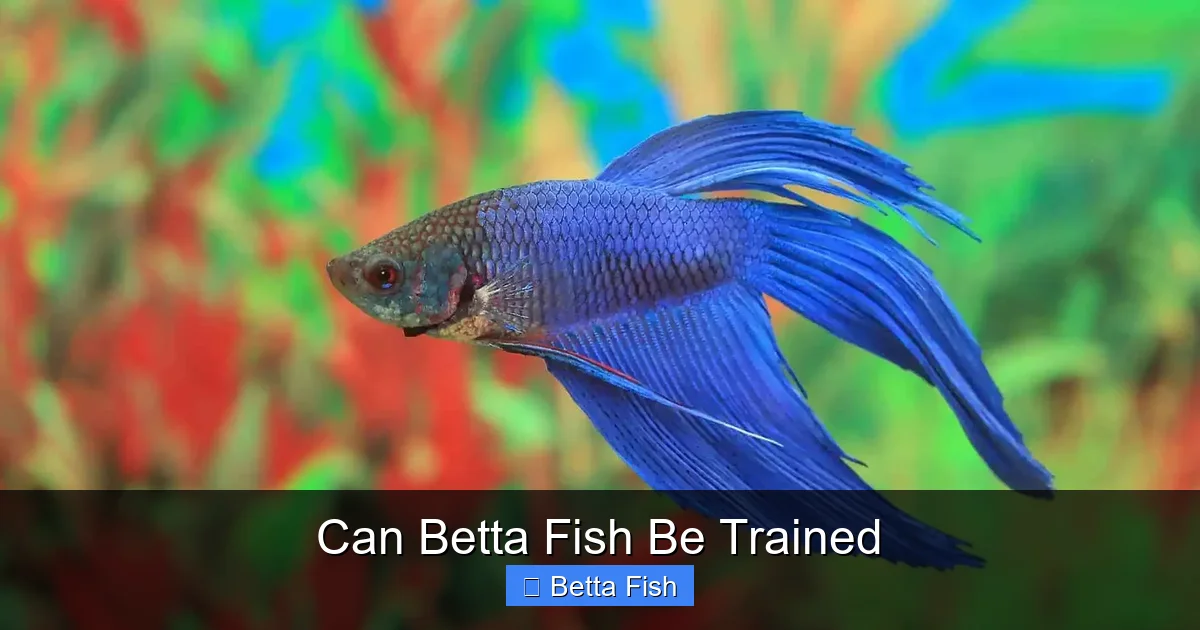
Bettas are naturally food‑motivated. Small pieces of high‑quality betta pellets, frozen brine shrimp, or daphnia work well. Offer a treat only when the desired behavior occurs; this strengthens the connection between action and reward.
Visual guide about Can Betta Fish Be Trained
Image source: bettasource.com
Timing Is Everything
Deliver the treat within two seconds of the behavior. Delayed rewards confuse the fish and break the learning chain.
Session Length and Frequency
Keep sessions short—5‑10 minutes—and repeat them daily. Short bursts prevent fatigue and keep the betta eager.
Step‑by‑Step Tricks You Can Teach
1. Follow the Finger
Goal: The betta swims toward your moving finger.
- Place the betta in a clear tank with good lighting.
- Hold a finger just above the water surface, a few inches away.
- Move the finger slowly toward the fish. When it swims forward, immediately drop a tiny food pellet.
- Repeat, gradually increasing the distance.
After several days, the betta will associate the approaching finger with a treat and will start swimming toward it on cue.
2. Push a Floating Ball
Goal: The betta nudges a lightweight ball across the water.
- Choose a small, smooth plastic or silicone ball that floats.
- Place the ball near the betta’s favorite spot.
- Gently tap the ball with a finger. When the betta bumps it, reward instantly.
- Practice until the fish nudges the ball on its own, then guide it toward a target zone.
This trick encourages natural foraging behavior and provides gentle exercise.
3. Swim Through a Hoop
Goal: The betta swims through a clear hoop or ring.
- Use a small, PVC hoop (about 2‑inch diameter) and place it upright in the tank.
- Position a treat on the opposite side of the hoop.
- When the betta swims toward the treat and passes through the hoop, reward.
- Gradually lower the hoop’s height to increase difficulty.
Patience is key—some bettas may need weeks to understand the concept.
4. Recognize Its Name
Goal: The betta swims to the front of the tank when you say its name.
- Choose a short, distinct name.
- Say the name in a calm voice while holding a treat near the water surface.
- When the betta approaches, give the treat.
- Practice daily, slowly phasing out the treat so the name alone triggers the response.
Consistent vocal tone helps the fish differentiate the cue from background noise.
Common Challenges and How to Overcome Them
Short Attention Span
If the betta loses interest, shorten the session or change the reward. Some fish respond better to live foods like brine shrimp than to pellets.
Fear of New Objects
Introduce toys or hoops gradually. Start with the object placed far from the fish, then move it closer as confidence builds.
Aggression or Stress
Never force a betta to perform. If it flares or darts away, end the session and try again later. Ensure the tank is not overcrowded and that water quality is optimal.
When to Stop: Knowing Your Betta’s Limits
Training should always enhance, not diminish, a betta’s wellbeing. Signs that you’ve pushed too far include constant hiding, loss of appetite, or frequent flaring. If you observe any of these, give your fish a break of several days and reassess the training plan.
Remember, the ultimate goal is a happier, healthier fish—not a perfect performer.
Conclusion: The Joy of a Trained Betta
Yes—betta fish can be trained! With patience, consistent positive reinforcement, and a calm environment, you can teach your betta simple tricks that stimulate its mind and deepen your connection. Start with easy tasks like “follow the finger,” and gradually progress to more complex behaviors. Celebrate each small victory, and always prioritize your fish’s comfort.
Training not only proves how clever these little fighters are, it also turns a routine tank into a dynamic playground. So grab a treat, a gentle hand, and begin the rewarding journey of teaching your betta today.
Further Reading
- Which Betta Fish Can Be Together – Learn about compatible betta pairings for social enrichment.
- What Can Betta Fish Eat – Discover the best treats for training sessions.
- What Fish Can Be With A Betta – Find tank mates that keep your betta stimulated without stress.
Frequently Asked Questions
Can betta fish learn simple tricks?
Yes. Bettas can be taught to follow a finger, push a ball, or swim through a hoop using positive reinforcement and short, consistent training sessions.
How often should I train my betta?
Train for 5‑10 minutes daily. Frequent, brief sessions keep the fish engaged and prevent stress.
What type of reward works best?
Small pieces of high‑quality betta pellets, frozen brine shrimp, or daphnia are most effective because bettas are highly food‑motivated.
Is it safe to use a mirror during training?
Mirrors can stimulate a betta’s natural aggression and should be used sparingly, only as a short‑term motivator, not as a regular training tool.
Can older bettas still be trained?
Absolutely. While younger fish may learn faster, older bettas can still form new associations with patience and consistent rewards.
What signs indicate my betta is stressed?
Frequent flaring, hiding, loss of appetite, or erratic swimming suggest stress. Stop training, check water parameters, and give the fish time to recover.

