How Can You Tell If a Betta Fish Is Stressed

You can tell if a betta fish is stressed by watching for clamped fins, loss of color, rapid breathing, hiding, and loss of appetite. Stress in betta fish can come from poor water quality, wrong tank size, aggressive tank mates, or sudden changes in their environment. The good news is that most stress signs are easy to spot early, and you can take simple steps to keep your betta healthy and happy.
Betta fish are beautiful, lively creatures that bring a lot of joy to any home. But sometimes, these little guys get stressed out, and it can be hard to tell what is going wrong. If you have ever wondered how can you tell if a betta fish is stressed, you are in the right place. This guide walks you through every sign, cause, and solution so you can keep your betta healthy and thriving.
Stress in betta fish is more common than most people think. Whether it comes from a tiny tank, bad water, or the wrong tank mates, stress can weaken your fish fast. The earlier you catch it, the easier it is to fix. Let us dive into the signs and symptoms you need to watch for.
Key Takeaways
- Physical signs like clamped fins, faded color, and stress stripes are clear indicators that your betta is stressed.
- Behavioral changes such as hiding, lethargy, and loss of appetite should never be ignored.
- Poor water quality, wrong tank size, and aggressive tank mates are the most common causes of betta stress.
- Stress can lead to serious illness, so catching it early is essential for your betta’s survival.
- Simple fixes like water changes, proper tank setup, and the right diet can greatly reduce stress.
- If you notice signs of a dying betta, act quickly and check for underlying health issues.
📑 Table of Contents
- Common Signs of a Stressed Betta Fish
- What Causes Stress in Betta Fish
- How to Reduce Stress in Your Betta Fish
- When Stress Leads to Serious Health Problems
- How to Tell If Your Betta Fish Is Stressed vs. Happy
- Quick Tips for a Stress-Free Betta Fish
- Expert Insights on Betta Fish Stress
- Final Thoughts
Common Signs of a Stressed Betta Fish
Betta fish cannot tell you when something is wrong. But their body and behavior send clear signals. Here are the most common signs that your betta is under stress.
Clamped Fins
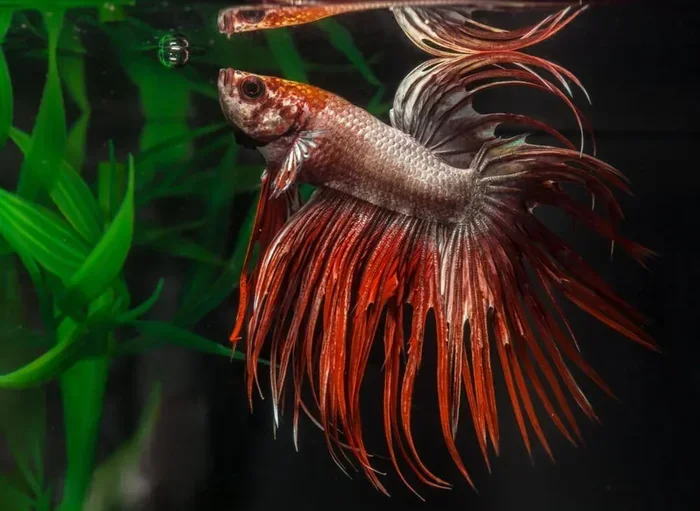
One of the earliest and most obvious signs is clamped fins. This means your betta holds its fins close to its body instead of spreading them out. A healthy betta will display wide, flowing fins. When fins stay tight against the body, something is wrong. This is one of the first things to check when your betta looks off.
Loss of Color
A happy betta fish shows bright, vivid colors. When stress kicks in, those colors fade. You may notice your betta looking pale or washed out. Some bettas even turn white or develop muted tones. This color loss happens because stress affects blood flow and overall health.
Stress Stripes
Female bettas sometimes develop dark horizontal stripes when they are stressed. These are called stress stripes. They appear along the body and can be a clear visual clue. If you notice these stripes, it is time to check the tank conditions right away.
Rapid Breathing
Watch how your betta breathes. A relaxed betta breathes slowly and steadily. If you notice rapid breathing or gasping at the surface, that is a red flag. Fast breathing often means the water quality is poor or the oxygen level is too low.
Hiding and Lethargy
Betta fish are naturally curious and active. A stressed betta will hide behind plants, sit at the bottom, or barely move. If your fish seems uninterested in food or refuses to swim around, stress could be the cause.
Loss of Appetite
Most bettas are eager eaters. If your betta ignores food or spits it out, pay attention. A loss of appetite is one of the strongest signs that something is off. This can also be a sign that your betta is sick, so it is important to monitor closely.
What Causes Stress in Betta Fish
Now that you know the signs, let us look at what triggers stress in the first place. Understanding the causes helps you prevent problems before they start.
Wrong Tank Size
Many people keep bettas in bowls or tiny tanks. This is one of the biggest mistakes. Bettas need at least 5 gallons of water to stay healthy. A small tank means waste builds up fast, and the water quality drops quickly. This creates a stressful environment that can make your fish sick.
Poor Water Quality
Dirty water is the number one enemy of betta fish. Ammonia and nitrite levels can spike in an unclean tank. Even small amounts of these chemicals can harm your fish. Regular water changes and proper filtration keep the water safe and comfortable.
Wrong Water Temperature
Bettas are tropical fish and need warm water. The ideal temperature is between 76 and 82 degrees Fahrenheit. Water that is too cold or too hot causes stress. A good aquarium heater helps maintain a steady temperature.
Aggressive Tank Mates
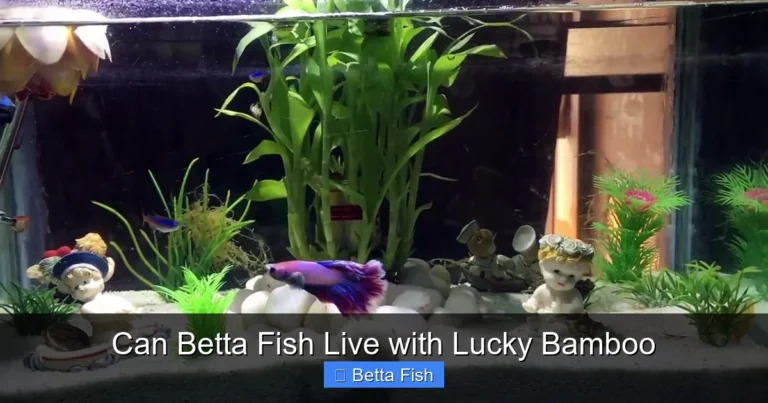
Not all fish get along with bettas. Some fish nip at betta fins or bother them constantly. If you are wondering can you put two betta fish in a tank together, the answer is usually no. Male bettas are especially territorial and should not share a tank with another male. Even some peaceful fish can cause stress by chasing or harassing your betta.
Sudden Changes in the Environment
Bettas are creatures of habit. Moving their tank, changing the décor, or adding new fish suddenly can shock them. Any big change in their environment can trigger stress. If you need to make changes, do them slowly and one at a time.
Overcrowding
Too many fish in one tank creates competition for food and space. It also raises ammonia levels fast. Overcrowding is a hidden stressor that many new fish owners overlook. Keep the tank size appropriate for the number of fish you have.
Lack of Enrichment
A bare tank with nothing to explore can bore your betta. Bettas are curious fish that like to swim through plants and explore their surroundings. Adding plants, caves, and gentle decorations gives them mental stimulation and helps them feel safe.
How to Reduce Stress in Your Betta Fish
Once you identify the source of stress, you can take action. Here are proven ways to keep your betta calm and comfortable.
Keep the Water Clean
Do regular water changes, about 25 to 30 percent every week. Use a water conditioner to remove chlorine and chloramine from tap water. Test the water frequently with a liquid test kit to make sure ammonia and nitrite levels stay at zero.
Maintain the Right Temperature
Use a reliable aquarium heater with a thermostat. Keep the temperature steady in the ideal range. Avoid placing the tank near windows, vents, or drafts where the temperature can swing.
Choose the Right Tank Size
A 5-gallon tank is the minimum for a single betta. Larger tanks are even better because they provide more stable water conditions. A bigger tank gives your betta room to swim and explore, which reduces stress.
Add Live Plants and Hiding Spots
Live plants like Java moss or Amazon sword plants create a natural, calming environment. They also help filter the water. Add caves, driftwood, or smooth rocks where your betta can retreat and feel safe.
Feed a Balanced Diet
Offer high-quality betta pellets as the staple food. Supplement with frozen or live foods like brine shrimp and bloodworms a few times a week. A varied diet keeps your betta healthy and interested in eating. Avoid overfeeding, which can pollute the water and cause health problems.
Minimize Noise and Sudden Movements
Place the tank in a quiet area of your home. Avoid tapping on the glass or making loud noises near the tank. Bettas can get startled easily, and constant disturbance adds up over time.
When Stress Leads to Serious Health Problems
Stress weakens your betta’s immune system over time. A weakened fish becomes much more vulnerable to disease. Here are some serious health problems that can develop when stress goes untreated.
Fin Rot
Fin rot is a bacterial infection that causes the fins to look ragged and torn. It often starts when a betta is stressed or kept in poor water conditions. If you notice torn or discolored fins, treat the water and consider a mild antibacterial medication.
Ich (White Spot Disease)
Ich shows up as tiny white spots on the body and fins. It spreads fast in stressed fish. The main cause is usually a sudden temperature drop or poor water quality. Raising the temperature slightly and using medication can help clear it up.
Betta Fish Dying From Stress
In severe cases, prolonged stress can lead to a dying betta fish. If your betta shows multiple signs of stress and illness at the same time, the situation is urgent. Learn the signs of a betta fish that is dying so you can act fast. Check for how can you tell if a betta fish is dying and seek treatment immediately.
How to Tell If Your Betta Is Sick vs. Stressed
Sometimes it is hard to tell the difference between stress and illness. Both share similar symptoms like loss of appetite and hiding. However, illness often comes with visible spots, swelling, or unusual growths. If you are unsure, check your how can you tell if your betta fish is sick guide for more detailed signs. Treating stress early can prevent illness from developing in the first place.
How to Tell If Your Betta Fish Is Stressed vs. Happy
Understanding the difference between a stressed and a happy betta makes a big difference in how you care for them. Here is a quick comparison.
- Color: A happy betta shows bright, vibrant colors. A stressed betta looks pale or faded.
- Fins: A relaxed betta spreads its fins wide. A stressed betta clamps its fins tight.
- Activity Level: A happy betta swims around curiously. A stressed betta hides or stays still.
- Appetite: A healthy betta eats eagerly. A stressed betta ignores food.
- Breathing: A calm betta breathes slowly. A stressed betta breathes rapidly or gasps.
Use this comparison as a daily checklist. Spending a few minutes observing your betta each day helps you catch problems early. The more you know your fish, the easier it becomes to spot changes in behavior or appearance.
Quick Tips for a Stress-Free Betta Fish
Here are some fast, easy tips to keep your betta stress-free every day.
- Test your water parameters weekly with a liquid test kit.
- Perform 25 percent water changes every week without fail.
- Keep the tank temperature between 76 and 82 degrees Fahrenheit.
- Feed small amounts twice a day and remove uneaten food after five minutes.
- Add live plants and gentle hiding spots to the tank.
- Avoid sudden changes in lighting or tank placement.
- Choose peaceful tank mates carefully or keep your betta solo.
- Observe your betta for at least five minutes each day.
Following these simple steps creates a stable, calm environment where your betta can truly thrive. Consistency is the key. Bettas do best when they know what to expect from their surroundings.
Expert Insights on Betta Fish Stress
Many experienced betta keepers agree that prevention is the best medicine. Rather than waiting for stress signs to appear, focus on building a great environment from the start. A well-planned tank with proper filtration, heating, and gentle décor makes all the difference.
Experts also recommend avoiding common myths about betta care. For example, bettas do not thrive in tiny bowls or vases. They need clean, warm, well-cycled water just like any other tropical fish. If you are new to keeping bettas, take time to learn about their natural habitat and needs. The more you understand, the better equipped you are to provide a happy home.
Another expert tip is to watch for patterns. If your betta seems fine in the morning but stressed by evening, something in the daily routine may be causing it. Maybe the tank light is too bright, or maybe a nearby appliance creates vibrations. Small details matter when it comes to betta well-being.
Final Thoughts
Knowing how can you tell if a betta fish is stressed is one of the most important skills any betta owner can have. Stress shows up in many ways, from clamped fins and faded color to hiding and loss of appetite. The good news is that most causes of stress are easy to fix once you identify them.
Keep the water clean, maintain the right temperature, and give your betta enough space. Choose tank mates carefully and provide plenty of enrichment. These simple steps go a long way in keeping your fish happy and healthy. If you ever notice signs that your betta is not doing well, act quickly. Early intervention can prevent serious illness and even save your fish’s life.
A little attention and care every day makes all the difference. Your betta fish depends on you for its well-being, and with the knowledge from this guide, you are well prepared to give it the best life possible.
Frequently Asked Questions
What are the first signs of stress in a betta fish?
The first signs are usually clamped fins, loss of color, and rapid breathing. Your betta may also start hiding more or lose interest in food. These early warning signs are easy to spot if you observe your fish daily.
Can stress kill a betta fish?
Yes, prolonged stress weakens the immune system and can lead to serious illness or death. Stress makes bettas vulnerable to infections and diseases that a healthy fish could normally fight off. Catching and treating stress early is essential for your betta’s survival.
How do I reduce stress in my betta fish?
Keep the water clean with regular changes, maintain the proper temperature, and provide a tank that is at least 5 gallons. Add plants and hiding spots, feed a balanced diet, and avoid sudden changes in the environment. A stable, well-maintained tank is the best way to reduce stress.
Why is my betta fish hiding all the time?
Constant hiding is often a sign of stress or illness. Check the water parameters, temperature, and tank mates first. If everything in the tank looks good, your betta may be feeling unwell. In that case, it is a good idea to look up how to tell if your betta is sick and take action quickly.
Do betta fish get stressed from loneliness?
Bettas are solitary fish and do not need tank mates to be happy. They can actually get stressed by aggressive or overly active fish. A well-set-up tank with plants and décor gives your betta plenty of mental stimulation without the need for companions.
Can poor water quality cause stress in bettas?
Absolutely. Poor water quality is one of the leading causes of stress in betta fish. High levels of ammonia and nitrite can damage your fish’s gills and overall health. Regular water testing and changes are the best way to keep water conditions safe and stress-free.