Where to Buy Betta Fish Online for Healthy Pet Fish
Finding healthy betta fish online requires research and caution. You need to know what signs of illness look like before you click buy. This guide shows you exactly where to buy betta fish online without risking your pet’s life. We cover trusted sellers, shipping concerns, and health checks. Your new friend deserves a safe start in your aquarium.
Key Takeaways
- Research Sellers: Always check reviews and reputation before purchasing betta fish online.
- Inspect Photos: Look for clear, high-quality images showing the fish’s fins and eyes.
- Understand Shipping: Know how temperature and travel time affect fish health during transit.
- Check Policies: Ensure the seller has a live arrival guarantee and return policy.
- Prepare Your Tank: Set up your aquarium before the fish arrives to reduce stress.
- Avoid Impulse Buys: Take time to compare options instead of buying the first fish you see.
- Watch for Illness: Learn common signs of disease to avoid buying sick fish.
📑 Table of Contents
- Introduction to Buying Betta Fish Online
- Best Places to Buy Betta Fish Online
- How to Identify Healthy Betta Fish
- Understanding Shipping and Arrival Guarantees
- Preparing Your Tank Before Purchase
- Acclimating Your New Betta Fish
- Common Mistakes to Avoid When Buying Online
- Expert Insights on Online Purchases
- Conclusion
Introduction to Buying Betta Fish Online
Buying a pet fish is exciting. You want a vibrant friend to brighten your room. But finding a healthy one takes work. Many people search where to buy betta fish online to find the best colors and breeds. It is convenient. You can see many options from home. However, you cannot see the fish in person. This creates risks. You need to know what to look for.
Online stores offer many choices. You might find rare colors you cannot find locally. But convenience comes with responsibility. You must ensure the fish arrives safely. You also need to check if the seller cares about their stock. This article helps you navigate the process. We will share tips on finding trusted sellers. We will also discuss how to prepare your tank. By the end, you will feel confident in your choice.
Best Places to Buy Betta Fish Online
Not all websites are equal. Some specialize in high-quality show fish. Others focus on affordable pets for beginners. You need to decide what you want. If you want a prize winner, look for specialty breeders. If you want a pet, local online retailers might work. Always check their reputation first.
Look for sellers with many reviews. Happy customers usually leave good feedback. You can also join fish keeping forums. People share their experiences there. They might recommend specific stores. This community knowledge is valuable. It helps you avoid bad sellers. You want a partner who cares about fish health.
Some people ask can I buy a good live betta fish online. The answer is yes. But you must be careful. Look for detailed descriptions. Good sellers note the fish’s age and size. They also mention temperament. This information helps you choose the right fish. It shows the seller knows their stock well.
Specialty Breeders Versus General Stores
Specialty breeders often raise fish with care. They monitor water quality closely. Their fish are often healthier. They might cost more. But you get what you pay for. General stores might have lower prices. But their fish might be stressed. They often keep many fish in small spaces. This can lead to disease. Compare both options before deciding.
Checking Seller Reputation
Search for the store name online. Add words like review or scam. See what comes up. Look for patterns in complaints. If many people say fish arrive dead, avoid them. Trust your instincts. A good seller wants you to succeed. They will answer your questions quickly. They will also provide clear contact info.
How to Identify Healthy Betta Fish
You cannot touch the fish online. So you must rely on photos. Look at the eyes first. They should be clear. Cloudy eyes can mean illness. Check the fins too. They should look full and intact. Tears or holes are bad signs. The body should look smooth. Avoid fish with white spots or strange lumps.
Color is another clue. Bright colors often show good health. But some fish fade when stressed. Look at the swimming behavior in videos if available. Healthy fish swim actively. They should not hide all the time. Some people wonder do betta fish hide to die. While hiding can signal stress, it is not always death. But constant hiding is a red flag.
Signs of Stress in Photos
Stress shows in many ways. Clamped fins are a common sign. This means the fins are held close to the body. It shows discomfort. Pale colors can also mean stress. Look for fish that look alert. They should react to movement in the photo. A dull fish might be sick.
Red Flags to Avoid
Avoid fish with visible parasites. Look for small white dots. These could be ich. Also avoid fish with torn tails. Damage can get worse during shipping. Check the water in the photo too. It should look clean. Cloudy water suggests poor tank maintenance. You want a fish from a clean environment.
Understanding Shipping and Arrival Guarantees
Shipping live fish is risky. Temperature changes can harm them. Long travel times add stress. Good sellers pack fish carefully. They use heat packs in winter. They use ice packs in summer. This keeps the temperature stable. You should also check the weather. Do not buy fish during extreme heat or cold.
Always read the policy. A live arrival guarantee is crucial. This means the seller replaces dead fish. Some sellers require photos as proof. Others have time limits. Read the fine print. You do not want surprises. You might also wonder can you ship a betta fish from Thailand to America. International shipping is complex. It often requires special permits. Local shipping is usually safer for beginners.
Temperature Considerations
Betta fish need warm water. They thrive around 78 to 80 degrees. Shipping boxes can get hot or cold. Sellers know this. They prepare for it. You should too. When the fish arrives, check the water temperature. Do not put them in cold water immediately. Acclimate them slowly.
Packaging Standards
Good packaging protects the fish. They use bags with oxygen. They cushion the box well. This prevents damage during transit. Ask the seller about their packing methods. A confident seller will explain their process. This shows they care about safety.
Preparing Your Tank Before Purchase
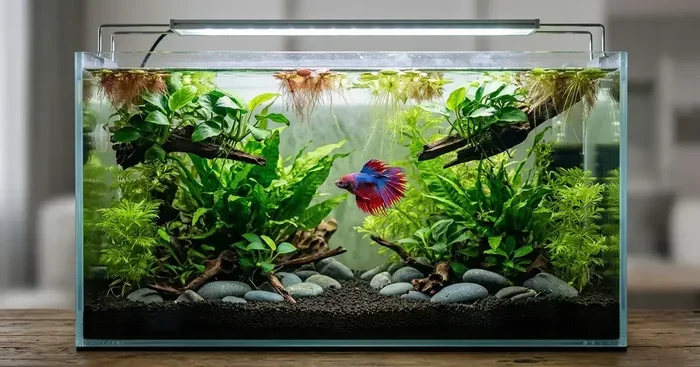
You should set up your tank first. Never buy a fish without a home ready. Cycling the tank is key. This builds good bacteria. These bacteria handle waste. Without them, fish get sick. This process takes weeks. Plan ahead. You want clear water before the fish arrives.
Water quality matters a lot. You might ask do betta fish have to have special water. They need dechlorinated water. Tap water has chlorine. This hurts fish. Use a conditioner. Also, consider filtration. Some wonder do betta fish have to be in a filtered tank. Filters help keep water clean. But the flow must be gentle. Bettas do not like strong currents.
Cycling Your Aquarium
Cycling takes time. You add ammonia to the tank. Bacteria grow to eat the ammonia. Then they produce nitrite. Another bacteria turns nitrite to nitrate. This is the nitrogen cycle. Test your water often. You need zero ammonia and nitrite. Nitrates should be low. This creates a safe home.
Water Temperature and Quality
Keep the water warm. Use a heater. Sudden changes shock the fish. Check the temperature daily. Also, clean the tank regularly. But do not change all the water at once. You might ask do betta fish have to have water changes. Yes, they do. Partial changes remove waste. This keeps the environment healthy.
Acclimating Your New Betta Fish
When the fish arrives, stay calm. Open the box carefully. Check the fish immediately. If it looks very sick, contact the seller. If it looks okay, begin acclimation. Float the bag in your tank. This matches the temperature. Do this for about 15 minutes.
Then mix some tank water into the bag. This helps the fish adjust to new water chemistry. Do not pour the store water into your tank. It might have diseases. Gently move the fish into the tank. Give it space. Do not feed it right away. Let it settle in first.
Quarantine Procedures
Some experts suggest quarantine. This means keeping the fish separate for a while. It stops diseases from spreading. If you have other fish, this is vital. Observe the new fish for signs of illness. If it stays healthy, move it to the main tank. This protects your existing pets.
Feeding After Arrival
Wait a day before feeding. Stress affects appetite. Offer small amounts of food. Bettas have small stomachs. Overfeeding is common. Use high-quality pellets. You might ask can you give betta food to other freshwater fish. Some can eat it, but it is made for bettas. Stick to species-specific food for best health.
Common Mistakes to Avoid When Buying Online
Many new owners make errors. One big mistake is impulse buying. Do not buy the first fish you see. Take time to compare. Another mistake is ignoring reviews. Past customers tell the truth. Also, do not skip the acclimation process. Rushing this harms the fish. Patience is key.
People also forget to check policies. Without a guarantee, you lose money. If the fish dies, you have no recourse. Another error is poor tank prep. An uncycled tank kills fish quickly. Ammonia spikes are dangerous. Always test your water. You want a safe start for your pet.
Ignoring Health Signs
Do not ignore small signs. A tiny spot can become a big problem. Watch your fish after arrival. If it hides too much, check water params. Some ask can you bring a betta fish back to life. Sadly, you cannot revive a dead fish. Prevention is the only cure. Catch issues early.
Skipping Research
Research saves lives. Learn about betta care before buying. Know their needs. They need space and warmth. They also need clean water. Ignorance leads to poor care. Read guides and watch videos. The more you know, the better you care.
Expert Insights on Online Purchases
Experts suggest buying from dedicated hobbyists. They often treat fish better. Mass producers might cut corners. Look for breeders who hand raise fish. These fish are often tamer. They are used to humans. This makes handling easier. It also reduces stress during pickup.
Also, consider the breed. Some breeds have long fins. These fish need more space. They swim slower. Short fin fish are more active. Choose based on your tank size. A small bowl is not enough. Bettas need room to swim. Experts agree on this point.
Long-Term Care Considerations
Buying online is just the start. Long-term care matters more. Keep the water clean. Feed a varied diet. You might wonder can you feed earthworms to betta fish. Yes, live food is good sometimes. But stick to pellets for daily meals. Variety keeps them healthy. Watch their color and energy.
Building a Relationship with Sellers
Good sellers stay in touch. They might ask how the fish is doing. This shows they care. Support sellers who support you. If you have questions, ask them. A good breeder answers honestly. This relationship helps future purchases too.
Conclusion
Finding where to buy betta fish online takes effort. But it is worth it. You get a healthy pet that lasts. Follow the tips in this guide. Check seller reviews. Inspect photos closely. Prepare your tank before buying. Ensure shipping is safe. These steps protect your investment.
Your betta fish deserves a good life. Start with a safe purchase. Then provide great care. Clean water and warm temperatures help. Watch for signs of stress. With love and attention, your fish will thrive. Enjoy your new aquatic friend.
Frequently Asked Questions
Is it safe to buy betta fish online?
Yes, it is safe if you choose reputable sellers. Always check reviews and live arrival guarantees. Research the seller thoroughly before purchasing to ensure they prioritize fish health.
How do I know if the betta fish in the photo is healthy?
Look for clear eyes, intact fins, and vibrant colors. Avoid fish with white spots, clamped fins, or cloudy water in the background. High-quality photos often show these details clearly.
What should I do when my betta fish arrives?
Open the box immediately and check the fish. Float the bag in your tank to match temperatures. Then acclimate the fish slowly before releasing it into your aquarium.
Do I need a filtered tank for a betta fish?
Filters help keep the water clean and safe. However, the water flow must be gentle because bettas prefer calm water. Proper filtration reduces the need for frequent water changes.
Can I return a betta fish if it arrives sick?
Most reputable sellers offer a live arrival guarantee. You usually need to provide photos as proof within a specific time frame. Read the policy carefully before buying.
How long does shipping take for betta fish?
Shipping usually takes one to three days depending on your location. Sellers pack fish to survive this duration safely. Avoid ordering during extreme weather conditions to reduce risk.