Is a Betta a Freshwater Fish Complete Care Guide
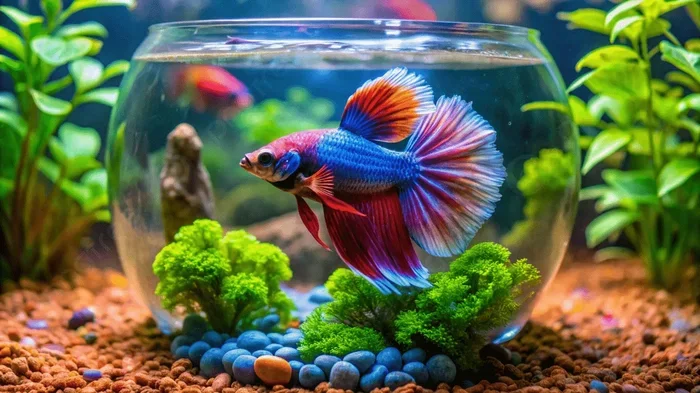
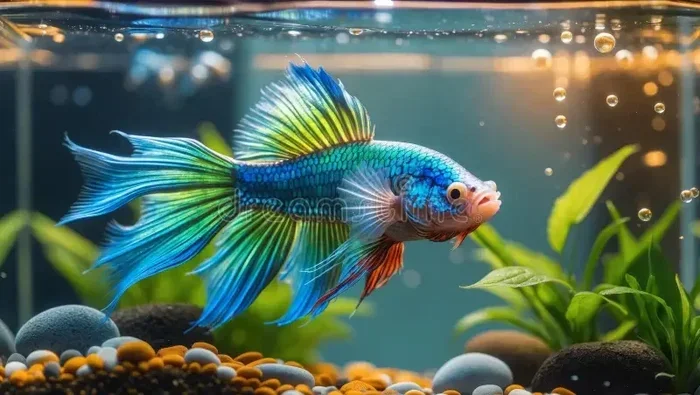
Yes, a betta is a freshwater fish that thrives in warm, clean water with proper filtration and space. Many new keepers wonder about water types, tank size, and diet, but the basics stay simple. You will learn how to set up a safe home, choose the right water, and feed your fish well. This complete care guide breaks down every step so your betta stays active and healthy for years.
Key Takeaways
- Bettas are freshwater fish: They come from shallow tropical waters and need clean, warm freshwater setups.
- Tank size matters: A larger tank gives your fish room to swim and makes water quality easier to manage.
- Water quality is critical: Use treated tap water or safe bottled water, and avoid harsh chemicals.
- Filtration helps stability: A gentle filter supports clear water, but strong flow can stress your fish.
- Temperature control matters: Keep the water warm with a reliable heater for better health and activity.
- Feed a balanced diet: Offer quality pellets plus occasional treats, and avoid overfeeding.
- Regular maintenance prevents problems: Small, consistent water changes keep your tank healthy and your fish happy.
📑 Table of Contents
- Is a Betta a Freshwater Fish? Understanding the Basics
- Why Freshwater Conditions Matter for Bettas
- Tank Setup: Giving Your Betta Enough Space
- Water Choices: Tap Water, Bottled Water, and More
- Filtration and Heating: Building a Stable Environment
- Feeding Your Betta: Diet, Treats, and Common Feeding Mistakes
- Behavior, Tank Mates, and Enrichment
- Common Health Concerns and How to Prevent Them
- Conclusion
Is a Betta a Freshwater Fish? Understanding the Basics
Many people ask one simple question before buying their first fish: is a betta a freshwater fish? The answer is yes. Bettas come from warm freshwater habitats in Southeast Asia. They live in shallow streams, rice paddies, and slow-moving ponds. Because of that, they do best in freshwater aquariums that match their natural needs.
This matters because water type affects everything else. The right water supports healthy gills, strong immunity, and better behavior. If you plan to keep a betta, you should focus on clean water, stable temperature, and a comfortable setup. Once you understand those basics, caring for your fish becomes much easier.
Why Freshwater Conditions Matter for Bettas
Bettas are not saltwater fish. They do not need brackish water either. They need freshwater with stable parameters and good oxygen flow. Their bodies are built for soft, warm water with low salt content. When the water stays clean and balanced, your fish swims with more energy and shows brighter colors.
Poor water quality causes stress fast. Stress can lead to dull colors, hiding, and illness. That is why water care should always come first. You do not need complicated equipment to start, but you do need consistency. A simple routine works better than occasional deep cleaning.
Key Freshwater Needs
- Warm water: Bettas prefer steady warmth, not cold or fluctuating temperatures.
- Clean water: Remove waste regularly so toxins do not build up.
- Gentle flow: Strong currents can tire a betta out.
- Safe additives: Avoid soap, bleach, and untreated chemicals.
Tank Setup: Giving Your Betta Enough Space
A common myth says bettas can live happily in tiny bowls forever. In reality, they need room to move, explore, and stay healthy. If you are asking is a betta a freshwater fish that needs space, the answer is yes. More space usually means better water stability and less stress.
A larger tank also makes maintenance easier. Small volumes of water change temperature and chemistry quickly. A bigger setup gives you a more stable environment. That stability helps your fish stay active and comfortable.
Choosing the Right Tank Size
Start with a tank that gives your fish room to swim. A cramped setup can make a betta feel trapped. A comfortable tank should have open swimming areas and a few hiding spots. Plants, caves, and soft decorations can help your fish feel secure.
If you want to know more about space needs, you can read this guide on do betta fish like a lot of space. It explains why room to move matters and how to choose a better home for your fish.
Quick Tips for Tank Setup
- Pick a tank with enough surface area for oxygen exchange.
- Add smooth decorations to prevent fin damage.
- Use live or soft artificial plants for shelter.
- Leave open swimming space in the middle of the tank.
Water Choices: Tap Water, Bottled Water, and More
Water choice confuses many new keepers. You may wonder whether tap water is safe or if bottled water works better. If you are still asking is a betta a freshwater fish that can handle regular tap water, the answer depends on treatment. Tap water can work well when it is properly conditioned.
The main issue is not the source alone. It is what is in the water. Chlorine, chloramine, and heavy metals can harm fish. That is why water conditioner matters. You should also test the water when possible and avoid sudden changes.
Tap Water and Treatment
Tap water is often the easiest option. It is usually affordable and accessible. Still, you should treat it before adding it to the tank. A good conditioner helps neutralize harmful chemicals. After treatment, the water should be safe for your freshwater betta.
If you want a deeper look at this topic, check out can you use tap water in a betta fish tank. It covers what to watch for and how to make tap water safer.
Other Water Options
- Bottled water: This can work in some cases, but check the label first.
- Spring water: It may be suitable, but consistency matters more than the name.
- Well water: This can vary a lot, so test it carefully before use.
If you are curious about bottled water, see can you use bottled water in a betta fish tank. If you want to explore spring water, read can you put a freshwater betta fish in spring water. For well water, you can also review can you use well water for a betta fish.
Common Mistakes With Water
- Adding untreated tap water directly to the tank
- Using soap or cleaning chemicals on aquarium items
- Making sudden large water changes
- Ignoring temperature differences when adding new water
Filtration and Heating: Building a Stable Environment
A good environment does not happen by accident. It comes from steady temperature, clean water, and gentle circulation. Many keepers also ask, is a betta a freshwater fish that needs a filter? In most cases, filtration helps maintain better water quality. It supports beneficial bacteria and keeps waste from building up too quickly.
Temperature matters just as much. Bettas are tropical fish, so they prefer warm water. A stable heater can help prevent cold stress and support normal activity. If the water gets too cool, your fish may become sluggish.
Do You Need a Filter?
A filter can be very helpful, especially in a properly sized tank. It keeps water moving and helps maintain clarity. The key is choosing a filter with gentle flow. Too much current can push your betta around and cause stress.
If you want to compare filter options, you may find this useful: can you use a filter in a betta fish tank. You can also read can you use a filter with a betta fish for more practical setup ideas.
Heaters and Temperature Control
A heater helps keep the water warm and steady. That is important because sudden temperature swings can weaken your fish. A reliable heater with a thermometer gives you better control. Check the temperature regularly so you can spot changes early.
If you keep your betta in a smaller setup, you may still need warmth. For more details, see do betta fish bowls need a heater.
Expert Insight
Stability beats perfection. A slightly imperfect but steady setup is usually better than frequent changes. Keep the temperature consistent, maintain gentle filtration, and clean the tank on a regular schedule. Your betta will usually respond with better color, better appetite, and more confident movement.
Feeding Your Betta: Diet, Treats, and Common Feeding Mistakes
Food affects energy, growth, and overall health. Bettas need a balanced diet that supports their body and keeps them interested in mealtime. If you are asking is a betta a freshwater fish with special feeding needs, the answer is that they do best with variety and portion control.
Overfeeding is one of the easiest mistakes to make. Bettas have small stomachs, so too much food can cause waste buildup and digestive issues. A simple feeding routine works best. Offer small amounts, watch how your fish responds, and adjust as needed.
What to Feed
- High-quality betta pellets: These are often the easiest staple food.
- Frozen or live foods: These can add variety and enrichment.
- Occasional treats: Treats should stay occasional, not replace regular meals.
If you want snack ideas, you can read do betta fish have treats for a snack. If you are wondering about bread, see could you feed a betta fish bread.
Feeding Best Practices
- Feed small portions your fish can finish quickly
- Remove uneaten food after a few minutes
- Keep a consistent feeding schedule
- Watch for signs of overfeeding or low appetite
Can Your Betta Skip Meals?
Sometimes life gets busy. You may need to leave for a short trip or adjust your schedule. For short periods, many bettas can handle a brief break. For more on this, see can your betta fish go a weekend without food.
Still, routine matters. Regular feeding helps your fish stay active and healthy. If you are ever unsure about portion sizes, it is safer to feed less than too much.
Behavior, Tank Mates, and Enrichment
Bettas are known for their personality. Some are calm, while others are more territorial. Their behavior can change based on tank size, water quality, and surroundings. A well-set-up freshwater tank gives them a better chance to show natural behavior.
Enrichment also matters. A bare tank can feel dull. Adding plants, hiding spots, and gentle observation points can make the setup more interesting. If you want to understand boredom and activity, you can read do betta fish get bored in a tank.
Tank Mates and Compatibility
Bettas can sometimes live with other peaceful tank mates, but compatibility depends on the individual fish and the setup. Some animals may nip fins or compete for space. Snails are one option many people consider, but you should still check compatibility carefully. For more, see can freshwater snail live with a betta fish.
Some keepers also wonder about frogs. If that interests you, read do betta fish and frogs get a long.
Handling and Interaction
Bettas can recognize routines and may respond to their keeper. Still, touching them is usually not a good idea. Their bodies are delicate, and handling can remove protective slime and cause stress. If you want to know more, see can you touch a pet betta fish. You can also read can you put your hand inside a betta fish bowl.
Enrichment Ideas
- Use plants to create gentle hiding areas
- Add a smooth cave or shelter
- Keep the tank in a calm location
- Observe your fish daily to learn its normal behavior
Common Health Concerns and How to Prevent Them
Healthy water and a stable setup prevent many problems before they start. Most betta issues begin with poor water, temperature swings, or stress. If you stay consistent, you can catch small changes early. That makes treatment easier and recovery more likely.
Watch for signs like clamped fins, fading color, hiding, loss of appetite, or unusual swimming. These signs do not always mean a serious problem, but they do mean something needs attention. Start by checking water quality and temperature first.
Preventive Care Checklist
- Test water regularly and keep parameters stable
- Perform routine water changes
- Clean filters and equipment as needed
- Avoid overcrowding
- Quarantine new items when possible
When to Act Fast
If your fish looks distressed, start with the basics. Check the temperature. Check for waste buildup. Make sure the filter is running properly. If you need help with urgent problems, you can read can you save a betta fish from dying.
It is also smart to learn what not to do. Quick fixes sometimes make things worse. Gentle, steady care usually works better than dramatic changes.
Conclusion
So, is a betta a freshwater fish? Yes, and that simple fact shapes everything about good care. A freshwater setup with stable temperature, clean water, and enough space gives your betta the best chance to thrive. Add gentle filtration, a proper diet, and regular maintenance, and you create a home that supports long-term health.
The best approach is simple: keep the water safe, keep the temperature steady, and avoid overcomplicating the tank. Bettas do not need fancy tricks to stay healthy. They need consistent care, a comfortable environment, and a keeper who pays attention. If you follow those basics, your betta can live a fuller, healthier life in your freshwater aquarium.
Frequently Asked Questions
Is a betta a freshwater fish?
Yes, a betta is a freshwater fish. It does best in warm, clean freshwater rather than saltwater or brackish water. Stable water quality and proper temperature are especially important.
Can a betta live in tap water?
Tap water can work if you treat it first. A water conditioner helps remove harmful chemicals before the water goes into the tank. Always avoid adding untreated tap water directly to your aquarium.
Do bettas need a filter?
A filter is often helpful because it supports cleaner water and better stability. The flow should be gentle so it does not stress the fish. A well-matched filter can make care much easier.
What size tank does a betta need?
A betta needs enough space to swim and explore comfortably. Larger tanks usually offer better water stability and less stress. A cramped setup can make maintenance harder and the fish less comfortable.
What should I feed my betta fish?
A good staple diet is usually high-quality betta pellets, with occasional treats in small amounts. Variety can help keep feeding interesting. Avoid overfeeding, since bettas have small stomachs.
How do I keep a betta tank healthy?
Keep the water clean, maintain a steady temperature, and perform regular water changes. Watch your fish daily for changes in behavior or appearance. Consistent care prevents many common problems before they start.