How Much Ampicillin for a Betta Fish with Popeye
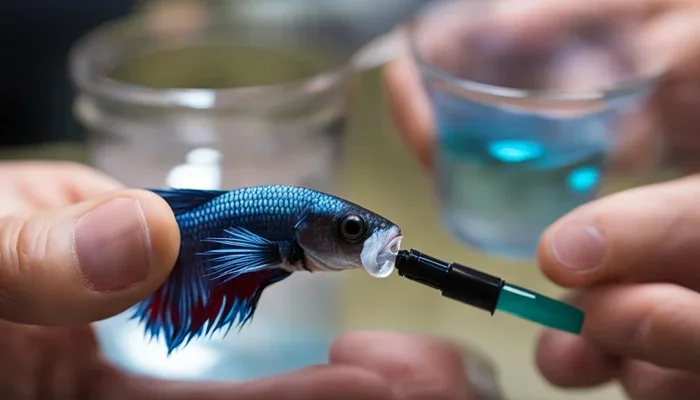
Ampicillin is a common antibiotic used to treat popeye in betta fish, and the standard dosage is typically 250 mg per 10 gallons of water, administered every 24 hours for 5 to 7 days. Popeye in betta fish causes the eye to swell and protrude, often from bacterial infection or injury. Treating popeye early with the right ampicillin dosage greatly improves your betta’s chance of full recovery. Always pair medication with clean water and proper tank conditions for the best results.
Treating a betta fish with popeye can feel overwhelming, especially when you are not sure how much medication to use. Popeye causes the eye to swell and push outward, and it can affect one or both eyes. Ampicillin is one of the most commonly recommended antibiotics for this condition. In this guide, we will walk you through the exact ampicillin dosage for betta fish, how to administer it safely, and what to expect during recovery.
If your betta fish has popeye, you are probably worried and want answers fast. The good news is that popeye is treatable in many cases, especially when caught early. Using the right amount of ampicillin for betta fish makes a real difference. We will cover everything you need to know, from dosing instructions to supportive care tips. Let us dive in and help your betta feel better.
Key Takeaways
- Correct Dosage Matters: The standard ampicillin dose for a betta fish with popeye is 250 mg per 10 gallons of water, given every 24 hours.
- Treatment Duration: A full course of ampicillin typically lasts 5 to 7 days for effective popeye treatment.
- Water Quality Is Critical: Clean water and regular water changes support healing and boost the effectiveness of ampicillin.
- Identify the Cause: Popeye can stem from bacterial infection, injury, or poor water conditions, and treatment may vary accordingly.
- Monitor Your Betta: Watch for improvement within 2 to 3 days; if symptoms worsen, consult a fish veterinarian.
- Prevention Works: Maintaining good water quality and a balanced diet helps prevent popeye from returning.
📑 Table of Contents
- What Is Popeye in Betta Fish?
- How Much Ampicillin for a Betta Fish with Popeye
- How to Administer Ampicillin to Your Betta Fish
- Supporting Your Betta During Ampicillin Treatment
- Can Ampicillin Cure Popeye Completely?
- Preventing Popeye in the Future
- Common Mistakes to Avoid When Treating Popeye
- Expert Tips for Using Ampicillin Effectively
- Conclusion
What Is Popeye in Betta Fish?
Popeye, also known as exophthalmia, is a condition where one or both eyes of a betta fish swell and protrude from the socket. It is not a disease itself but a symptom of an underlying problem. The swelling happens when fluid builds up behind the eye, pushing it outward. This condition can affect bettas of any age or gender.
Common Causes of Popeye
Understanding what causes popeye helps you choose the right treatment. Here are the most common triggers:
- Bacterial Infection: This is the most frequent cause. Bacteria like Aeromonas or Pseudomonas invade the eye tissue and cause inflammation.
- Physical Injury: A betta may injure its eye by bumping into decorations or fighting with another fish.
- Poor Water Quality: Ammonia or nitrite spikes in the tank stress the fish and weaken its immune system.
- Internal Disease: In some cases, popeye results from a systemic infection that affects the whole body.
If you are unsure about the cause, check your betta fish water parameters first. Clean water is the foundation of any treatment plan. For more on maintaining healthy water, see our guide on how to do a water change for betta fish.
How Much Ampicillin for a Betta Fish with Popeye
This is the question most betta owners want answered immediately. The correct ampicillin dosage for popeye depends on the severity of the infection and the size of your tank. Below, we break down the standard dosing guidelines.
Standard Ampicillin Dosage Guidelines
Here is a simple dosing chart for reference:
- Tank Size 5 Gallons: Use 125 mg of ampicillin per dose, every 24 hours.
- Tank Size 10 Gallons: Use 250 mg of ampicillin per dose, every 24 hours.
- Tank Size 20 Gallons: Use 500 mg of ampicillin per dose, every 24 hours.
The general rule is 25 mg of ampicillin per gallon of water. This dosage applies whether you are using capsules or powder form. Always dissolve the medication in a small amount of tank water before adding it to the aquarium. This ensures even distribution.
How Long to Treat with Ampicillin
A standard treatment course lasts 5 to 7 days. Here is what a typical timeline looks like:
- Day 1: Perform a 25% water change and dose the ampicillin.
- Days 2 to 6: Dose every 24 hours without a water change between doses.
- Day 7: Perform a 25% water change and dose one final time.
- Day 8: Perform another 25% water change and observe your betta.
Do not stop treatment early just because you see improvement. Completing the full course ensures the bacterial infection is fully cleared. Stopping too soon can lead to a relapse or antibiotic resistance.
How to Administer Ampicillin to Your Betta Fish
Giving ampicillin to your betta is straightforward, but following the right steps improves effectiveness. Here is a step-by-step process:
Step-by-Step Administration
- Remove Carbon Filter Media: Activated carbon absorbs medications. Remove it before dosing to prevent the ampicillin from being filtered out.
- Measure the Dose: Use a clean spoon or syringe to measure the exact amount of ampicillin based on your tank size.
- Dissolve in Tank Water: Mix the ampicillin in a small cup of tank water until fully dissolved.
- Add to the Tank: Pour the dissolved medication slowly into the aquarium away from the filter intake.
- Turn Off the Filter: Let the filter run for about 10 minutes after adding the medication, then resume normal operation.
During treatment, feed your betta lightly. uneaten food can foul the water and reduce the medication’s effectiveness. If you are also using betta fish salt as a supportive treatment, make sure it is aquarium-grade and used at the correct concentration.
Supporting Your Betta During Ampicillin Treatment
Medication alone is not enough. Your betta needs a supportive environment to heal properly. Think of ampicillin as the primary treatment, but good care is the backup that makes it work.
Water Quality During Treatment
Clean water is essential while your betta is on antibiotics. Here are the key water quality tips:
- Test Parameters Daily: Keep ammonia at 0 ppm, nitrite at 0 ppm, and nitrate below 20 ppm.
- Perform Regular Water Changes: A 25% water change before each dose helps remove waste and toxins.
- Maintain Stable Temperature: Keep the tank between 78 and 80 degrees Fahrenheit to support your betta’s immune system.
- Avoid Overfeeding: Feed small amounts once or twice a day and remove any uneaten food within a few minutes.
For a complete overview of betta fish care during illness, check out our article on how to care for a betta fish.
Signs of Improvement to Watch For
Most bettas show signs of improvement within 2 to 3 days of starting ampicillin. Here is what to look for:
- The swollen eye begins to reduce in size.
- The betta becomes more active and responsive.
- Appetite returns to normal.
- The eye color normalizes and any cloudiness clears.
If you do not see any improvement after 3 days, consider the following steps:
- Double-check your dosage calculations.
- Ensure the water temperature is stable.
- Consider a salt bath for betta fish as a complementary treatment.
- Consult a fish veterinarian for a stronger or alternative medication.
Can Ampicillin Cure Popeye Completely?
The answer depends on the underlying cause and how quickly you start treatment. Bacterial popeye responds well to ampicillin when caught early. However, if the eye has been damaged for a long time, some permanent changes may remain even after the infection clears.
In cases where popeye is caused by physical injury rather than bacteria, ampicillin may still help by preventing a secondary bacterial infection. The medication supports healing and reduces the risk of further complications.
For more information on recognizing and treating popeye in detail, visit our guide on a betta fish with popeye. It covers additional treatment options and recovery timelines.
Preventing Popeye in the Future
Prevention is always better than cure. Once your betta recovers, take steps to reduce the risk of popeye coming back. Here are the most effective prevention strategies:
- Maintain Clean Water: Perform weekly water changes and test parameters regularly. Poor water quality is the number one trigger for bacterial infections.
- Avoid Overcrowding: A single betta needs at least 5 gallons of space. Overcrowded tanks increase stress and disease risk.
- Quarantine New Fish: If you add new fish to your tank, quarantine them for at least 2 weeks to prevent spreading disease.
- Provide a Balanced Diet: Feed high-quality betta pellets and occasional treats like bloodworms. A strong immune system fights off infections better.
- Remove Sharp Decorations: Replace any rough or sharp decorations that could injure your betta’s eyes.
For more on setting up a healthy environment, see our article on how to set up a betta fish bowl with a plant. A well-planted tank with clean water creates a stress-free home for your betta.
Common Mistakes to Avoid When Treating Popeye
Even well-meaning fish owners make mistakes when treating popeye. Here are the most common errors and how to avoid them:
- Guessing the Dosage: Always measure ampicillin carefully. Too little will not cure the infection, and too much can harm your betta’s organs.
- Skipping Water Changes: Medication works best in clean water. Skipping water changes allows toxins to build up and slow healing.
- Treating Too Briefly: A short course may seem to work, but it often leads to a comeback infection that is harder to treat.
- Ignoring Water Parameters: If ammonia or nitrite is high, no antibiotic will work properly. Fix the water first, then treat the infection.
- Using Human Ampicillin Without Research: Not all ampicillin formulations are safe for fish. Use fish-specific or aquarium-grade antibiotics when possible.
Expert Tips for Using Ampicillin Effectively
Here are some expert-backed tips that can improve your treatment results:
- Use a Hospital Tank: If possible, treat your betta in a separate hospital tank. This protects beneficial bacteria in your main tank and makes dosing easier.
- Keep Lights Dim: A dimly lit environment reduces stress and helps your betta focus its energy on healing.
- Record Daily Observations: Write down your betta’s behavior, appetite, and eye condition each day. This helps you track progress and spot problems early.
- Pair with Epsom Salt: Some aquarists combine ampicillin with Epsom salt baths to reduce swelling faster. Use 1 tablespoon per 5 gallons in a separate dipping container for 10 to 15 minutes.
Conclusion
Knowing the right ampicillin dosage for a betta fish with popeye is the first step toward saving your fish. The standard dose of 250 mg per 10 gallons, given every 24 hours for 5 to 7 days, works well for most bacterial popeye cases. Combine this with clean water, proper nutrition, and close monitoring for the best outcome. Remember, early treatment gives your betta the strongest chance of a full recovery. Stay patient, follow the dosing schedule carefully, and your betta will have the best possible shot at healing.
Frequently Asked Questions
Can I use ampicillin powder instead of capsules for my betta fish?
Yes, ampicillin powder works just as well as capsules. The key is measuring the correct amount based on your tank size. Use 25 mg per gallon and dissolve it completely before adding it to the aquarium. Always check the product label for concentration details.
How quickly does ampicillin work on popeye in betta fish?
Most bettas show visible improvement within 2 to 3 days of starting ampicillin treatment. The swelling should begin to reduce, and your fish may become more active. However, complete healing can take 1 to 2 weeks depending on the severity of the condition.
Is ampicillin safe for all betta fish, including fry and seniors?
Ampicillin is generally safe for bettas of all ages when dosed correctly. For fry, reduce the dosage slightly and ensure the water is pristine. Senior bettas with weakened immune systems may need a longer treatment course. Always observe your fish closely during any medication.
What should I do if my betta fish does not improve after ampicillin treatment?
If there is no improvement after 3 days, double-check your dosage and water parameters. Consider switching to a different antibiotic or adding a salt bath as a complementary treatment. A fish veterinarian can provide a more targeted diagnosis if the condition persists.
Can popeye in betta fish come back after ampicillin treatment?
Yes, popeye can return if the underlying cause is not addressed. Poor water quality, stress, and injuries are common triggers for recurring popeye. Maintain clean water, avoid overcrowding, and provide a healthy diet to reduce the risk of future outbreaks.
Should I remove carbon filter media during ampicillin treatment?
Yes, you should remove activated carbon filter media during ampicillin treatment. Carbon absorbs medications and can reduce the effectiveness of ampicillin. You can replace the carbon after the treatment course is complete and your betta has fully recovered.