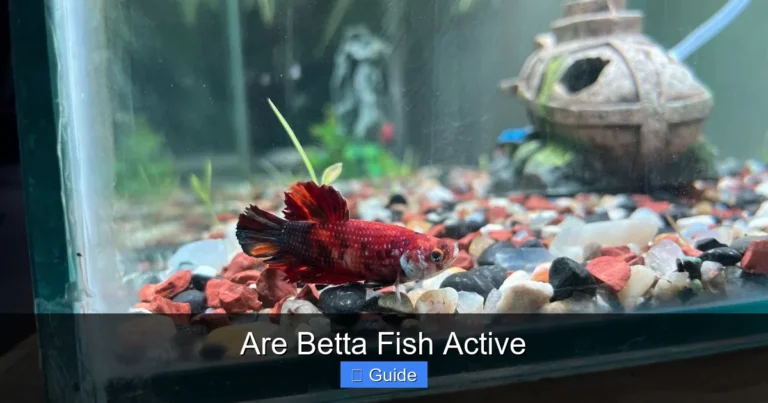
Are Betta Fish Tropical or Cold Water

Are betta fish tropical or cold water? The answer is clear — betta fish are tropical freshwater fish that thrive in warm water between 76°F and 82°F. Keeping them in cold water can cause serious health problems and even death. Understanding their natural habitat is the first step toward proper betta fish care.
If you own a betta fish or are thinking about getting one, you have probably asked yourself a simple but important question: are betta fish tropical or cold water? This is one of the most common questions new fish owners ask. And the answer matters a lot for your fish’s health and happiness.
Betta fish are tropical freshwater fish. They are not cold water fish. They need warm, stable water temperatures to stay healthy. Putting a betta in cold water is one of the fastest ways to make them sick. In this guide, we will explain everything you need to know about betta fish temperature, their natural habitat, and how to keep your fish comfortable all year long.
Whether you are a beginner or a seasoned fish keeper, understanding betta fish care starts with getting the water temperature right. Let us dive in and break it all down.
Key Takeaways
- Betta fish are tropical: They come from warm, shallow waters in Southeast Asia and need heated aquarium environments.
- Cold water is dangerous: Temperatures below 74°F can weaken their immune system and lead to illness.
- Ideal temperature range: Keep your betta tank between 76°F and 82°F for optimal health.
- A heater is essential: A fish tank heater helps maintain stable tropical conditions year-round.
- Cold water causes behavioral changes: Bettas become sluggish, stop eating, and may develop diseases in cold water.
- Betta fish are freshwater species: They cannot survive in saltwater environments.
- Quick action saves lives: If your betta has been exposed to cold water, gradual warming can prevent lasting damage.
📑 Table of Contents
- Are Betta Fish Tropical or Cold Water Fish?
- What Is the Ideal Temperature for Betta Fish?
- Betta Fish Are Tropical Freshwater Fish
- What Happens When Betta Fish Are Exposed to Cold Water?
- How to Keep Your Betta Tank at the Right Temperature
- Common Mistakes People Make With Betta Fish Temperature
- Are Betta Fish Sensitive to Water Temperature?
- Final Thoughts: Are Betta Fish Tropical or Cold Water?
Are Betta Fish Tropical or Cold Water Fish?
The short answer is that betta fish are tropical. They are not cold water fish. Betta fish, also known as Siamese fighting fish, come from the warm, shallow waters of Southeast Asia. Countries like Thailand, Cambodia, Vietnam, and Malaysia are their natural home.
In the wild, bettas live in warm rice paddies, slow-moving streams, and shallow ponds. These environments stay warm throughout the year. The water temperature rarely drops below 75°F. This is why bettas have evolved to thrive in warm water conditions.
Some people confuse bettas with cold water fish like goldfish. But that is a big mistake. Goldfish can live in cooler water. Bettas cannot. Are betta fish warm water fish? Yes, absolutely. They need warmth to function properly. Without it, their body slows down and their health declines fast.
Why Temperature Matters for Betta Fish
Your betta fish is what scientists call an ectothermic animal. This means their body temperature matches the temperature of the water around them. Unlike humans, bettas cannot regulate their own body heat.
When the water is too cold, your betta’s metabolism slows down. Their immune system weakens. They become tired and stop eating. Over time, cold water can lead to serious diseases like fin rot, ich, and fungal infections.
On the other hand, water that is too hot is also bad. Warm water holds less oxygen. A betta in water above 86°F may start to gasp at the surface. The key is keeping the temperature steady and within the right range.
What Is the Ideal Temperature for Betta Fish?
The ideal betta fish temperature falls between 76°F and 82°F (24°C to 28°C). This range keeps your fish active, healthy, and comfortable. It also supports their natural behaviors like swimming, eating, and building bubble nests.
Here is a simple breakdown of how different temperature ranges affect your betta:
- Below 70°F: Danger zone. Your betta may go into shock. This is life-threatening.
- 70°F to 74°F: Too cold. Your fish will become sluggish and prone to illness.
- 75°F to 76°F: Borderline acceptable but not ideal. Your betta may seem fine but could face long-term stress.
- 76°F to 82°F: The sweet spot. This is where bettas thrive best.
- 83°F to 86°F: Warm but still manageable. Watch for signs of oxygen stress.
- Above 86°F: Too hot. Dangerous and potentially fatal.
The best practice is to keep the temperature right in the middle of the ideal range. A steady 78°F to 80°F is perfect for most bettas. Using a fish tank heater with a thermostat makes this easy to maintain.
Do You Need a Heater for Your Betta Tank?
Yes. You absolutely need a heater if you want your betta to live a long, healthy life. Room temperature water is usually too cool for bettas. Most homes stay around 68°F to 72°F, which is well below what bettas need.
A small aquarium heater rated for 5 to 10 gallons works perfectly for a betta tank. Look for one with a built-in thermostat so it turns on and off automatically. This keeps the temperature stable without any guesswork.
Some people ask, can I keep my betta fish in cold water? The honest answer is no. Even if your betta survives for a few days in cool water, the stress will shorten its lifespan. Betta fish lifespan can drop from 3 to 5 years down to just a few months in cold conditions.
Betta Fish Are Tropical Freshwater Fish
Let us be clear about one thing: betta fish are tropical freshwater fish. They are not saltwater fish. They are not cold water fish. They belong in warm, fresh environments that mimic their natural habitat.
This is important because it affects every part of their care. From the type of water you use to the plants and decorations in the tank, everything should reflect a tropical freshwater setup.
Betta fish are part of the gourami family, which includes many other tropical aquarium species. They share the same need for warm, clean, fresh water. If you have ever kept other tropical fish, you already know the basics of betta care.
Freshwater vs. Saltwater: Where Do Bettas Belong?
Some fish can live in both fresh and salt water. Bettas cannot. They are strictly freshwater fish. Putting a betta in saltwater will cause severe stress and death within hours.
Even betta water conditioner products are designed for freshwater tanks. They remove chlorine and chloramine from tap water but do not add salt. Always use freshwater conditions for your betta.
If you are unsure about your setup, ask yourself this simple question: are betta fish saltwater or freshwater fish? The answer is always freshwater. Keep your tank freshwater and your betta will be much happier.
What Happens When Betta Fish Are Exposed to Cold Water?
Cold water is one of the biggest threats to betta fish health. Many people underestimate how quickly cold water can harm their fish. Let us look at what actually happens when a betta is exposed to low temperatures.
First, your betta’s body temperature drops. This slows down all bodily functions. The fish becomes less active. It may hide at the bottom of the tank or rest on the substrate. Eating stops or becomes very minimal.
Within days, the immune system weakens. This opens the door to common diseases. Ich, also known as white spot disease, thrives in cold water. Fin rot becomes more likely. Fungal infections take hold more easily when the fish is stressed and cold.
Some owners ask, can cold water make betta fish slow? Yes, absolutely. Cold water slows down a betta’s metabolism. They move less, respond less, and eventually stop responding altogether. This is not just laziness — it is a sign of serious distress.
Can Betta Fish Survive in Cold Water?
A betta might survive for a short time in cold water, but survival is not the same as thriving. A fish that lives in cold water will likely have a much shorter life. It will be more prone to illness and will never show its full colors or natural behaviors.
If you have accidentally placed your betta in cold water, act quickly. Gradually warm the water by adding small amounts of warm water to the tank. Do not rush the process. A sudden temperature spike can be just as dangerous as cold water.
If you are worried your fish has been in cold water for too long, look for these warning signs:
- Clamped fins held close to the body
- Loss of color or fading of vibrant fins
- Refusing to eat
- Staying at the bottom of the tank
- Rapid or labored breathing
- White spots or fuzzy patches on the body
If you notice any of these symptoms, check the water temperature immediately and take steps to warm it up gradually.
How to Keep Your Betta Tank at the Right Temperature
Maintaining the right aquarium temperature is the foundation of good betta fish care. Here are some practical steps to keep your betta tank in the ideal range.
- Use a reliable aquarium heater. Choose a heater with a thermostat and the right wattage for your tank size. A 25-watt heater works well for tanks up to 10 gallons.
- Install a thermometer. A simple stick-on thermometer or a digital probe lets you check the temperature daily. Do not guess — measure.
- Place the tank away from drafts. Windows, doors, and air vents can cause temperature swings. Keep your betta tank in a stable indoor location.
- Monitor room temperature. In winter, room temperatures can drop significantly. Your heater will work harder, so check the tank more often during cold months.
- Do not place the tank near cold surfaces. Exterior walls in winter can make the tank colder. Move the tank away from exterior walls if possible.
Quick Tips for Stable Betta Tank Temperature
- Check the temperature every morning. It takes just 10 seconds with a thermometer.
- Avoid sudden water changes with cold tap water. Let new water match the tank temperature first.
- Use a tank lid to reduce heat loss from evaporation.
- Consider a heater with a guard to prevent your betta from touching the hot glass directly.
- If the power goes out, wrap the tank in a towel or blanket to retain heat temporarily.
These small habits make a big difference. Consistent temperature is the secret to a healthy, colorful, and active betta fish.
Common Mistakes People Make With Betta Fish Temperature
Even well-meaning fish owners make mistakes when it comes to betta fish temperature. Here are the most common ones and how to avoid them.
Mistake 1: Keeping Bettas in Unheated Bowls
Many pet stores sell bettas in small bowls without heaters. This is convenient for the store but terrible for the fish. A bowl in a room-temperature house is usually too cold for a betta. Always transfer your betta to a heated tank as soon as possible.
Mistake 2: Using Room Temperature Water for Water Changes
Tap water in winter can be quite cold. If you add cold water directly to the tank during a water change, you create a temperature drop. Always let new water reach room temperature or use a thermometer to match it to the tank.
Mistake 3: Placing the Tank Near a Window
Direct sunlight can heat the tank too much during the day and cool it down at night. This creates wild temperature swings that stress your betta. Keep the tank in a spot with indirect light and stable temperature.
Mistake 4: Assuming All Tropical Fish Need the Same Temperature
Different tropical species have different needs. While bettas prefer 76°F to 82°F, some tropical fish like tetras prefer slightly cooler water around 72°F. If you plan to keep multiple species, research each one carefully before mixing them.
For more on this topic, you can also explore whether are betta fish warm water fish and how that affects their daily behavior and overall well-being.
Are Betta Fish Sensitive to Water Temperature?
Yes, betta fish are quite sensitive to water temperature. They are small fish with relatively simple body systems. This makes them both resilient and vulnerable at the same time.
On one hand, bettas can survive in less-than-ideal conditions for a short time. On the other hand, prolonged exposure to the wrong temperature causes cumulative damage. The stress builds up over days and weeks until the fish becomes seriously ill.
This is why betta fish care requires consistency. Not just the right temperature once, but the right temperature every single day. Stability matters as much as the exact number on the thermometer.
If you want to learn more about how temperature affects betta behavior and health, check out our detailed guide on are betta fish sensitive to water temperature. It covers the science behind why even small changes matter.
Final Thoughts: Are Betta Fish Tropical or Cold Water?
So let us come back to the original question: are betta fish tropical or cold water? The answer is simple and clear. Betta fish are tropical freshwater fish. They need warm water between 76°F and 82°F to live healthy, happy lives.
Cold water is not an option. It is a threat. Whether you are a new fish owner or someone looking to improve your setup, getting the temperature right is the single most important thing you can do for your betta.
Invest in a good heater. Use a thermometer. Monitor the temperature daily. These small actions add up to years of healthy life for your fish. A well-kept betta can live 3 to 5 years and bring you endless joy with its vibrant colors and playful personality.
Remember, your betta fish depends on you for its environment. Give it the warm, tropical conditions it was born to live in. Your fish will thank you with bright colors, energetic swimming, and a long, healthy life.
Frequently Asked Questions
Are betta fish tropical or cold water fish?
Betta fish are tropical freshwater fish. They are not cold water fish. They need warm water between 76°F and 82°F to stay healthy and thrive. Keeping them in cold water can cause serious health problems.
What happens if a betta fish is kept in cold water?
Cold water slows down a betta’s metabolism and weakens its immune system. The fish becomes sluggish, stops eating, and is at high risk for diseases like ich and fin rot. Prolonged exposure to cold water can be fatal.
What is the ideal temperature for betta fish?
The ideal betta fish temperature range is 76°F to 82°F. A steady temperature around 78°F to 80°F is best for most bettas. Use a heater and thermometer to maintain this range consistently.
Do betta fish need a heater in their tank?
Yes, betta fish need a heater. Room temperature water is usually too cool for them. A small aquarium heater with a thermostat will keep the water at the right tropical temperature year-round.
Can betta fish survive in cold water?
A betta might survive for a short period in cold water, but it will not thrive. Cold water causes stress, disease, and a significantly shortened lifespan. Always keep bettas in warm, tropical conditions.
Are betta fish freshwater or saltwater fish?
Betta fish are strictly freshwater fish. They cannot survive in saltwater. Always use freshwater conditions, including freshwater water conditioner, for your betta tank.