How Many Pellets Do You Feed a Baby Betta Fish
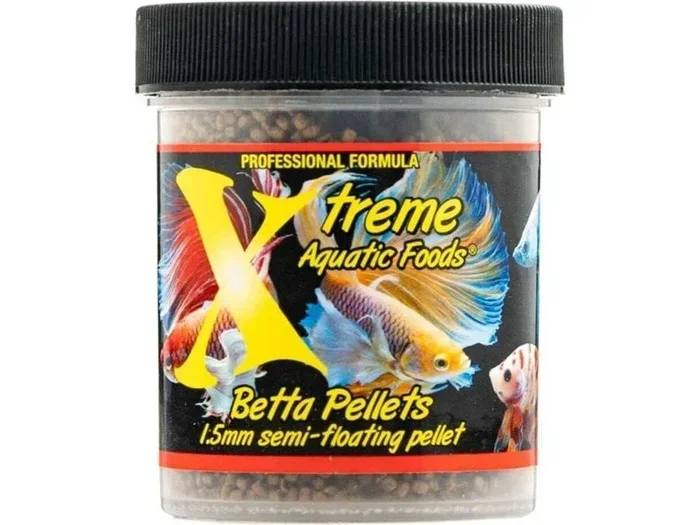
Feeding a baby betta fish the right number of pellets is crucial for healthy growth and development. Baby bettas need small, frequent meals of 2-3 pellets per feeding, typically 3-4 times a day. Overfeeding is the most common mistake new betta owners make, so portion control matters.
Welcoming a baby betta fish into your home is exciting. These tiny, colorful creatures bring so much joy to a room. But new betta parents often wonder about the right way to feed them. One question comes up more than any other: how many pellets do you feed a baby betta fish?
The answer might surprise you. Baby bettas need very small amounts of food, but they need to eat more often than adult bettas. Getting the portion size right can mean the difference between a thriving fish and a sick one. This guide walks you through everything you need to know about feeding baby bettas pellets.
Whether you just brought home your first baby betta or you are looking to improve your feeding routine, this article has you covered. We will discuss exact pellet counts, feeding schedules, and common mistakes to avoid. By the end, you will feel confident about your betta fish feeding schedule and your fish will thank you for it.
Key Takeaways
- Feed baby bettas 2-3 pellets per meal: Small portions prevent overfeeding and digestive issues.
- Feed 3-4 times daily: Baby bettas need frequent small meals to support rapid growth.
- Soak pellets before feeding: This prevents bloating and makes food easier to digest.
- Watch for overfeeding signs: Uneaten food and swollen bellies are red flags.
- Gradually increase portions: As your betta grows, adjust pellet count accordingly.
- Use high-quality pellets: Not all pellets are created equal for baby betta nutrition.
- Maintain clean water: Leftover pellets pollute water faster than you think.
📑 Table of Contents
- Why Pellet Feeding Matters for Baby Bettas
- How Many Pellets Should You Feed a Baby Betta Fish
- The Right Pellet Size and Type
- How to Properly Prepare Pellets for Baby Bettas
- Common Mistakes When Feeding Baby Bettas
- Signs Your Baby Betta Is Getting the Right Amount of Food
- Adjusting the Feeding Routine as Your Betta Grows
- Expert Tips for Successful Baby Betta Feeding
- Conclusion
Why Pellet Feeding Matters for Baby Bettas
Choosing the right food for your baby betta is not just about filling their belly. Proper nutrition supports their rapid growth during the first few months of life. Pellets are one of the most popular and convenient food options for bettas. But not all pellets work equally well for young fish.
Baby betta nutrition requires a protein-rich diet. In the wild, baby bettas eat tiny insects and larvae. Commercial pellets try to replicate this natural diet. The best pellets for baby bettas are small in size and high in protein content. This ensures your fish gets the nutrients needed for healthy betta fish growth.
Feeding the wrong amount can cause serious problems. Too much food leads to overfeeding, which is dangerous for baby bettas. Too little food stunts their growth and weakens their immune system. Finding the sweet spot is essential.
Understanding Baby Betta Digestive Systems
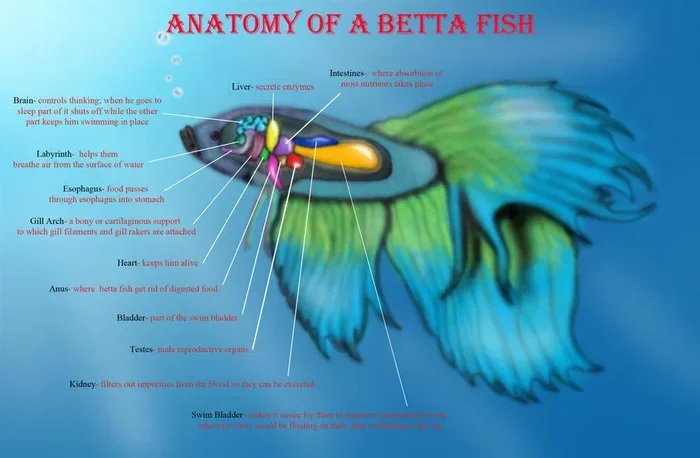
Baby bettas have very small digestive systems. Their stomachs are roughly the size of their eye. This means they cannot handle large amounts of food at once. Their betta fish digestive system works best with small, frequent meals throughout the day.
When you drop a large pellet into the tank, it can be too big for a baby betta to process. The food sits in the stomach and starts to swell. This causes bloating, constipation, and other health issues. Soaking pellets before feeding helps them break down faster and become easier to digest.
How Many Pellets Should You Feed a Baby Betta Fish
This is the million-dollar question. The answer depends on your fish’s age, size, and overall health. But as a general rule, 2 to 3 pellets per feeding is the sweet spot for most baby bettas. Let us break this down further.
For newborns and very young bettas under two weeks old, you may need to start with just 1 to 2 crushed pellets. As they grow, you can increase the count. By the time your baby betta reaches one month old, 3 pellets per feeding is usually appropriate.
The key is to observe your fish after each meal. If there are uneaten pellets floating in the tank after five minutes, you gave too much. Remove the excess food immediately to keep the water clean. Leftover food decays quickly and releases harmful ammonia into the water.
Feeding Frequency for Baby Bettas
Baby bettas need to eat more often than adult bettas. Most experts recommend feeding baby bettas 3 to 4 times a day. This mimics their natural eating patterns in the wild where they graze on small food sources throughout the day.
Here is a sample daily feeding schedule you can follow:
- Morning (7-8 AM): 2-3 pellets
- Midday (12 PM): 2-3 pellets
- Afternoon (4-5 PM): 2-3 pellets
- Evening (7-8 PM): 2-3 pellets
Some experienced fish keepers prefer a slightly different approach. They feed 3 times a day with slightly larger portions. This works well too. The important thing is consistency. Try to feed your baby betta at the same times each day. This helps regulate their metabolism and digestion.
If you are unsure about the exact timing, check out our guide on how often to feed a baby betta fish for more detailed scheduling tips.
The Right Pellet Size and Type
Not all pellets are the same. Using the wrong type of pellet can cause feeding problems for baby bettas. The size of the pellet matters a lot. Large pellets designed for adult bettas are too big for young fish to eat comfortably.
Look for pellets specifically made for baby or small bettas. These are usually micro-pellets or small floating pellets. They are easier for tiny mouths to consume. Some brands even make pellets that expand slowly, giving your fish time to eat them before they get too big.
Best Pellet Types for Baby Bettas
Here are some things to look for when choosing pellets for your baby betta:
- Small size: Pellets should be no bigger than 1-2 millimeters for newborns.
- High protein content: Aim for pellets with at least 35-40% protein.
- Slow-sinking or floating: Floating pellets are easier for baby bettas to find and eat.
- No fillers: Avoid pellets loaded with wheat flour or corn starch.
You can also consider betta fish flakes as an alternative. Flakes are thinner and easier for small mouths to handle. However, pellets tend to be more nutrient-dense and produce less waste. Many owners use a combination of both for variety.
How to Properly Prepare Pellets for Baby Bettas
Preparing pellets correctly makes a huge difference in how well your baby betta digests them. Raw pellets straight from the container can expand inside your fish’s stomach, causing discomfort and health issues.
Step-by-Step Pellet Preparation
- Take a small pinch of pellets. Only grab what you need for one feeding.
- Soak them in tank water for 2-3 minutes. This allows the pellets to soften and begin expanding outside the fish.
- Gently crush larger pellets. Use clean fingers or a fork to break them into smaller pieces if needed.
- Drop the softened pellets near your fish. Aim for the front of the tank where your betta can easily see them.
- Remove uneaten pellets after 5 minutes. Use a small net or turkey baster to clean up leftovers.
This simple process prevents bloating and keeps your tank water cleaner. It also ensures your baby betta gets the right amount of food without waste.
Common Mistakes When Feeding Baby Bettas
Even experienced fish keepers make mistakes when feeding baby bettas. Being aware of these common errors helps you avoid them. Here are the top feeding mistakes to watch out for.
Overfeeding
Overfeeding is the number one killer of baby bettas. It is tempting to give your fish more food because they seem hungry. But baby bettas have tiny stomachs that cannot handle large meals. Overfeeding leads to bloating, constipation, and poor water quality.
If you are unsure whether you are giving too much food, check out our article on can you feed a betta fish too much for warning signs and solutions.
Feeding Too Infrequently
On the flip side, underfeeding is also a problem. Baby bettas grow quickly and need consistent energy from frequent meals. Skipping feedings or going too long between meals can slow their growth and weaken their immune system.
Using the Wrong Food
Some owners try to feed adult betta pellets to baby fish. This is a mistake. Adult pellets are too large and often contain different nutrient ratios than what baby bettas need. Always match the food to the age and size of your fish.
Ignoring Water Quality
Uneaten pellets decay fast and pollute the water. Poor water quality leads to stress, disease, and even death in baby bettas. Always remove leftover food promptly after each feeding session.
Signs Your Baby Betta Is Getting the Right Amount of Food
How do you know if your feeding routine is working? Your baby betta will show signs through its behavior and appearance. Here is what to look for.
A well-fed baby betta has a healthy appetite and eagerly swims to the surface during feeding time. Its body is plump but not bloated. The colors are vibrant and the fins move freely without any signs of distress.
Watch for these positive indicators:
- Active swimming after meals: Your betta should have energy after eating.
- Consistent growth: Your fish should be steadily growing week over week.
- Bright colors: Good nutrition shows in vivid fin colors and patterns.
- Regular bowel movements: A healthy betta produces small, dark waste regularly.
If you notice your baby betta is not eating well or seems lethargic, it could be a sign of illness. Check out our guide on how to tell if a betta fish is dying to learn about warning signs that require immediate attention.
Adjusting the Feeding Routine as Your Betta Grows
Your baby betta will not stay small forever. As your fish grows, its nutritional needs change. You will need to adjust both the pellet count and feeding frequency over time.
During weeks 1-4, stick with 2-3 pellets fed 3-4 times daily. Between weeks 4-8, you can increase to 3-4 pellets per feeding while reducing to 2-3 feedings per day. By the time your betta reaches two months old, you are transitioning toward an adult feeding routine.
Adult bettas typically eat 2-3 pellets twice a day. The transition from baby to adult feeding should be gradual. Sudden changes in diet can stress your fish and cause digestive problems.
For a complete guide on adult betta feeding, read our article on how often do you feed a betta fish to understand the full feeding timeline from baby to adult.
Expert Tips for Successful Baby Betta Feeding
Here are some expert-backed tips that make feeding time easier and more effective for both you and your baby betta.
- Feed in a quiet environment: Turn off the tank light if it is too bright. Baby bettas feel less stressed in dim conditions.
- Use a feeding ring: This keeps pellets in one place so your fish can find them easily.
- Vary the diet occasionally: Offer baby brine shrimp or micro worms as treats once or twice a week for variety.
- Do not skip weekends: Keep a consistent schedule even on days off. Your fish relies on routine.
- Monitor tank temperature: Warmer water speeds up metabolism, meaning your baby betta may need slightly more food in warmer conditions.
For more hands-on advice about caring for your baby betta, visit our betta fish care guide. It covers everything from feeding to tank setup and water maintenance.
Also, if you are curious about whether you can feed your baby betta other types of food, check out our article on feeding baby betta fish for a comprehensive overview of safe and unsafe foods.
Conclusion
Feeding a baby betta fish the right number of pellets does not have to be complicated. Stick to 2-3 pellets per feeding, offer meals 3-4 times a day, and always soak pellets before serving. Watch your fish closely and adjust portions as needed. The key is consistency and attention to detail.
Remember that every baby betta is slightly different. Factors like water temperature, tank size, and individual health all play a role in how much food your fish needs. Use this guide as your starting point and adjust based on what works best for your specific fish.
Proper feeding is one of the most important aspects of baby betta care. Get this right and your fish will grow up healthy, colorful, and full of energy. You will enjoy watching your little betta thrive in its home. And that is exactly the reward every betta owner is looking for.
Start applying these tips today. Your baby betta will benefit from a well-planned feeding routine that sets the foundation for a long and happy life. Happy fish keeping!