What Can I Feed My Baby Betta Fish
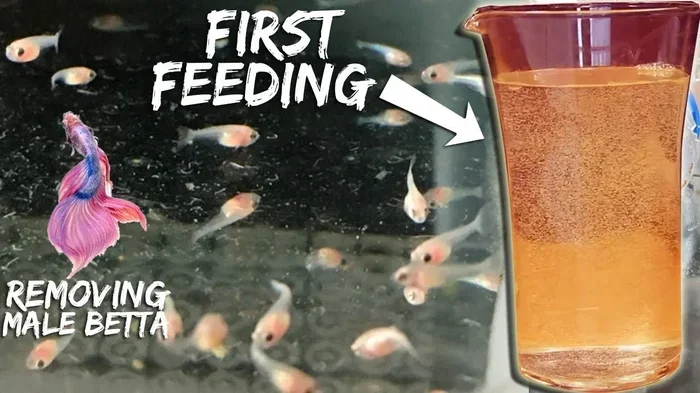
Feeding your baby betta fish the right diet is the single most important thing you can do for their health and growth. Newborn bettas need tiny, protein-rich foods like baby brine shrimp and micro worms several times a day. This guide covers everything from the best foods to the feeding schedule and common mistakes to avoid.
Welcoming a baby betta fish into your home is exciting. But one question keeps every new betta parent up at night: what can I feed my baby betta fish? The truth is, newborn bettas have very specific dietary needs that differ from adult bettas. Getting their baby betta fish food right from day one sets the foundation for a long, healthy life.
In this guide, we will walk you through everything you need to know about feeding baby bettas. From the best live foods to how often you should feed them, you will find practical advice you can use right away. Whether you just brought home a baby betta or you are planning to breed them, this article has you covered.
Let us dive in and make sure your tiny betta gets the nutrition it deserves.
Key Takeaways
- Baby betta fish need small, frequent meals: feed them 3 to 5 times daily in tiny portions.
- Live and frozen foods are best: baby brine shrimp, micro worms, and daphnia provide the protein baby bettas need.
- Avoid overfeeding: baby bettas have tiny stomachs and uneaten food can pollute the water.
- Gradually transition to solid foods: as your baby betta grows, you can introduce crushed flakes and pellets.
- Water quality matters: clean water is just as important as good food for baby betta health.
- Watch for hunger cues: a hungry baby betta will actively hunt and show bright colors.
- Consistency is key: stick to a regular feeding schedule for the best results.
📑 Table of Contents
- What Do Baby Betta Fish Eat Naturally?
- Best Foods for Baby Betta Fish
- How Often Should You Feed a Baby Betta Fish?
- Common Mistakes When Feeding Baby Betta Fish
- How to Transition Your Baby Betta to Solid Foods
- Tips for Raising Healthy Baby Betta Fish
- Expert Insights on Baby Betta Nutrition
- Conclusion
What Do Baby Betta Fish Eat Naturally?
In the wild, baby bettas eat whatever they can catch. Their natural diet includes tiny organisms that float or crawl in the water. Understanding this helps you replicate the best betta fry diet at home.
Microorganisms and Infusoria
When baby bettas first hatch, they are extremely small. They cannot eat regular fish food. Instead, they rely on microorganisms like infusoria. These tiny creatures are the perfect first meal for newborn bettas. You can culture infusoria at home or buy it from a pet store.
Small Insects and Larvae
As baby bettas grow, they start hunting for small insects and larvae. In the wild, they eat mosquito larvae, tiny worms, and other small invertebrates. This natural diet is high in protein and low in filler. It is exactly what your baby betta needs to develop strong muscles and vibrant colors.
Why Replicating Nature Matters
Replicating the natural diet of a baby betta is not just about nutrition. It also helps reduce stress. When your baby betta can hunt for its food, it feels more at home. This leads to better betta fry survival rates and healthier, happier fish.
Best Foods for Baby Betta Fish
Now that you know what baby bettas eat in nature, let us look at the best foods you can offer them at home. Not all foods are created equal, and some are much better suited for tiny bettas.
Baby Brine Shrimp
Baby brine shrimp is the gold standard for feeding baby bettas. These tiny crustaceans are packed with protein and are the perfect size for newborn bettas. You can buy frozen baby brine shrimp or hatch your own at home. Hatching your own gives you a fresh, live food source that your baby betta will love.
Micro Worms
Micro worms are another excellent option. They are small enough for baby bettas to eat and are rich in nutrients. Many betta breeders swear by micro worms as a staple food for fry. You can buy micro worm cultures online or from local fish stores.
Daphnia
Daphnia, also known as water fleas, are tiny freshwater crustaceans. They make a great treat for baby bettas. Daphnia is rich in fiber and can help with digestion. You can feed frozen or live daphnia to your baby betta. Just make sure the pieces are small enough for them to eat.
Crushed Betta Pellets and Flakes
As your baby betta grows, you can start introducing crushed betta pellets or flakes. Look for high-quality betta fish food that lists protein as the first ingredient. Crush the pellets into a fine powder at first, then gradually use larger pieces as your betta gets bigger.
Live Food for Baby Bettas
Live foods are some of the best options for baby bettas. They stimulate natural hunting behavior and provide excellent nutrition. If you are wondering what can I feed my betta live fish, the answer is that live foods like baby brine shrimp and micro worms are ideal for young bettas. Just make sure the live food is small enough for your baby betta to consume safely.
| Food Type | Best For | Protein Level | Ease of Use |
|---|---|---|---|
| Baby Brine Shrimp | Newborn to 1 week | High | Easy |
| Micro Worms | 1 to 2 weeks | High | Easy |
| Daphnia | 2 weeks and up | Medium | Easy |
| Crushed Pellets | 4 weeks and up | High | Very Easy |
| Infusoria | Newborn (first few days) | Medium | Moderate |
How Often Should You Feed a Baby Betta Fish?
Feeding frequency is just as important as the type of food. Baby bettas have very fast metabolisms. They need to eat more often than adult bettas. But how often exactly should you feed them?
Feeding Schedule for Newborn Betta Fish
For the first week of life, feed your baby betta every 2 to 3 hours during the day. This may sound like a lot, but newborn bettas burn energy quickly. They need constant fuel to grow. Offer tiny amounts each time — just a few bites per feeding.
Feeding Schedule for Older Baby Betta Fish
Once your baby betta is about 2 weeks old, you can reduce feedings to 4 to 5 times per day. By 4 weeks, you can drop it down to 3 times a day. The key is to watch your fish and adjust based on its size and activity level.
Signs You Are Feeding Too Much
Overfeeding is one of the biggest dangers for baby bettas. Their stomachs are tiny — about the size of their eye. Watch for these signs:
- Food left uneaten after 5 minutes
- Cloudy or dirty water soon after feeding
- Your betta appearing lethargic after meals
- A swollen or bloated belly
If you notice any of these signs, reduce the amount of food you offer. What can I feed my baby betta fish in smaller portions? The answer is to always offer less than you think they need. You can always give a little more.
Common Mistakes When Feeding Baby Betta Fish
Even experienced fish keepers make mistakes when feeding baby bettas. Here are the most common errors and how to avoid them.
Feeding Adult Betta Food Right Away
One of the biggest mistakes is giving a newborn betta regular-sized pellets or flakes. Adult betta food is too large for a baby betta to eat. It can cause choking or digestive problems. Always start with appropriately sized food like infusoria or baby brine shrimp.
Overfeeding
It is easy to overfeed a baby betta because they eat so enthusiastically. But uneaten food decays quickly and releases harmful ammonia into the water. This can be fatal for baby bettas. Always remove any uneaten food within 5 minutes of feeding.
Inconsistent Feeding Schedule
Baby bettas thrive on routine. Irregular feeding can stress them out and slow their growth. Try to feed your baby betta at the same times every day. Set alarms if you need to. Consistency helps your baby betta feel secure and grow strong.
Skipping Water Changes
This is not directly about food, but it matters. Baby bettas are very sensitive to water quality. Leftover food and waste build up fast in small tanks. Regular water changes keep the environment clean and your baby betta healthy. A good rule is to do a 20 percent water change every other day.
How to Transition Your Baby Betta to Solid Foods
As your baby betta grows, you will need to transition it from tiny live foods to solid foods. This process should be gradual and patient.
Week 1 to Week 2
During the first two weeks, stick with baby brine shrimp and infusoria. These are the perfect size and nutrition for a newborn betta. Your baby betta will be very active and hungry during this stage.
Week 2 to Week 4
Around 2 weeks, you can introduce micro worms and crushed daphnia. You can also start offering very finely crushed betta pellets. Soak the pellets in water for a few minutes before crushing them. This makes them easier for your baby betta to eat.
Week 4 and Beyond
By 4 weeks, your baby betta should be eating regular-sized crushed pellets. You can also introduce small flakes. By 6 to 8 weeks, most baby bettas can eat the same food as adult bettas. At this point, you can reduce feedings to 2 times a day.
Always monitor your betta during the transition. If you notice your betta refusing food, go back to the previous food type for a few days before trying again.
Tips for Raising Healthy Baby Betta Fish
Feeding is just one part of raising a healthy baby betta. Here are some extra tips that make a big difference.
- Keep the water warm: baby bettas need water between 78 and 80 degrees Fahrenheit. Use a small heater designed for betta tanks.
- Use a sponge filter: a gentle sponge filter keeps the water clean without creating strong currents that can exhaust baby bettas.
- Provide hiding spots: baby bettas feel safer with plants or decorations to hide behind. This reduces stress and promotes healthy growth.
- Keep the tank alone: baby bettas are best raised individually. They can be aggressive toward each other, even at a young age.
- Watch for illness: look for signs like clamped fins, loss of color, or not eating. Early detection makes treatment much easier.
Expert Insights on Baby Betta Nutrition
Professional betta breeders agree that diet is the foundation of healthy growth. Dr. Richa, a tropical fish specialist, recommends starting baby bettas on live foods and gradually introducing prepared foods. She emphasizes that variety is important. Rotating between baby brine shrimp, micro worms, and crushed pellets ensures your baby betta gets a balanced intake of proteins, fats, and vitamins.
Another expert tip from experienced breeders is to fast baby bettas one day a week once they are over 3 weeks old. This helps prevent constipation and keeps their digestive system healthy. Just skip one feeding day and resume your normal schedule the next day.
Remember that every baby betta is different. Some eat more, some eat less. The key is to observe your fish daily and adjust accordingly. A well-fed baby betta will have a round belly, bright colors, and lots of energy.
Conclusion
Feeding your baby betta fish does not have to be complicated. The secret is to start with small, protein-rich foods like baby brine shrimp and micro worms. Feed frequently but in tiny amounts. As your baby betta grows, gradually introduce crushed pellets and flakes. Avoid the common mistakes of overfeeding and using food that is too large. Keep the water clean and warm, and watch your baby betta thrive.
What can I feed my baby betta fish? Now you have a clear, practical answer. With the right diet and a little patience, your baby betta will grow into a strong, beautiful adult fish. Start today, follow these tips, and enjoy the rewarding experience of raising a healthy betta from the very beginning.
Frequently Asked Questions
Can I feed my baby betta fish regular betta flakes?
Not right away. Baby bettas cannot eat regular flakes because they are too large. Crush the flakes into a fine powder first, and only offer them once your baby betta is at least 3 to 4 weeks old. Start with baby brine shrimp or infusoria for the first few weeks.
How many times a day should I feed my baby betta fish?
Newborn baby bettas should be fed every 2 to 3 hours during the day. As they grow, you can reduce this to 4 to 5 times a day at 2 weeks old, and 3 times a day by 4 weeks old. Always offer small portions to avoid overfeeding.
What is the best first food for a newborn betta fish?
The best first food for a newborn betta is infusoria or freshly hatched baby brine shrimp. These tiny foods are easy for a newborn betta to eat and are packed with the protein needed for early growth.
Can baby betta fish eat frozen food?
Yes, baby bettas can eat frozen food like frozen baby brine shrimp or frozen daphnia. Make sure to thaw the food first and cut it into very small pieces. Frozen food is a convenient and nutritious alternative to live food.
Why is my baby betta fish not eating?
A baby betta may refuse food if the water temperature is too low, if the food is too large, or if it is stressed. Check that the water is between 78 and 80 degrees Fahrenheit and that the food pieces are small enough for your baby betta to swallow easily.
When can baby betta fish eat the same food as adult bettas?
Most baby bettas can transition to adult betta food by 6 to 8 weeks of age. At this point, they are large enough to eat regular pellets and flakes. Continue to monitor their eating habits and adjust food size as needed.