Is 76 a Gppd Tempature for a Betta Fish
Yes, 76°F is a good temperature for a betta fish. This falls within the ideal range of 75–80°F that keeps bettas healthy, active, and colorful. Maintaining stable water temperature is one of the most important parts of betta fish care, and 76°F hits the sweet spot for most betta fish tanks.
Keeping your betta fish happy starts with one simple thing: the right temperature. If you have been asking yourself “is 76 a good temperature for a betta fish,” you are in the right place. The short answer is yes. But there is a lot more to know about keeping your betta comfortable, healthy, and full of energy.
Betta fish are tropical creatures. They come from warm, slow-moving waters in Southeast Asia. That means they need a warm and stable environment to thrive. A temperature of 76°F hits a sweet spot that most betta owners agree on. It is warm enough to keep your fish active but not so hot that it causes stress.
In this guide, we will walk through everything you need to know about betta fish temperature. You will learn why 76°F works, what the ideal range is, and how to avoid common mistakes that can harm your fish. Whether you are a beginner or a seasoned hobbyist, this article covers what you need.
Key Takeaways
- 76°F is a safe and comfortable temperature for betta fish and sits right in the middle of the ideal range.
- The optimal betta temperature range is 75–80°F, and staying within this range prevents stress and illness.
- A tank heater with a thermostat helps you maintain a steady temperature without constant monitoring.
- Temperature fluctuations are more dangerous than a slightly off reading, so stability matters most.
- Signs of temperature stress include lethargy, loss of color, and rapid gill movement.
- 76°F works well for most betta setups, including 5-gallon tanks and community tanks with compatible mates.
📑 Table of Contents
- Why Temperature Matters for Betta Fish
- Is 76°F the Best Temperature for a Betta Fish?
- How to Maintain 76°F in Your Betta Tank
- What Happens When the Temperature Is Too Low?
- What Happens When the Temperature Is Too High?
- Common Betta Temperature Mistakes to Avoid
- How 76°F Fits Into Your Betta’s Overall Care
- Expert Insight: Why 76°F Is a Reliable Default
- Key Takeaways
- Conclusion
Why Temperature Matters for Betta Fish
Temperature is not just a number on a thermometer. It directly affects your betta’s metabolism, immune system, and overall mood. A betta kept in the wrong temperature can become sick, lazy, or even die. This is why betta fish temperature control is one of the first things every owner should learn.
How Temperature Affects Your Betta’s Body
Betta fish are cold-blooded. That means their body temperature matches the water around them. If the water is too cold, their body slows down. They eat less, move less, and their immune system weakens. If the water is too warm, they become stressed and oxygen levels drop.
At 76°F, your betta’s body works the way it should. Digestion stays regular. The immune system stays strong. And your fish keeps its bright colors and lively personality. This is why so many experts point to 76 degrees Fahrenheit as a reliable default temperature.
The Ideal Temperature Range for Bettas
The ideal betta temperature range is between 75°F and 80°F. This range supports all of your betta’s basic needs. It keeps the water warm enough for proper digestion and active swimming. At the same time, it stays cool enough to hold enough dissolved oxygen.
76°F sits right in the middle of this range. That makes it a safe choice for almost any betta setup. Whether you keep your betta in a 5-gallon tank or a larger aquarium, 76°F is a solid starting point. You can always adjust slightly based on your specific fish and environment.
Is 76°F the Best Temperature for a Betta Fish?
Many experienced betta keepers say that 76°F is one of the best temperatures you can choose. It is not too hot and not too cold. It gives your fish a comfortable and stable environment. But is it the single best number? That depends on a few factors.
If your betta is young and active, 76°F will keep it energetic and hungry. If your betta is older or recovering from illness, 76°F provides a gentle and supportive environment. Some breeders even keep their bettas at 77°F or 78°F to encourage spawning. But for everyday care, 76°F is hard to beat.
Comparing Common Betta Temperatures
Here is a quick look at how different temperatures affect your betta fish:
- 72°F and below: Too cold. Your betta becomes sluggish and may develop fin rot or other illnesses.
- 74–75°F: On the cooler side. Acceptable but not ideal for long-term health.
- 76°F: The sweet spot. Warm, comfortable, and safe for most bettas.
- 77–78°F: Great for breeding or very active fish. Slightly higher metabolism.
- 80°F and above: Getting warm. Oxygen levels drop, and stress can increase.
- 82°F and above: Too hot. Dangerous over time. Your betta will struggle to breathe.
As you can see, 76°F gives you a safe margin on both sides of the range. It is not too close to the danger zones at either end. That is what makes it such a popular choice among betta fish owners.
How to Maintain 76°F in Your Betta Tank
Getting the temperature right is one thing. Keeping it steady is another. Temperature swings can be just as harmful as a wrong temperature. Your betta needs consistency more than it needs perfection.
Using a Tank Heater
The easiest way to keep your tank at 76°F is with a small aquarium heater. Look for a heater with a built-in thermostat. This lets you set the target temperature and forget about it. A 5-watt to 10-watt heater works well for tanks up to 10 gallons.
Place the heater near the filter output so the warm water circulates evenly. Avoid putting it directly behind decorations where the heat gets trapped. You want the warmth spread throughout the tank.
Using a Thermometer
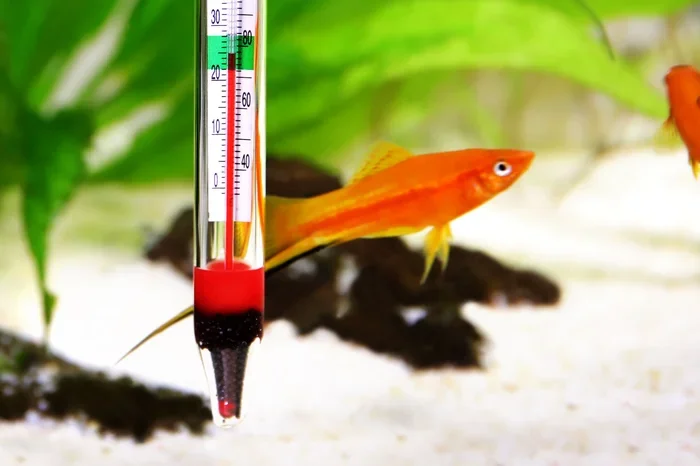
A good aquarium thermometer is essential. You cannot manage what you cannot measure. Stick-on thermometers are cheap and easy to read. Digital thermometers give you more precise readings. Check the temperature at least once a day, especially when you first set up the tank.
Over time, you will get a feel for how your heater behaves. But never skip the thermometer. Even small changes can affect your fish before you notice anything is wrong.
Quick Tips for Stable Temperature
- Keep the tank away from windows. Sunlight can cause wild temperature swings during the day.
- Do not place the tank near vents or drafts. Cold air from air conditioning or heating vents is a common problem.
- Use a tank lid. Evaporation can lower the water temperature over time, especially in warmer rooms.
- Do water changes with water at the same temperature. Cold water added to a warm tank shocks your betta.
- Check your heater regularly. Heaters can malfunction. A broken heater is one of the most common causes of temperature problems.
What Happens When the Temperature Is Too Low?
Water that is too cold is one of the biggest threats to betta fish. Bettas are tropical fish. They simply do not do well in cool water. If your tank drops below 72°F, you need to act fast.
Signs Your Betta Is Too Cold
Watch for these warning signs that the water is too cold for your betta:
- Lethargy: Your betta stays in one spot and barely moves.
- Loss of appetite: Your fish ignores food or spits it out.
- Faded colors: The bright reds and blues start to look dull.
- Clamped fins: Fins stay close to the body instead of flowing freely.
- Rapid breathing: You notice your betta breathing fast near the surface.
If you notice any of these signs, check the temperature right away. A slow drop over days is less dangerous than a sudden crash. But even a gradual chill can weaken your betta’s immune system over time. This makes it more vulnerable to diseases like ich and fin rot.
What Happens When the Temperature Is Too High?
While too cold is a common problem, too hot can be just as bad. High temperatures reduce the amount of dissolved oxygen in the water. Your betta has to swim to the surface more often to gulp air. Over time, this causes stress and exhaustion.
If you ever wonder whether your tank is getting too warm, check out this guide on what temperature is too hot for a betta fish. It covers the upper limits and what to do if your tank overheats.
Signs Your Betta Is Too Hot
- Rapid gill movement: Your betta breathes quickly, even when resting.
- Staying near the surface: Your fish hangs at the top trying to get more oxygen.
- Restlessness: Your betta darts around the tank without settling down.
- Loss of appetite: Warm water can suppress your fish’s desire to eat.
To bring the temperature down, try turning off the heater and removing the tank lid for a short time. You can also float a bag of cool water in the tank to gently lower the temperature. Avoid adding cold water directly, as sudden changes are dangerous.
Common Betta Temperature Mistakes to Avoid
Even caring owners make mistakes with temperature. Here are the most common ones and how to fix them.
Relying on Room Temperature Alone
Some people think room temperature is enough for a betta. In most homes, room temperature sits around 68–72°F. That is too cold for a betta fish. You need a heater to bring the water up to the right level. Do not skip this step, even if your room feels warm.
Ignoring Temperature Swings
A steady 74°F is better than a temperature that bounces between 72°F and 78°F. Consistency matters more than hitting the perfect number. Buy a reliable heater and thermometer. These two tools solve most temperature problems before they start.
Not Adjusting for Room Conditions
In winter, your heater works harder. In summer, your tank might get too warm. Adjust your approach with the seasons. In hot weather, you may need a fan or cooler to keep the tank from overheating. In cold weather, make sure your heater is powerful enough for the room size.
How 76°F Fits Into Your Betta’s Overall Care
Temperature is just one piece of the puzzle. To keep your betta truly healthy, you also need the right tank size, clean water, proper filtration, and a good diet. 76°F works best when paired with other good care practices.
For tank size, a 5-gallon tank is the minimum recommended for a single betta. It gives your fish enough room to swim and explore while making it easier to maintain stable temperature and water quality. If you want to learn more about tank sizing, check out this guide on what is the best tank size for a betta fish.
Water quality also plays a big role. Even at the perfect temperature, dirty water will make your betta sick. Test your water parameters regularly. Keep ammonia and nitrite at zero. Maintain a pH between 6.5 and 7.5. When the water is clean and the temperature is right, your betta will thrive.
Feeding is another key factor. A healthy diet supports a strong immune system, which helps your betta handle any small temperature fluctuations. Offer high-quality betta pellets as the staple. Add frozen or live food like bloodworms and brine shrimp as treats. Avoid overfeeding, which can foul the water quickly.
Finally, consider your tank mates carefully. Not every fish gets along with a betta. If you want to add companions, choose peaceful species that enjoy similar temperatures. A good tank mate for a betta fish can make the tank more interesting without adding stress. You can learn more about compatible companions in this guide on what is a good tank mate for a betta fish.
Expert Insight: Why 76°F Is a Reliable Default
Many experienced betta keepers and veterinarians recommend 76°F as a safe default. It is not the most exciting number, but it works. Here is why experts love this temperature:
- It supports healthy digestion without speeding up metabolism too much.
- It keeps the immune system strong enough to fight off common diseases.
- It holds enough dissolved oxygen for comfortable breathing.
- It works for most betta varieties, from crown tails to crowntails and everything in between.
- It gives you a buffer on both the cool and warm sides of the ideal range.
If you are ever unsure about what temperature to set, start at 76°F. Watch your betta for a few days. If it seems active, eats well, and shows bright colors, you have found the right spot. You can always make small adjustments of one degree at a time if needed.
Key Takeaways
- 76°F is a safe and comfortable temperature for betta fish and sits right in the middle of the ideal range.
- The optimal betta temperature range is 75–80°F, and staying within this range prevents stress and illness.
- A tank heater with a thermostat helps you maintain a steady temperature without constant monitoring.
- Temperature fluctuations are more dangerous than a slightly off reading, so stability matters most.
- Signs of temperature stress include lethargy, loss of color, and rapid gill movement.
- 76°F works well for most betta setups, including 5-gallon tanks and community tanks with compatible mates.
Conclusion
So, is 76 a good temperature for a betta fish? Absolutely. 76°F is a reliable, safe, and comfortable temperature for the vast majority of betta fish. It sits in the middle of the ideal range, gives you a buffer against extremes, and supports all the basic needs of your fish.
But temperature is only one part of the equation. Combine a steady 76°F with clean water, proper filtration, a good diet, and the right tank setup, and your betta has everything it needs to thrive. Keep a thermometer in the tank. Check the heater regularly. And pay attention to your fish’s behavior. A happy betta is an active betta with bright colors and a healthy appetite.
Start with 76°F. Make small adjustments as needed. And enjoy the rewarding experience of keeping a healthy and beautiful betta fish. Your fish will thank you for it.
Frequently Asked Questions
Can a betta fish survive at 76°F long-term?
Yes, 76°F is perfectly safe for long-term betta care. It falls within the ideal range of 75–80°F and supports healthy digestion, strong immunity, and active behavior. Many experienced betta keepers use 76°F as their default temperature for good reason.
What is the best temperature for a betta fish tank?
The best temperature for a betta fish tank is between 75°F and 80°F, with 76°F being a widely recommended starting point. This range keeps your betta comfortable, active, and resistant to common diseases. You can learn more about the ideal settings in our guide on what is the best temperature for a betta fish tank.
Is 76°F too cold for a betta fish?
No, 76°F is not too cold. It sits comfortably in the middle of the betta’s ideal range. Temperatures below 72°F are considered too cold and can cause lethargy, loss of appetite, and a weakened immune system. Always use a heater and thermometer to keep the water stable.
Do I need a heater if my room is warm?
Yes, even in a warm room, a heater helps maintain a consistent temperature. Room temperature often fluctuates with the seasons, and bettas need stable water conditions. A small aquarium heater with a thermostat is a simple and affordable way to keep your tank at 76°F year-round.
How can I tell if my betta is comfortable with the temperature?
A comfortable betta at 76°F will be active, eat well, and display bright colors. Signs of temperature discomfort include clamped fins, lethargy, rapid breathing, and loss of appetite. If your betta shows these signs, check the temperature and make small adjustments of one degree at a time.
Can temperature affect a betta’s color?
Yes, temperature can indirectly affect your betta’s color. Fish kept in stressful or incorrect temperatures may become pale or dull. A stable temperature of 76°F supports overall health, which helps your betta maintain its vibrant colors. Proper diet and clean water also play a big role in color brightness.