How Often Should Change Betta Fish Water

Changing your betta fish water regularly is one of the most important things you can do for your pet’s health. Most experts recommend a 25-50% water change every one to two weeks, depending on tank size and filtration. Consistent betta fish tank maintenance prevents harmful ammonia buildup, keeps water parameters stable, and reduces stress on your fish.
Keeping your betta fish healthy starts with one simple habit: regular water changes. If you have ever wondered how often should change betta fish water, you are not alone. This is the number one question new betta owners ask, and for good reason. Clean water is the foundation of a happy, active, and long-lived betta fish.
The truth is that betta fish are sensitive creatures. They thrive in stable, clean environments. Even small changes in water quality can cause stress, illness, or worse. That is why understanding your water change schedule matters so much. In this guide, we will walk you through everything you need to know about betta fish tank maintenance, from how often to change the water to the best methods for doing it safely.
Whether you keep your betta in a small bowl or a larger tank, the principles remain the same. You will learn how to spot dirty water, what tools to use, and how to avoid common mistakes that harm your fish. By the end, you will feel confident about your aquarium water quality routine and know exactly what your betta needs to thrive.
Key Takeaways
- Weekly or biweekly water changes are essential for a healthy betta environment
- Partial water changes (25-50%) are safer and more effective than full replacements
- Untreated tap water can harm your betta always use a water conditioner
- Monitoring ammonia and nitrate levels helps you decide when a water change is needed
- Matching the new water temperature to the tank prevents shock and stress
- A proper maintenance schedule makes betta fish care simple and consistent
📑 Table of Contents
- Why Water Changes Matter for Betta Fish
- How Often Should You Change Betta Fish Water
- How to Change Betta Fish Water the Right Way
- Common Mistakes to Avoid During Water Changes
- Creating a Betta Fish Water Change Schedule
- How Water Changes Affect Betta Fish Health
- Quick Tips for Stress-Free Water Changes
- Conclusion
Why Water Changes Matter for Betta Fish
Betta fish may be known for surviving in small spaces, but that does not mean they do not need clean water. In the wild, bettas live in warm, slow-moving streams and rice paddies. These natural habitats have fresh, oxygen-rich water flowing through constantly. Your home aquarium cannot fully replicate that, so manual water changes become essential.
Here is what happens when you skip water changes. Your betta produces waste through its gills and feces. Uneaten food also breaks down in the tank. All of this releases ammonia into the water. Ammonia is toxic to fish even in small amounts. Over time, nitrite and nitrate levels rise as well. These compounds damage your betta’s gills, weaken its immune system, and cause serious health problems.
Regular water changes dilute these harmful substances. They also replenish essential minerals and trace elements that your betta needs. Think of it like changing the air in a stuffy room. Fresh air makes breathing easier. Fresh water makes swimming and living easier for your fish.
The Role of Beneficial Bacteria
You might hear about beneficial bacteria in aquariums. These good bacteria help break down ammonia and nitrite through the nitrogen cycle. However, beneficial bacteria colonies live on surfaces like filter media and gravel. They do not remove dissolved waste from the water column. That is where water changes come in. Even with a fully cycled tank, you still need to remove built-up nitrates through partial water changes.
How Often Should You Change Betta Fish Water
This is the big question. The answer depends on a few factors, but the general rule is simple. For most betta setups, you should perform a partial water change every one to two weeks. Let us break this down further.
If you keep your betta in a small tank under five gallons with no filter, you should change 25 to 30 percent of the water every week. Smaller volumes of water get dirty faster. There is less room for waste to dilute before it becomes dangerous. On the other hand, if you have a larger tank of ten gallons or more with a good filter, you can stretch water changes to every ten days or even every two weeks.
Here is a simple guide to follow based on tank size:
- Under 5 gallons (no filter): 25-30% water change every 5-7 days
- 5 to 10 gallons (with basic filter): 25-30% water change every 7-10 days
- 10 gallons or more (with good filtration): 25-30% water change every 10-14 days
- Bowls or vases (no filter): 50% water change every 3-5 days
These numbers are guidelines, not rigid rules. Your actual schedule should match what you observe in the tank. If the water looks cloudy or smells bad, you need to change it sooner. If your water parameters test shows high ammonia or nitrates, do not wait for your scheduled day.
Signs Your Betta Needs a Water Change Sooner
Watch for these warning signs that your tank water needs attention. Your betta may be telling you it is unhappy with the water quality.
- Cloudy or murky water
- A strong or unpleasant odor coming from the tank
- Your betta staying near the surface and gasping for air
- Loss of color or faded fins
- Sluggish behavior or lack of appetite
- White or green algae buildup on surfaces
If you notice any of these signs, test your water immediately and perform a water change right away. Catching problems early can prevent your betta from getting sick. For more on what to do when things go wrong, check out our guide on how to save a dying betta fish after a water change.
How to Change Betta Fish Water the Right Way
Now that you know how often to change the water, let us talk about how to do it properly. The method you use matters just as much as the frequency. Doing it wrong can stress your fish or even harm the beneficial bacteria in your tank.
The best approach for most betta setups is the partial water change method. You remove a portion of the old water and replace it with fresh, treated water. This keeps the water parameters stable while removing accumulated waste and toxins.
Step-by-Step Water Change Process
Follow these simple steps each time you change your betta’s water:
- Prepare your supplies. You need a clean bucket, a siphon or turkey baster, water conditioner, and a thermometer.
- Turn off any heaters or filters. This prevents damage and keeps your betta calm during the process.
- Remove 25-50% of the tank water. Use a siphon to suck up debris from the gravel at the same time.
- Treat the new water. Add water conditioner to the fresh water to remove chlorine and chloramine. Let it sit for a few minutes.
- Match the temperature. Use your thermometer to make sure the new water is close to the tank temperature, ideally within 1-2 degrees.
- Add the new water slowly. Pour it gently into the tank to avoid disturbing your betta or the gravel.
- Turn equipment back on. Restart your filter and heater once the water is added.
For a detailed walkthrough of the entire process, you might want to read our article on how to change betta fish water. It covers each step with extra tips and tricks for beginners.
Tools You Will Need
You do not need a lot of equipment to do a proper water change. A basic setup includes a gravel vacuum or siphon kit, a clean bucket reserved only for aquarium use, a liquid water conditioner, and an aquarium thermometer. If you keep your betta in a bowl, a simple turkey baster works well for removing old water. For larger tanks, a gravel vacuum attached to a hose makes the job faster and more efficient.
Some hobbyists also like using a water change pump or a Python hose that connects directly to a faucet. These tools simplify the process and reduce the amount of heavy bucket carrying. Choose whatever method fits your setup and budget.
Common Mistakes to Avoid During Water Changes
Even experienced fish keepers make mistakes sometimes. Knowing what to avoid can save you a lot of trouble and keep your betta safe.
Using Untreated Tap Water
This is the most common mistake. Tap water contains chlorine and chloramine, which are added to make it safe for humans but toxic to fish. Always use a water conditioner before adding tap water to your tank. Conditioner neutralizes these chemicals instantly and makes the water safe for your betta.
Changing All the Water at Once
Never replace 100% of your tank water unless absolutely necessary. A full water change wipes out all the beneficial bacteria that help cycle the tank. It also removes all the minerals and trace elements your betta needs. This kind of shock can be fatal. Stick to partial changes of 25 to 50 percent maximum.
Ignoring Water Temperature
Betta fish are tropical creatures. They need warm water between 76 and 82 degrees Fahrenheit. If you add cold water during a change, your betta can go into thermal shock. Always check the temperature of your new water before adding it to the tank. Use a thermometer and adjust with a small heater if needed.
Skipping Gravel Cleaning
Debris, fish waste, and leftover food get trapped in the gravel. If you only change the water without cleaning the substrate, toxins build up underneath. Use your siphon to gently vacuum the gravel during every water change. This removes hidden waste and keeps the tank cleaner longer.
Inconsistent Scheduling
Irregular water changes are almost as bad as no water changes at all. Your tank goes through cycles of buildup and sudden drops in water quality. This stresses your betta more than a consistent, minor change would. Set a reminder on your phone or mark your calendar to stay on track.
Creating a Betta Fish Water Change Schedule
The easiest way to stay consistent is to create a maintenance routine and stick to it. A schedule takes the guesswork out of betta fish care and helps you build a habit that benefits your fish every day.
Start by picking a day of the week that works for you. Maybe Saturday morning or Wednesday evening. Make that your regular water change day. Keep a simple log or note on your phone to track what you did each time. Write down the percentage of water changed, the temperature of the new water, and any observations about your betta’s behavior.
Over time, you will start to notice patterns. You might find that your tank gets dirty faster after feeding days, or that the water stays clearer in winter when the room is cooler. These observations help you fine-tune your schedule and give your betta the best possible environment.
If you keep your betta in a bowl rather than a filtered tank, you will need to be extra diligent. Bowls have less water volume and no filtration, so waste builds up quickly. For more specific advice on bowl maintenance, visit our page on how often you should clean your betta fish bowl.
How Water Changes Affect Betta Fish Health
A good water change routine does more than just keep the water clear. It directly impacts your betta’s overall health and well-being. Let us look at the specific benefits.
Stronger immune system. Clean water reduces the stress on your betta’s body. When your fish is not constantly fighting off toxins, it can focus energy on staying healthy and fighting off disease. A strong immune system means fewer illnesses and a longer lifespan.
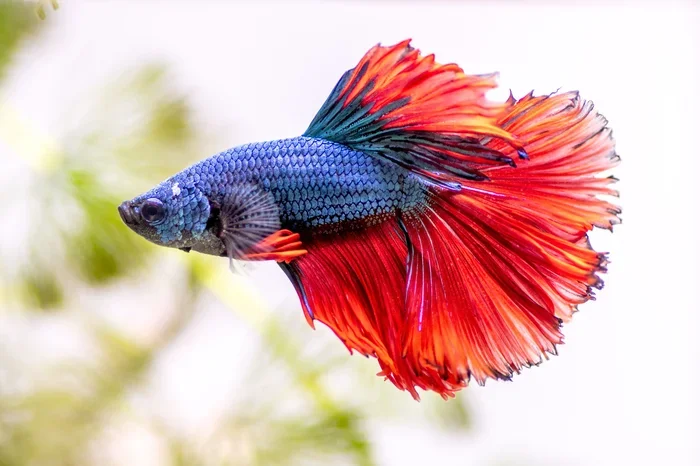
Better color and fin development. Betta fish are known for their stunning colors and flowing fins. Poor water quality causes fading and fin rot. Regular water changes help maintain vibrant colors and healthy fin growth. Your betta will look its best when the water is right.
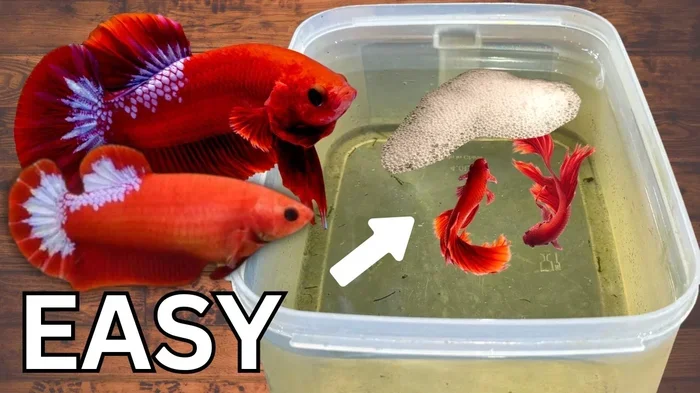
More active and playful behavior. Have you ever noticed your betta swimming energetically after a water change? That is not a coincidence. Fresh water feels better and stimulates natural behavior. Your fish will explore, build bubble nests, and interact more with you.
Longer lifespan. The average betta fish lives three to five years in captivity. With excellent water quality and a consistent maintenance routine, some bettas live even longer. The investment you put into regular water changes pays off in extra years with your beloved pet.
Quick Tips for Stress-Free Water Changes
Water changes should be easy and calm for both you and your fish. Here are some quick tips to make the process smoother.
- Always prepare your new water at least 30 minutes before you start. This gives the conditioner time to work and helps the temperature stabilize.
- Move slowly and calmly around the tank. Sudden movements can scare your betta.
- Use the same bucket every time. Label it clearly so no one accidentally uses it for household chores.
- Wipe the inside glass with a clean algae magnet before you start. This removes surface algae and gives you a clearer view of the tank.
- Do not forget to rinse your filter media in old tank water, never tap water. This preserves the beneficial bacteria colonies.
- Feed your betta lightly on water change day. Less food means less waste during the cleaning process.
Following these simple tips turns water changes from a chore into a quick and rewarding part of your routine. Your betta will thank you with bright colors, active swimming, and a long healthy life.
Conclusion
So how often should you change betta fish water? The answer is clear. Most betta setups need a partial water change every one to two weeks, with smaller or unfiltered tanks requiring more frequent attention. The key is consistency. Stick to a regular schedule, watch your water parameters, and always treat new water before adding it to the tank.
Proper betta fish tank maintenance does not have to be complicated. With the right tools, a simple routine, and a little bit of knowledge, you can keep your betta’s water clean and safe all year round. Your fish will reward you with vibrant colors, energetic behavior, and a long, healthy life by your side.
Start today. Pick a day, gather your supplies, and give your betta the fresh, clean water it deserves. Your pet will be happier and healthier because of it.
Frequently Asked Questions
How often should I change my betta fish water in a bowl?
If your betta lives in a bowl without a filter, you should change about 50 percent of the water every three to five days. Bowls have very little water volume, so waste builds up fast. Always use a water conditioner when adding fresh water to keep your betta safe.
Can I use tap water for my betta fish water change?
Yes, but you must treat it first. Tap water contains chlorine and chloramine that are harmful to fish. Use a liquid water conditioner to neutralize these chemicals before adding the water to your tank. This is a non-negotiable step in betta fish care.
What percentage of water should I change for my betta fish?
A 25 to 30 percent water change is ideal for most betta tanks. For smaller unfiltered bowls, you may need to change up to 50 percent. Avoid changing more than 50 percent at a time unless the water quality is dangerously poor, as this can disrupt the beneficial bacteria in your tank.
How do I know if my betta fish water is dirty?
Cloudy water, a strong odor, algae buildup, and changes in your betta’s behavior are all signs that the water needs changing. You can also test your water with a liquid test kit to check ammonia, nitrite, and nitrate levels. High readings mean it is time for a water change.
Should I change my betta fish water more often if I have no filter?
Yes, absolutely. Without a filter, there is no mechanical or biological filtration to help break down waste. You will need to do partial water changes more frequently, typically every five to seven days for small unfiltered tanks. Staying on top of the schedule keeps ammonia and nitrite levels in check.
What temperature should the new water be when I do a water change?
The new water should match the existing tank temperature as closely as possible, ideally within one to two degrees Fahrenheit. Betta fish are sensitive to temperature swings. Use an aquarium thermometer to check both the old and new water before adding it to the tank.