How Often Can You Give Your Betta Fish Pellets
You should feed your betta fish pellets once or twice a day, giving them only 2 to 3 pellets per meal. Overfeeding is the most common mistake betta owners make, and it can lead to serious health problems. A consistent feeding routine keeps your betta fish healthy, active, and full of color.
Feeding your betta fish the right way matters more than most people think. A big part of that is knowing exactly how often can you give your betta fish pellets. Pellets are a staple in the betta fish diet, but too many or too few can cause problems. In this guide, we will walk you through everything you need to know about your betta feeding routine.
Whether you just got your first betta or you have had one for years, getting the feeding schedule right makes a huge difference. We will cover how many pellets to use, what times work best, and how to spot the signs of overfeeding betta fish. By the end, you will feel confident about your feeding frequency and your fish will thank you for it.
The good news is that feeding betta fish pellets is simple once you understand the basics. Let us dive in and make sure your fish stays healthy and happy for years to come.
Key Takeaways
- Feed pellets 1-2 times daily: Stick to a consistent schedule for the best results.
- 2 to 3 pellets per meal is enough: Portion control prevents overfeeding and keeps your betta healthy.
- Watch for warning signs: Swollen belly and lethargy often mean you are feeding too much.
- Choose high-quality sinking pellets: Not all pellets are created equal for betta fish nutrition.
- Skip a day occasionally: Fasting helps digestion and prevents bloating.
- Pair pellets with variety: Adding live food or brine shrimp boosts your betta fish diet.
- Adjust for age and activity: Young bettas need more frequent meals than adult fish.
📑 Table of Contents
What Are Betta Fish Pellets?
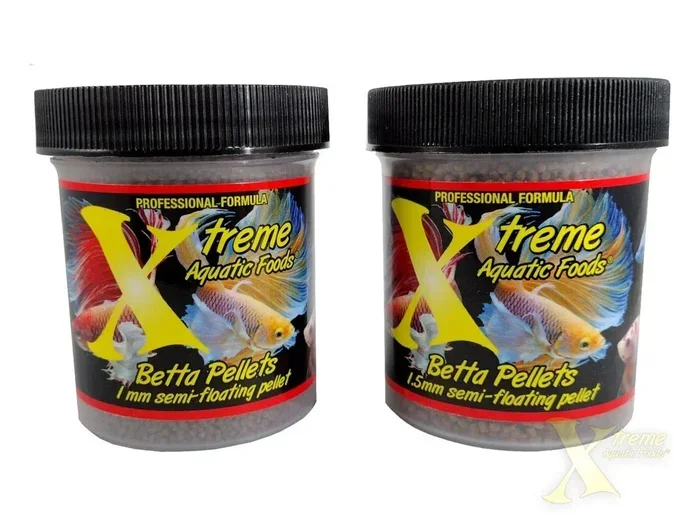
Betta fish pellets are small, round food pieces made specifically for betta fish. They are designed to match the betta fish nutrition needs. Most quality pellets contain a mix of protein, vitamins, and minerals that keep your fish strong and colorful.
Why Pellets Matter for Betta Fish
In the wild, bettas eat small insects and larvae. Pellets try to mimic that natural diet in a convenient form. Sinking pellets are especially popular because bettas like to eat from the middle or bottom of the tank. Flakes can float and make a mess, but pellets stay where they should be.
Using the right fish pellets also helps maintain water quality in your tank. Uneaten food breaks down and pollutes the water. That is why knowing the correct amount matters so much for your fish tank maintenance.
Types of Betta Fish Pellets
Not all pellets are the same. Here is a quick look at what is out there:
- Sinking pellets: These sink to the bottom. Most bettas prefer them.
- Floating pellets: These stay on the surface. Some bettas eat them there.
- Slow-sinking pellets: A good middle ground that works for most fish.
- Color-enhancing pellets: These contain ingredients that bring out your betta’s bright colors.
When choosing pellets, look for ones with fish meal or shrimp as the first ingredient. Avoid pellets filled with fillers like wheat or corn. Your betta fish health depends on what you put in the tank.
How Often Should You Feed Your Betta Fish Pellets?
This is the big question, and the answer is simpler than you might think. Most experts agree that feeding your betta once or twice a day is the sweet spot. That gives your fish enough fuel without overwhelming its small digestive system.
Feeding Schedule by Age
Your betta’s age changes how often you should feed it. Here is a quick breakdown:
- Baby bettas (under 3 months): Feed 2 to 3 times a day with tiny pinches of food.
- Young bettas (3 to 6 months): Feed twice a day with 2 to 3 pellets per meal.
- Adult bettas (6 months and older): Feed once or twice a day with 2 to 3 pellets per meal.
- Senior bettas (over 2 years): Once a day is usually enough. Their metabolism slows down.
If you want a deeper dive into feeding schedules, check out our guide on how often you should feed a betta fish. It covers every age group in detail.
Best Times of Day to Feed
Timing matters more than you might expect. Try to feed your betta at the same times every day. This builds a routine and helps your fish feel secure. Good times include:
- Morning: Right when you turn the lights on. Your betta will be active and ready to eat.
- Evening: A few hours before you turn off the tank light. Give your fish time to digest before rest.
Avoid feeding your betta right before you turn off the lights. Fish need time to process their food, and going to sleep on a full stomach is not great for digestion.
How Many Pellets Should You Give Per Feeding?
This is where many betta owners get it wrong. The answer depends on the size of the pellet and the size of your fish. But as a general rule, 2 to 3 pellets per feeding is the right amount for most adult bettas.
Portion Control Guide
Think of it this way. Your betta’s stomach is about the size of its eye. That is tiny! Here is a simple guide to follow:
- Small pellets: Give 3 to 4 pellets per feeding.
- Medium pellets: Give 2 to 3 pellets per feeding.
- Large pellets: Give 1 to 2 pellets per feeding.
If you are ever unsure, start with fewer pellets. You can always add a tiny bit more if your fish seems hungry. But removing excess food after a few minutes is the safest bet for keeping your tank clean.
Factors That Affect Feeding Amount
Several things can change how much your betta needs at each meal:
- Water temperature: Warmer water speeds up metabolism, so your fish may need slightly more.
- Activity level: A betta that swims a lot may burn more energy.
- Tank size: Larger tanks with stable conditions support a more active fish.
- Overall diet: If you also give live food or flakes, reduce the pellet count.
For more tips on keeping your betta in top shape, read our article on how you can tell if your betta fish is sick. Many health issues start with poor feeding habits.
Signs You Are Overfeeding or Underfeeding
Knowing the right amount is only half the battle. You also need to recognize the warning signs when something goes wrong. Both overfeeding and underfeeding come with clear symptoms.
Warning Signs of Overfeeding
Overfeeding is the number one mistake betta owners make. Watch out for these red flags:
- Swollen or bloated belly: This is the most obvious sign. If your betta looks like a tiny balloon, cut back on food.
- Uneaten food sinking to the bottom: Pellets that sit in the tank for more than a few minutes are too much.
- Cloudy or dirty water: Excess food breaks down fast and ruins water quality.
- Lethargy: An overfed betta often becomes lazy and stays at the bottom of the tank.
- Constipation: If your betta has trouble swimming or produces long white strings, it may be backed up.
Want to learn more about avoiding this common problem? Our article on can you overfeed your betta fish goes deep into the risks and solutions.
Signs Your Betta Is Not Getting Enough
Underfeeding can be just as harmful. Look for these signs:
- Loss of color: A healthy betta should be bright and vibrant. Dull colors often mean a poor diet.
- Constant begging at the surface: If your betta is always swimming to the top when you walk by, it might need more food.
- Weight loss: A visibly thin betta is not getting enough nutrition.
- Low energy: Your betta should be curious and active. A fish that hides all the time may be starving.
Finding the right balance takes a little observation. Feed a set amount and watch how your fish reacts over the next 24 hours. Adjust from there based on what you see.
Tips for the Best Feeding Routine
Building a solid routine is the foundation of good betta care. These practical tips will help you get it right from day one.
Choose High-Quality Pellets
Not all pellets are created equal. Cheap pellets filled with fillers do more harm than good. Look for brands that list whole fish or shrimp as the first ingredient. High-quality pellets dissolve slowly and provide steady nutrition throughout the day.
When shopping for betta fish food, check the protein content. Bettas are carnivores and need at least 30 to 40 percent protein in their diet. Pellets that meet this standard will keep your fish thriving.
Pair Pellets With Variety
Pellets should be the main part of your betta’s diet, but variety keeps things interesting. Try adding the following once or twice a week:
- Live brine shrimp: A favorite treat that mimics natural hunting.
- Bloodworms: Rich in protein and highly appetizing.
- Daphnia: Great for digestion and adds nutritional variety.
- Freeze-dried foods: Convenient and packed with nutrients.
Just remember that treats should make up no more than 10 percent of the total diet. The rest should be your quality pellets. This keeps your betta healthy without the risk of overfeeding betta fish.
Fast Your Betta Once a Week
Here is a tip many experienced betta owners swear by. Skip one feeding day each week. Fasting gives your betta’s digestive system a break and helps prevent constipation and bloating. Most bettas handle a fasting day just fine and often come back to their food with more enthusiasm.
Common Mistakes to Avoid
Even the best intentions can lead to problems when feeding your betta. Here are the most common mistakes and how to avoid them.
Feeding Too Much at Once
This is the classic mistake. It is tempting to drop in a handful of pellets, especially when your fish is begging. But more is never better. Stick to 2 to 3 pellets and remove anything uneaten after 2 minutes. This simple habit protects your betta fish health and keeps the tank water clean.
Ignoring the Feeding Schedule
Inconsistent feeding causes stress. Your betta thrives on routine. If you feed at random times, your fish will stay on edge. Pick two set times each day and stick to them. Consistency is one of the easiest ways to boost your betta’s overall well-being.
Using the Wrong Type of Food
Not all fish food works for bettas. Tropical flakes, for example, lack the protein levels bettas need. Goldfish food is completely different from betta food. Always double-check that the food you buy is designed for bettas or carnivorous fish. If you are ever in doubt, look at the ingredient list and protein percentage.
Skipping Water Changes Because of Feeding
Some owners think that uneaten pellets will just dissolve. They do not. Old food rots and releases ammonia into the water. This is toxic to your betta. Regular water changes and proper feeding go hand in hand. You cannot have one without the other for a healthy aquarium.
How Feeding Frequency Affects Betta Fish Lifespan
You might be surprised to learn that how you feed your betta directly impacts how long it lives. A well-fed betta with a balanced diet can live 3 to 5 years, sometimes even longer. But a betta that is constantly overfed or underfed will likely face health problems much earlier.
Proper feeding frequency supports a strong immune system, healthy digestion, and vibrant color. It also reduces stress, which is one of the biggest killers of pet fish. When you get the feeding routine right, you are setting your betta up for a long and happy life.
If you want to learn more about the bigger picture of betta care, our article on how often do you feed a betta fish covers feeding frequency in great detail. It is a perfect companion piece to everything we have discussed here.
Conclusion
So how often can you give your betta fish pellets? The answer is clear. Feed your betta once or twice a day, giving it 2 to 3 pellets per meal. Stick to a consistent schedule, watch for signs of overfeeding or underfeeding, and choose high-quality sinking pellets that match your fish’s natural diet.
Your betta feeding routine does not need to be complicated. Keep it simple, keep it consistent, and your fish will reward you with bright colors, active behavior, and a long life. Remember that every betta is a little different, so pay attention to your own fish and adjust as needed. With the tips in this guide, you now have everything you need to feed your betta fish pellets the right way.
Start today. Pick a feeding time, measure out the right amount, and watch your betta enjoy its meal. That small daily routine is one of the best things you can do for your fish’s health and happiness.
Frequently Asked Questions
Can I feed my betta fish pellets every day?
Yes, feeding pellets every day is perfectly fine and actually recommended. Just stick to 2 to 3 pellets per meal and feed once or twice a day. Consistency is key to keeping your betta healthy and well-nourished.
What happens if I give my betta too many pellets?
Overfeeding causes bloating, constipation, and poor water quality. Excess pellets sink to the bottom and decay, releasing harmful ammonia. Always measure the food and remove anything uneaten after a couple of minutes.
Can I replace pellets with flakes for my betta fish?
You can, but pellets are generally better. Pellets sink and provide more concentrated nutrition. Flakes often float and lose nutrients quickly. If you use flakes, choose a high-quality betta-specific formula and feed small amounts.
How do I know if my betta is still hungry after eating pellets?
Watch for behaviors like swimming to the surface and begging when you approach the tank. However, some begging is just instinct and does not always mean hunger. Stick to the recommended portion size and resist the urge to add more.
Should I soak pellets before feeding them to my betta fish?
Soaking is not always necessary, but it can help with digestion, especially for larger pellets. Drop the pellets in a small cup of tank water for a minute before feeding. This prevents them from expanding inside your betta’s stomach.
Can I feed pellets to a baby betta fish?
Yes, but you need to crush them into very small pieces. Baby bettas have tiny mouths and stomachs. Feed 2 to 3 times a day with small pinches of crushed pellets or specialized baby betta food for the best results.
=== CONCLUSION ===
Feeding your betta fish pellets the right way is one of the simplest yet most important parts of betta fish care. A regular schedule of 1 to 2 feedings per day with 2 to 3 pellets per meal keeps your fish in great shape. Pay attention to portion sizes, watch for warning signs, and always choose quality pellets. Your betta will live a longer, happier, and more colorful life because of the care you put into its daily routine.