How Many Fish Points Is a Betta
A betta fish doesn’t have a fixed number of “fish points,” but you can evaluate their health, vitality, and overall condition using simple scoring methods. Fish points help you track how well your betta is doing in its environment. By monitoring color, activity, appetite, and water quality, you can give your betta a health score that guides better care decisions.
Every betta fish owner wants to know if their fish is happy and healthy. One way to figure this out is by looking at something called fish points. But what exactly are fish points, and how do they apply to a betta? Let’s dive in and find out.
The idea of fish points is simple. It’s a way to score your betta’s overall health based on a few key factors. Think of it like a report card for your fish. The higher the score, the better your betta is doing. In this article, we’ll break down everything you need to know about how many fish points a betta has and what you can do to improve that score.
Whether you’re a new betta owner or you’ve had fish for years, understanding fish points helps you make smarter care choices. It’s not about perfection. It’s about giving your betta the best life possible. So let’s get started.
Key Takeaways
- Fish points are a simple way to measure your betta’s overall health and happiness.
- Key factors include water quality, diet, tank size, and environmental enrichment.
- A healthy betta shows bright colors, active swimming, and a good appetite.
- Low fish points can signal stress or illness, so early detection matters.
- Small changes in care can quickly improve your betta’s score and well-being.
- Regular observation and testing keep your betta thriving for years.
📑 Table of Contents
What Are Fish Points for a Betta?
Fish points are a scoring system you can use to evaluate your betta’s health. There isn’t one official “betta points” chart that everyone follows. Instead, fish keepers and experts use a mix of visible signs and water parameters to judge how well a betta is doing. The concept is similar to a health score or a vitality rating for your fish.
When people ask “how many fish points is a betta,” they’re usually curious about what makes a betta healthy and how to measure it. A betta with high fish points looks vibrant, moves with energy, and eats well. A betta with low fish points may look faded, stay at the bottom of the tank, or refuse food.
Think of fish points as a simple tool. You don’t need fancy equipment. You just need to pay attention. Over time, you’ll get better at reading your betta’s signals and understanding where they stand.
Why Fish Points Matter
Tracking fish points gives you a clear picture of your betta’s condition. It helps you catch problems early before they become serious. For example, if your betta’s colors start fading, that could be a sign of stress or poor water quality. Catching this early means you can fix the issue fast.
Fish points also help you compare different care methods. If you change something in the tank, you can see how it affects your betta’s score. This makes it easier to find what works best for your fish. It turns guesswork into a real strategy.
How to Evaluate Your Betta’s Fish Points
Evaluating your betta’s fish points is easier than you might think. You can break it down into a few simple categories. Each category gives you clues about how healthy your betta really is.
Color and Appearance
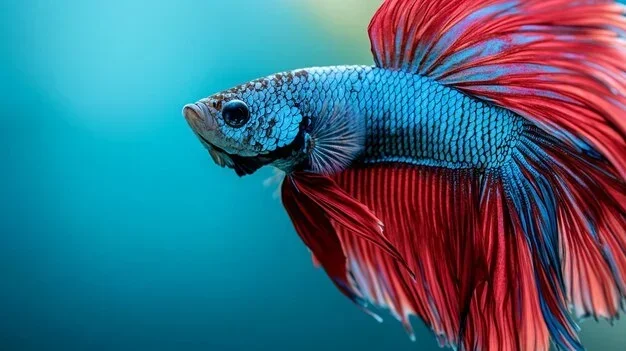
A healthy betta has bright, vivid colors. Their fins should look smooth and flowing, not torn or ragged. If your betta’s colors look dull or faded, that’s a sign of low fish points. Bettas come in many stunning colors, from deep blues to bright reds. When your betta looks its best, that’s a high score in the appearance category.
Watch for any white spots, redness, or swelling. These are signs of illness and will drop your betta’s fish points fast. Regular observation helps you spot changes early.
Activity Level
An active betta is a happy betta. Healthy fish explore their tank, build bubble nests, and interact with their environment. If your betta spends most of the time hiding or lying at the bottom, that’s a red flag. Low activity means low fish points.
Of course, bettas also like to rest. They’re not marathon swimmers. But when they’re awake and alert, they should move around with purpose. A betta that greets you at the tank glass is showing strong fish points.
Appetite and Eating Habits
Eating habits tell you a lot about your betta’s health. A betta with high fish points will eat eagerly and finish their food quickly. If your betta ignores food or eats very slowly, something might be wrong. Check the water temperature and quality first, since these affect appetite.
Overfeeding can also be a problem. It leads to bloating and poor water quality, both of which lower fish points. Feed your betta the right amount and watch how they respond.
Factors That Affect Betta Fish Points
Several things influence how many fish points your betta has. Understanding these factors helps you target the areas that need the most attention.
Water Quality
Water quality is the biggest factor in your betta’s fish points. Dirty water causes stress, disease, and low energy. You should test your tank water regularly for ammonia, nitrite, and nitrate levels. Ammonia and nitrite should always be zero. Nitrates should stay below 20 ppm.
Regular water changes make a huge difference. Aim for a 25-30% water change every week. This keeps the tank clean and your betta comfortable. Using a water conditioner removes harmful chlorine and chloramines from tap water.
Tank Size and Setup
The size of your betta’s tank directly affects their fish points. A small, cramped tank limits movement and builds up waste quickly. Bettas need room to swim and explore. A tank that’s too small will always result in lower fish points.
Adding plants, hiding spots, and gentle filtration creates a better environment. Live plants also help keep the water clean naturally. Your betta will appreciate the extra space and stimulation.
Diet and Nutrition
What you feed your betta matters more than you might think. A balanced diet keeps colors bright and energy levels high. Pellets made specifically for bettas are a great staple food. You can also offer frozen or live foods like brine shrimp as treats.
Feeding your betta 2-3 times a day in small amounts works well. This mimics their natural eating pattern and keeps them healthy. Overfeeding leads to waste and poor water quality, which tanks your fish points fast.
Temperature and Environment
Bettas are tropical fish and need warm water to thrive. The ideal temperature range is between 78 and 80 degrees Fahrenheit. Water that’s too cold makes bettas sluggish and prone to illness. Water that’s too hot causes stress and reduces oxygen levels.
Using a heater with a thermostat keeps the temperature stable. Stable temperatures mean stable fish points. Avoid placing the tank near windows, drafts, or electronics that create heat.
How to Boost Your Betta’s Fish Points
If your betta’s fish points are lower than you’d like, don’t worry. There are simple steps you can take to improve them. Most of these changes are easy and affordable.
Step 1: Test and Fix the Water
Start by testing your tank water. If ammonia or nitrite levels are high, do a partial water change right away. Check the filter to make sure it’s working properly. Clean any debris from the gravel or substrate. Clean water is the foundation of high fish points.
Step 2: Improve the Diet
Switch to high-quality betta pellets as the main food. Add variety with frozen or freeze-dried foods once or twice a week. This gives your betta the nutrients they need for bright colors and strong immunity. A well-fed betta earns higher fish points naturally.
Step 3: Enrich the Environment
Add silk plants, caves, or other decorations to give your betta places to explore and rest. Avoid sharp plastic plants that can tear fins. A stimulating environment keeps your betta active and engaged. More activity means higher fish points.
Step 4: Monitor and Adjust
Keep a simple log of your betta’s behavior, appetite, and appearance. Note any changes and adjust your care routine accordingly. Over time, you’ll learn what works best for your fish. Consistent monitoring keeps fish points high and problems low.
Common Signs of Low Fish Points
Knowing what low fish points look like helps you act fast. Here are the most common warning signs to watch for.
- Faded or dull colors – This often means stress or illness.
- Clamped fins – Fins held close to the body signal discomfort.
- Loss of appetite – Skipping meals for more than a day is a concern.
- Lethargy – Staying at the bottom or not moving much.
- Rapid breathing – Could indicate poor water quality or disease.
- White spots or patches – Often a sign of ich or fungal infection.
- Erratic swimming – Swimming sideways or in circles is abnormal.
If you notice any of these signs, test your water first. Poor water quality is the most common cause of low fish points. Fix the water parameters and observe your betta over the next few days. If the symptoms persist, consider treating for common diseases. For more guidance, check out our article on how to help a betta fish that is sick for practical treatment tips.
Expert Tips for Maintaining High Fish Points
Keeping your betta’s fish points high doesn’t have to be complicated. Here are some expert-backed tips that make a real difference.
- Keep the water stable. Sudden changes in temperature or chemistry stress your betta. Test water weekly and make adjustments gradually.
- Don’t overclean the tank. Good bacteria are essential for a healthy aquarium. Replace only a portion of the water at a time.
- Feed high-quality food. Cheap filler-filled pellets offer little nutrition. Invest in betta-specific food with real ingredients.
- Observe your betta daily. Even a quick glance at the tank tells you a lot. Catching changes early prevents bigger problems.
- Avoid aggressive tank mates. Bettas are solitary fish and can become stressed around aggressive species. For more on compatible companions, read about what fish is compatible with a male betta.
- Maintain proper tank size. A tank that’s too small limits your betta’s quality of life. A 5-gallon tank or larger is ideal for a single betta.
Following these tips consistently will keep your betta’s fish points in the green zone. Remember, small daily efforts lead to big results over time. Your betta will live a longer, happier, and more vibrant life.
How Long Can a Betta Maintain High Fish Points?
A well-cared-for betta can maintain high fish points for several years. The average betta fish lifespan ranges from 3 to 5 years, but some bettas live even longer with excellent care. The key is consistency. Keeping water quality high, feeding a proper diet, and providing a stimulating environment all contribute to a long and healthy life.
If you want to learn more about maximizing your betta’s lifespan, check out our guide on how long a betta fish life span. Understanding the full picture of betta care helps you keep those fish points high for years to come.
Fish points are not just a number. They represent the daily experience of your betta. A betta with high fish points feels safe, eats well, and thrives in its environment. That’s the goal every betta owner should work toward.
Conclusion
So, how many fish points is a betta? The honest answer is that there’s no fixed number. But the concept of fish points gives you a powerful way to evaluate and improve your betta’s health. By focusing on water quality, diet, tank setup, and daily observation, you can keep your betta’s score high and their life vibrant.
Use the tips in this article to build a care routine that works for you and your betta. Start with small changes and build from there. Your betta will thank you with bright colors, active swimming, and a long, healthy life. Keep tracking those fish points and enjoy the journey of being a great betta fish owner.
Frequently Asked Questions
What are fish points for a betta fish?
Fish points are a simple scoring system used to evaluate a betta’s overall health. You assess factors like color, activity, appetite, and water quality to give your betta a health rating. Higher fish points mean a happier, healthier fish.
How can I raise my betta’s fish points?
You can raise your betta’s fish points by improving water quality, feeding a balanced diet, and enriching the tank environment. Regular water changes, high-quality pellets, and live plants all help boost your betta’s score and well-being.
Is there an official fish points chart for bettas?
No, there isn’t one universal chart. Fish points are based on general health indicators that every betta keeper can observe. Different sources may use slightly different scoring methods, but the core factors remain the same.
How often should I check my betta’s fish points?
You should observe your betta daily and do a full fish points check weekly. Daily glances help you catch sudden changes early. Weekly checks let you assess trends and adjust your care routine as needed.
Can low fish points mean my betta is dying?
Low fish points can be a warning sign of serious health issues. If your betta shows multiple symptoms like fading color, lethargy, and loss of appetite, act quickly. Check water parameters and look for signs of disease. For more information, read about how you can tell if a betta fish is dying to recognize critical warning signs.
Do bettas in bigger tanks have higher fish points?
Generally, yes. A larger tank provides more stable water conditions and room to swim, which supports higher fish points. Bettas in 5-gallon tanks or larger tend to be healthier and more active than those in tiny bowls. For more on ideal tank sizes, check out our guide on how many gallons for a betta fish.