Is Light Good in Tank for Betta Fish
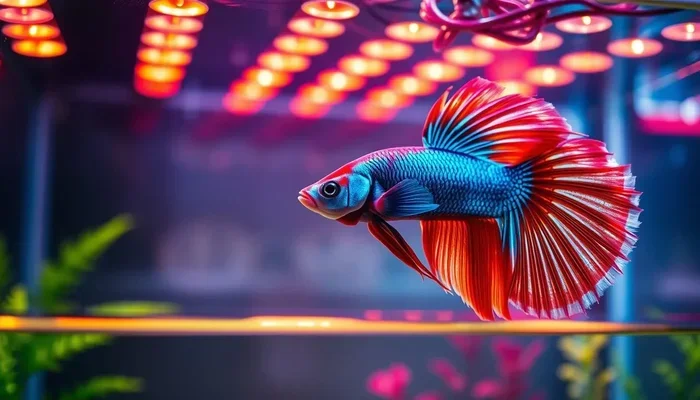
Is light good in tank for betta fish? Yes, but the answer is more nuanced than you might think. Proper aquarium lighting can boost your betta fish health, enhance colors, and support live plants — but too much or the wrong type of light can cause stress and algae growth. This guide covers everything you need to know about betta fish tank lighting, ideal brightness levels, and how to create the perfect betta fish habitat.
Key Takeaways
- Moderate lighting is essential: Betta fish benefit from a consistent light cycle that mimics natural day and night patterns in their aquarium.
- Too much light is harmful: Excessive brightness or prolonged lighting periods can stress your betta and trigger dangerous algae blooms.
- LED lights are the best choice: Energy-efficient LED aquarium lights offer the right spectrum without generating excess heat that could harm your betta.
- Live plants enhance the setup: Adding aquarium plants like anubias or java fern benefits from proper lighting and gives your betta hiding spots.
- A consistent photoperiod matters: Keeping a 8-12 hour light schedule helps regulate your betta’s behavior and overall well-being.
- Natural sunlight should be avoided: Direct sunlight can cause temperature spikes and uncontrollable algae growth in your betta tank.
📑 Table of Contents
- Is Light Good in Tank for Betta Fish? The Full Picture
- Why Lighting Matters for Your Betta Fish
- What Type of Light Is Best for a Betta Tank
- How Many Hours Should You Keep the Light On?
- Common Mistakes with Betta Tank Lighting
- Tips for Setting Up the Perfect Betta Tank Lighting
- Comparison: Different Light Types for Betta Tanks
- Expert Insights on Betta Tank Lighting
- Conclusion: Is Light Good in Tank for Betta Fish?
Is Light Good in Tank for Betta Fish? The Full Picture
Setting up a home for your betta fish involves more than just filling a tank with water and dropping your fish in. Betta fish care demands attention to water quality, temperature, diet, and yes — lighting. If you are wondering is light good in tank for betta fish, the short answer is yes, it absolutely is. But the details matter a lot.
Your betta fish tank is not just a glass box. It is a living environment. The way you handle tank illumination directly affects your fish’s colors, energy levels, sleep patterns, and even the growth of aquatic plants. Getting this right means a happier, healthier betta who shows off those stunning colors every single day.
In this guide, we will break down everything about aquarium lighting for bettas. We will cover what type works best, how many hours you should keep the light on, and common mistakes to avoid. By the end, you will know exactly how to light your betta’s home for the best results.
Why Lighting Matters for Your Betta Fish
Lighting is not just about making your tank look pretty. It plays a real role in your betta fish environment. Here is why it matters more than most people realize.
It Supports a Natural Day and Night Cycle
In the wild, betta fish species live in warm, shallow waters across Southeast Asia. They follow a natural rhythm of daylight and darkness. Your aquarium should mirror this. A consistent light schedule helps your betta know when to be active and when to rest. Without it, your fish can become confused and stressed.
This is called a photoperiod. Think of it as your betta’s internal clock. When you keep a steady schedule, your fish behaves more naturally. It swims, explores, and even shows off its fins more. When the schedule is random or absent, your betta may become sluggish or anxious.
It Brings Out Stunning Colors
One of the biggest joys of keeping a betta is watching those incredible colors. The right tank brightness makes reds look deeper, blues look richer, and greens look more vivid. Poor lighting or the wrong spectrum can make your betta look dull and faded.
This is why many experienced hobbyists say that proper lighting is one of the most important parts of any aquarium setup. It is not about brightness alone. It is about the right kind of brightness.
It Helps Live Plants Grow
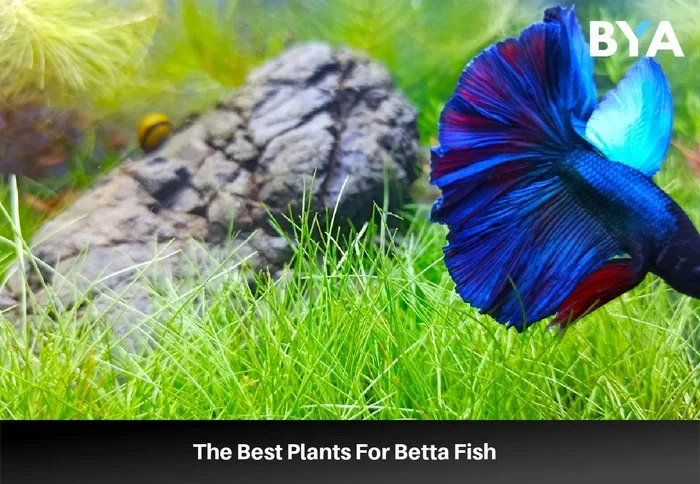
Adding plants to your betta tank is a fantastic idea. Live plants give your betta places to rest, hide, and explore. They also help clean the water by absorbing harmful substances. But plants need light to photosynthesize. Without adequate tank illumination, your plants will die and stop providing those benefits.
Plants like java fern, anubias, and java moss are great choices for a betta tank. They do not need extremely strong light, but they do need some. If you are considering adding plants, check out whether an orchid in a betta fish tank could work as well — some floating plants do surprisingly well.
What Type of Light Is Best for a Betta Tank
Not all lights are created equal. Some are perfect for a betta fish habitat, while others can cause more harm than good. Let us look at the most common options.
LED Lights — The Top Choice
LED light for betta setups are widely considered the best option. Here is why:
- They use very little energy compared to older lighting types.
- They produce almost no heat, which protects your water temperature from rising.
- They come in different color spectrums, so you can choose one that makes your betta glow.
- They last for years without needing replacement.
LED lights are especially great if you plan to keep live plants. Many LED fixtures come with adjustable settings that let you control the intensity and color. This gives you full control over your betta fish tank lighting.
Fluorescent Lights — A Decent Backup
Fluorescent tubes have been used in aquariums for decades. They work well and are affordable. However, they do produce some heat and are less energy-efficient than LEDs. If you already have a fluorescent fixture, it will work fine for your betta. Just make sure the tank does not get too warm.
Since betta fish are tropical, they need warm water. If your light is raising the temperature too much, you may need a fan or chiller to keep things stable. You can learn more about ideal conditions in our guide on what the best temperature for a betta fish tank is.
Incandescent and Halogen Lights — Avoid These
These older options generate a lot of heat. They can quickly raise the temperature in a small tank and put your betta at risk. They also do not offer the right light spectrum for plant growth. Skip these entirely for a betta setup.
Natural Sunlight — Be Very Careful
Placing your tank near a window might seem like a free and easy solution. In reality, direct sunlight is one of the worst choices. It causes temperature swings, leads to explosive algae growth, and can even overheat your fish. If you want natural light, use filtered indirect sunlight only and keep it limited.
How Many Hours Should You Keep the Light On?
This is one of the most common questions about is light good in tank for betta fish. The answer depends on creating a healthy light cycle.
The general rule is simple: keep the light on for 8 to 12 hours per day. This mimics a natural daytime period and gives your betta plenty of rest at night. Here is a sample schedule that works well:
- Turn the light on in the morning (around 7 to 8 AM).
- Keep it on throughout the day for natural activity.
- Turn it off in the evening (around 7 to 8 PM).
- Let the tank stay dark overnight for proper rest.
Consistency is the key. Do not turn the light on and off at random times. Your betta thrives on routine. If you are gone during the day, consider using a simple timer. This takes the guesswork out entirely and ensures your fish always gets a reliable schedule.
What Happens If You Leave the Light On Too Long?
Running the light for more than 12 hours creates problems. The most common ones include:
- Algae blooms: Extra light hours give algae the energy to grow fast and cover your tank.
- Stress for your betta: Your fish needs darkness to rest. Without it, it becomes exhausted.
- Temperature rise: Even LED lights add a small amount of warmth over extended periods.
If you have ever wondered why there is foam in my betta fish tank or noticed your water getting cloudy, lighting issues could be a contributing factor alongside other problems.
What Happens If You Keep the Tank Too Dark?
On the other side, keeping your betta in near-darkness all the time is not good either. Your fish becomes lethargic, loses interest in food, and may stop displaying its beautiful colors. A completely dark tank also prevents any live plants from surviving.
Your betta needs a balance. Light for activity, color display, and plant health. Darkness for rest and recovery. Think of it like your own sleep schedule — you would not stay up all night or sleep all day and expect to feel great.
Common Mistakes with Betta Tank Lighting
Even experienced keepers make lighting mistakes. Here are the ones to watch out for.
Using the Wrong Brightness Level
Not every tank needs the same amount of light. A heavily planted tank needs more intensity than a bare tank with just a few decorations. For a typical betta setup with some plants, moderate brightness works perfectly. If your tank looks like it is glowing too brightly or the water feels warm from the light, dial it back.
Ignoring the Photoperiod
We mentioned this already, but it deserves its own emphasis. A photoperiod is the total length of light in a 24-hour period. For bettas, 8 to 12 hours is the sweet spot. Going beyond that is one of the leading causes of algae growing in my betta fish tank. If you are struggling with algae, check your lighting schedule first.
Overlooking Tank Temperature
Lighting and temperature are connected. Some fixtures add more heat than you would expect. Your betta fish tank should stay between 76°F and 82°F (24°C to 28°C). If your light is pushing the temperature higher, you need to adjust. A small heater with a thermostat can help maintain stability, especially in cooler rooms.
Using Harsh White Light
Plain bright white light can look harsh and does not bring out your betta’s colors well. Lights with a slightly warm spectrum or those designed for freshwater aquariums work much better. They enhance reds, oranges, and blues without washing everything out. A gentle, focused light always looks better than a blinding flood.
Tips for Setting Up the Perfect Betta Tank Lighting
Ready to set up or improve your lighting? Here are some practical steps that make a real difference.
Quick Tips for Betta Tank Lighting
- Choose LED fixtures with adjustable brightness so you can fine-tune the output.
- Use a timer to keep a consistent 8 to 12 hour schedule every single day.
- Position the light evenly across the tank so there are no bright hot spots or dark corners.
- Add live plants like java fern or anubias to make use of the light and give your betta enrichment. You might also want to explore if betta fish are good for plants and how they interact in a planted setup.
- Watch for algae and reduce light hours if it starts appearing on glass or decorations.
- Observe your betta’s behavior — if it seems restless or avoids certain areas, the light may be too intense.
Keep Your Betta Entertained and Engaged
Lighting is just one part of a stimulating environment. Betta fish are curious and intelligent. They can get bored in a dull tank. Adding plants, gentle decorations, and hiding spots keeps them active. If you want to know more about this, read about whether betta fish get bored in a tank and how to prevent it.
A well-lit tank with interesting things to explore is a happy tank. Your betta will swim more, display its fins more often, and show a more vibrant personality overall.
Consider Your Tank Size
The size of your tank also affects how you approach lighting. Smaller tanks heat up faster under lights, so you need to be more careful. Larger tanks have more stable temperatures but may need stronger fixtures for even coverage. The general recommendation for a single betta is a tank of at least 5 gallons. You can learn more about ideal sizes in our guide on what a good size tank for a betta fish looks like.
No matter the size, always match your light to the tank volume. Most LED fixtures list a recommended tank size on the packaging. Stick to that recommendation for the best results.
Comparison: Different Light Types for Betta Tanks
Here is a quick side-by-side look at the main lighting options to help you choose.
| Light Type | Heat Output | Energy Use | Color Spectrum | Best For |
|---|---|---|---|---|
| LED | Very Low | Low | Adjustable | Best overall choice for bettas |
| Fluorescent | Low to Moderate | Moderate | Fixed | Budget-friendly setups |
| Incandescent | High | High | Limited | Avoid for betta tanks |
| Halogen | Very High | Very High | Limited | Avoid for betta tanks |
| Natural Sunlight | Uncontrolled | Free | Full spectrum | Risky; causes algae and heat spikes |
As you can see, LED lights clearly win for betta setups. They offer the best balance of safety, efficiency, and quality. The small extra cost compared to fluorescent lights pays for itself quickly through lower electricity bills and better results.
Expert Insights on Betta Tank Lighting
Experienced aquarists share a few golden rules when it comes to betta fish tank lighting:
- Less is often more. A softly lit tank looks more natural and keeps your betta relaxed. There is no need to turn your aquarium into a showroom.
- Watch your fish. Your betta tells you how it feels about the lighting. Active and colorful means it is happy. Hiding or staying near the surface constantly may signal a problem.
- Pair lighting with good maintenance. Even the best light setup will not prevent problems if you skip water changes. Regular care keeps the tank balanced and your fish thriving.
Lighting works together with everything else you do for your betta. It is not a standalone solution, but it is a very important piece of the puzzle.
Conclusion: Is Light Good in Tank for Betta Fish?
So, is light good in tank for betta fish? Absolutely yes — when done right. Proper lighting supports your betta’s natural rhythms, enhances its stunning colors, and helps live plants thrive. The key is balance. Choose the right type of light, keep a consistent schedule, and pay attention to how your fish responds.
Avoid the temptation to overdo it. A moderate, well-planned aquarium lighting setup always beats a bright, chaotic one. Stick with LED fixtures, use a timer, and create a routine your betta can count on. Your fish will reward you with active behavior, brilliant colors, and a long, healthy life.
Take what you have learned here and apply it to your own betta fish habitat. A little thought about lighting goes a long way. Your betta deserves a home that feels natural, looks beautiful, and keeps it thriving every single day.
Frequently Asked Questions
Is too much light bad for betta fish?
Yes, too much light is harmful. Keeping the light on for more than 12 hours a day can stress your betta and cause algae to grow rapidly. Stick to an 8 to 12 hour schedule to keep your fish healthy and your tank clean.
Can betta fish live without any light in their tank?
Betta fish can survive without light, but they do not thrive. Complete darkness makes them lethargic, suppresses their colors, and kills any live plants you may have. A consistent light cycle is important for their overall well-being.
What color light is best for a betta fish tank?
Warm spectrum lights work best because they enhance the natural reds, blues, and greens of betta fish. White light that is too harsh can wash out their colors. Many LED aquarium lights allow you to adjust the color temperature for better results.
Should I turn off the light at night for my betta?
Yes, always turn off the light at night. Betta fish need darkness to rest and maintain their natural sleep cycle. A timer can automate this so you do not have to remember manually every day.
Does lighting affect the temperature in a betta tank?
Yes, some lights produce heat that can raise the water temperature. LED lights produce very little heat, making them the safest choice. If you use fluorescent or older light types, monitor the temperature to make sure it stays in the safe range.
Can I use a regular desk lamp to light my betta tank?
A regular desk lamp is not recommended. It does not provide the right light spectrum for aquarium use, may generate excess heat, and can create uneven lighting. Purpose-built aquarium lights are designed specifically for fish tanks and are a much safer option.