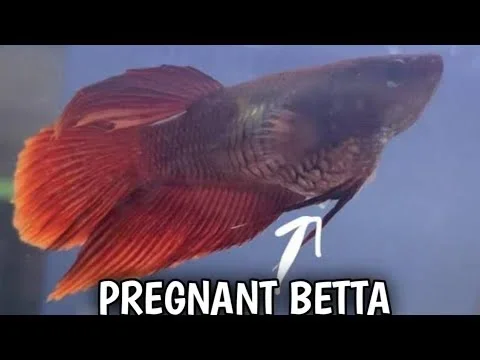
How Many Eggs Do Betta Fish Lay at a Time
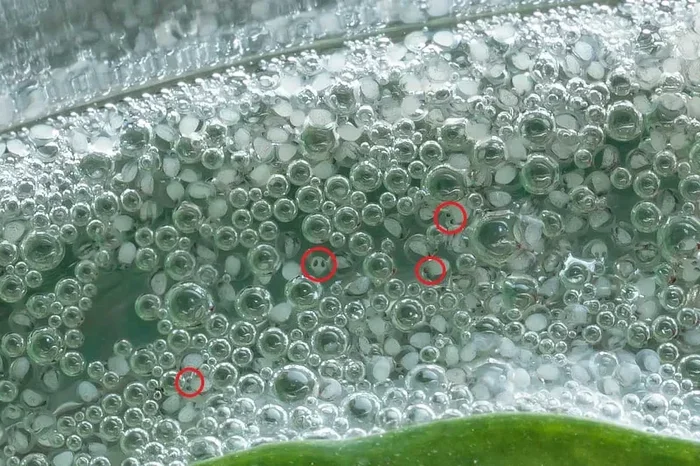
So, how many eggs do betta fish lay at a time? A healthy female betta can produce anywhere from 10 to 50 eggs per spawn, with some exceptional fish laying up to 100 or more. The number depends on factors like her age, size, diet, and overall health. Understanding this process helps every betta owner prepare for successful breeding or simply manage their tank better. Let us dive into the details of betta fish eggs and what you need to know.
Betta fish are some of the most fascinating freshwater fish you can keep at home. Their vibrant colors, flowing fins, and unique personalities make them a favorite among hobbyists worldwide. But one question comes up again and again in the betta community: how many eggs do betta fish lay at a time?
Whether you are a beginner or a seasoned aquarist, understanding betta fish reproduction helps you care for your fish better. It also prepares you if you ever decide to breed them. The answer is not as simple as a single number. Many factors influence egg production, from the fish’s age to the water conditions in the tank. In this guide, we will walk you through everything you need to know about betta fish eggs, the breeding process, and how to give your fish the best chance of a successful spawn.
Let us start with the basics and work our way through the entire process step by step. By the end, you will have a clear picture of what to expect and how to support your betta every step of the way.
Key Takeaways
- Average egg count: Most female bettas lay between 10 and 50 eggs per spawn, though larger, healthier fish can produce more.
- Breeding readiness matters: A well-conditioned female betta in optimal health will lay significantly more eggs than one that is stressed or underfed.
- Male betta role is critical: The male builds a bubble nest and fertilizes the eggs, playing a vital role in the hatching process.
- Water quality affects results: Clean water with stable temperature and pH encourages healthy egg production and better hatching rates.
- Not all eggs are fertilized: Some eggs may remain unfertilized, which is normal and should be removed to prevent fungal growth.
- Fry care starts immediately: Once eggs hatch, the male betta typically guards the fry, but you should prepare a separate grow-out tank.
- Patience is key: Betta fish eggs take about 24 to 72 hours to hatch, and the entire process requires careful monitoring.
📑 Table of Contents
Understanding Betta Fish Reproduction
Before we get into numbers, it helps to understand how betta fish reproduce. Bettas are bubble nest builders, which means the male creates a nest of bubbles at the water surface. This nest is where the eggs will be collected and protected after spawning. The process is fascinating to watch and shows just how intelligent these little fish really are.
Female bettas carry eggs inside their bodies before releasing them. A healthy female will produce mature eggs on a regular cycle, especially if she is well-fed and kept in good conditions. When she is ready, the male will引导 her to the bubble nest, and together they release and fertilize the eggs. This process is called spawning, and it is a natural behavior for bettas in the right environment.
It is important to note that betta fish do not lay eggs every day. Spawning happens in cycles, and each event produces a batch of eggs. After a successful spawn, the female typically needs time to recover and rebuild her egg supply. This recovery period can last anywhere from a few days to a couple of weeks, depending on her overall health and living conditions.
How Many Eggs Do Betta Fish Lay at a Time
Now for the main question. On average, a female betta fish will lay somewhere between 10 and 50 eggs per spawn. However, this range can vary quite a bit. Some bettas may release as few as 5 eggs, while others, particularly larger and well-conditioned females, can produce 70 or more eggs in a single batch.
Here is a quick breakdown of what to expect based on different factors:
- Young or small females: These fish typically lay fewer eggs, often in the range of 10 to 20 per spawn.
- Mature, healthy females: A well-grown female betta in peak condition can lay 30 to 50 eggs comfortably.
- Exceptional cases: Some large, well-fed females have been known to produce over 100 eggs in a single spawn, though this is less common.
The number of eggs also depends on whether this is the fish’s first spawn or a subsequent one. First-time breeders sometimes produce fewer eggs as their bodies adjust to the process. With each successive spawn, many females become more prolific egg producers, especially when kept in optimal conditions.
If you are curious about what happens after the eggs are laid, check out our guide on how many fry betta fish have to learn about the outcomes after hatching.
What Affects Egg Count in Betta Fish
Several factors play a role in determining how many eggs a female betta will produce. Let us break these down so you can understand what you can control and what you cannot.
Age matters a great deal. Young bettas that have just reached breeding age tend to lay fewer eggs. As the female matures, usually around 4 to 6 months old, her body becomes fully capable of producing healthy egg clutches. The sweet spot for breeding is typically between 6 months and 2 years of age, though some females remain productive well beyond that.
Size and body condition are also significant. A female with a healthy, rounded body shape will generally carry more eggs than a thin or underweight one. This is why proper nutrition before breeding is so important. Feeding the female high-quality foods like live or frozen brine shrimp, daphnia, and bloodworms helps her body develop strong, viable eggs.
Water quality and parameters cannot be overlooked either. Clean water with a temperature between 78 and 82 degrees Fahrenheit, a pH around 7.0, and low ammonia levels creates the ideal environment for egg production. Stress from poor water conditions can reduce egg count significantly or even prevent spawning altogether.
The Betta Breeding Process Step by Step
Breeding betta fish is a rewarding experience, but it requires preparation and attention to detail. Let us walk through the process so you understand exactly what happens when your bettas are ready to spawn.
Step 1: Conditioning the Breeding Pair
Before you introduce a male and female betta for breeding, you need to condition them separately. This means feeding them rich, protein-heavy foods multiple times a day for about 1 to 2 weeks. The goal is to get the female full of eggs and the male healthy and ready to build a strong bubble nest.
During this time, you should also set up a separate breeding tank. A tank of around 10 to 20 gallons works well. Keep the water warm, slightly acidic to neutral, and free from strong currents. A sponge filter is ideal because it provides gentle filtration without creating too much flow.
Step 2: Introducing the Pair
Once both fish are in good condition, you can introduce them to the breeding tank. Many breeders use a divider at first so the pair can see each other without direct contact. This helps reduce aggression and allows them to get comfortable with each other’s presence.
After a day or two, remove the divider and observe their behavior. The male will start building a bubble nest at the water surface. The female will develop a visible egg spot on her underside, which looks like a small white tube. These are clear signs that spawning is imminent.
Step 3: The Spawning Event
When the female is ready, she will release eggs in batches. The male will wrap his body around hers to fertilize them. This process repeats several times over the course of a few hours. The male will collect each batch of eggs and place them gently into the bubble nest.
It is normal for the female to lay anywhere from a few eggs to several dozen during a single spawning session. Once she has released all her eggs, she will usually become less active and may show signs of fatigue. Remove the female from the tank at this point, as the male will become territorial and may harm her.
For more detailed guidance on breeding bettas, take a look at our article on how do you breed a betta fish.
Step 4: Egg Care and Hatching
The male betta will guard the bubble nest and the eggs inside it. He will retrieve any eggs that fall from the nest and place them back. This is a dedicated father, and he takes his job very seriously.
So, how long does it take for betta fish eggs to hatch? Typically, the eggs will hatch within 24 to 72 hours, depending on the water temperature. Warmer water speeds up development, while cooler water slows it down. Once the eggs hatch, the fry will drop from the nest and begin swimming freely.
At this stage, you can remove the male from the tank. He may eat the fry if left in the same container. For more information on the hatching timeline, visit our page on how long betta fish eggs take to hatch.
Factors That Influence How Many Eggs Betta Fish Produce
Let us take a closer look at the specific factors that influence egg production. Understanding these will help you create the best possible environment for your breeding bettas.
Age and Experience
As mentioned earlier, age plays a huge role. Younger females are still developing and may not produce as many eggs. The prime breeding years for a female betta are roughly from 6 months to 2 years. After that, egg production naturally declines, though some older females still spawn successfully.
Experience also matters. A female that has spawned multiple times may become more efficient at producing eggs, especially if she is kept in consistent, high-quality conditions. However, it is important not to overbreed a female, as this can lead to health problems and a shortened lifespan.
Diet and Nutrition
A nutrient-rich diet directly impacts egg quality and quantity. Female bettas need protein-rich foods to develop healthy eggs. Good options include:
- Live brine shrimp
- Frozen daphnia
- Bloodworms (in moderation)
- High-quality betta pellets
- Mosquito larvae
Feeding a varied diet ensures the female receives all the vitamins and minerals she needs. Overfeeding can cause health issues, so aim for 2 to 3 small meals per day during the conditioning period.
Tank Size and Environment
The breeding environment matters more than many people realize. A tank that is too small creates stress, which suppresses egg production. A tank that is too large makes it difficult for the male to maintain the bubble nest. The sweet spot is usually a 10 to 20 gallon tank with gentle filtration and stable water parameters.
Adding floating plants or a spawning mop gives the female places to hide and feel secure. Reducing light levels slightly can also help mimic natural breeding conditions and encourage spawning behavior.
Water Parameters
Stable water conditions are essential for healthy egg production. Here are the ideal parameters for breeding bettas:
- Temperature: 78 to 82 degrees Fahrenheit
- pH: 6.5 to 7.0
- Ammonia: 0 ppm
- Nitrite: 0 ppm
- Nitrate: Below 20 ppm
Regular water changes of 10 to 20 percent per week help maintain these parameters. Use a gentle water conditioner to remove chlorine and chloramine from tap water before adding it to the tank.
What to Do After Your Betta Lays Eggs
Once the eggs have been released and fertilized, your job as a betta owner is not done. There are several important steps to take to ensure the best possible outcome for both the eggs and the parent fish.
First, remove the female from the breeding tank as soon as spawning is complete. The male may become aggressive toward her once the eggs are safely in the nest. Leaving the female in the tank can result in injuries or stress for both fish.
Second, monitor the bubble nest closely. Check that it remains intact and that the male is actively tending to it. If the nest breaks apart, the male will rebuild it, but a stable environment helps him succeed faster.
Third, prepare for the fry. Once the eggs hatch, you will need a separate grow-out tank with very fine mesh or sponge filtration. Baby bettas, or fry, are extremely small and can be sucked into standard filter intakes. For tips on caring for bettas at every stage, visit our article on how do you care for a betta fish.
Not all eggs will be fertilized, and that is perfectly normal. Unfertilized eggs will turn white and may develop fungus if left in the tank. The male betta usually removes these, but you can gently siphon them out if you notice a buildup. For more on this topic, read our guide on do betta fish ever lay unfertilized eggs.
Common Mistakes Bettas Owners Make with Egg Production
Even experienced betta keepers can make mistakes when it comes to breeding and egg production. Here are some common pitfalls to avoid.
- Breeding too young: Introducing bettas to breeding before they are at least 6 months old can result in fewer eggs and health problems for the female.
- Skipping the conditioning period: Feeding the pair poorly before breeding leads to weaker eggs and lower hatch rates.
- Leaving the female too long: Keeping the female in the tank after spawning can lead to aggression and injury from the male.
- Poor water maintenance: Dirty water with high ammonia or nitrate levels stresses the fish and reduces egg quality.
- Overcrowding the breeding tank: Too many fish or decorations make it hard for the male to maintain the bubble nest and guard the eggs.
- Ignoring unfertilized eggs: Allowing unfertilized eggs to rot in the tank can spike ammonia levels and harm the remaining eggs and the male fish.
Avoiding these mistakes gives your bettas the best chance of a successful spawn and healthy fry development.
Key Takeaways
Let us quickly recap the most important points from this article:
- The average female betta lays between 10 and 50 eggs per spawn, with some producing more.
- Age, size, diet, and water quality all influence how many eggs a betta produces.
- The male betta builds a bubble nest and is responsible for guarding and caring for the eggs.
- Eggs typically hatch within 24 to 72 hours under proper conditions.
- Removing unfertilized eggs and maintaining clean water are essential for a successful hatch.
- Proper conditioning of both male and female bettas before breeding leads to better results.
Understanding how many eggs do betta fish lay at a time is just the beginning of your journey into betta breeding. Each spawn is a unique experience, and every fish is different. Pay attention to your bettas’ behavior, keep their environment clean and stable, and you will be well on your way to successful breeding.
Remember that breeding bettas is a responsibility. Make sure you have the time, space, and resources to care for the fry before you begin. Responsible breeding helps keep betta fish healthy and thriving for generations to come. Start with the basics, learn from each experience, and enjoy the incredible process of bringing new betta life into your aquarium.
Frequently Asked Questions
How many eggs do betta fish lay in one spawn?
A healthy female betta typically lays between 10 and 50 eggs in a single spawn. Some larger, well-conditioned females may produce up to 100 or more eggs. The exact number depends on factors like age, diet, and overall health.
How often do betta fish lay eggs?
Female bettas can lay eggs every two to three weeks if they are kept in optimal conditions and regularly exposed to a male. However, each spawn requires the female to recover, so it is best to allow at least two to four weeks between breeding sessions to protect her health.
Do all betta fish eggs get fertilized?
No, not all eggs get fertilized. It is normal for some eggs to remain unfertilized during each spawn. The male betta usually collects only the fertilized eggs and places them in the bubble nest. Unfertilized eggs should be removed to prevent fungal growth and water quality issues.
How long does it take for betta fish eggs to hatch?
Betta fish eggs typically hatch within 24 to 72 hours. Warmer water temperatures around 79 to 82 degrees Fahrenheit speed up the hatching process, while cooler temperatures slow it down. The male betta guards the eggs in the bubble nest during this entire period.
Can a female betta lay eggs without a male present?
Yes, a female betta can lay unfertilized eggs without a male. This is a natural process and does not harm the fish. However, unfertilized eggs will not hatch, and you should remove them from the tank to prevent them from rotting and affecting water quality.
What should I feed a female betta before breeding?
Feed the female high-protein foods such as live brine shrimp, frozen daphnia, and bloodworms for one to two weeks before breeding. This conditioning helps her body produce healthy, viable eggs. Avoid overfeeding, as excess food can pollute the water and stress the fish.
=== CONCLUSION ===
So, how many eggs do betta fish lay at a time? The answer ranges from 10 to 50 on average, but many variables can shift that number. By understanding the breeding process, conditioning your fish properly, and maintaining excellent water quality, you give your bettas the best chance of a successful spawn. Whether you are a first-time breeder or a seasoned hobbyist, patience and preparation make all the difference. Keep learning, keep observing, and most importantly, enjoy the incredible journey of betta fish reproduction.