Is Shrimp Better Than Fish
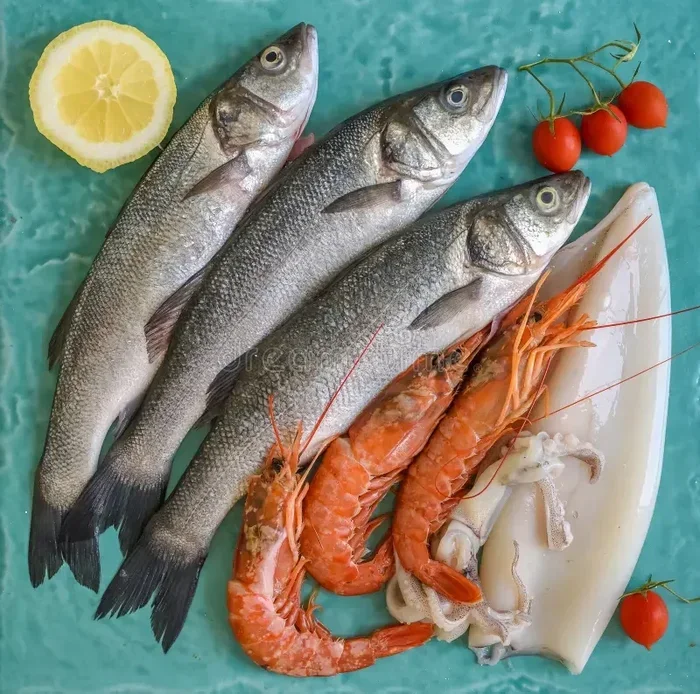
Is shrimp better than fish? The answer depends on what you care about most. Shrimp wins for low calories and versatility, while fish takes the lead in omega-3 content and overall nutrition. Both are excellent seafood choices that offer unique health perks for your body and your pet fish.
When it comes to choosing between shrimp and fish, people have strong opinions. Some swear by the tender bite of shrimp. Others love the versatility of fish in nearly every cuisine. But the real question is which one is better for your health, your diet, and even your aquarium pets.
Shrimp vs fish is a debate that goes beyond just taste. Each one brings something different to the table. Shrimp is low in calories and easy to cook. Fish is packed with omega-3 fatty acids and essential nutrients. And if you own betta fish or other tropical fish, you might wonder which one makes better pet food too.
In this guide, we break down everything you need to know. We compare nutrition, health benefits, risks, and even what works best for your aquarium friends. By the end, you will have a clear answer to the question: is shrimp better than fish for you?
Key Takeaways
- Shrimp is lower in calories and fat: A great option for those watching their weight and calorie intake.
- Fish provides more omega-3 fatty acids: Essential for heart health, brain function, and reducing inflammation.
- Both offer high-quality protein: Shrimp and fish are excellent sources of lean protein for muscle growth and repair.
- Shrimp may cause more allergic reactions: Shellfish allergies are common and can be severe.
- For betta fish, both make great food: But shrimp is a more natural part of their diet in the wild.
- Sustainability matters: Wild-caught options for both shrimp and fish tend to be more environmentally friendly.
📑 Table of Contents
- What Makes Shrimp and Fish Different?
- Nutritional Showdown: Shrimp vs Fish
- Health Benefits of Shrimp
- Health Benefits of Fish
- Which One Is Better for Your Diet?
- Can Betta Fish Eat Shrimp and Fish?
- Common Mistakes People Make When Choosing Between Shrimp and Fish
- Expert Insights on Seafood Choices
- Key Takeaways
- Conclusion
What Makes Shrimp and Fish Different?
Before diving into nutrition, it helps to understand what sets these two apart. Shrimp and fish belong to very different categories of seafood. Shrimp are crustaceans. Fish are aquatic vertebrates. This basic difference affects their nutrition, taste, texture, and even how they are raised.
Understanding the Basics
Shrimp live on the ocean floor. They are bottom feeders. Fish live in various water environments, from deep oceans to freshwater rivers. These habitats shape what each one eats and how their bodies develop nutrients.
Shrimp have a softer texture and a mildly sweet flavor. Fish can range from mild to strong in flavor depending on the species. Some fish, like salmon, are rich and oily. Others, like cod, are lean and delicate. This variety means fish offers more options for different recipes and diets.
How They Are Raised and Caught
Both shrimp and fish can be wild-caught or farmed. Wild-caught fish generally have a better nutrient profile. Farmed shrimp and fish can vary widely in quality. When choosing seafood, look for sustainably sourced options whenever possible.
If you are curious about wild vs farmed options, check out our article on is farmed fish better than wild fish to learn more about quality differences.
Nutritional Showdown: Shrimp vs Fish
This is where the comparison gets really interesting. Let us look at what each one offers in terms of macros, vitamins, and minerals.
Calorie Content
Shrimp is famously low in calories. A 3-ounce serving of shrimp has about 84 calories. The same amount of fish varies widely. Lean fish like cod has around 70 calories. Oily fish like salmon has around 120 calories. So if you are counting calories, shrimp has a slight edge.
Protein Power
Both shrimp and fish are protein champions. Shrimp delivers about 18 grams of protein per serving. Fish provides a similar amount, usually between 15 and 25 grams depending on the type. Protein is essential for muscle growth, tissue repair, and keeping you full longer.
If you want to compare protein sources further, you might find our article on why fish is better than meat helpful for understanding protein quality.
Fat and Omega-3 Content
Here is where fish pulls ahead. Fish is rich in omega-3 fatty acids. These healthy fats support your heart, brain, and joints. Shrimp contains some omega-3s but much less than fish. Shrimp also has more dietary cholesterol than most fish.
For a deeper dive into omega-3 sources, read our piece on which is better omega-3 or fish oil to understand how these essential fats work.
Vitamins and Minerals
Fish is an excellent source of vitamin D, vitamin B12, and selenium. Shrimp provides vitamin B12, phosphorus, and iodine. Both are good sources of zinc and iron. Fish tends to offer a broader range of micronutrients, especially fat-soluble vitamins.
| Nutrient (per 3 oz) | Shrimp | Fish (Salmon) |
|---|---|---|
| Calories | 84 | 120 |
| Protein | 18g | 20g |
| Total Fat | 0.3g | 5g |
| Omega-3 | 0.1g | 1.5g |
| Cholesterol | 166mg | 55mg |
| Vitamin D | Low | High |
| Vitamin B12 | High | Very High |
Health Benefits of Shrimp
Do not count shrimp out just because it has less omega-3 than fish. Shrimp brings its own impressive health benefits to the table.
Great for Weight Management
Because shrimp is so low in calories and fat, it is a perfect food for people trying to lose weight or maintain a healthy weight. You can eat a satisfying portion without worrying about excess calories. It pairs well with vegetables and whole grains for a balanced meal.
Supports Heart Health
Shrimp does contain cholesterol, but recent research shows that dietary cholesterol affects blood cholesterol less than we once thought. Shrimp also contains astaxanthin, a powerful antioxidant that may help reduce inflammation and support healthy blood vessels.
Easy to Digest
Shrimp has a soft texture that is easy on the stomach. It is a good protein source for people who have trouble digesting heavier meats. Just make sure it is fully cooked to avoid any digestive issues or foodborne illness.
Rich in Iodine
Iodine is essential for proper thyroid function. Shrimp is one of the best dietary sources of iodine. A few servings per week can help you meet your daily iodine needs, supporting your metabolism and energy levels.
Health Benefits of Fish
Fish has long been celebrated as one of the healthiest foods on the planet. Let us look at why it earns that reputation.
Omega-3 Fatty Acids for Heart and Brain
The omega-3 content in fish is its biggest superpower. EPA and DHA, the two main types of omega-3 in fish, are critical for heart health. They help reduce triglycerides, lower blood pressure, and decrease the risk of heart disease. Omega-3s also support brain health, improving memory and mood.
Many people turn to fish oil supplements to get their omega-3s. But eating whole fish provides additional nutrients that pills cannot replicate. The combination of protein, vitamins, and minerals in whole fish makes it a superior choice for most people.
Reduced Inflammation
Chronic inflammation is linked to many serious diseases, including arthritis, diabetes, and cancer. The omega-3 fatty acids in fish help combat inflammation at the cellular level. Eating fish two to three times per week can noticeably reduce inflammation markers in your body.
Stronger Bones and Teeth
Fish is one of the few natural food sources of vitamin D. Vitamin D is essential for calcium absorption and bone health. People who do not get enough sun exposure can benefit greatly from adding fish to their diet. Sardines and salmon with bones are especially good for bone strength.
Better Sleep and Mood
Studies have linked regular fish consumption to better sleep quality and reduced symptoms of depression. The combination of omega-3s, vitamin D, and high-quality protein all contribute to improved mood regulation and restful sleep.
Which One Is Better for Your Diet?
The answer depends on your goals. If you want to lose weight, shrimp is the lighter choice. If you need more omega-3s and vitamin D, fish is the clear winner. If you are managing cholesterol, fish is generally the safer option. And if you love variety in your meals, both offer incredible versatility.
The best approach is to eat both. A varied diet gives you the benefits of each. Shrimp makes a great light meal or appetizer. Fish works well as a main course several times a week. Together, they cover a wide range of nutritional needs.
For those interested in comparing seafood options more broadly, check out our article on saltwater fish vs freshwater fish to understand how different fish types compare.
Can Betta Fish Eat Shrimp and Fish?
If you own betta fish, you might wonder whether shrimp or fish makes better food for your aquarium pets. The answer is both, but with some important caveats.
Bettas are natural hunters. In the wild, they eat small insects, larvae, and tiny crustaceans like brine shrimp. Frozen or live brine shrimp is an excellent treat for betta fish. It mimics their natural diet and provides protein that keeps them healthy and vibrant.
Fish-based foods like pellets and flakes are designed to meet the full nutritional needs of bettas. These commercial foods are fortified with vitamins and minerals. They should form the staple of your betta’s diet, with shrimp as an occasional treat.
Never feed your betta raw fish from the grocery store. It can carry bacteria and parasites. Stick to foods specifically made for aquarium fish or freeze-dried shrimp designed for pets. If you want to learn more about betta nutrition, our article on are fish pellets better than flakes offers great insights.
Quick Tips for Feeding Your Betta
- Feed small amounts twice a day
- Remove uneaten food after five minutes
- Use freeze-dried or frozen shrimp as a treat once a week
- Rotate between pellets, flakes, and live foods for variety
- Never overfeed, as bettas are prone to bloating
Common Mistakes People Make When Choosing Between Shrimp and Fish
There are a few pitfalls that many people fall into when deciding between shrimp and fish. Avoiding these mistakes can help you make better choices for your health and your meals.
Mistake 1: Assuming all fish is the same. A piece of fried tilapia is not the same as grilled wild salmon. Preparation method matters enormously. Fried fish loses many of its health benefits and gains unhealthy fats.
Mistake 2: Overlooking mercury levels. Some fish contain high levels of mercury. Shark, swordfish, and king mackerel are examples. Shrimp and smaller fish like sardines and trout tend to have lower mercury levels. If you eat fish frequently, choose low-mercury options.
Mistake 3: Ignoring allergies. Shellfish allergies, including shrimp, are among the most common food allergies. Fish allergies are less common but still serious. If you have any known allergies, consult your doctor before adding either to your diet.
Mistake 4: Choosing fried or breaded options. Breaded shrimp and fried fish fillets negate many of the health benefits. Always choose grilled, baked, steamed, or boiled preparations to get the most nutrition.
Expert Insights on Seafood Choices
Nutritionists and dietitians generally agree that both shrimp and fish belong in a healthy diet. The key is variety and preparation. Eating a mix of different seafood types ensures you get a wide range of nutrients without overexposure to any single contaminant.
Experts also emphasize sustainability. Overfishing is a serious global issue. Choosing sustainably sourced shrimp and fish helps protect our oceans and marine ecosystems. Look for certifications like MSC for wild-caught fish and ASC for farmed seafood.
For those who want to go beyond basic seafood, exploring algae-based omega-3 sources is worth considering. Our article on is algae omega-3 better than fish explores this exciting alternative.
Key Takeaways
- Shrimp is lower in calories and fat: A great option for those watching their weight and calorie intake.
- Fish provides more omega-3 fatty acids: Essential for heart health, brain function, and reducing inflammation.
- Both offer high-quality protein: Shrimp and fish are excellent sources of lean protein for muscle growth and repair.
- Shrimp may cause more allergic reactions: Shellfish allergies are common and can be severe.
- For betta fish, both make great food: But shrimp is a more natural part of their diet in the wild.
- Sustainability matters: Wild-caught options for both shrimp and fish tend to be more environmentally friendly.
Conclusion
So, is shrimp better than fish? The honest answer is that both have unique strengths. Shrimp shines as a low-calorie, easy-to-digest protein source with impressive iodine content. Fish stands out for its omega-3 fatty acids, vitamin D, and broader range of essential nutrients. Neither is a clear winner across the board.
The smartest approach is to enjoy both as part of a balanced diet. Rotate shrimp and fish throughout your week. Choose wild-caught and sustainably sourced options when possible. And if you have pet fish, remember that both shrimp and fish-based foods can keep your aquarium friends healthy and happy.
Whether you are cooking for yourself, your family, or your betta fish, understanding the strengths of each seafood option helps you make informed choices. Shrimp and fish are both incredible foods that deserve a place in your kitchen and your aquarium.
Start experimenting with both this week. Try grilled shrimp on a salad one night and baked salmon the next. Your taste buds and your body will thank you for the variety.
Frequently Asked Questions
Is shrimp healthier than fish?
It depends on what you mean by healthy. Shrimp is lower in calories and fat, making it great for weight loss. Fish is richer in omega-3 fatty acids and vitamin D, which support heart and brain health. Both are healthy choices, and eating a mix of both gives you the best of both worlds.
Can betta fish eat shrimp?
Yes, betta fish can eat shrimp. In fact, brine shrimp and bloodworms are natural parts of their diet. Freeze-dried or frozen shrimp makes an excellent treat for bettas. Just make sure it is designed for aquarium fish and not seasoned for human consumption.
Which has more protein, shrimp or fish?
Shrimp and fish have similar protein content per serving. Shrimp provides about 18 grams of protein per 3-ounce serving, while fish ranges from 15 to 25 grams depending on the type. Both are excellent sources of complete protein for muscle building and repair.
Is shrimp high in cholesterol?
Shrimp does contain more dietary cholesterol than most fish. However, current research suggests that dietary cholesterol has less impact on blood cholesterol than previously believed. Most healthy people can enjoy shrimp in moderation without concern. If you have heart disease, consult your doctor.
Which fish is lowest in mercury?
Sardines, trout, salmon, and anchovies are among the lowest in mercury. Shrimp is also very low in mercury. These are safe choices for regular consumption. Avoid high-mercury fish like shark, swordfish, and king mackerel, especially if you are pregnant or feeding young children.
Can I feed my pet fish shrimp from the grocery store?
It is not recommended. Grocery store shrimp is often seasoned with salt, garlic, or other ingredients that can harm fish. Always use shrimp specifically made for aquarium fish, such as freeze-dried brine shrimp or specialized betta treats designed for aquatic pets.