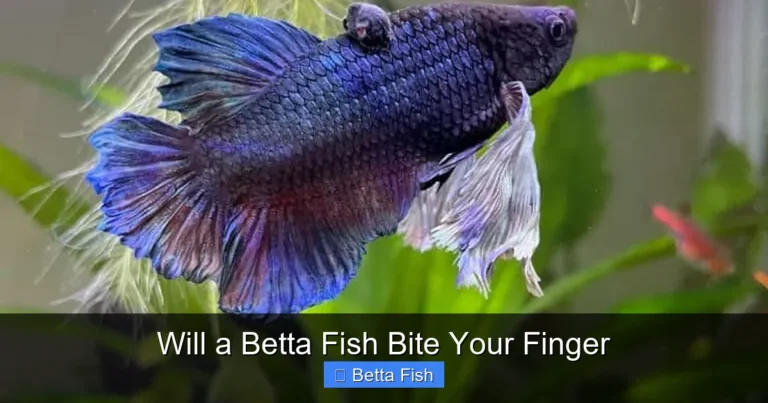
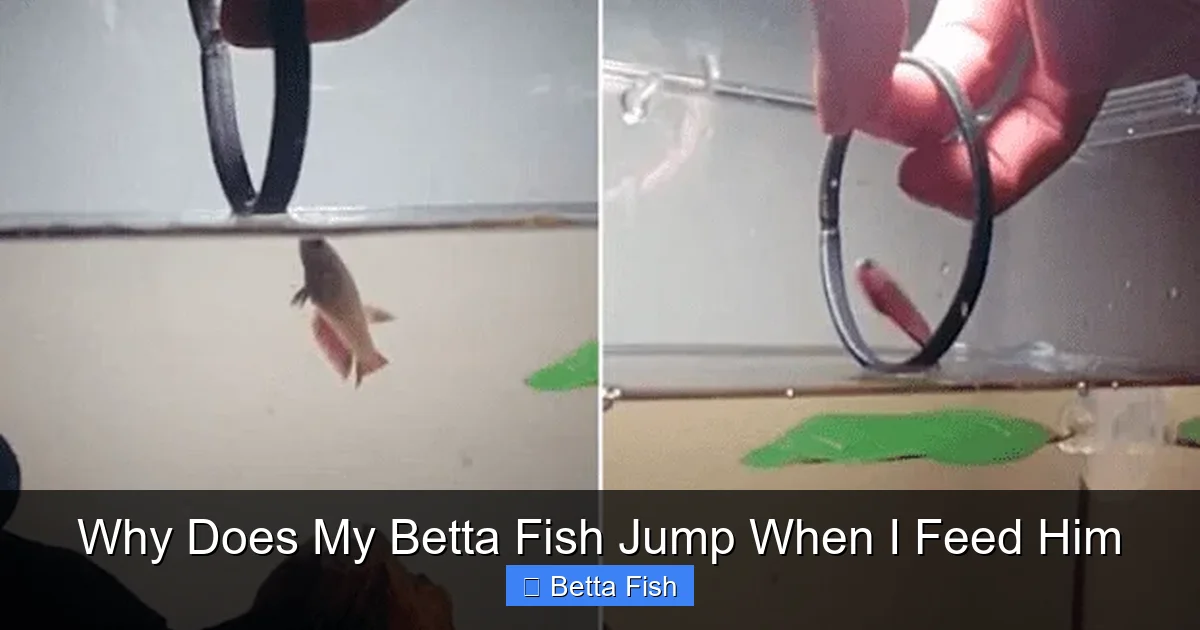
Why Does My Betta Fish Jump When I Feed Him
Betta fish often leap during feeding because of excitement, hunger, and tank conditions. Understanding these triggers helps you adjust feeding habits, improve tank setup, and prevent dangerous jumps.
Key Takeaways
- Excitement and hunger: A hungry betta may jump to reach food that’s too far away.
- Tank size & cover: Small or uncovered tanks make jumping easy and risky.
- Feeding method matters: Dropping food from a height or using floating pellets can trigger leaps.
- Water quality: Poor water parameters can stress a betta, increasing jump behavior.
- Health check: Persistent jumping may signal illness or parasites.
- Preventive steps: Use a lid, feed smaller portions, and offer food at water level.
- Observation is key: Watching your betta’s feeding routine reveals patterns you can correct.
📑 Table of Contents
Introduction
If you’ve ever watched your betta splash upward the moment you sprinkle food into the water, you’re not alone. Many hobbyists ask, “why does my betta fish jump when I feed him?” The answer isn’t always simple, but it usually comes down to a mix of instinct, environment, and feeding technique.
In this article we’ll break down the science behind the jump, explore common triggers, and give you practical steps to keep your finned friend grounded. By the end you’ll feel confident adjusting your routine so feeding time stays fun—not frantic.
1. The Natural Instinct to Leap
Why jumping is hard‑wired in bettas
Bettas (Betta splendens) are native to shallow rice paddies and flood‑plain streams in Thailand. In the wild, the water surface is often covered with floating insects and debris. A quick, upward thrust helps them snatch prey before it drifts away.

Visual guide about Why Does My Betta Fish Jump When I Feed Him
Image source: memfish.net
This predatory reflex translates to the home aquarium. When food drops onto the surface, a betta’s first thought is “grab it!” The rapid burst of muscle power can send the fish a few inches into the air.
How excitement turns into a jump
- Visual cue: A bright flake or pellet hitting the surface creates a sudden visual stimulus.
- Water movement: The ripple signals a potential meal, triggering a startle‑response jump.
- Adrenaline surge: The fish releases a tiny burst of adrenaline, propelling it upward.
These reactions are completely normal, but they become a problem when the tank’s lid is missing or the water level is low.
2. Feeding Practices That Encourage Leaping
Over‑feeding and “food chase”
When a betta is consistently under‑fed, it learns that a big splash equals a big meal. It will then try harder to reach the surface, often jumping higher each time. Check out our guide on how much should I feed my betta fish to avoid this cycle.
Dropping food from a height
Many owners sprinkle food from a spoon held several inches above the water. To the betta, this looks like a distant target. The fish will dart upward, sometimes overshooting the water line.
Floating vs. sinking food
Floating pellets sit on the surface longer, giving the betta more time to launch a jump. Sinking foods, like frozen or gel foods, sink quickly and reduce the temptation to leap.
Feeding frequency
Feeding too often can create a “food expectation” that makes the fish eager to jump at every feed. A balanced schedule—usually 2‑3 small meals per day—keeps hunger at a steady level. See our article on how often should I feed my betta fish for timing tips.
3. Tank Environment Factors
Tank size and depth
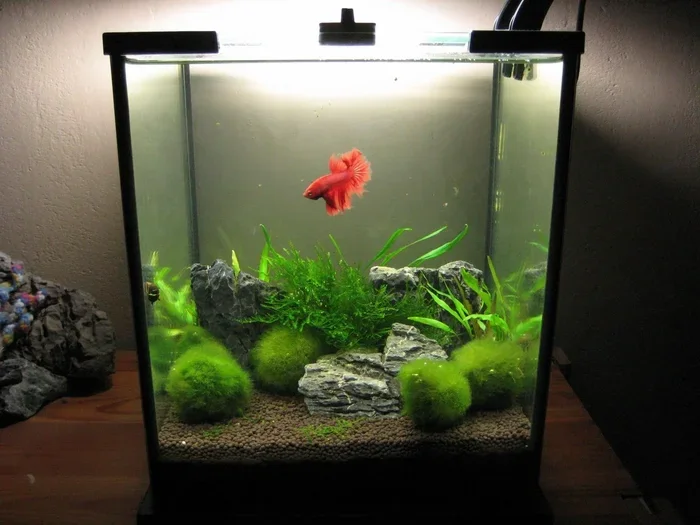
Small containers give bettas less room to maneuver. A 2‑gallon tank may feel cramped, and the fish can reach the water surface with a single flick of its tail. Larger tanks (5 gallons or more) provide depth, making jumps less likely to clear the water line.
Lid and cover importance
Even a simple mesh lid stops a betta from escaping. Many hobbyists skip the lid because they think bettas don’t need it, but the why betta fish jump out of tank article explains how easy it is for them to launch themselves over the edge.
Water temperature and quality
Cold or dirty water stresses bettas, making them more skittish. A stressed fish may over‑react to food particles, turning a gentle nibble into a full‑blown jump. Keep the temperature between 76‑82°F (24‑28°C) and perform weekly water changes.
Lighting and shadows
Bright overhead lights can create reflections on the water surface that look like floating insects. The betta may chase these reflections, adding extra vertical thrust.
4. Health Issues That Can Cause Jumping
Parasites and internal discomfort
Internal parasites can cause abdominal swelling, making the fish feel “full” or uncomfortable. In an attempt to relieve pressure, some bettas will jump.
Swim bladder disorder
The swim bladder helps a fish maintain depth. If it’s compromised, the betta may over‑compensate by thrusting upward, especially when excited by food.
Fin rot or injuries
Painful fin injuries can make a betta more frantic during feeding. Look for ragged edges or missing tissue. If you notice signs of fin rot, treat promptly.
When to seek veterinary help
If jumping persists despite changes in feeding and tank setup, consult a fish‑savvy vet. Chronic jumping can lead to injuries or stress‑related diseases.
5. Practical Tips to Stop the Jump
Feed at water level
Use a feeding dish or a shallow spoon that rests on the water surface. Drop the food directly onto the dish so the betta doesn’t have to chase it.
Switch to sinking foods
Try frozen or gel foods that sink within seconds. This removes the surface “target” that triggers a jump.
Reduce portion size
Offer only what the betta can eat in 2‑3 minutes. Smaller portions mean less excitement and fewer chances to overshoot.
Install a secure lid
Even a fine mesh cover prevents escape. Make sure there are no gaps around the filter or heater.
Adjust lighting
Dim the lights slightly during feeding or use a side‑mounted LED to reduce surface glare.
Monitor water parameters
- Temperature: 76‑82°F (24‑28°C)
- pH: 6.5‑7.5
- Ammonia & nitrite: 0 ppm
- Nitrate: <20 ppm
Stable water reduces stress, which in turn cuts down on frantic jumps.
Provide enrichment
Live or frozen daphnia, brine shrimp, or small insects allow the betta to chase prey naturally without the need for a dramatic surface jump.
6. Observing Your Betta’s Behavior
Keeping a feeding log
Write down the time, amount, and type of food you give each day. Note any jumps. Patterns often emerge that point to a specific trigger.
Video monitoring
A simple phone camera can capture a jump in slow motion. Watching the playback helps you see if the fish is aiming for floating food, a reflection, or simply reacting to a sudden splash.
When to adjust
If jumps happen only after a certain brand of flake, switch brands. If they occur when the tank is uncovered, add a lid immediately.
Conclusion
Understanding why does my betta fish jump when I feed him boils down to recognizing natural instincts, feeding habits, tank setup, and health status. By feeding at water level, using sinking foods, maintaining proper water quality, and securing a lid, you can dramatically reduce the chance of a high‑flying betta. Keep an eye on your fish’s behavior, log your feedings, and make small adjustments as needed. Your betta will stay safe, healthy, and—most importantly—enjoy every meal without the need for an aerial acrobatics show.
Frequently Asked Questions
Why does my betta fish jump out of the tank when I feed him?
He’s reacting to excitement, hunger, and a surface‑level food source. The sudden visual cue makes him thrust upward, and without a lid he can clear the water line.
How can I stop my betta from jumping during feeding?
Feed smaller portions at water level, use sinking foods, and always keep a secure lid on the tank.
Is jumping a sign of illness?
Occasional jumps are normal, but frequent, frantic jumps can indicate stress, parasites, or swim bladder issues. Check water quality and consult a vet if it continues.
What type of food reduces jumping?
Sinking pellets, frozen daphnia, or gel foods that disappear quickly below the surface are best for minimizing jumps.
Do I need a lid even if my betta is small?
Yes. Even a tiny betta can launch itself out of a 2‑gallon tank. A mesh or glass lid is a simple, effective safeguard.
Can lighting affect my betta’s jumping behavior?
Bright overhead lights create reflections that look like prey. Dimming the lights or using side lighting during feeding can reduce the stimulus.