How Many Different Kinds of Betta Fish
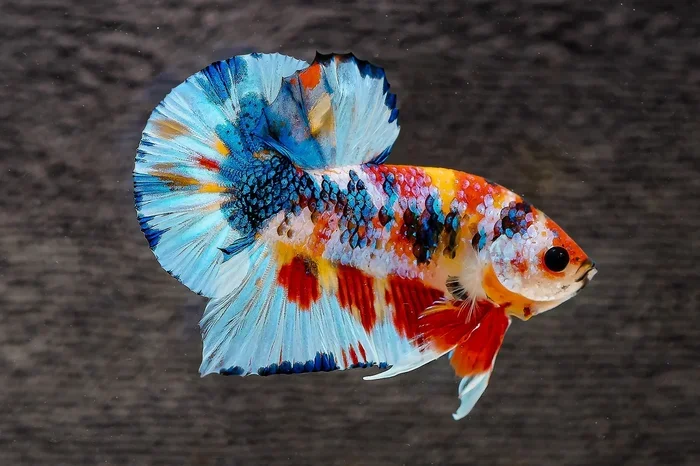
There are over 70 different kinds of betta fish in the wild, plus dozens more fancy varieties developed through breeding. From veiltails to halfmoons, each type has unique traits and care needs that every betta owner should know.
Key Takeaways
- Wild vs. Fancy Bettas: Wild bettas are smaller and less colorful, while fancy bettas have been bred for vibrant hues and unique fin shapes.
- Fin Types Matter: Over a dozen fin variations exist, including veiltail, halfmoon, crowntail, and plakat, each with distinct care needs.
- Color Is Just the Start: Solid, bi-color, marble, and dragon bettas offer stunning visual diversity beyond simple color classification.
- Tank Setup Varies: Different betta types need different tank sizes, temperatures, and tank mate arrangements.
- Breeding Drives Diversity: Most of the fancy betta varieties we see today result from decades of selective breeding.
- Health Depends on Type: Some betta varieties, like double-tailed types, are prone to specific health issues such as swim bladder problems.
- Proper Care Is Universal: Regardless of type, all bettas need clean water, warmth, and a balanced diet to thrive.
📑 Table of Contents
How Many Different Kinds of Betta Fish
If you have ever walked into a pet store and stared at row after row of colorful betta fish, you know the feeling. The shimmering blues, deep reds, and flowing fins make it hard to tell one type from another. So, how many different kinds of betta fish are there really? The answer might surprise you.
There are over 70 recognized species of betta fish in the wild. On top of that, aquarists have developed dozens more through selective breeding. These fancy bettas come in all sorts of fin types, color patterns, and tail shapes. Whether you are a first-time fish keeper or a seasoned hobbyist, understanding the variety of betta fish out there helps you make smarter choices for your tank.
In this guide, we will break down the major betta fish types. We will cover wild bettas, fancy breeds, color classifications, fin shapes, and care tips tailored to each variety. By the end, you will know exactly which kind of betta fits your setup best.
Wild Betta Fish Species
The betta family is larger than most people realize. While the Siamese fighting fish (Betta splendens) is the most popular, there are many wild relatives. These wild bettas are smaller, less colorful, and much hardier than their fancy cousins.
Betta Splendens
This is the betta you probably already know. It is the classic Siamese fighting fish found in pet stores worldwide. Wild Betta splendens originate from Thailand, Cambodia, and Vietnam. They live in shallow rice paddies, slow-moving streams, and even drainage ditches.
Wild bettas are smaller than the bred versions. Their colors tend to be duller, often green or brown with faint iridescent scales. They have shorter fins compared to the flowing tails of fancy bettas. Despite their plain looks, they are incredibly hardy and can survive in low-oxygen water thanks to their labyrinth organ, which lets them breathe air.
Other Wild Betta Species
There are more than 70 species in the Betta genus. Here are a few notable ones:
- Betta imbellis: Also called the crescent betta. It is native to Malaysia and has a peaceful temperament compared to B. splendens.
- Betta bellica: Known as the slender betta. It comes from Malaysia and Sumatra and has a more elongated body.
- Betta pugnax: The forest betta, found in Southeast Asia. It is one of the more tolerant species when it comes to cooler water.
- Betta coccina: A small, dark red betta from peat swamps in Indonesia. It is not aggressive and does well in community tanks.
- Betta chloropharynx: A rare species with a greenish tint and small size. It is found only in specific regions of Thailand.
Most wild betta species are not kept by beginners. They need very specific water conditions, including soft, acidic water with plenty of leaf litter. However, they are fascinating for experienced aquarists who want to recreate a natural biotope.
Fancy Betta Fish Varieties
This is where things get exciting. Fancy bettas are the result of decades of selective breeding. Breeders have transformed the modest wild betta into an aquarium superstar. When people ask about different kinds of betta fish, they are usually thinking of these fancy varieties.
Fancy bettas are classified in two main ways: by fin type and by color pattern. Let us look at both.
Fin Types and Tail Shapes
The fin is often the first thing you notice in a betta. Breeders have developed over a dozen distinct fin types. Here are the most popular ones:
- Veiltail (VT): The most common betta in pet stores. It has a long, flowing lower tail that droops downward. Easy to care for and great for beginners.
- Halfmoon (HM): The tail forms a perfect 180-degree semicircle. This is one of the most prized fancy betta types among hobbyists.
- Crowntail (CT): The fin rays extend beyond the membrane, giving a spiky, crown-like look. It has shorter webbing between the rays.
- Plakat (PK): Also called the fighting plakat. It has short, rounded fins like a wild betta but comes in bright colors. Very active and agile.
- Double Tail (DT): The tail splits into two distinct lobes. This type can have health issues related to its skeletal structure.
- Halfsun (HS): A cross between a halfmoon and a crown tail. The tail is wide like a halfmoon but with crown ray extensions.
- Rose Tail (RT): The tail has extra rays that create a ruffled, rose-like appearance. It is a rarer and more expensive variety.
- Round Tail: The fins are short and rounded, forming a ball-like shape. Not very common and sometimes hard to find.
- Spadetail: The tail is broad and triangular, resembling a spade. It is a less common fin type with moderate popularity.
Each fin type has its own charm. If you want a low-maintenance betta, the veiltail or plakat is a solid pick. If you want a showstopper, the halfmoon or crowntail will turn heads.
Color Patterns
Fin type is only half the story. Betta fish also come in many color classifications. The IBC (International Betta Congress) recognizes several official color categories:
- Solid: One single color across the entire body and fins. Common solid colors include royal blue, steel blue, red, and black.
- Bi-color: Two distinct colors, usually a solid body with contrasting fins. For example, a red body with white fins.
- Marble: A mix of colors that can change over time. The pattern looks like swirling marble and can shift as the fish ages.
- Dragon: A heavily scaled betta with thick, metallic-looking scales on the body. The scales often cover the body but not the head.
- Galaxy: A recent development featuring tiny, star-like spots of metallic color across a solid base.
- Pastel: A washed-out, light color with a metallic sheen. The fish looks soft and luminous.
- Nemo: A white-bodied betta with red or orange splashes, resembling the clownfish from “Finding Nemo.”
You can combine fin type and color pattern to get even more variety. A halfmoon crowntail in marble is very different from a veiltail in solid royal blue. This is part of what makes betta fish so endlessly interesting to hobbyists.
How Betta Fish Breeds and Varieties Are Developed
Most of the different kinds of betta fish we see today did not exist in nature. They are the product of careful, intentional breeding. Understanding how this works gives you a better appreciation for the diversity available.
Selective Breeding Basics
Selective breeding means choosing two parent fish with specific traits and mating them. Over multiple generations, those traits become more pronounced. For example, a breeder might select the fish with the widest tail and breed only those together. After many generations, you get a halfmoon line with consistently large tails.
This process takes years. Some breeding lines are kept pure for a decade or more. Others are crossed intentionally to create new combinations, like pairing a crowntail with a halfmoon to get a halfsun.
Color Breeding
Color breeding is just as involved. The marble gene, for instance, was introduced from other fish species and then refined in bettas. Dragon and galaxy patterns also required specific genetic work.
Breeders also focus on color intensity. A dull blue betta can be bred over time into a vivid, electric royal blue. This is why show-quality bettas often look dramatically different from pet store fish.
Challenges in Breeding
Breeding fancy bettas is not without risks. Some issues include:
- Genetic health problems: Double-tailed bettas, for example, often have swim bladder issues due to their skeletal structure.
- Color instability: Marble bettas can lose or change color unpredictably, which frustrates some breeders.
- Fertility concerns: Some fancy combinations produce fewer viable fry. Breeders must carefully manage their stocks.
Despite these challenges, the hobby continues to push boundaries. New varieties appear regularly, and the number of recognized betta types keeps growing.
Caring for Different Kinds of Betta Fish
Not all betta fish have the same needs. The type of betta you own directly affects its care routine. Here is how to tailor your setup depending on the variety.
Tank Size and Setup
Most betta fish do well in a tank of at least 5 gallons. However, some varieties benefit from more space.
- Plakat and wild bettas: These active swimmers enjoy larger tanks, ideally 10 gallons or more. They are fast and need room to move.
- Veiltail and halfmoon: These do fine in 5-gallon tanks but appreciate 10 gallons for the extra swimming room. Their long fins make them slower swimmers.
- Crowntail and double tail: A 5-gallon tank is sufficient. Add plenty of hiding spots since their fins can be more fragile.
No betta should live in a small bowl or a tank under 2.5 gallons. These spaces do not provide enough room or filtration. A proper heater is also essential to keep water between 76°F and 82°F (24°C to 28°C).
Feeding Different Betta Types
All bettas are carnivores. They need high-protein diets. However, some types have specific feeding considerations:
- Veiltail and halfmoon: Their long fins can make eating tricky. Sinking pellets or live food placed near their mouth help them feed without tangling their fins.
- Plakat and wild bettas: These are more aggressive eaters. They do well with standard pellets, frozen bloodworms, and brine shrimp.
- Double tail: These fish sometimes have swim bladder issues. Feed them soaked pellets and avoid overfeeding to reduce the risk of bloating.
A good feeding schedule is 2 to 3 small meals per day. You can also skip feeding once a week to let their digestive system reset. For more detail on portion sizes, check out this helpful guide on how many pellets to feed betta fish daily.
Tank Mates and Compatibility
Not every betta gets along with other fish. Compatibility depends on the type:
- Wild bettas (like Betta imbellis): These are often peaceful enough for community tanks with small, non-aggressive fish.
- Fancy male bettas: Males should generally live alone. Their territorial aggression is strong, especially in confined spaces.
- Female bettas: Females can sometimes live together in a sorority tank, but this requires at least 20 gallons and careful monitoring.
- Plakat bettas: These have a bit more tolerance for tank mates due to their shorter fins and faster speed, but caution is still needed.
If you want to try a community setup, start with a larger tank and choose tank mates carefully. For more information on this topic, see our article on putting betta fish with other kinds of fish.
Water Quality and Maintenance
Clean water is the single most important factor in betta health. All types need:
- A filter to remove toxins. Choose a gentle flow filter since bettas are weak swimmers.
- A heater to maintain stable temperatures.
- Weekly water changes of 25 to 50 percent.
- Water testing for ammonia, nitrite, and nitrate levels.
For tips on water changes, you can read our detailed guide on how often to change betta fish water.
Choosing the Right Betta Fish for You
With so many different kinds of betta fish available, picking the right one can feel overwhelming. Here are a few questions to guide your choice:
- What is your experience level? If you are a beginner, go with a veiltail or plakat. They are forgiving and easy to care for. If you have experience, a halfmoon or dragon betta can be a rewarding challenge.
- How big is your tank? A 5-gallon tank suits most bettas. If you have a 10-gallon or larger, consider a plakat or a betta sorority of females.
- What is your budget? Common types like veiltails cost around $5 to $10. Rare varieties like halfmoons or galaxy bettas can cost $25 to $100 or more from specialty breeders.
- Do you want a show fish? If you want to compete or display, invest in a high-quality halfmoon or crowntail from a reputable breeder. If you just want a pet, a pet store veiltail works perfectly.
- Do you want tank mates? Wild bettas or female bettas are better choices for community setups. Male fancy bettas should be kept solo.
Quick Tips for First-Time Betta Owners
- Always cycle your tank before adding a betta. Cycling takes 4 to 6 weeks but prevents deadly ammonia spikes.
- Do not keep your betta in a bowl. A minimum 3-gallon tank is required for comfort.
- Avoid bright, harsh lighting. Bettas prefer moderate light and plenty of shade from plants or decorations.
- Watch for signs of illness: clamped fins, loss of color, lethargy, or rapid breathing. Early treatment is key.
- Handle with care. Never scoop a betta out with a net that has rough edges. Use a soft container instead.
Common Mistakes to Avoid
Even experienced keepers make mistakes. Here are the most common ones:
- Overfeeding: This causes bloating and dirty water. Feed small amounts and remove uneaten food after 5 minutes.
- Ignoring water parameters: Betta fish are sensitive to chlorine, ammonia, and temperature swings. Test your water regularly.
- Buying the wrong tank: Tiny “betta bowls” marketed in stores are not suitable. Always go with at least a 5-gallon tank.
- Choosing a sick fish: Avoid fish with torn fins, white spots, or a sunken belly. Pick an active, alert betta with full fins.
- Keeping two male bettas together: This leads to severe aggression and injury. Never house two males in the same tank.
Final Thoughts on Betta Fish Varieties
The world of betta fish is far more diverse than most people expect. From the 70+ wild species in the Betta genus to the stunning fancy varieties bred by hobbyists, there is a betta for every type of enthusiast. Whether you love the classic veiltail, the dramatic halfmoon, or the spiky crowntail, each kind brings something special to the table.
Understanding the many different kinds of betta fish is the first step toward giving yours the best life. Pick the right type for your experience and tank size. Set up a proper environment with warm water, good filtration, and a quality diet. Pay attention to your fish’s behavior and health every day.
Betta fish are not just pretty faces. They are intelligent, curious, and full of personality. With the right care, your betta can thrive for 3 to 5 years or even longer. So take your time, do your research, and enjoy the journey. You are about to discover one of the most rewarding hobbies in the aquarium world.
Frequently Asked Questions
How many different kinds of betta fish are there in total?
There are over 70 recognized wild betta species in the Betta genus. On top of that, breeders have developed dozens more fancy varieties, bringing the total number of different betta fish types to well over 100 when you count fin shapes and color patterns together.
What is the most common type of betta fish?
The most common betta fish is the veiltail (VT). It is the variety you will find in almost every pet store. It has a long, flowing lower tail and comes in many solid colors. It is also one of the easiest betta types to care for, making it perfect for beginners.
What is the rarest type of betta fish?
Some of the rarest betta fish include the rose tail, halfsun, and galaxy patterns. These are usually only available through specialty breeders and can be quite expensive. Rare wild betta species like Betta chloropharynx are also very uncommon in the hobby.
Are wild betta fish different from fancy betta fish?
Yes, they are quite different. Wild bettas are smaller, less colorful, and have shorter fins. They are also more hardy and better at surviving in harsh conditions. Fancy bettas have been bred for bright colors and elaborate fin shapes, which makes them more fragile and dependent on stable aquarium conditions.
Which type of betta fish is easiest to care for?
The veiltail and plakat betta are the easiest to care for. Veiltails are calm and have simple care needs. Plakats are active, hardy, and less prone to fin-related health issues. Both do well in a standard 5-gallon tank with a heater and filter.
Can different kinds of betta fish live together?
Generally, no. Male bettas of any kind are territorial and should be kept alone. Female bettas of similar types can sometimes live together in a sorority group, but this requires a large tank and careful monitoring. Wild betta species like Betta imbellis are sometimes more tolerant of tank mates, but success is never guaranteed.