How Many Betta Pellets Should I Feed My Fish
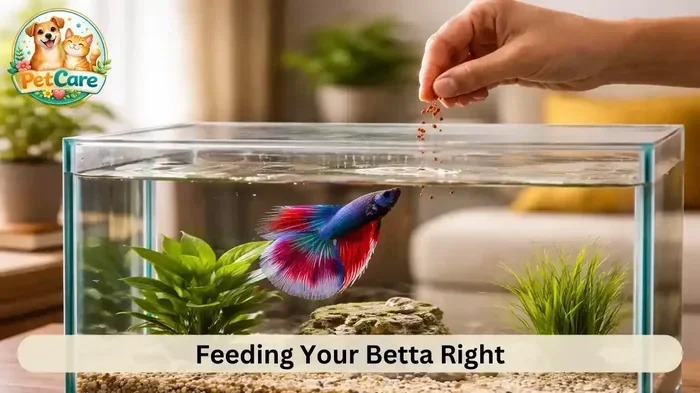
Knowing how many betta pellets to feed your fish is one of the most important parts of betta care. Overfeeding can lead to serious health problems, while underfeeding leaves your fish weak and unhappy. This guide covers the exact pellet amounts, feeding frequency, and simple tips to keep your betta thriving.
If you own a betta fish, you have probably stood in front of the fish food shelf and wondered exactly how many betta pellets to feed your fish. It is one of the most common questions new betta owners ask, and for good reason. Getting the portion size right can mean the difference between a vibrant, healthy fish and one that struggles with digestive problems. In this guide, we will walk you through everything you need to know about feeding your betta pellets the right way.
Betta fish are small but mighty eaters. Their stomachs are roughly the size of their eye, which means they do not need a lot of food to stay full and healthy. Many new fish owners make the mistake of giving too many pellets, thinking more food equals a happier fish. The truth is quite the opposite. Feeding the right amount of betta pellets keeps your fish fit, your water clean, and your routine simple.
Key Takeaways
- Feed 2-3 pellets per meal: This is the standard portion for most adult betta fish, twice a day.
- Overfeeding is the #1 mistake: Excess pellets pollute the water and cause bloating, constipation, and swim bladder issues.
- Adjust for your fish’s size and age: Younger bettas and larger fish may need slightly more, while older fish need less.
- Soak pellets before feeding: This prevents them from expanding in your fish’s stomach and causing discomfort.
- Watch for hunger cues: A hungry betta will beg at the surface, but this doesn’t always mean they need more food.
- Skip one day per week: Fasting helps digestion and prevents constipation in betta fish.
- Quality pellets matter: Choose high-protein betta-specific pellets for the best nutrition and portion control.
📑 Table of Contents
- How Many Betta Pellets Should I Feed My Fish?
- How Often Should You Feed Your Betta Fish Pellets?
- The Dangers of Overfeeding Betta Fish Pellets
- How to Choose the Right Betta Pellets
- Special Feeding Situations
- Quick Tips for Perfect Betta Pellet Feeding
- Common Mistakes to Avoid When Feeding Betta Pellets
- How Can You Tell If You Are Feeding the Right Amount?
- Conclusion
How Many Betta Pellets Should I Feed My Fish?
The short answer is two to three pellets per feeding, twice a day. This is the general rule that most betta experts and experienced fish keepers follow. However, the exact number can vary based on a few key factors. Let us break it down so you know exactly what to do for your specific fish.
The size of the pellet matters a lot. Some brands make tiny pellets, while others produce larger ones. A large pellet can be almost half the size of a betta’s stomach, which means two of them is already a full meal. Smaller pellets may require three or four to reach the right portion. Always check the pellet size on the package and adjust accordingly.
Why Two to Three Pellets Works
Betta fish have small digestive systems. They are designed to eat small amounts frequently rather than one big meal. In the wild, bettas nibble on small insects and larvae throughout the day. Replicating this pattern at home means offering a few pellets at a time. Two to three pellets give your fish enough nutrition without overwhelming its stomach. This portion also helps keep your aquarium water clean, since uneaten pellets quickly break down and raise ammonia levels.
If you are unsure about the exact count, try the eyeball test. Place two pellets in the tank. Watch your fish eat them. If your betta finishes quickly and still looks hungry, add one more pellet. If your fish leaves food behind, you are giving too much. This simple method works well for most betta owners.
How Often Should You Feed Your Betta Fish Pellets?
Feeding frequency is just as important as portion size. Most experts recommend feeding your betta twice a day, once in the morning and once in the evening. This schedule mimics natural eating patterns and gives your fish a consistent routine. If you want to learn more about the best feeding schedule, check out this guide on how often should I feed my betta fish.
Morning Feeding Routine
Feed your betta in the morning, ideally around the same time each day. Drop two to three pellets into the tank and watch your fish eat. Bettas are not fast eaters. They will take their time, chewing each pellet carefully. Give them about two to three minutes to finish. If there are uneaten pellets left after that time, remove them with a small net or siphon. Leftover food decays quickly and can harm your water quality.
Evening Feeding Routine
The evening feeding should happen about 12 hours after the morning meal. This spacing gives your betta enough time to digest the food properly. Consistent feeding times also help regulate your fish’s metabolism and reduce stress. Many betta owners find that feeding their fish right before they turn off the lights works well, since bettas tend to be more active during dusk and dawn.
Some people wonder if they should feed their betta more on weekends or days off. The answer is no. Stick to the same schedule every day. Consistency is one of the pillars of good fish care. If you want to dive deeper into how much food your betta actually needs, read this article on how much food should I feed my betta fish.
The Dangers of Overfeeding Betta Fish Pellets
Overfeeding is the single biggest health risk for pet bettas. It is also the most common mistake new fish owners make. When you give your betta too many pellets, the consequences can be serious and even life-threatening.
Bloating and Constipation
Betta pellets expand when they absorb water. If your fish eats too many, the pellets swell inside its stomach. This causes bloating, which makes it hard for your fish to swim properly. Constipation is another common result. A constipated betta may stop eating, float sideways, or struggle to stay upright. These symptoms are distressing to watch and can be prevented easily by controlling portion sizes.
Water Quality Problems
Uneaten pellets sink to the bottom of the tank and start decomposing. This process releases ammonia and nitrites into the water, which are toxic to fish. Even a small amount of excess food can spike ammonia levels in a small betta bowl or tank. Poor water quality leads to fin rot, fungal infections, and a weakened immune system. Feeding the right amount of pellets directly protects your water quality and keeps your fish healthy.
Swim Bladder Disorder
One of the most well-known effects of overfeeding is swim bladder disorder. This condition affects your fish’s ability to control its buoyancy. A betta with swim bladder issues may float at the top of the tank, sink to the bottom, or swim in circles. While not always caused by overfeeding, it is very commonly linked to eating too many pellets or eating too quickly. Proper pellet portions are one of the easiest ways to prevent this painful condition.
How to Choose the Right Betta Pellets
Not all pellets are created equal. The brand and type of pellet you choose affects how many you should feed and how well your fish digests them. Here is what to look for when shopping for betta food.
Look for High Protein Content
Betta fish are carnivores. Their diet in the wild consists mainly of insects, larvae, and small crustaceans. The best betta pellets contain at least 30% to 40% protein. Check the ingredient list on the package. The first ingredient should be a named protein source, such as fish meal or shrimp meal. Avoid pellets that list fillers like corn or wheat as the primary ingredient.
Size and Shape Matter
Choose pellets that are small enough for your betta to eat comfortably. Most quality betta pellets are about 1 to 2 millimeters in diameter. Some brands offer micro-pellets, which work well for smaller bettas or fish that are not aggressive eaters. The shape also matters. Round pellets sink slowly, which gives your fish time to find and eat them before they reach the substrate.
Sinking vs. Floating Pellets
Betta fish prefer to eat from the surface of the water, so floating pellets are often the best choice. However, some bettas are older or have dental issues that make it hard to eat floating food. In those cases, sinking pellets soaked in tank water for a few minutes before adding them to the tank work great. Soaking pellets also prevents them from expanding inside your fish’s stomach, which reduces the risk of bloating.
Special Feeding Situations
Not every betta fits the standard feeding routine. Some situations call for adjustments in how many pellets you offer. Here are a few common scenarios and what to do.
Feeding a Young Betta Fish
Baby bettas, also called fry, need more frequent small feedings. Instead of two meals a day, feed them three to four times daily with crushed or very small pellets. Their stomachs are even tinier than adult bettas, so portion control is critical. As your fish grows, you can gradually increase the pellet size and reduce feeding frequency.
Feeding an Older or Less Active Betta
Older bettas tend to be less active and have slower metabolisms. If your fish is over two years old, you may want to reduce the portion to two pellets per meal and feed only once a day. Watch your fish’s body condition. If your betta starts looking thin or its colors fade, you can add a small third pellet or return to the twice-daily schedule.
What to Do When Your Betta Won’t Eat
Sometimes a betta simply refuses pellets. This can be alarming, especially for new owners. There are many reasons a betta might stop eating, from stress to illness. If your fish is not eating, do not keep adding more pellets to the tank. Uneaten food will decay and make the problem worse. For helpful advice on what to do when your betta stops eating, visit this guide on what should I do if my betta fish isn’t eating. Often, a short fast of one to two days resets your fish’s appetite and encourages it to eat normally again.
Feeding on Vacation
Going on vacation does not mean your betta goes hungry. Most bettas can safely go without food for three to four days. For longer trips, consider using an automatic fish feeder or asking a friend to feed your fish. If you use an automatic feeder, set it to release just two pellets at a time. Overfeeding while you are away is one of the fastest ways to ruin your tank water quality. Learn more about this topic in this guide on how do I feed my betta fish on vacation.
Quick Tips for Perfect Betta Pellet Feeding
Here are some simple, actionable tips to make feeding time easy and effective:
- Stick to a schedule: Feed your betta at the same times every day. Routine reduces stress and keeps digestion regular.
- Soak pellets first: Drop the pellets in a small cup of tank water for one minute before feeding. This prevents stomach expansion.
- Remove uneaten food: If your betta leaves pellets behind after two minutes, scoop them out to protect water quality.
- Use a feeding ring: A feeding ring keeps pellets in one spot, making it easier for your fish to find them and for you to remove leftovers.
- Rotate the diet: Offer pellets as the staple food, but mix in frozen or live foods like bloodworms or brine shrimp two to three times a week for variety and extra nutrition.
- Fast once a week: Skipping one feeding day per week helps your fish digest any buildup in its system and prevents constipation.
- Watch your fish: A healthy betta has a rounded but not bloated belly, bright colors, and steady energy. Adjust portions if you notice changes in behavior or appearance.
Common Mistakes to Avoid When Feeding Betta Pellets
Even experienced fish keepers can slip up when feeding their bettas. Here are the most common mistakes and how to avoid them.
- Feeding too many pellets at once: More is not better. Stick to two to three pellets per meal and resist the urge to add extras.
- Skipping meals too often: While occasional fasting is good, skipping meals regularly can lead to malnutrition and a weakened immune system.
- Using the wrong food: Flakes and tropical pellets designed for other fish species do not provide the right nutrition for bettas. Always choose betta-specific pellets.
- Ignoring water temperature: Bettas digest food more efficiently in warm water between 76 and 82 degrees Fahrenheit. Cold water slows digestion and can cause bloating even with proper portions.
- Not varying the diet: Pellets alone do not provide every nutrient your betta needs. Supplement with frozen or live foods for optimal health and color.
For more information on the best feeding frequency, you can also explore this guide on how many times a day to feed a betta fish for a deeper dive into daily feeding routines.
How Can You Tell If You Are Feeding the Right Amount?
The best indicator of proper feeding is your betta’s overall health and behavior. A well-fed betta will have a sleek, streamlined body, vibrant colors, and steady swimming patterns. Its belly should be slightly rounded but not tight or distended. After each meal, your fish should eat eagerly and finish the pellets within a few minutes.
Watch for warning signs that your portions need adjusting. If your betta leaves food behind regularly, reduce the number of pellets. If your fish seems constantly hungry and starts begging immediately after eating, you might need to add one more pellet per meal. Keep in mind that bettas often beg even when they are not truly hungry. They are natural beggers and have learned that approaching the surface during feeding time usually results in food.
Regular water testing is another way to gauge whether your feeding amounts are correct. Ammonia and nitrite levels should stay at zero, and nitrate should remain below 20 parts per million. If your water parameters are consistently spiking, your feeding amounts may be too high. Adjusting pellet portions is often the first step in fixing water quality issues.
Conclusion
Feeding your betta the right number of pellets does not have to be complicated. Two to three pellets, twice a day is the sweet spot for most adult betta fish. Soak the pellets before feeding, remove any uneaten food, and stick to a consistent schedule. Avoid overfeeding at all costs, as it leads to bloating, water quality problems, and serious health issues. With the right portion sizes and a little attention to your fish’s behavior, your betta will thrive for years to come. Remember, a well-fed betta is a happy betta, and your fish will reward you with bright colors, active swimming, and a healthy appetite every single day.
Frequently Asked Questions
Can I feed my betta more than three pellets at once?
It is not recommended. Bettas have very small stomachs, and more than three pellets at a time can cause bloating, constipation, and swim bladder problems. Stick to two to three pellets per meal and adjust based on your fish’s size and appetite.
How do I know if my betta is still hungry after eating pellets?
Watch for behaviors like swimming to the surface and begging or hovering near the feeding area. However, bettas are natural beggers and often do this even when they are full. Wait at least 30 minutes after feeding before deciding if your fish needs more food.
What happens if I accidentally overfeed my betta?
A one-time overfeeding is usually not a serious problem. Remove any uneaten pellets immediately and do not feed your fish for the next meal. Repeated overfeeding, however, can lead to bloating, water quality issues, and long-term health problems.
Should I feed my betta pellets every day?
Yes, feeding pellets daily is the standard routine for most bettas. Just be sure to skip one day per week for fasting. This gives your fish’s digestive system a break and helps prevent constipation and bloating.
Can I replace pellets with other foods for my betta?
You can, but pellets should remain the staple of your betta’s diet. Other foods like frozen bloodworms, brine shrimp, and daphnia make great supplements two to three times a week. They provide extra protein and variety but should not replace pellets entirely.
Do pellets expand in my betta’s stomach?
Yes, betta pellets absorb water and expand. This is why soaking pellets in tank water for one minute before feeding is so important. Pre-soaking prevents the pellets from swelling inside your fish’s stomach and causing discomfort or digestive blockages.