How Many Babies Do a Betta Fish Have

So, how many babies do a betta fish have? A female betta can lay anywhere from 10 to over 500 eggs per spawning cycle, but not all will survive. The number of betta fish babies that hatch and grow depends on breeding conditions, water quality, and proper care. This guide covers everything from the betta fish breeding process to raising healthy betta fry successfully.
Few things in the fishkeeping world are as exciting as watching betta fish babies enter the picture. Whether you are a seasoned breeder or a curious pet owner, understanding how many babies a betta fish can have is fascinating and practical.
The answer might surprise you. A single female betta can produce anywhere from a handful to several hundred eggs in one spawning session. But here is the real question most people care about: how many of those eggs will actually make it to healthy, swimming fry? That number depends on a lot of factors, and this guide breaks it all down for you.
By the end of this article, you will know exactly what to expect during the betta fish breeding process, how to care for tiny fry, and what mistakes to avoid. Let us dive right in.
Key Takeaways
- A single spawning can produce 10 to 500+ eggs: The number varies based on the betta’s age, health, and environment.
- Not all eggs will hatch: Typical survival rates range from 50% to 90% depending on care conditions.
- Proper water quality is critical: Clean, warm water dramatically improves betta fry survival.
- Separate the male after spawning: Male bettas may eat eggs or fry if left in the same tank.
- Feeding frequency matters for fry: Baby bettas need tiny, frequent meals multiple times a day.
- Patience is key: Raising betta fry takes time, attention, and the right setup.
📑 Table of Contents
How Many Babies Can a Betta Fish Have?
When people ask about how many babies do a betta fish have, they are usually thinking about the total number of eggs laid and how many survive. Both numbers matter, and they tell very different stories.
Egg Production: The Numbers
A healthy female betta fish can lay between 10 and 500 eggs per spawning cycle. The average clutch sits around 30 to 100 eggs. Several factors influence this range:
- Age: Younger, healthier females tend to produce more eggs.
- Size: Larger females generally carry more eggs at once.
- Condition: Well-fed bettas in optimal water conditions produce better clutches.
- Spawning frequency: Multiple spawnings in a short period can reduce egg count each time.
Now, here is something important. Not all eggs will hatch. Some will be unfertilized, and others may not develop properly. So when we talk about betta fish babies, we need to distinguish between eggs laid and fry that actually survive.
Survival Rates: What to Realistically Expect
In ideal conditions, around 70% to 90% of fertilized eggs will hatch successfully. That means from a clutch of 50 eggs, you could see 35 to 45 healthy fry. In less-than-perfect conditions, that number can drop significantly.
Betta fry survival depends heavily on the environment. Clean water, proper temperature, and appropriate food all play a role. If you are raising fry, every detail counts.
The Betta Fish Breeding Process
Understanding the betta fish breeding process helps you set realistic expectations. It is not just about the number of babies. It is about creating the right conditions for them to thrive.
Step 1: Preparing the Breeding Tank
Before introducing any fish, set up a dedicated breeding tank. A 5-gallon tank works well for a single pair. Add a sponge filter for gentle water flow and a heater to maintain temperatures between 78 and 80 degrees Fahrenheit.
Include floating plants or a breeding mop. Male bettas build bubble nests, and they need something to anchor them to. The calmer the water surface, the better.
Step 2: Introducing the Male and Female
Introduce the female to the breeding tank first. Let her acclimate for a day or two. Then add the male, separated by a clear divider. This lets them see each other without direct contact.
Once both fish are ready, remove the divider. The male will start building a bubble nest, and the female will show vertical stripes on her body, signaling she is ready to breed.
Step 3: The Spawning Event
During spawning, the male wraps his body around the female. She releases eggs, and he fertilizes them immediately. The male then collects the eggs and places them in the bubble nest.
This process can last several hours. Remove the female once spawning is complete. The male will guard the eggs and fry on his own.
From Eggs to Fry: What to Expect
The journey from egg to free-swimming fry is a delicate process. Each stage requires specific care and attention.
Egg Stage (Days 1 to 3)
After spawning, the male carefully places fertilized eggs into the bubble nest. The eggs are tiny and translucent. During this stage, the male guards the nest aggressively. Do not disturb the tank.
If you are wondering how many eggs does a betta fish lay that will actually hatch, remember that unfertilized eggs will turn white and the male may eat them. This is normal behavior and not a cause for concern.
Hatching Stage (Days 3 to 5)
Fry hatch from the eggs and initially stay attached to the bubble nest. They absorb their yolk sac for nutrition during this time. Do not feed them yet. They are not ready.
After about three to five days, the fry will start swimming freely. This is a critical milestone. Once they are free-swimming, you can begin feeding them.
Fry Stage (Weeks 1 to 4)
Newly hatched fry are incredibly tiny. They need very small food, such as infusoria or commercially prepared fry food. As they grow, you can gradually introduce baby brine shrimp and micro worms.
Betta fry growth is rapid in the first few weeks. Within a month, you will start to see their colors develop and their fins begin to form. It is truly a rewarding process to watch.
How to Care for Betta Fry
Raising betta fish babies successfully requires attention to detail. These tiny creatures are fragile, and even small mistakes can impact their survival.
Water Quality
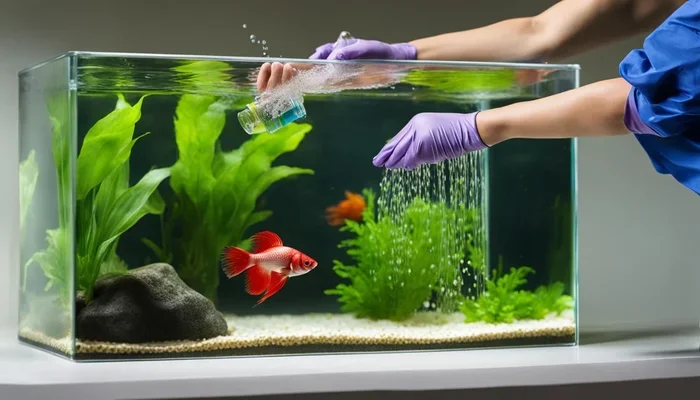
Clean water is non-negotiable. Perform small, frequent water changes of about 10% every day. Use a turkey baster to remove debris without sucking up the fry. Maintain a stable temperature of 80 degrees Fahrenheit.
Avoid using strong filters. The water flow can be too powerful for tiny fry. A sponge filter set to the lowest setting works best.
Feeding Schedule
Fry need to eat very frequently. Feed them four to six times a day in tiny amounts. Overfeeding can foul the water quickly, so remove any uneaten food within a few minutes.
A good feeding rotation looks like this:
- Morning: Infusoria or liquid fry food
- Midday: Baby brine shrimp nauplii
- Afternoon: Microworms or crushed flake food
- Evening: Repeat the morning meal
Tank Setup for Fry
Keep fry in a separate tank from adults. Adult bettas, including the father, may eat the fry if given the chance. A 5-gallon tank with gentle filtration and plenty of live plants provides a safe environment.
As the fry grow, you can gradually increase the tank size and introduce them to a standard community setup. Just make sure they are large enough to avoid being eaten by tankmates.
Factors That Affect Betta Fish Baby Survival
Not every spawning results in a full hatch. Several factors directly impact how many betta fish babies survive from egg to adulthood.
Water Parameters
Betta fry are very sensitive to water changes. Ammonia and nitrite levels must stay at zero. Nitrate should remain below 20 ppm. Test the water regularly and perform small water changes to keep conditions stable.
Temperature Stability
Sudden temperature drops can shock or kill fry. Use a reliable heater with a thermostat. Keep the temperature steady between 78 and 80 degrees Fahrenheit at all times.
Genetics and Health of Parents
Healthy parents produce healthier offspring. If either the male or female is sick, stressed, or too young, the quality and number of eggs may suffer. Choose breeding fish that are at least six months old and show vibrant colors and active behavior.
Feeding and Nutrition
Proper nutrition for both parents before breeding leads to better egg quality. Feed the breeding pair high-quality foods like bloodworms, daphnia, and premium pellets for at least two weeks before introducing them.
Common Mistakes When Raising Betta Fry
Even experienced fishkeepers make mistakes when raising fry. Avoid these common pitfalls to give your betta fish babies the best chance at survival.
Overfeeding
This is the number one mistake. Excess food decomposes rapidly in small fry tanks, spiking ammonia levels. Feed tiny amounts multiple times a day and remove leftovers promptly.
Skipping Water Changes
Fry tanks need more frequent maintenance than adult tanks. Skipping water changes allows toxins to build up. Perform daily or every-other-day water changes of 10% to 20%.
Mixing Fry with Adults Too Early
Do not move fry into a community tank too soon. Baby bettas are easy prey for larger fish. Wait until they are at least half an inch long before introducing them to other fish.
Neglecting the Bubble Nest
If the male betta stops maintaining the bubble nest, check the water conditions. Poor water quality can cause the male to abandon the nest, leading to egg loss.
Expert Insights on Betta Fish Breeding
Betta fish breeding is both an art and a science. Experienced breeders emphasize that patience and consistency yield the best results. Do not rush the process, and always prioritize the health of the fish over the number of fry you hope to produce.
One tip from seasoned breeders: keep a log of each spawning. Record the number of eggs, hatch rate, and fry survival at each stage. Over time, this data helps you refine your approach and improve outcomes with every breeding cycle.
If you want to learn more about the early stages, check out our guide on how many fry do betta fish have for detailed information on fry counts and development stages.
For those just starting with betta care, our article on how do you care for a betta fish covers essential daily maintenance that sets the foundation for successful breeding.
Key Takeaways
- A single spawning can produce 10 to 500+ eggs: The number varies based on the betta’s age, health, and environment.
- Not all eggs will hatch: Typical survival rates range from 50% to 90% depending on care conditions.
- Proper water quality is critical: Clean, warm water dramatically improves betta fry survival.
- Separate the male after spawning: Male bettas may eat eggs or fry if left in the same tank.
- Feeding frequency matters for fry: Baby bettas need tiny, frequent meals multiple times a day.
- Patience is key: Raising betta fry takes time, attention, and the right setup.
Conclusion
So, how many babies do a betta fish have? The answer is more complex than a single number. A healthy female can lay anywhere from 10 to over 500 eggs per spawning, but the real measure of success is how many fry survive to become thriving adult fish.
Betta fish breeding requires preparation, patience, and consistent care. From setting up the right breeding tank to feeding tiny fry multiple times a day, every step matters. Focus on water quality, proper nutrition, and avoiding common mistakes, and you will give your betta fish babies the best possible start in life.
Whether you are breeding bettas as a hobby or simply curious about the process, understanding the full journey from egg to fry is incredibly rewarding. Start with the basics, keep learning, and enjoy the process. Your betta fish babies will thank you for it.
If you want to explore more about betta fish care and breeding, visit our how do you breed a betta fish guide for a complete step-by-step breeding walkthrough.
Frequently Asked Questions
How many eggs does a betta fish lay in one spawning?
A healthy female betta can lay between 10 and 500 eggs per spawning cycle, with the average being around 30 to 100 eggs. The exact number depends on the fish’s age, size, health, and breeding conditions.
Do betta fish have live babies or eggs?
Betta fish lay eggs; they do not give birth to live babies. The male fertilizes the eggs externally and carries them in a bubble nest until they hatch into fry.
How long does it take for betta eggs to hatch?
Betta eggs typically hatch within 24 to 72 hours after spawning. The male betta keeps the eggs in his bubble nest during this time, protecting them until they hatch into free-swimming fry.
Can betta fish have babies without a male?
No, a female betta fish cannot produce babies without a male. While a female can lay eggs without mating, those eggs will be unfertilized and will not develop into fry.
How often do betta fish breed?
Betta fish can spawn every two to three weeks if the female is reintroduced after the fry are removed. However, it is best to allow at least a few weeks of rest between breeding sessions to keep both fish healthy.
What should I feed betta fry?
Feed betta fry infusoria or liquid fry food for the first week. After that, introduce baby brine shrimp and microworms. Feed them four to six times a day in very small amounts to support their rapid growth.