How Many Babies Can Betta Fish Have
Betta fish can have between 10 and 50 babies per spawning, with some healthy females producing up to 100 fry. The number depends on the fish’s age, health, tank conditions, and breeding experience. Understanding the breeding process helps you prepare for caring for betta fry successfully.
So, you are wondering how many babies can betta fish have? It is a great question, and the answer might surprise you. A single female betta can produce anywhere from a handful of fry to over a hundred baby fish in one spawning session. But the real number depends on several factors that we will explore in this guide.
Whether you are a beginner fish keeper or a seasoned hobbyist, understanding betta reproduction helps you plan better. You will learn about the breeding process, what affects fry counts, and how to care for baby bettas. Let us dive right in.
Key Takeaways
- Average Fry Count: A healthy female betta typically produces 10 to 50 eggs per spawning cycle.
- Maximum Potential: Under ideal conditions, some bettas can produce up to 100 or more fry at once.
- Breeding Requires Both Sexes: You need a male and female betta for successful reproduction to occur.
- Tank Setup Matters: Proper water conditions, temperature, and hiding spots significantly improve fry survival rates.
- Fry Care Is Critical: Baby bettas need special food and separate tanks to grow healthy and strong.
- Frequency of Spawning: Bettas can spawn every few weeks if conditions remain optimal and the female is healthy.
- Not All Eggs Survive: Many eggs may not hatch, and some fry may not survive the first few days.
📑 Table of Contents
How Many Babies Can Betta Fish Have?
The short answer is that a healthy female betta fish can have between 10 and 50 babies per spawning. However, this number can vary quite a bit. Some well-conditioned females produce closer to 100 fry, while others may only release a few eggs. It all comes down to the individual fish and her environment.
Each batch of eggs is called a clutch. The male betta collects the eggs in his mouth and builds a bubble nest to protect them. After hatching, the fry stay near the nest for a few days before becoming free-swimming. This entire process is fascinating to watch.
If you want to learn more about whether bettas can even have babies, check out our guide on Can Betta Fish Have Babies. It covers the basics of betta reproduction in detail.
What Affects the Number of Babies?
Several key factors influence how many fry a female betta produces. Here are the most important ones:
- Age of the Female: Younger, healthier females tend to produce more eggs. First-time mothers may lay fewer eggs than experienced breeders.
- Tank Conditions: Clean water with the right temperature (around 78-80°F) encourages better spawning results.
- Diet and Nutrition: A well-fed female with high-quality food produces healthier and more numerous eggs.
- Stress Levels: A stressed betta fish may skip spawning or produce fewer eggs. Avoid sudden changes in the tank.
- Breeding Experience: Experienced breeding pairs often have better success rates and larger clutch sizes.
The Betta Breeding Process Explained
Understanding how bettas breed helps you prepare for the arrival of fry. The process is not complicated, but it does require attention to detail. Here is a step-by-step look at what happens.
Step 1: Conditioning the Breeding Pair
Before introducing a male and female betta, you need to condition them. Feed both fish high-protein foods like brine shrimp or bloodworms for about two weeks. This prepares their bodies for spawning and increases the chances of a healthy clutch.
Step 2: Introducing the Pair
Place the male and female in a separate breeding tank. They should be able to see each other through a clear divider at first. This allows them to get used to each other without direct contact. After a day or two, remove the divider and let them interact.
Step 3: Spawning and Egg Laying
When the female is ready, she will release eggs. The male will wrap his body around hers to fertilize them. This process can repeat several times over a few hours. The male then collects the eggs and places them in his bubble nest.
Step 4: Hatching and Early Development
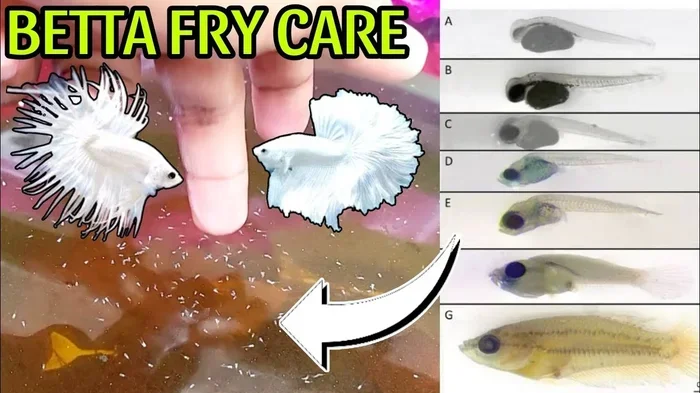
Eggs typically hatch within 24 to 48 hours. The fry will absorb their yolk sacs for nutrition during the first few days. After that, they become free-swimming and need external food. This is when you will need to feed them infusoria or specialized fry food.
For more details on the number of fry you can expect, our article How Many Fry Do Betta Fish Have provides deeper insights into fry counts and development stages.
How Often Can Betta Fish Have Babies?
Betta fish can spawn multiple times, but there are limits. A healthy female can produce eggs roughly every two to four weeks. However, frequent breeding can stress the fish and reduce egg quality over time.
It is best to allow at least a few weeks of rest between spawning sessions. This gives the female time to recover and rebuild her energy. Overbreeding can lead to health problems and smaller clutch sizes.
Also, keep in mind that not every spawning attempt will be successful. Sometimes eggs are not fertilized, or the male may not build a proper bubble nest. These things happen even with experienced breeders.
For those wondering whether a female betta can produce babies without a male, we have covered that topic in our article Can Female Betta Fish Have Babies. Spoiler: it is not possible without a male.
How to Care for Betta Fry
Raising betta fry is a rewarding but challenging experience. Baby bettas need very specific care to survive their first few weeks. Here is what you need to know.
Setting Up a Fry Tank
You should move the fry to a separate tank as soon as they are free-swimming. A small tank (about 5 gallons) works well for the first few weeks. Use a sponge filter on the lowest setting to keep the water clean without harming the tiny fry.
Keep the water temperature stable at around 80°F. Perform small, frequent water changes to maintain quality. Fresh, clean water is essential for fry survival.
Feeding Baby Betta Fish
Newly hatched fry are extremely small. They cannot eat regular fish food. Here is what to feed them at each stage:
- Days 1-3: The fry will live off their yolk sacs. Do not feed them during this time.
- Days 3-7: Start with infusoria or liquid fry food. These are tiny enough for their small mouths.
- Week 2 and Beyond: Gradually introduce baby brine shrimp and micro worms. These are high-protein foods that promote growth.
- Week 4+: You can start offering finely crushed flakes and small pellets as the fry grow.
Feed the fry small amounts multiple times a day. Overfeeding can dirty the water quickly and harm the babies.
Common Challenges with Fry Rearing
Not all fry will survive, and that is normal. Here are some common issues to watch for:
- Fungus on Eggs: Unfertilized eggs can develop fungus. Remove them promptly to prevent spreading.
- Fry Not Eating: Some fry may refuse food at first. Be patient and keep offering small amounts.
- Water Quality Issues: Ammonia spikes can kill fry quickly. Test the water daily and change small amounts regularly.
- Slow Growth: Some fry may grow more slowly than others. This is natural and does not always indicate a problem.
Can Betta Fish Have Babies Without a Male?
This is one of the most common questions among betta owners. The simple answer is no. Female bettas cannot produce babies on their own. They need a male betta to fertilize the eggs for successful reproduction.
Sometimes a female may release eggs without a male present. However, these eggs will not be fertilized and will not hatch. The female may eat the unfertilized eggs or they will simply dissolve in the water.
If you are curious about this topic in more detail, our article Can Betta Fish Have Babies Without A Male explains the science behind it thoroughly.
Quick Tips for Successful Betta Breeding
Here are some practical tips to improve your breeding success:
- Start with healthy fish. Choose a young, well-conditioned male and female between 4 and 12 months old.
- Set up a dedicated breeding tank. A 10-gallon tank with shallow water works best for betta spawning.
- Maintain warm water temperatures. Keep the water between 78 and 80 degrees Fahrenheit for optimal conditions.
- Provide hiding spots. Add floating plants or a spawning mop to give the female a place to feel safe.
- Remove the female after spawning. The male may become aggressive and harm the female once the eggs are collected.
- Be patient. Breeding takes time and practice. Do not get discouraged if your first attempt does not go perfectly.
Key Takeaways
Let us quickly recap the most important points about betta fish reproduction:
- A healthy female betta typically produces 10 to 50 babies per spawning, with some reaching up to 100.
- The number of fry depends on age, health, tank conditions, diet, and breeding experience.
- Betta fish need both a male and female for successful reproduction. Females cannot have babies alone.
- Fry require special care, including a separate tank, warm water, and tiny foods like infusoria and baby brine shrimp.
- Betta pairs can spawn every two to four weeks, but frequent breeding can reduce egg quality and stress the fish.
- Not all eggs will hatch, and not all fry will survive. This is normal and part of the breeding process.
Understanding how many babies betta fish can have is just the beginning. The real reward comes from successfully raising healthy fry and watching them grow. It takes patience, but the results are worth the effort.
Final Thoughts
Betta fish breeding is a fascinating journey. From the bubble nest to the first free-swimming fry, every stage is full of wonder. Whether you are breeding for fun or hoping to expand your collection, knowing what to expect makes all the difference.
Remember that each betta is unique. Your fish may produce more or fewer fry than average, and that is perfectly okay. Focus on providing the best possible care, and your bettas will reward you with healthy offspring.
If you enjoyed learning about betta reproduction, be sure to explore our other articles on betta fish care. We cover everything from tank setup to fry nutrition and beyond.
Frequently Asked Questions
How many babies do betta fish usually have in one spawning?
Most healthy female bettas produce between 10 and 50 eggs per spawning session. Under ideal conditions, some females can lay up to 100 eggs. However, not all eggs will hatch, and not all fry will survive to adulthood.
Can a single female betta fish have babies without a male?
No, a female betta cannot produce viable babies without a male. She may release eggs, but they will not be fertilized and will not hatch. Both a male and female are needed for successful betta reproduction.
How often do betta fish breed?
Betta fish can spawn every two to four weeks if conditions are right. However, it is best to allow longer rest periods between breeding sessions to prevent stress and maintain the health of both the male and female fish.
What should I feed betta fry?
Newly hatched betta fry need very small foods. Start with infusoria or liquid fry food, then gradually introduce baby brine shrimp and micro worms. After a few weeks, you can offer finely crushed flakes and small pellets.
How long does it take for betta eggs to hatch?
Betta eggs typically hatch within 24 to 48 hours. The fry will stay near the bubble nest and absorb their yolk sacs for the first few days before becoming free-swimming and ready to eat external food.
How many times can a betta fish have babies in its lifetime?
A healthy female betta can spawn multiple times throughout her life, which is typically 3 to 5 years. However, breeding too frequently can reduce egg quality and harm the fish’s health. Responsible breeders space out spawning sessions to keep their fish healthy.