How to Make Betta Fish Mad
Understanding how to make betta fish mad helps you avoid common stressors that harm your pet. Bettas get agitated by dirty water, aggressive tank mates, and sudden changes. This guide shows you the top triggers and how to keep your betta calm and thriving.
Key Takeaways
- Dirty water is the top anger trigger: Poor water quality causes stress and aggression in bettas.
- Tank mates matter: Fin-nippers and aggressive species will make your betta mad fast.
- Temperature shocks hurt: Cold or fluctuating water temperatures upset bettas significantly.
- Overcrowding leads to frustration: Too many fish in a small space triggers territorial behavior.
- Boredom causes problems: Lack of enrichment makes bettas restless and agitated.
- Handling stress bettas: Excessive tapping on the glass and bright lights can anger your fish.
- Prevention beats cure: Maintaining clean, warm, and peaceful conditions keeps bettas happy.
📑 Table of Contents
- How to Make Betta Fish Mad: What You Need to Know
- Why Understanding Betta Anger Matters
- Top Triggers: How to Make Betta Fish Mad
- Signs Your Betta Fish Is Mad
- How to Calm an Angry Betta Fish
- Prevention: Keeping Your Betta Happy Long Term
- Expert Insights on Betta Behavior
- Comparison: Stressed Betta vs. Healthy Betta
- Conclusion: How to Make Betta Fish Mad and What to Do About It
How to Make Betta Fish Mad: What You Need to Know
Bettas are beautiful, smart fish that show personality every day. But sometimes, things we do accidentally push them to the edge. Learning how to make betta fish mad is not about being cruel. It is about understanding what stresses them out so you can fix it fast.
Many new fish keepers do not realize that bettas feel stress deeply. They react to their environment in big ways. A small change can turn a calm fish into an angry one. This article breaks down the most common reasons bettas get upset.
We also cover how to spot the signs of an angry betta. More importantly, you will learn how to undo the damage and restore peace. Whether you are a new betta parent or a seasoned hobbyist, this guide has value for you. Let us dive in and explore the world of betta emotions.
Why Understanding Betta Anger Matters
Bettas are not just pretty fish. They have complex feelings and needs. When you understand what makes them mad, you become a better caretaker. Stress weakens their immune system over time. A stressed betta is more likely to get sick or act out aggressively.
Anger in bettas often looks like flaring, hiding, or refusing to eat. These are clear signals that something is wrong. Ignoring these signs can lead to serious health problems. By learning the triggers, you can spot trouble before it starts.
The Science Behind Betta Stress
Bettas produce cortisol when they feel stressed. This is a natural hormone, just like in humans. Short bursts of stress are okay. But long-term stress damages their health. It can cause fin rot, ich, and even early death. Knowing this, you can see why avoiding anger triggers is so important.
Top Triggers: How to Make Betta Fish Mad
Several everyday things can make your betta furious. Most of these are easy to fix once you know about them. Below are the biggest culprits that agitate bettas. Pay close attention to each one.
1. Dirty and Unstable Water
Water quality is the number one reason bettas get mad. Bettas are tropical fish that need clean, warm water. When the tank is dirty, toxins like ammonia and nitrite build up. These chemicals burn their skin and gills. No fish can tolerate this for long.
You should test your water weekly. A good filter and regular water changes keep things clean. Aim for a partial water change every week. This removes waste and keeps the tank fresh. Clean water means a happy betta.
2. Wrong Temperature
Bettas love warm water between 76 and 82 degrees Fahrenheit. Cold water slows them down and makes them weak. Fluctuating temperatures shock their system. This is a fast track to making your betta mad and sick.
Use a reliable heater to keep the temperature steady. A small thermometer helps you monitor things. Avoid placing the tank near windows or vents. Cold drafts and hot air both cause temperature swings. Keep the environment stable and your betta will thank you.
3. Aggressive Tank Mates
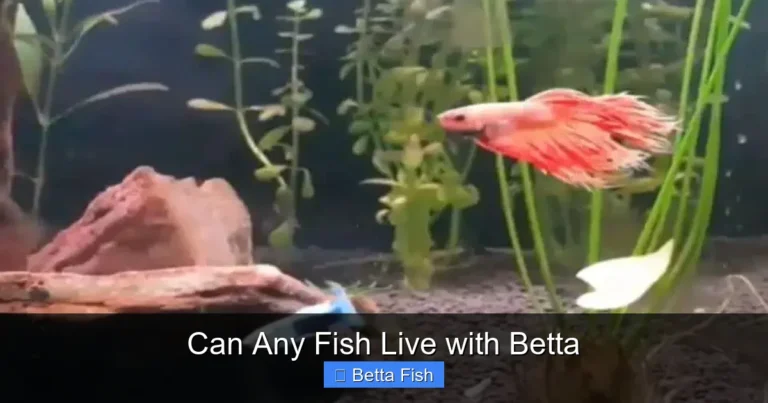
Bettas are territorial by nature. They do not always get along with other fish. Fin-nippers like tiger barbs and serpae tetras are a big problem. These fish nip at betta fins and cause real pain. This is a sure way to make your betta angry and defensive.
Choose tank mates carefully. Snails and shrimp are often safe companions. Some peaceful fish can work too. But always watch how your betta reacts. If you see chasing or flaring, separate them quickly. Peaceful tank setup leads to a calm betta.
4. Overcrowding the Tank
Too many fish in a small space creates stress. Bettas need room to swim and explore. A crowded tank makes them feel trapped. This triggers aggressive behavior and anxiety. Give your betta plenty of space to call its own.
A 5 gallon tank is the minimum for a single betta. Larger tanks are even better. Avoid putting too many decorations or plants that block swimming space. A balanced layout gives your fish freedom. Space and comfort go hand in hand for betta happiness.
5. Boredom and Lack of Enrichment
Bettas are curious fish that need mental stimulation. A bare tank with nothing to do gets boring. This can lead to lethargy and frustration. You might notice your betta staring at the glass or pacing. These are signs of an under-stimulated mind.
Add plants, caves, and floating logs to the tank. These create a natural environment that keeps them engaged. Some bettas enjoy mirrors briefly for flaring exercise. But use mirrors sparingly to avoid chronic stress. Enrichment keeps their mind active and reduces anger.
6. Excessive Noise and Vibrations
Bettas are sensitive to their surroundings. Loud music, tapping on the glass, and heavy foot traffic near the tank all bother them. These disturbances make them feel unsafe. Over time, this constant stress adds up. Move the tank to a quieter spot if needed. A peaceful environment supports a relaxed betta.
Signs Your Betta Fish Is Mad
Recognizing anger in bettas is a valuable skill. They communicate their feelings through body language. Once you learn these signs, you can act quickly. Below are the most common indicators of an agitated betta.
- Flaring gills and fins: This is a display of aggression or fear. Your betta spreads its fins wide and puffs its gills.
- Rapid swimming: Frantic movement often signals stress or discomfort.
- Hiding constantly: A scared betta will retreat behind plants or decorations.
- Refusing food: An angry or stressed betta often ignores meals.
- Clamped fins: Fins held close to the body show discomfort or illness.
- Color darkening: Some bettas turn darker when they feel threatened or angry.
- Glass surfing: Swimming frantically along the glass signals frustration.
Watch your betta daily for these behaviors. Early detection helps you fix the problem faster. The sooner you act, the sooner your fish returns to normal.
How to Calm an Angry Betta Fish
Once your betta is upset, the next step is calming them down. This requires patience and consistency. Below are proven methods to restore peace. Apply these steps and give your betta time to adjust.
Fix the Water Immediately
Check your water parameters right away. Test for ammonia, nitrite, and nitrate levels. Do a partial water change to dilute toxins. Make sure the temperature is within the ideal range. Clean water is the foundation of a calm betta.
Remove Stressors
If a tank mate is causing trouble, separate them. Remove any aggressive or fin-nipping fish. Also check for sharp decorations that could injure fins. A safe environment removes the source of anger. Sometimes the best thing you can do is simplify.
Add Natural Cover
Live plants and caves give your betta places to hide. This helps them feel secure again. Bettas love soft plants like java fern and anubias. Floating plants also dim bright lights. A well-decorated tank reduces anxiety significantly.
Stick to a Feeding Routine
Regular feeding schedules build trust and stability. Feed small amounts twice a day. Remove uneaten food after a few minutes. A consistent routine reassures your betta. They know what to expect and feel less on edge.
Reduce Light and Noise
Dim the lights if your betta seems agitated. Avoid sudden changes in lighting. Keep the area around the tank quiet. These small changes create a soothing atmosphere. Rest and relaxation help your betta recover from stress.
Prevention: Keeping Your Betta Happy Long Term
Preventing anger is always better than fixing it. A proactive approach saves you time and keeps your betta healthy. Below are long-term strategies for a peaceful tank. These habits will become second nature with practice.
Regular Maintenance Schedule
Set up a weekly maintenance routine. Partial water changes, gravel vacuuming, and filter cleaning should happen regularly. Test water parameters monthly. Keeping up with maintenance prevents problems before they start. A clean tank is a happy tank.
Proper Tank Setup
Start with a tank that meets your bettas needs. A heater, filter, and gentle lighting are essential. Add plants and hiding spots from the beginning. A well-planned tank reduces stress from day one. Avoid bare bottoms and harsh decorations. Your setup determines your bettas comfort level.
Know Your Betta Personality
Every betta has its own character. Some are bold and curious. Others are shy and sensitive. Pay attention to your individual fish. Adjust your approach based on their personality. Understanding your betta deepens your bond and prevents missteps.
Quick Tips for Betta Owners
- Always cycle your tank before adding a betta.
- Never release a betta into a pond or outdoors.
- Avoid handling your betta with nets unnecessarily.
- Quarantine new plants before adding them to the tank.
- Watch for behavioral changes and act fast.
Common Mistakes That Make Bettas Mad
Even experienced keepers make errors sometimes. Here are pitfalls to avoid. Each of these can seriously upset your betta.
- Skipping water changes: This leads to toxic water buildup and illness.
- Overfeeding: Excess food pollutes the water and causes health issues.
- Keeping males together: Male bettas are highly territorial and will fight.
- Using small bowls: Bowls lack space, filtration, and heating capability.
- Ignoring illness signs: Delaying treatment makes conditions worse quickly.
Expert Insights on Betta Behavior
Aquarium experts agree that bettas thrive on consistency. Dr. Joanna Palmer, a fish behaviorist, notes that “bettas respond to environmental stability more than anything else.” A stable environment reduces cortisol levels and promotes vibrant color. This highlights the importance of routine care and thoughtful tank management.
Professional breeders also emphasize the value of observation. They recommend watching your betta for at least 10 minutes daily. This helps you notice subtle behavior changes. Early detection of stress prevents bigger problems down the road. Consistent observation is a simple yet powerful tool.
Comparison: Stressed Betta vs. Healthy Betta
| Trait | Stressed Betta | Healthy Betta |
|---|---|---|
| Fin Position | Clamped or torn | Open and flowing |
| Color | Dull or darkened | Vibrant and bright |
| Appetite | Refuses food | Eager to eat |
| Activity | Lethargic or frantic | Active and curious |
| Hiding | Constant hiding | Explores freely |
| Breathing | Rapid or gasping | Calm and steady |
Use this comparison to assess your bettas current state. If you notice multiple stressed traits, take action immediately. A healthy betta is a happy betta.
Conclusion: How to Make Betta Fish Mad and What to Do About It
Understanding how to make betta fish mad is an important part of responsible fish keeping. Dirty water, wrong temperatures, aggressive tank mates, boredom, and noise all contribute to stress. Recognizing the signs early helps you intervene before things get worse. Calming techniques and prevention strategies work together to keep your betta at peace.
Every betta deserves a safe, clean, and enriching home. By applying the tips in this guide, you set the stage for a thriving fish. Pay attention to water quality, tank setup, and your bettas unique personality. Small changes lead to big improvements in your pets well being. Start today and enjoy watching your betta flourish in a truly happy environment.
Frequently Asked Questions
How to make betta fish mad with water conditions?
The fastest way to agitate a betta is to let the water become dirty and unstable. High ammonia levels and temperature swings cause immediate stress. This is why regular water testing and changes are so important for betta health.
Can making a betta fish mad harm its health?
Yes, chronic stress weakens a bettas immune system significantly. Prolonged anger leads to diseases like ich and fin rot. It can also shorten their lifespan. Keeping stress levels low is essential for longevity.
What are the fastest signs of an angry betta fish?
Flaring, rapid swimming, and constant hiding are the quickest indicators. Clamped fins and darkened color also show distress. Glass surfing and food refusal are clear calls for help. Watch for these behaviors daily.
How do I calm my betta fish down after it gets mad?
Start by fixing the water quality immediately. Remove any stressors like aggressive tank mates. Add plants for cover and maintain a consistent feeding schedule. A calm environment helps your betta recover quickly.
Can tank mates really make a betta fish mad?
Absolutely, aggressive or fin-nipping fish are major triggers. Bettas are territorial and do not tolerate harassment from other species. Choosing peaceful companions is critical. Always monitor interactions closely when introducing new fish.
Is it normal for a betta fish to be mad sometimes?
Brief moments of flaring or territorial display are normal. Bettas naturally react to reflections or new additions. But frequent anger signals an underlying problem. Address the root cause to restore lasting peace.