What Betta Fish Like to Do
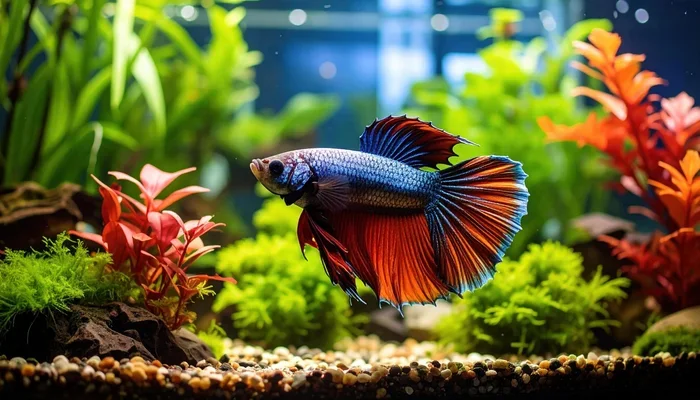
Betta fish are active, curious creatures that love to explore, play, and interact with their environment. Understanding what betta fish like to do helps you create a happier, healthier home for your pet. From swimming through plants to hunting for food, bettas thrive when their natural behaviors are supported. This guide covers everything your betta loves to do and how you can encourage those activities daily.
Key Takeaways
- Betta fish love to explore: They enjoy swimming through plants, caves, and decorations in their tank.
- Feeding is a favorite activity: Bettas are natural hunters and love live or frozen foods that mimic their wild diet.
- They need mental stimulation: Betta fish enjoy enrichment activities like mirrors, floating logs, and new tank setups.
- Lighting matters: Bettas prefer soft, natural-looking lights that mimic their natural habitat.
- Hiding is normal behavior: Bettas like to hide in plants and caves for rest and security.
- A well-setup tank keeps them happy: The right tank size, decor, and water conditions support natural betta behaviors.
📑 Table of Contents
- What Betta Fish Like to Do: A Complete Guide to Betta Behavior
- Daily Activities of a Betta Fish
- Betta Fish Tank Activities They Love
- What Betta Fish Like to Eat and How They Feed
- Betta Fish Enrichment and Mental Stimulation
- Lighting and Environment Preferences
- Common Betta Behaviors Explained
- How to Encourage Natural Betta Behaviors
- Final Thoughts
What Betta Fish Like to Do: A Complete Guide to Betta Behavior
If you own a betta fish, you might wonder what goes on inside that little colorful head of theirs. Do they get bored? Do they play? What do betta fish like to do when no one is watching? These are great questions, and the answers might surprise you.
Betta fish are far more active and curious than most people realize. They are not just pretty fish floating in a tank. They explore, they hunt, they rest, and they interact with their surroundings every single day. Understanding betta fish behavior is the first step toward being a great fish parent. When you know what your betta enjoys, you can build a tank setup that keeps them healthy, active, and thriving.
In this guide, we will walk through everything betta fish love to do. We will cover their daily routines, favorite activities, tank preferences, feeding habits, and so much more. Whether you are a new betta owner or have had your fish for years, there is always something new to learn about these fascinating creatures.
Daily Activities of a Betta Fish
Betta fish follow a pretty predictable daily routine once they settle into their environment. Most of their day is spent exploring, eating, resting, and interacting with their surroundings. Let us break down what a typical day looks like for your betta.
Morning: Exploring and Feeding
When the lights come on, bettas usually become more active. They start exploring their tank, swimming along the glass, and checking out any new changes. This is also feeding time for most betta owners. Betta fish love to eat, and they will often swim to the surface eagerly when they see their owner approaching. In the wild, bettas hunt for food throughout the day, so a regular feeding schedule feels natural and satisfying to them.
Midday: Rest and Observation
After eating, bettas often find a favorite spot to rest. They might lounge on a broad leaf, curl up behind a decoration, or simply drift near the surface. This resting period is completely normal. Bettas need downtime just like any other pet. During this time, they are still aware of their surroundings and will watch movement outside the tank.
Evening: Active Exploration
As evening approaches, bettas often become active again. They swim more, investigate corners of the tank, and may even build or adjust their bubble nests. This is a natural behavior that shows your betta feels safe and comfortable in their home.
Betta Fish Tank Activities They Love
A betta fish tank is your pet’s entire world. The things you put inside that tank directly affect how happy and active your betta will be. Bettas are curious creatures, and they love interacting with their environment in several ways.
Swimming Through Plants and Decorations
Betta fish absolutely love swimming through plants. In the wild, bettas live in rice paddies and slow-moving streams filled with dense vegetation. When you add live or silk plants to their tank, they will swim through the leaves, dart between stems, and use plants as hiding spots. This kind of activity keeps them physically fit and mentally stimulated.
When choosing plants, avoid sharp plastic ones that can tear your betta’s delicate fins. Live plants are the best option because they also help keep the water clean. Some great choices include java fern, anubias, and amazon sword plants.
Building and Visiting Bubble Nests
One of the most interesting things betta fish like to do is build bubble nests. Male bettas blow tiny bubbles that stick together to form a floating nest. This behavior is a sign of a happy, healthy betta. Even if there is no female present, your male betta may still build nests just because it feels natural and satisfying.
If you notice your betta spending time at the surface blowing bubbles, that is a great sign. It means your fish is comfortable and feeling its best. You can support this behavior by keeping the water surface calm and avoiding strong filters that create too much current.
Investigating New Objects
Betta fish are naturally curious. When you add something new to their tank, they will investigate it thoroughly. This could be a new piece of driftwood, a fresh decoration, or even a changed water parameter. Their curiosity is one of the things that makes bettas so entertaining to watch.
However, be careful not to overdo it. Too many changes at once can stress your betta. Add new items one at a time and give your fish a few days to adjust before introducing anything else.
What Betta Fish Like to Eat and How They Feed
Feeding time is one of the most exciting parts of a betta’s day. Bettas are carnivorous by nature, and they love to hunt. Understanding their betta fish feeding habits helps you provide the best diet possible.
Live and Frozen Foods
In the wild, bettas eat insects, larvae, and small crustaceans. They are ambush predators that strike quickly at their prey. Because of this, they get the most excitement from live or frozen foods. Bloodworms, brine shrimp, and daphnia are all excellent choices that trigger their natural hunting instincts.
You can feed these foods as treats or as part of their regular diet. Just remember that variety is key. A diet of only dry flakes can lead to nutritional gaps and boredom during feeding time.
Interactive Feeding
Many betta owners enjoy making feeding time interactive. You can use tweezers to drop food near your betta and watch them chase it. Some bettas even learn to recognize their owner and will swim to the front of the tank when it is time to eat. This interaction builds trust and provides mental enrichment for your fish.
Feed your betta two to three small meals per day. Overfeeding is a common mistake that can lead to health problems. Watch your fish eat and remove any uneaten food after a few minutes to keep the water clean.
Betta Fish Enrichment and Mental Stimulation
Just like any pet, betta fish need mental stimulation to stay happy. A bare tank with nothing to do can lead to a bored, stressed fish. Fortunately, there are many easy ways to enrich your betta’s environment and keep them engaged.
Tank Setup and Decor
The way you set up your tank plays a huge role in your betta’s happiness. Betta fish like to have hiding spots where they can retreat when they feel tired or cautious. Caves, coconut shells, and dense plants all serve this purpose well.
Your betta also enjoys having open swimming areas. A good tank setup balances open space with plenty of places to explore. A tank of at least 5 gallons is recommended, and many experts suggest that a 10 gallon tank is even better for bettas. More space means more room to swim and more opportunities for enrichment.
Mirror Sessions
Some betta owners use a small mirror placed near the tank to give their fish temporary stimulation. When a betta sees its own reflection, it may flare its fins and display bright colors. This is a natural territorial behavior and can provide short-term mental engagement.
However, mirror sessions should be kept brief. Five minutes is enough. Leaving a mirror in the tank for too long can exhaust your betta and cause unnecessary stress. Think of it like a quick play session, not an all-day activity.
Floating Enrichment
Betta fish love to rest near the surface, and floating objects give them something to do. A floating log or leaf hammock provides a cozy spot for your betta to lounge. Some bettas will spend hours resting on these structures, and they look adorable doing it.
You can also try floating a small, safe object near the surface and watch your betta investigate it. This simple activity can provide hours of entertainment for both you and your fish.
Lighting and Environment Preferences
The environment inside your betta’s tank affects how they behave and how happy they feel. Getting the lighting and water conditions right is essential for supporting natural betta activities.
What Color Lights Do Betta Fish Prefer
Betta fish are drawn to soft, warm lighting. Harsh fluorescent lights can stress them out and make them feel exposed. LED lights with adjustable color settings are a great choice because you can create a gentle, natural-looking environment. Many bettas seem to enjoy a slightly dim setting that mimics the dappled light of their natural habitat.
Avoid keeping the lights on 24 hours a day. Bettas need a regular day and night cycle to stay healthy. A standard schedule of 8 to 10 hours of light per day works well for most bettas.
Water Conditions That Support Natural Behavior
When the water in your betta’s tank is comfortable, your fish will be more active and display natural behaviors. Betta fish prefer warm water between 76 and 82 degrees Fahrenheit. They also do best in slightly acidic to neutral pH levels, around 6.5 to 7.5.
Regular water changes are important too. Bettas are sensitive to poor water quality, and dirty water can make them lethargic and uninterested in their usual activities. A consistent maintenance routine keeps your betta healthy and engaged with their environment.
Common Betta Behaviors Explained
Betta fish display a range of behaviors that can sometimes confuse their owners. Understanding why your betta does what it does helps you respond appropriately and keep your fish happy.
Why Betta Fish Like to Hide
If your betta spends a lot of time hiding behind plants or in caves, do not panic right away. Hiding is a completely natural behavior for bettas. They do it to rest, feel safe, and observe their surroundings without being seen. However, if your betta is hiding constantly and refusing to eat, that could be a sign of stress or illness.
Make sure your tank has appropriate hiding spots but also enough open space for swimming. A balanced environment encourages your betta to come out and explore while still feeling secure.
Flaring and Displaying
When a betta flares its gills and spreads its fins, it is displaying dominance or territorial behavior. In the wild, this helps bettas defend their space from rivals. In a home tank, your betta may flare at its own reflection or at other fish nearby.
Occasional flaring is normal, but constant flaring can be stressful. If your betta flares at its reflection for hours, consider removing or adjusting the mirror effect from your tank setup.
Building Bubble Nests
As mentioned earlier, bubble nest building is a sign of a content and healthy male betta. Even in a single-species tank with no female present, your betta may build nests regularly. This behavior shows that your fish feels safe and ready to engage in natural reproductive activities.
If your betta stops building nests suddenly, it could indicate a change in water conditions or stress. Check your water parameters and make sure everything is within the ideal range.
How to Encourage Natural Betta Behaviors
Now that you know what betta fish like to do, here are some practical tips to encourage those behaviors in your own tank.
- Add live plants: They provide hiding spots, exploration opportunities, and improved water quality.
- Include floating decorations: Bettas love resting near the surface and will appreciate a floating log or leaf.
- Feed a varied diet: Mix dry foods with live or frozen options to keep mealtimes exciting.
- Maintain consistent water conditions: Regular water changes and temperature monitoring keep your betta comfortable.
- Provide gentle filtration: Bettas prefer calm water. Choose a filter with adjustable flow or sponge filters that create minimal current.
- Keep the tank clean and stress-free: A well-maintained tank encourages natural exploration and activity.
By following these tips, you create an environment where your betta can express its natural behaviors every day. A happy betta is an active, colorful, and engaging pet that will bring joy to your home.
Final Thoughts
Understanding what betta fish like to do is the foundation of good betta care. These beautiful fish are active, curious, and full of personality. They love to explore their tanks, hunt for food, build bubble nests, and interact with their environment. When you provide the right setup, diet, and enrichment, your betta will thrive and display its most natural and entertaining behaviors.
Take the time to observe your betta every day. Watch how it swims, where it rests, and what interests it most. You will learn your individual fish’s preferences over time, and that knowledge will help you become a better, more attentive pet owner. Your betta may not be able to tell you what it wants directly, but its behavior will always give you clear signals.
Keep things simple, keep the tank clean, and most importantly, enjoy the experience. Raising a betta fish is a rewarding journey, and every day brings something new to discover about these wonderful creatures.
Frequently Asked Questions
Why does my betta fish like to hide so much?
Betta fish naturally like to hide because it makes them feel safe and secure. In the wild, they live among dense vegetation where hiding spots are everywhere. Providing plenty of plants and caves in your tank gives your betta the confidence to explore while still having a place to retreat. However, if hiding is accompanied by not eating or lethargy, it could signal stress or illness.
What activities do betta fish enjoy the most?
Betta fish enjoy exploring their tank, swimming through plants, hunting for food, and building bubble nests. They are curious creatures that love investigating new decorations and objects in their environment. Providing a well-setup tank with plenty of enrichment keeps your betta active and engaged throughout the day.
Do betta fish get bored in their tanks?
Yes, betta fish can get bored if their tank lacks stimulation. A bare tank with no plants, decorations, or variety can lead to lethargy and stress. Adding live plants, floating objects, and varying their feeding routine helps keep your betta mentally stimulated and happy.
How can I tell if my betta fish is happy and active?
A happy betta fish is active, curious, and interested in its surroundings. It will explore the tank, come to the surface when you approach, build bubble nests, and eat eagerly. Bright colors and flared fins are also signs of a healthy, content betta. If your fish displays these behaviors regularly, it is thriving in its environment.
What time of day are betta fish most active?
Betta fish are most active during daylight hours, especially in the morning and early evening. They tend to rest during the darker parts of the day. Maintaining a consistent light schedule of 8 to 10 hours per day helps regulate your betta’s natural activity cycle and keeps them on a healthy routine.
Can betta fish recognize their owners?
Many betta owners report that their fish recognize them over time. Bettas can learn to associate their owner with feeding time and may swim to the front of the tank when they see you. This recognition develops through regular interaction and consistent feeding schedules, showing that bettas are smarter than many people realize.
=== CONCLUSION ===
Knowing what betta fish like to do transforms the way you care for them. From their love of exploration to their hunting instincts and bubble nest building, every behavior tells you something about how your betta is feeling. A well-planned tank with the right decor, lighting, and water conditions supports all of these natural activities.
Take action today. Look at your tank setup with fresh eyes. Add a new plant, try a different feeding method, or adjust your lighting schedule. Small changes can make a big difference in your betta’s happiness and health. Your fish depends on you for everything, and the effort you put in will be rewarded with a vibrant, active, and joyful companion for years to come.