Can a Betta Fish Break Its Back

Betta fish can suffer spinal injuries, but true “back breaking” is rare and usually stems from poor tank conditions or handling. Understanding the signs, fixing the environment, and providing proper care can help your finned friend recover and thrive.
Key Takeaways
- Spinal injuries are possible: Betta fish can develop curvature or fractures, often due to falls, hard décor, or severe disease.
- Watch for symptoms: Swimmer’s tilt, difficulty maintaining depth, or a “hunched” posture are red flags.
- Prevention is key: Soft substrate, secure décor, and gentle handling reduce risk.
- Early treatment helps: Quarantine, water quality, and targeted medication improve recovery odds.
- Not all curvature is permanent: Some spinal deformities can improve with proper care and nutrition.
- Regular health checks matter: Routine observation catches problems before they become serious.
- Consult a vet if unsure: Professional advice is essential for severe or persistent issues.
📑 Table of Contents
- Introduction: Why the Idea of a “Broken Back” Feels Scary
- 1. Understanding Betta Anatomy: The Backbone Basics
- 2. Common Causes of Back Injuries in Bettas
- 3. Spotting the Signs: How to Know If Your Betta Is Hurt
- 4. Prevention: Setting Up a Betta‑Friendly Environment
- 5. Treatment Options: Helping a Betta Heal Its Back
- 6. When to Seek Professional Help
- Conclusion: A Happy Betta Starts With a Healthy Back
Introduction: Why the Idea of a “Broken Back” Feels Scary
When you first bring home a vibrant betta, you expect to watch it flare its fins and glide gracefully. So, the thought that your little warrior could “break its back” can be alarming. The good news? True spinal fractures are uncommon, but bettas can develop curvature, compression, or other back‑related problems that look just as distressing.
In this article we’ll break down (pun intended) what a back injury means for a betta, how to spot it, why it happens, and—most importantly—what you can do to prevent and treat it. Think of it as a friendly chat with a fellow fish keeper who’s been there, seen the signs, and learned the fixes.
1. Understanding Betta Anatomy: The Backbone Basics
What Does a Betta’s Spine Look Like?
A betta’s skeleton is made of tiny, flexible vertebrae that run from the head to the tail. Unlike larger fish, the bones are delicate, and the spinal cord runs right through the center. This design lets bettas make quick, darting movements, but it also means they’re vulnerable to sudden impacts.
Visual guide about Can a Betta Fish Break Its Back
Image source: i.ytimg.com
How Does a “Broken Back” Differ From Curvature?
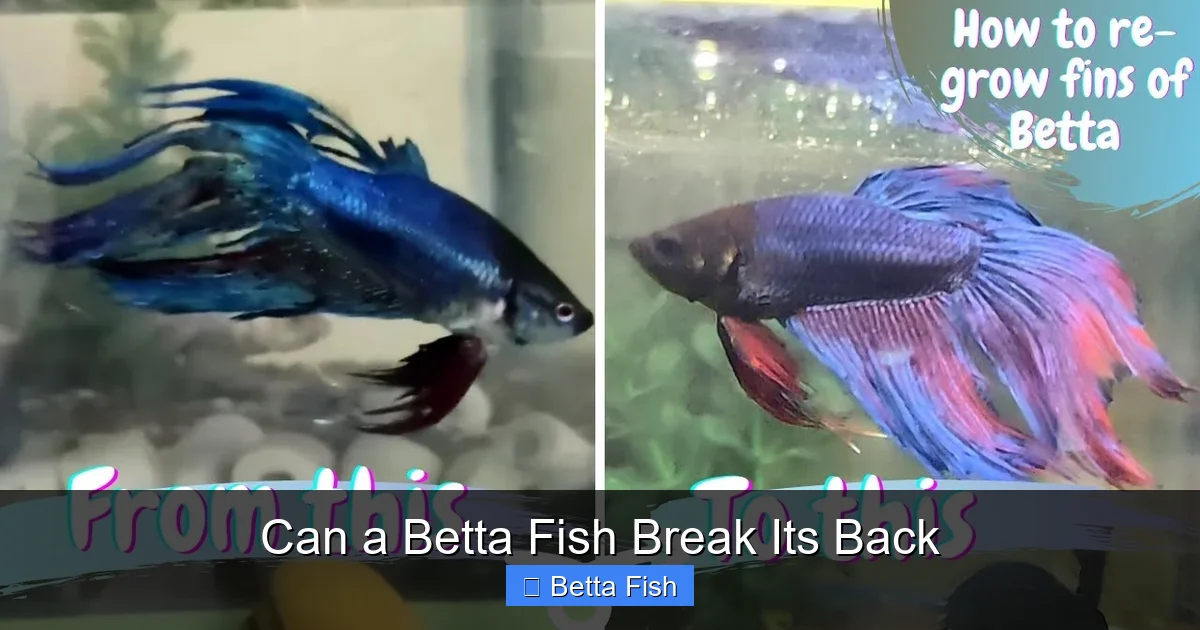
A true fracture means one or more vertebrae have cracked or shattered—this is rare and usually follows a severe trauma, such as a fall from a high perch or being squeezed by a heavy object. More common is a condition called “spinal curvature” or “scoliosis,” where the spine bends sideways or arches upward. Curvature can be caused by genetics, poor nutrition, or chronic stress.
2. Common Causes of Back Injuries in Bettas
Tank Accidents
Most back problems start with something simple: a slip. If a betta jumps out of the water and lands on a hard surface, the impact can bruise or even fracture the spine. This is why many keepers use a lid or cover—see more on safe tank covers here.
Visual guide about Can a Betta Fish Break Its Back
Image source: bettasource.com
Improper Décor
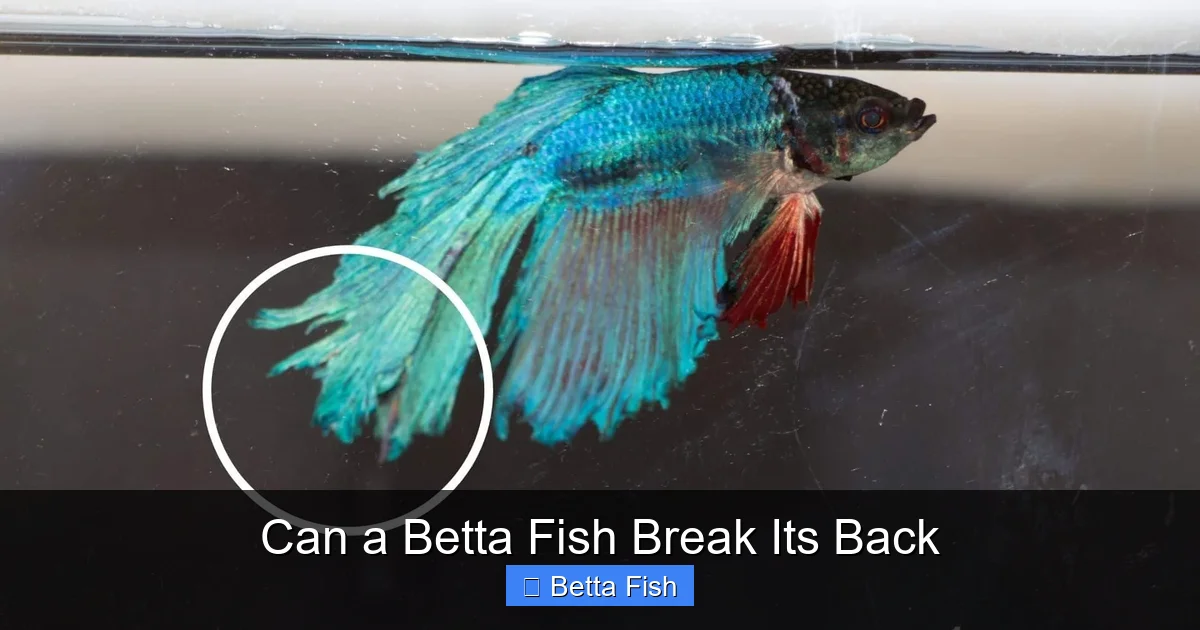
Sharp rocks, rough plastic ornaments, or tightly spaced décor can trap a betta’s tail or body, leading to bruises that affect the spine over time. Opt for smooth, aquarium‑safe items and always test them for sharp edges.
Water Quality Issues
Poor water quality stresses a fish’s immune system, making it more prone to infections that can affect the spine, such as bacterial or fungal diseases. Regular water changes and a reliable filter are essential.
Genetic Factors
Some bettas are born with a slight spinal curve. While not always a health threat, it can become more pronounced if the fish is kept in a stressful environment.
Overfeeding and Obesity
Excess weight puts extra pressure on the vertebrae. A plump betta may develop a hunched posture, especially if it can’t swim properly.
3. Spotting the Signs: How to Know If Your Betta Is Hurt
Behavioral Clues
- Swimming at an angle or constantly drifting to one side.
- Difficulty staying near the water surface; the fish may rest on the bottom.
- Reduced activity, staying hidden more often.
Physical Indicators
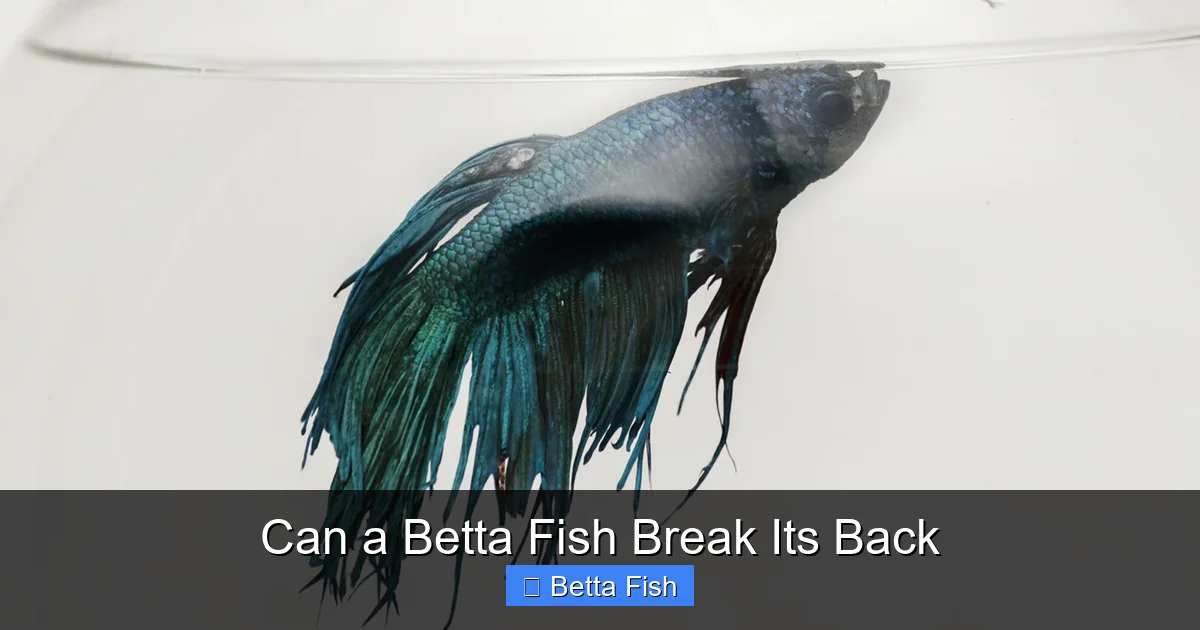
- Visible curvature of the back when viewed from the side.
- Swollen or bruised area along the spine.
- Fins that appear ragged or are clamped close to the body.
When to Act
If you notice any of these signs, isolate the betta in a quarantine tank with pristine water. This prevents further stress and makes treatment easier.
Visual guide about Can a Betta Fish Break Its Back
Image source: blogger.googleusercontent.com
4. Prevention: Setting Up a Betta‑Friendly Environment
Tank Size and Layout
Even though bettas can survive in small bowls, a 5‑gallon tank gives them room to swim and reduces the risk of accidental jumps. Learn more about why a bowl isn’t ideal here.
Soft Substrate and Safe Décor
Use fine sand or smooth, rounded stones. Avoid sharp edges and make sure decorations are securely anchored.
Proper Lid or Cover
A tight‑fitting lid stops jumps and keeps curious pets or children from tapping the glass, which can startle the betta.
Water Quality Routine
- Change 25‑30% of the water weekly.
- Test for ammonia, nitrite, and nitrate; keep levels at 0, 0, and < 20 ppm respectively.
- Use a water conditioner to remove chlorine and chloramines.
Balanced Diet
Feed high‑quality betta pellets or frozen foods twice daily, only as much as they can eat in two minutes. Overfeeding leads to obesity, which stresses the spine.
5. Treatment Options: Helping a Betta Heal Its Back
Immediate Steps
1. Transfer the betta to a quarantine tank with clean, dechlorinated water.
2. Keep the water temperature stable between 78‑80°F (25‑27°C).
3. Reduce stress by dimming lights and limiting tank traffic.
Medical Care
For suspected fractures, a veterinarian experienced with fish can prescribe antibiotics to prevent infection and pain relievers if needed. For curvature caused by infection, a course of broad‑spectrum antibiotics (e.g., Maracyn) often clears it up.
Supportive Care
- Use a gentle, low‑flow filter to keep water clean without creating strong currents.
- Add a small amount of aquarium salt (1 teaspoon per 5 gallons) to reduce stress and aid healing.
- Provide a high‑protein diet with occasional bloodworms or daphnia to boost recovery.
Long‑Term Monitoring
Watch the betta daily for changes in posture or swimming. A gradual improvement over 2‑3 weeks usually signals that the injury is healing.
6. When to Seek Professional Help
If the betta shows any of the following, contact a vet promptly:
- Severe curvature that worsens over days.
- Bleeding or open wounds along the spine.
- Rapid loss of appetite and lethargy.
- No improvement after a week of proper care.
Fish veterinarians can perform X‑rays or use specialized imaging to assess the extent of a fracture, something home observation can’t determine.
Conclusion: A Happy Betta Starts With a Healthy Back
While the phrase “can a betta fish break its back” sounds dramatic, most back‑related issues are preventable with a well‑maintained tank, gentle handling, and attentive care. By recognizing early signs, providing a safe environment, and acting quickly when problems arise, you give your betta the best chance for a full, graceful recovery.
Remember, a thriving betta is a happy betta—so keep that water clean, the décor smooth, and the lid secure, and you’ll enjoy many weeks of dazzling fin displays.
Frequently Asked Questions
Can a betta fish actually break its spine?
True spinal fractures are rare and usually result from a severe impact, such as a fall from a high perch or being squeezed by a heavy object.
What are the first signs of a back injury in a betta?
Look for swimming at an angle, a hunched posture, difficulty staying near the surface, or visible curvature along the spine.
How can I prevent my betta from injuring its back?
Use a secure lid, provide soft substrate, avoid sharp décor, keep water quality high, and maintain a proper tank size (at least 5 gallons).
Is spinal curvature in bettas reversible?
In many cases, gentle care, proper nutrition, and a stress‑free environment can improve mild curvature over time.
Should I use medication for a betta with a suspected back injury?
If infection is suspected, a broad‑spectrum antibiotic may help, but it’s best to consult a fish‑savvy veterinarian for proper dosing.
Can poor water quality cause back problems?
Yes, stressed fish are more prone to infections that can affect the spine, so regular water changes and testing are crucial.