Are Betta Fish Hardy Enough for Beginners to Keep Healthy
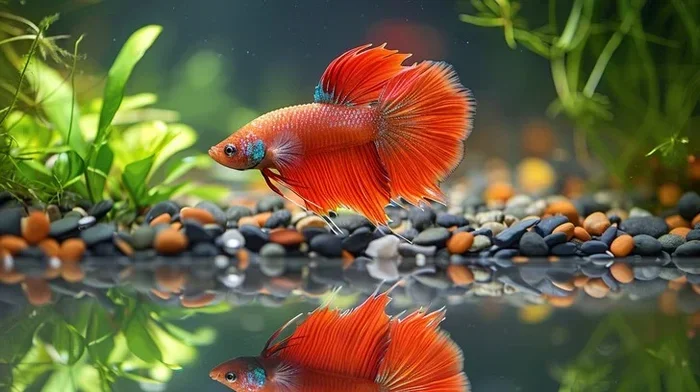
Betta fish are hardy when given the right environment. They tolerate minor mistakes better than many tropical fish, but they still need clean water, stable temperatures, and proper nutrition. This guide explains what makes them resilient and what care steps keep them thriving long term.
Many new fishkeepers ask the same question: are betta fish hardy enough to handle a first aquarium? The short answer is yes, but with an important caveat. These colorful fish tolerate small mistakes better than many sensitive species. They still need clean water, stable heat, and proper feeding. When you meet those basics, they stay active and bright. When you ignore them, they fade fast.
This guide breaks down what hardiness really means for bettas. You will learn how their natural traits help them survive, where they remain vulnerable, and which daily habits keep them healthy. We will cover tank setup, water parameters, feeding routines, common stress signs, and simple prevention steps. By the end, you will know exactly how to give your betta a strong, happy life.
Key Takeaways
- Hardy reputation is real: Betta fish handle small fluctuations better than many delicate species, but they still need consistent care.
- Water quality matters most: Clean, dechlorinated water with stable pH and temperature prevents most health problems.
- Tank size affects resilience: A minimum 5-gallon tank supports better water stability and reduces stress.
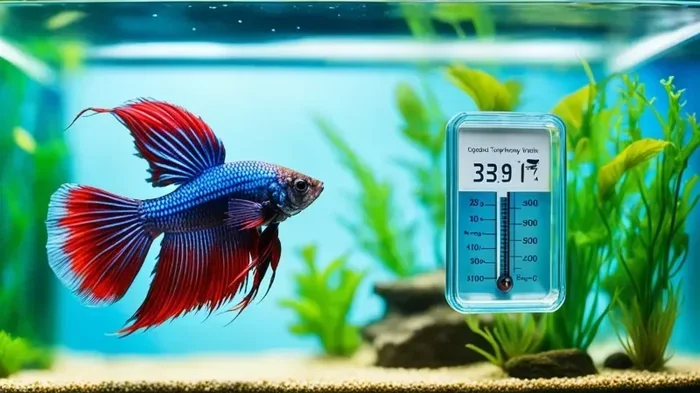
- Temperature control is critical: Heaters keep water between 76 and 82 degrees Fahrenheit, which supports their immune system.
- Diet impacts toughness: High-protein pellets plus occasional treats keep them strong and active.
- Stress reduces hardiness: Overhandling, aggressive tank mates, and poor filtration weaken their natural defenses.
- Prevention beats cure: Regular water changes and quick observation catch issues before they become serious.
📑 Table of Contents
- What Makes Betta Fish Hardy in Home Aquariums
- The Truth About Betta Fish Hardiness and Common Myths
- Water Quality: The Real Test of Hardiness
- Tank Setup and Environment for a Resilient Betta
- Feeding, Nutrition, and Immune Support
- Recognizing Stress and Illness Early
- Care Tips and Common Mistakes for Beginner Keepers
- Expert Insights on Betta Resilience
- Key Takeaways for Long-Term Betta Health
What Makes Betta Fish Hardy in Home Aquariums
Bettas come from shallow, warm waters in Southeast Asia. They evolved in environments that change with the seasons. That history gives them a solid ability to adapt. They can breathe air from the surface using a special organ called the labyrinth. This trait helps them survive in low-oxygen water for short periods. It also means they need access to the top of the tank.
Their hardy reputation comes from a few key traits. First, they handle small swings in water conditions better than many delicate tropical fish. Second, they adapt well to filtered tanks once the water stabilizes. Third, they respond quickly to good care, which makes recovery easier when problems start early. Still, hardy does not mean invincible. Poor water, cold temperatures, and overcrowding will weaken any fish, including bettas.
The Labyrinth Organ and Air Breathing
The labyrinth organ lets bettas gulp air from above the water. This ability helps them survive in stagnant ponds and rice fields in the wild. In your tank, it gives them a backup when oxygen drops briefly. It does not replace good circulation or clean water. You still need a tank that supports healthy gas exchange. A gentle surface ripple from a filter outflow or a small air stone helps a lot.
Natural Adaptability to Warm, Shallow Water
Wild bettas live in water that warms quickly under the sun and cools slowly at night. They handle mild temperature shifts better than fish from deep, stable lakes. That said, home aquariums are much smaller. Small volumes change fast. A sudden drop or spike can stress your fish. A reliable heater and a consistent room temperature keep those swings small.
The Truth About Betta Fish Hardiness and Common Myths
Many people hear that bettas survive in tiny bowls with no filter. That idea creates trouble. A betta may linger in a small, unfiltered bowl for a while, but it will not thrive. Waste builds up fast in small water. Ammonia rises. Oxygen drops. The fish becomes sluggish, colors fade, and illness follows. Hardiness is not a excuse for minimal care. It is a reason to start with good habits.
Another myth says bettas prefer cold water because they live in shallow ponds. In reality, those shallow waters stay warm in tropical climates. Your betta needs warm water, not cold. A second myth claims males and females always fight to the death. They can live together during breeding, but careful planning matters. A third myth says bettas do not need filters because they breathe air. They do breathe air, but filters still remove waste and support beneficial bacteria. Clean water remains the biggest factor in their health.
Myth: Small Bowls Are Fine Long Term
Small bowls look cute, but they create unstable water. A tiny volume heats and cools quickly. Waste concentrates fast. You will face more water changes and more stress. A larger tank with a gentle filter gives you stable conditions and less daily work. If you want a simple setup, choose a modest 5-gallon tank with a soft filter output. Your betta will show brighter colors and stronger movement.
Myth: Bettas Do Not Need Heated Water
Bettas are tropical fish. They do best when water stays in the mid-70s to low-80s Fahrenheit. Cold water slows their digestion and weakens their immune response. You may notice clamped fins, less swimming, and dull color. A small adjustable heater solves most of these problems. Pair it with a thermometer so you can check the real temperature, not just the dial setting.
Water Quality: The Real Test of Hardiness
are betta fish hardy when water quality slips? They can survive short dips in bad water, but long-term health depends on clean conditions. Ammonia and nitrite damage gills and skin. Nitrate builds up slowly and adds stress. Beneficial bacteria break down waste, but they need time and surface area to grow. A cycled tank gives you a strong safety net.
You do not need expensive test kits for every parameter, but you should check the basics. Ammonia and nitrite should stay at zero after the tank cycles. Nitrate should stay low with regular water changes. pH matters, but most captive bettas adapt to a stable range around neutral. Sudden pH swings hurt more than a slightly high or low reading. Stability beats perfection.
Cycling the Tank Before Adding Your Betta
A cycled tank has established beneficial bacteria that convert ammonia into less harmful nitrate. You can cycle with fish food, pure ammonia, or a few hardy starter fish if you monitor closely. The goal is simple: run the filter, add a nitrogen source, and test until ammonia and nitrite spike then fall to zero. This process usually takes a few weeks. Patience here prevents many health problems later.
Routine Water Changes and Testing
Plan a weekly water change of about 25 to 50 percent, depending on tank size and bioload. Vacuum the substrate gently to remove leftover food and waste. Always use dechlorinated water matched closely to the tank temperature. Test ammonia, nitrite, and nitrate regularly during the first months. After the tank stabilizes, you can test less often. Quick checks catch problems before they grow.
Tank Setup and Environment for a Resilient Betta
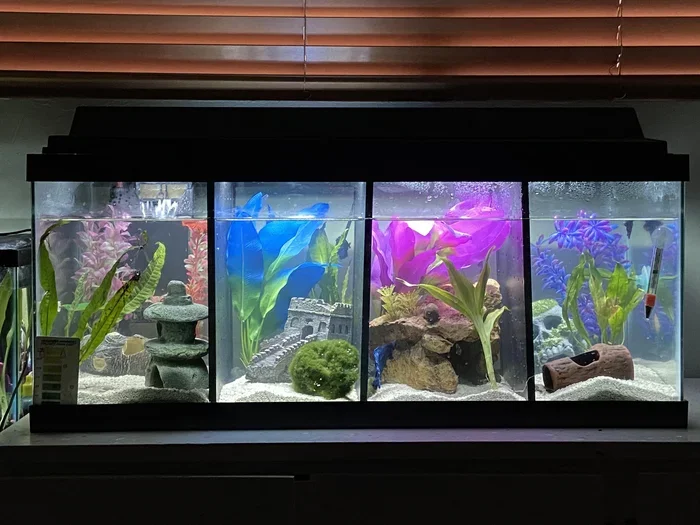
A good setup supports your betta natural resilience. Start with a tank that holds at least 5 gallons. Larger water volumes stay stable longer. Add a gentle filter that does not blast the fish with strong current. Bettas prefer calm water. They still need some movement to keep oxygen levels healthy. If the flow feels too strong, baffle the output with a sponge or adjust the flow control.
Heating keeps the water in the right range. Aim for 76 to 82 degrees Fahrenheit. Use a separate thermometer to verify the reading. Add hiding spots with smooth plants, caves, or driftwood. Live plants help absorb nitrates and provide cover. Soft leaves reduce the chance of torn fins. Lighting should follow a regular day and night cycle. Too much light can stress the fish, while too little hides normal behavior.
Tank Size and Stability
Small tanks look easy, but they demand more attention. A 5-gallon tank gives you a better buffer against temperature and water chemistry swings. It also gives your betta room to swim and explore. If you can choose a 10-gallon tank, you gain even more stability and flexibility. More space often means less stress and fewer behavioral issues.
Filtration, Flow, and Oxygen
Filters remove particles and host beneficial bacteria. They also create surface movement that helps oxygen enter the water. Bettas appreciate gentle flow. Strong currents tire them out and push them around. If your filter is too powerful, reduce the output or add a spray bar. You can also place a sponge in the outflow to soften the current. Good circulation supports hardiness by keeping water clean and oxygenated.
Plants, Decor, and Hiding Places
Bettas feel safer when they can slip behind plants or rest near a cave. Smooth decorations prevent fin damage. Live plants like java fern, anubias, and floating plants work well in warmer water. They offer cover and help keep water clean. Avoid sharp plastic plants and rough gravel. A soft substrate and rounded decor create a safer home. When your betta feels secure, it shows more natural behavior and better color.
Feeding, Nutrition, and Immune Support
Food affects hardiness more than many beginners realize. A betta with poor nutrition has a weaker immune system. High-quality pellets made for bettas provide the protein and fats they need. Feed small portions once or twice a day. Offer only what they can eat in a couple of minutes. Overfeeding fouls the water and burdens their digestive system.
Mix in occasional treats like frozen or live foods designed for aquarium fish. These add variety and extra nutrients. Some keepers use frozen bloodworms or brine shrimp as an occasional snack. Treats should supplement the diet, not replace staple pellets. A balanced feeding routine supports strong fins, bright color, and steady energy.
Portion Control and Schedule
Small stomachs mean small meals. A good rule is to feed an amount about the size of the betta eye, once or twice daily. Skip one day a week if your fish looks full or the water needs a reset. Fasting for a day helps prevent constipation and reduces waste. Watch how your fish responds. Active hunting at feeding time usually means good appetite and health.
Signs of Overfeeding and Digestive Issues
Leftover food sinks and decays. That decay raises ammonia and feeds algae. If your betta swims poorly, looks bloated, or stops eating, review your portions. Constipation can happen when the diet lacks variety or when portions run too large. A short fasting day and a return to small, balanced meals often help. Clean water and proper food work together to keep your betta strong.
Recognizing Stress and Illness Early
Hardiness helps bettas recover, but only if you notice problems early. Stress shows up in subtle ways first. Watch for clamped fins, hiding more than usual, faded color, slow movement, or gasping at the surface. These signs often point to water issues, temperature swings, or aggression from tank mates. Catching the cause early prevents bigger trouble.
Common health issues include fin damage, fungal spots, and external parasites. Many of these problems start after water quality drops or the fish gets scraped on rough decor. Quarantine new fish and inspect new plants before adding them to the tank. Keep a simple care log so you can track feeding, water changes, and any unusual behavior. A small note can reveal patterns fast.
Behavior Changes That Matter
A healthy betta explores, flares occasionally, and rests without lying motionless for long periods. If your fish stays at the bottom all day, avoids food, or breathes heavily, check the water first. Test temperature and ammonia right away. Compare current conditions with your normal readings. Most behavior shifts connect back to the environment. Fix the environment, and the fish often improves.
Basic First Response Steps
When you spot trouble, start with the basics. Test the water. Check the heater. Make a partial water change with dechlorinated water. Remove sharp debris and leftover food. Reduce strong light for a few hours if the fish seems overwhelmed. If symptoms continue, research the specific sign and consider a quarantine tank for treatment. Early, calm action gives your betta the best chance to bounce back.
Care Tips and Common Mistakes for Beginner Keepers
New keepers often want the simplest path, but the best path is the steady one. Set up the tank before buying the fish. Cycle the water. Add a heater and thermometer. Choose a gentle filter. Plan your water change schedule in advance. These steps sound basic, but they prevent most crises. A thoughtful setup makes betta care much easier.
Avoid these common mistakes: using a bowl without filtration, skipping the heater, overfeeding, changing water too rarely, and adding aggressive tank mates. Also avoid moving the tank location often, since temperature and light swings add stress. Keep the routine simple and consistent. Your betta will reward you with better color, steady activity, and a longer, healthier life.
Quick Tips for Stronger Betta Health
- Start with a cycled tank so beneficial bacteria are ready to handle waste.
- Use a heater and thermometer to keep water warm and stable.
- Choose a gentle filter that moves water without pushing the fish around.
- Feed small meals and skip one day a week if needed.
- Change water regularly with dechlorinated, temperature-matched water.
- Add smooth plants and hiding spots to reduce stress.
- Watch daily for small changes in color, movement, and appetite.
Common Mistakes to Avoid
- Tiny unfiltered bowls that create unstable water and quick waste buildup.
- Cold water setups that slow digestion and weaken immunity.
- Overfeeding that fouls the water and burdens the digestive system.
- Skipping water changes until the tank looks dirty or smells off.
- Sharp decor and rough gravel that tear fins and cause infection.
- Rushing to add tank mates without checking compatibility and space.
- Ignoring early signs of stress until the problem becomes severe.
Expert Insights on Betta Resilience
Experienced keepers often say that bettas look tough, but their real strength comes from good routines. A stable tank with warm water, gentle flow, and regular maintenance gives them the best chance to stay healthy. The fish themselves are adaptable, yet they still rely on you to keep conditions steady. Think of hardiness as a partnership. Your care unlocks their natural resilience.
Another useful insight is that behavior tells the story. A betta that swims with purpose, flares in a healthy way, and rests without looking weak usually has good conditions. A fish that hides constantly, loses color, or breathes hard usually needs a water check. Keep your focus on the environment first. Most health issues improve once the tank becomes stable again.
Key Takeaways for Long-Term Betta Health
- Hardiness works best with consistency. Stable temperature, clean water, and calm flow support their natural resilience.
- Prevention is easier than treatment. Regular water changes and quick observation stop many problems early.
- Small details matter. Smooth decor, proper portions, and a reliable heater make a big difference over time.
- Watch behavior daily. Small changes often point to water or stress issues before they become serious.
- Choose a manageable setup. A modest tank with simple maintenance is better than a tiny bowl that demands constant rescue.
If you are wondering whether are betta fish hardy enough for a first aquarium, the answer is yes when you match their needs. They bring color, personality, and a forgiving nature that helps beginners learn. Give them warm, clean water, a calm environment, and steady feeding. In return, they stay active, show off their fins, and prove why they remain one of the most popular aquarium fish for new keepers.
Frequently Asked Questions
Are betta fish hardy enough for beginners?
Yes, betta fish are a good choice for beginners because they adapt well to stable home aquariums. They still need warm, clean water, a gentle filter, and regular feeding to stay healthy.
Do betta fish need a heater to stay healthy?
Yes, they do best in warm water between 76 and 82 degrees Fahrenheit. A heater keeps the temperature steady, which supports digestion, immunity, and normal activity.
Can betta fish live in a bowl without a filter?
They may survive for a short time, but a bowl without a filter usually creates unstable water and fast waste buildup. A small filtered tank gives them much better long-term health.
How often should I change betta fish water?
A weekly water change of about 25 to 50 percent works well for most tanks. Use dechlorinated water that matches the tank temperature to avoid extra stress.
What are the first signs that a betta fish is stressed?
Common early signs include clamped fins, faded color, hiding more than usual, and slow movement. These changes often point to water quality or temperature issues.
What should I feed a betta fish for better health?
High-quality betta pellets should be the main food, with small portions once or twice a day. Occasional frozen or live treats can add variety, but overfeeding should be avoided.