How to Cure Dropsy in Betta Fish
Dropsy is a serious, often fatal condition in betta fish, but early detection and proper care can turn the tide. This guide walks you through identifying symptoms, treating the infection, and creating a safe environment to help your betta recover and stay healthy.
Key Takeaways
- Identify early: Swollen abdomen, raised scales, and lethargy are the first signs of dropsy.
- Isolate the sick fish: A quarantine tank prevents spread and lets you control water conditions.
- Use antibacterial medication: Broad‑spectrum antibiotics like Maracyn or Kanaplex are most effective.
- Maintain pristine water: Frequent water changes and low ammonia are critical for recovery.
- Support immunity: Vitamin‑rich foods and Epsom salt baths boost the betta’s defenses.
- Prevent recurrence: Proper feeding, regular tank cleaning, and quarantine of new fish reduce risk.
- Monitor progress: Daily observation of behavior and physical changes guides treatment adjustments.
📑 Table of Contents
Introduction: Why Dropsy Matters for Betta Owners
If you’ve ever watched a betta flare its fins in a burst of color, you know how captivating these little fighters can be. But when a betta starts to look puffy, its scales puffing up like a tiny watermelon, you realize something is seriously wrong. That condition is called dropsy, a symptom rather than a disease, usually caused by a bacterial infection that leads to fluid buildup inside the fish’s body.
Dropsy can strike even the most well‑cared‑for bettas. The good news? With quick action, proper treatment, and a clean environment, many bettas can pull through. This article will give you a friendly, step‑by‑step roadmap to cure dropsy in betta fish, from spotting the first sign to keeping your tank safe for the future.
Understanding Dropsy: What It Is and Why It Happens
What “Dropsy” Really Means
In fish, “dropsy” describes a set of symptoms—mainly swelling of the abdomen and raised, “pinecone” scales. It is not a specific disease; rather, it is the visible result of internal fluid accumulation caused by organ failure, infection, or poor water quality.
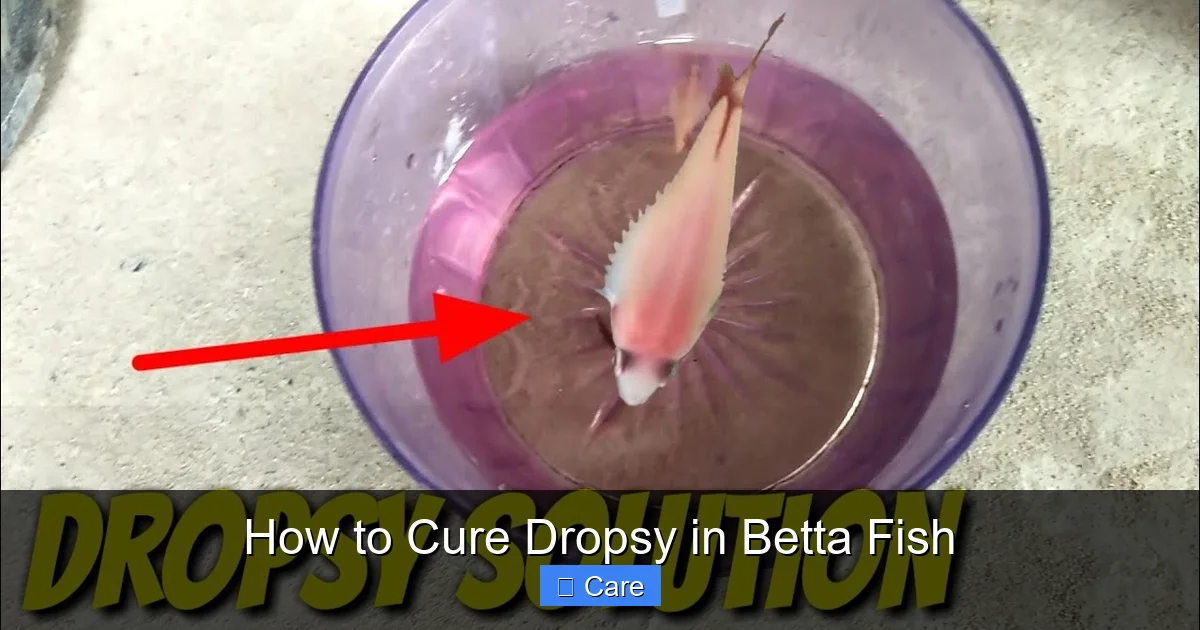
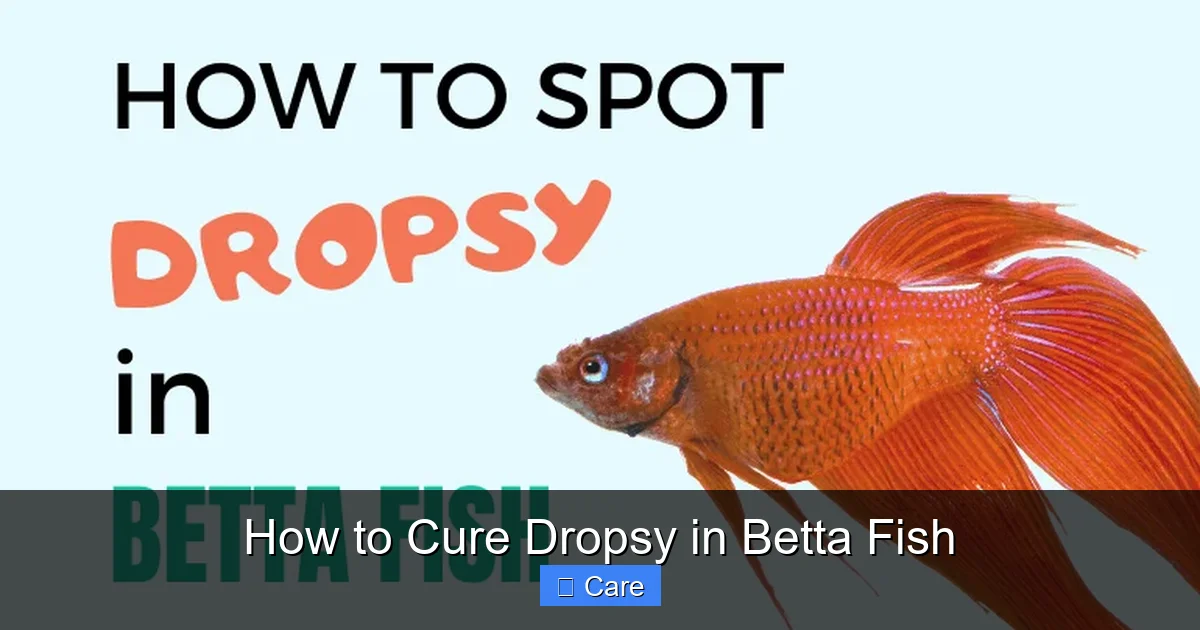
Visual guide about How to Cure Dropsy in Betta Fish
Image source: i.ytimg.com
Common Causes
- Bacterial infection: Aeromonas, Pseudomonas, and Vibrio species are the usual culprits.
- Parasites: Internal parasites can damage organ tissues, leading to fluid leakage.
- Water quality issues: High ammonia or nitrite levels stress the fish’s immune system.
- Improper diet: Overfeeding or low‑nutrient foods weaken immunity.
How the Body Reacts
When bacteria invade, the fish’s immune system releases inflammatory chemicals. These chemicals increase the permeability of blood vessels, allowing fluid to seep into the body cavity. The fish’s kidneys can’t filter this excess, so the abdomen swells and the scales stand up like tiny spikes.
Spotting Dropsy Early: Signs to Watch For
Physical Symptoms
- Swollen abdomen: A rounded, bulging belly is the most obvious sign.
- Pinecone scales: Scales stick out, giving a rough texture.
- Red or inflamed fins: Often accompanied by frayed edges.
- Lethargy: The betta may stay at the bottom, breathing shallowly.
Behavioral Changes
Loss of appetite, reduced movement, and hiding more than usual are red flags. If you notice any of these, act fast.
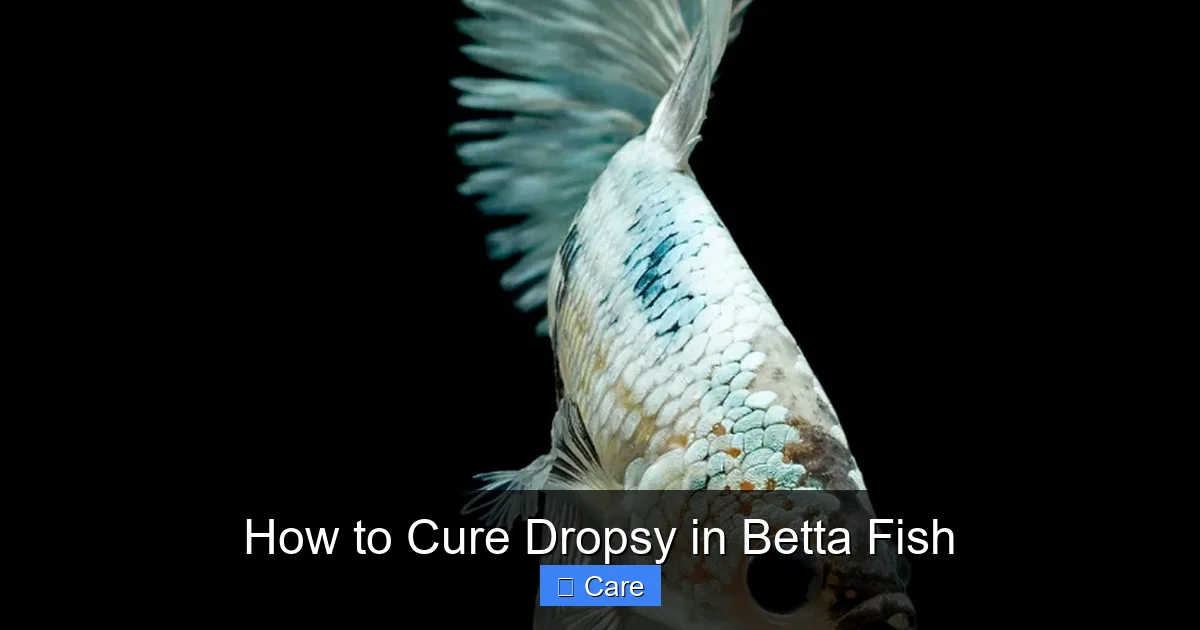
Visual guide about How to Cure Dropsy in Betta Fish
Image source: japanesefightingfish.org
Testing Water Parameters
Even if the fish looks okay, high ammonia (above 0 ppm), nitrite, or pH swings can set the stage for dropsy. Keep a log of water tests to catch problems early.
Step‑by‑Step Treatment Plan
1. Quarantine the Affected Betta
Move the sick betta to a separate, small tank (2‑3 gallons) with a sponge filter. This prevents disease spread and lets you control water conditions without disturbing other fish.
Visual guide about How to Cure Dropsy in Betta Fish
Image source: japanesefightingfish.org
2. Prepare Hospital Water
- Use a water conditioner that removes chlorine and chloramine.
- Set temperature to 78‑80 °F (25‑27 °C) – bettas thrive at 78°F.
- Keep pH stable around 6.5‑7.0.
3. Begin Antibiotic Therapy
Broad‑spectrum antibiotics are the frontline treatment. Two popular choices are:
- Maracyn 2 (Erythromycin + Minocycline): Dose 1 mL per 10 g of fish weight, dissolved in the hospital water, change water daily.
- Kanaplex (enrofloxacin): Dose 0.5 mL per 10 g, also changed daily.
Follow the package directions and continue treatment for at least 7‑10 days, even if the fish looks better.
4. Add Epsom Salt Baths
Epsom salt (magnesium sulfate) helps draw out excess fluid. Dissolve 1 teaspoon per gallon and give a 30‑minute soak once daily for the first three days. Watch the fish closely; if it becomes stressed, shorten the soak.
5. Boost Nutrition
Offer high‑protein, vitamin‑rich foods that are easy to digest:
- Frozen or live brine shrimp (once daily).
- Betta-specific pellets fortified with vitamin C.
- A small amount of boiled egg yolk (rich in vitamin A).
Feed small amounts 2‑3 times a day to avoid overloading the gut.
6. Perform Frequent Water Changes
Change 30‑50 % of the quarantine water every 12‑24 hours. This keeps ammonia at 0 ppm and removes waste that could re‑infect the fish.
7. Monitor and Adjust
Keep a daily log of:
- Water parameters (ammonia, nitrite, pH).
- Fish behavior (eating, swimming).
- Physical changes (abdominal size, scale condition).
If the fish’s condition worsens after 48 hours, consider switching antibiotics or consulting a vet.
Creating a Long‑Term Healthy Environment
Regular Tank Maintenance
- Weekly 25‑30 % water changes.
- Gravel vacuum to remove uneaten food and waste.
- Check filter media monthly; replace when dirty.
Optimal Water Parameters for Bettas
Stable water is the foundation of a strong immune system.
- Temperature: 78‑80 °F (25‑27 °C).
- pH: 6.5‑7.0.
- Ammonia & Nitrite: 0 ppm.
- Hardness: 3‑4 dGH (soft to moderately soft).
Feeding Practices That Prevent Dropsy
Overfeeding is a hidden danger. Feed only what the betta can consume in 2‑3 minutes, 2 times a day. Rotate protein sources to provide a balanced diet.
Quarantine New Arrivals
Any new fish, plants, or ornaments should spend 2‑4 weeks in a separate tank. This catches hidden parasites or bacteria before they enter the main display.
When to Seek Professional Help
Signs That Home Treatment Isn’t Working
- Persistent swelling after 7‑10 days of antibiotics.
- Continued lethargy or loss of appetite.
- Water parameters that won’t stay stable.
Finding a Vet Who Treats Fish
Search for an aquatic veterinarian or a vet clinic with a fish specialty. Bring a water sample, a photo of the betta, and a list of all medications used.
Conclusion: Hope and Care Go Hand in Hand
Dropsy can feel like a death sentence for a beloved betta, but it is often a reversible condition when caught early and treated aggressively. By watching for early signs, isolating the sick fish, using the right antibiotics, and maintaining pristine water, you give your betta the best chance to bounce back. Remember, prevention is just as important as cure—regular tank upkeep, proper feeding, and quarantine of newcomers create a strong defense against future outbreaks. Treat your betta with patience, consistency, and a little scientific know‑how, and you’ll likely see that swollen belly shrink and those glorious fins flare once again.
Frequently Asked Questions
What exactly causes dropsy in betta fish?
Dropsy is usually caused by a bacterial infection that damages the kidneys, leading to fluid buildup. Poor water quality and a weakened immune system can make a betta more susceptible.
Can I treat dropsy without medication?
Medication is the most effective way to clear the infection. Supportive care like Epsom salt baths and excellent water quality can help, but antibiotics are needed to target the bacteria.
How long does it take for a betta to recover?
Recovery time varies. Most bettas show improvement within 3‑5 days of proper treatment, but a full cure can take 7‑10 days of consistent care.
Is dropsy contagious to other fish?
Yes, the bacteria that cause dropsy can spread to other fish in the same tank, especially if water conditions are poor. Quarantine the sick fish immediately.
What should I feed a betta recovering from dropsy?
Offer easy‑to‑digest, high‑protein foods such as brine shrimp, high‑quality betta pellets, and a tiny amount of boiled egg yolk. Feed small portions multiple times a day.
Can I prevent dropsy completely?
While you can’t guarantee 100 % prevention, maintaining clean water, feeding a balanced diet, and quarantining new arrivals dramatically lower the risk.