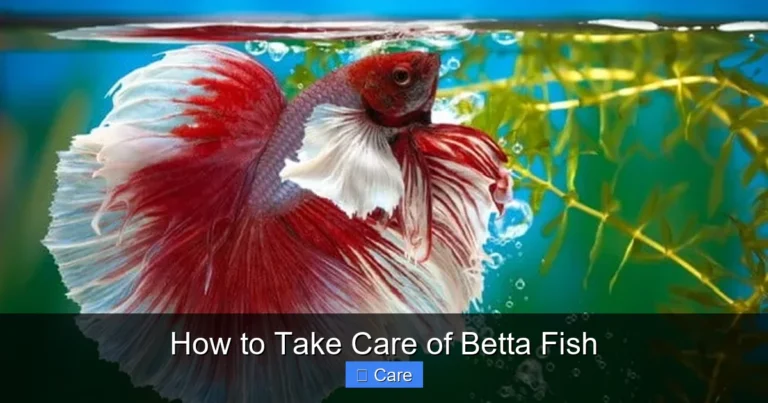
How Long Does Betta Fish Last With Proper Care Tips

Betta fish can live 3 to 5 years with the right care and environment. Many owners wonder how long does betta fish last when kept in small bowls or poor conditions. This guide covers tank size, water quality, and diet tips to help your fish thrive. You will learn simple steps to extend your betta’s life and avoid common mistakes.
Key Takeaways
- Average Lifespan: Betta fish typically live 3 to 5 years with proper care.
- Tank Size Matters: A 5-gallon tank or larger supports better health and longevity.
- Water Quality: Clean, warm water with proper filtration prevents disease and stress.
- Diet Impact: High-quality pellets and occasional treats keep bettas strong and active.
- Stress Reduction: Quiet environments and hiding spots help bettas feel safe and live longer.
- Health Monitoring: Watching for signs of illness early can save your fish’s life.
- Consistent Care: Regular water changes and stable temperatures are key to long life.
How Long Does Betta Fish Last With Proper Care
Many new fish owners ask how long does betta fish last before buying one. The answer depends on many factors. Some bettas live only a year in bad conditions. Others reach five years or more with great care. You can help your fish live a full life by learning the basics.
Betta fish are popular pets. They look beautiful and show unique personalities. People often keep them in small bowls because they look small. But small bowls do not give enough space. Poor water quality also hurts their health. This short guide will show you what to do instead.
You will learn about tank setup, water care, feeding, and stress reduction. Each part plays a role in your fish’s lifespan. Small changes can make a big difference. Let us start with the basics of betta life expectancy.
Understanding Betta Fish Lifespan
Betta fish usually live 3 to 5 years in good conditions. Some may reach six years with excellent care. The first year is often the easiest. After that, health issues can appear if care is poor. Age affects energy, color, and appetite too.
Many factors change how long a betta lives. Genetics play a role. Some fish come from strong lines. Others may have weak immune systems. Environment matters just as much. Clean water, proper temperature, and good food help fish stay healthy.
You can also look at how bettas behave as they age. Older fish may swim slower. They may rest more on leaves or the tank bottom. This is normal if they still eat and breathe well. Sudden changes are not normal. Those signs need quick attention.
Quick Tip: Keep a simple log of your fish’s behavior. Note eating habits, color changes, and activity levels. This helps you spot problems early.
Do Betta Fish Like A Lot Of Space
Space is one of the biggest factors in betta health. Many people think bettas live happily in tiny cups or bowls. That idea is not true for long-term care. Betta fish need room to swim and explore. They also need stable water conditions. Small volumes of water change temperature and chemistry too fast.
A larger tank gives more stable water. It also supports better filtration. This means less stress for your fish. Less stress leads to better immunity. Better immunity helps answer the question of how long does betta fish last in a healthy home.
Bettas also like calm water. Strong currents can tire them out. They prefer gentle flow and places to rest. Plants, rocks, and hides give comfort. These features make the tank feel safe. A safe fish is a healthier fish.
Quick Tip: Start with at least a 5-gallon tank. Bigger is usually better for water stability.
Choosing The Right Tank Size
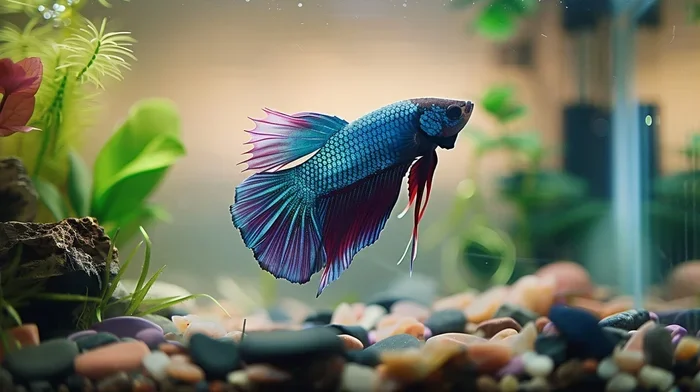
Tank size affects water quality and fish comfort. Small tanks are harder to manage. Waste builds up faster. Temperature swings happen more often. These issues can shorten a betta’s life.
Here is a simple comparison to help you choose:
Tank Size | Suitability for One Betta | Notes
5 gallons | Good | Stable water, easier care
10 gallons | Better | More swimming space, easier maintenance
20 gallons | Great | Room for plants and gentle tank mates
Bowl under 2 gallons | Poor | Unsafe for long-term care
A 5-gallon tank is a solid minimum. It gives enough water to dilute waste. It also holds heat better than a tiny bowl. A 10-gallon tank is even easier to maintain. You get more space for decor and a more stable environment.
If you want to know how long does betta fish last in different setups, tank size is a major clue. Better space usually means better health. Better health usually means a longer life.
Common Mistake: Choosing a tiny tank because it looks cute. Cute is not the same as healthy.
Water Quality And Filtration Needs
Water quality is the heart of betta care. Dirty water causes stress and disease. It can also damage gills and fins. Clean water supports breathing, swimming, and feeding. That is why filtration and regular maintenance matter so much.
Bettas do not need strong currents. They need clean water with gentle movement. Many owners ask do betta fish like air filters because they want to keep water safe without stressing the fish. A soft filter can help remove waste and keep water clear. The key is low flow.
You should also test water regularly. Ammonia and nitrite should stay at zero. Nitrate should stay low. pH should remain stable. Sudden changes are harmful. Consistent water parameters help fish feel secure.
Water changes are important too. Partial changes remove waste and refresh minerals. They also help control nitrate levels. Do not replace all the water at once. That can shock your fish. Small, regular changes work best.
Quick Tip: Use a gentle sponge filter or a low-flow hang-on-back filter. Adjust the output to keep water calm.
If you want more details on filtration and airflow, you can read about do betta fish like air filters and do betta fish like air pump circulation.
Do Betta Fish Have To Come Up For Air
Bettas have a special organ called the labyrinth. This organ lets them breathe air from the surface. That is why they sometimes gulp at the top. It is normal behavior. It does not always mean the water is bad.
Still, surface breathing can increase when oxygen in the water is low. Warm water holds less oxygen. Poor circulation can also reduce oxygen levels. If your betta comes up often, check the water and flow. Make sure the tank is not too warm.
This trait also affects how bettas use their space. They may rest near the surface or on leaves. That is why calm water and resting spots matter. A comfortable betta will move naturally through the tank. It will not feel forced to gasp for air all the time.
Expert Insight: A healthy betta breathes air occasionally and swims comfortably below the surface. Constant gasping is a warning sign.
For more on breathing habits, you can explore do betta fish have to breathe air and do betta fish have to come up for air.
Feeding Habits And Diet Quality
Food affects energy, color, and immune health. A poor diet can lead to weak fish and short lives. A good diet supports growth and vitality. Betta fish are carnivorous by nature. They need protein-rich food.
High-quality betta pellets should be the main food. They are made for their dietary needs. You can also offer frozen or live treats sometimes. Bloodworms and brine shrimp are popular choices. Treats should stay occasional, not daily. Overfeeding causes obesity and dirty water.
Feed small amounts at a time. A betta’s stomach is roughly the size of its eye. That is a helpful guide for portion control. Feed once or twice a day. Remove uneaten food after a few minutes. Clean water starts with smart feeding.
If you wonder do betta fish have treats for a snack, the answer is yes. Treats can be fun and useful. Just keep them balanced. Too many treats can cause problems.
Quick Tip: Fast your betta one day a week if it looks overweight or sluggish. Many fish handle short fasts well.
You can learn more about snack options in do betta fish have treats for a snack.
Signs Of Aging And Health Monitoring
As bettas age, their behavior changes slowly. They may rest more. Their fins may look less bright. Appetite may drop a little. These changes can be normal if they happen gradually. Sudden hiding, sinking, or loss of color is different. Those signs may point to illness.
Watch for common health clues. Clamped fins can mean stress. White spots may signal a parasite. Frayed fins can show injury or infection. Bloating may come from overfeeding or internal issues. Early action helps a lot.
It is also useful to know can you tell how old a betta fish is by looking. You can guess age by size, fin condition, and behavior. But exact age is hard to know without records. That is why keeping notes helps. Good records make health checks easier.
Common Mistake: Waiting too long when a fish looks off. Small issues can grow fast in fish.
Quick Tip: Check your betta daily. Look at eyes, fins, scales, and breathing. Small observations prevent big problems.
Temperature, Stress, And Environment
Temperature control is very important. Bettas are tropical fish. They prefer warm water. Cold water slows their body functions. It can weaken their immune system. Too-hot water can also stress them. Stable temperature is the goal.
A simple heater and thermometer help a lot. Keep the water in a safe tropical range. Avoid placing the tank in direct sunlight or near drafts. Both can cause swings. Stable conditions reduce stress and support longer life.
Stress comes from many places. Loud noise, constant tapping on the glass, and frequent moves can bother fish. Even bright lights can feel harsh if there are no hiding spots. Give your betta places to rest and hide. Calm surroundings help fish feel secure.
If you want to know do betta fish like a lot of space, the answer is yes, within reason. They do not need huge open water. They need enough room, stable conditions, and safe zones. A balanced setup works best.
You may also find it helpful to read do betta fish like a lot of space and do betta fish like 10 gallon tank for more setup ideas.
Compatibility And Social Stress
Bettas are often kept alone. That is usually the safest choice. Males can be aggressive toward other males. They may also chase slow or flashy tank mates. Stress from conflict can weaken a fish over time. Less conflict means less strain on the body.
Some owners want company in the tank. If you add other fish, choose calm and simple species. Avoid fin-nippers and aggressive fish. Watch behavior closely at first. Remove any fish that causes stress. A peaceful tank supports better health.
You may also ask do betta fish have to be kept alone. Many do best alone. Some can live with careful tank mate choices. The key is observation. If the betta looks stressed, simplify the tank.
For more on social behavior, you can check do betta fish know their owner and do betta fish kiss to understand how bettas interact.
Growth, Size, And Long-Term Expectations
Bettas are not tiny forever. They grow to a moderate size. Their fins can also develop over time. Some types have shorter fins. Others have longer, flowing fins. Fin type can affect swimming style and care needs. Longer fins may need cleaner water and calm flow.
People often wonder do betta fish grow and how big they get. Size depends on genetics, diet, and care. A well-fed betta in a good tank usually develops better than one in poor conditions. Healthy growth supports a stronger body.
Different varieties also have different looks. Some owners like koi patterns or colorful mixes. If you are curious about fin shape and variety traits, you can read do any of the koi betta fish have long fins and can female betta fish have long fins.
Quick Tip: Focus on health first, color second. A strong fish is more important than a perfect look.
Daily Care Routine For A Longer Life
A simple routine keeps care manageable. You do not need complicated steps. You need consistency. Here is a practical daily and weekly plan.
Daily care:
– Check temperature and fish behavior
– Feed measured portions
– Remove leftover food
– Look for signs of stress or illness
Weekly care:
– Test water parameters
– Do a partial water change
– Clean filter media in tank water
– Wipe algae from the glass if needed
Monthly care:
– Review overall tank setup
– Check equipment function
– Replace worn items if needed
– Adjust feeding if the fish is too thin or too round
This routine helps keep water stable. Stable water reduces stress. Lower stress supports a longer life. That is one of the best answers to how long does betta fish last when owners stay consistent.
Common Mistake: Cleaning too aggressively. Rough maintenance can remove beneficial bacteria and shock the tank.
Expert Insight: Consistency beats perfection. A simple routine done regularly is better than occasional deep cleaning.
Troubleshooting Short Lifespan Problems
If a betta does not live long, several causes are common. Poor water is a top reason. Overfeeding is another. Wrong temperature also causes trouble. Stress from tank mates or loud environments can weaken fish too.
Start by checking the basics. Test water quality. Confirm the heater works. Make sure the filter is gentle but effective. Review feeding amounts. Look at the tank size and decor. Fix one issue at a time so you can see what helps.
Sometimes the problem is disease. In that case, isolate the fish if possible. Treat carefully and follow product directions. Do not guess with random medications. Proper diagnosis matters.
If you are worried about survival during short absences, you may ask can betta fish last week without food. Short gaps can be manageable, but planning is better. Automatic feeders or a trusted helper can reduce risk.
For more on feeding gaps, see can betta fish last week without food.
Final Thoughts On Betta Longevity
Betta fish can live a long time when care is thoughtful. The biggest keys are clean water, warm stable temperatures, good food, and low stress. Tank size matters too. So does gentle filtration and regular maintenance.
When people ask how long does betta fish last, the real answer is that care shapes the result. A betta in a poor setup may struggle quickly. A betta in a stable, calm tank can thrive for years. You have a lot of control over that outcome.
Focus on the basics first. Build a simple routine. Watch your fish closely. Make small improvements over time. That approach gives your betta the best chance at a full and healthy life.
Frequently Asked Questions
How long does betta fish last on average?
Most betta fish live 3 to 5 years with proper care. Some can reach longer if the tank, water, and diet are excellent. Poor conditions can shorten their life a lot.
What tank size helps a betta live longer?
A 5-gallon tank is a good minimum for one betta. Ten gallons is even better for stable water and easier maintenance. Small bowls usually cause faster water problems.
Do betta fish need a filter?
Yes, filtration helps keep water clean and safe. A gentle filter is best because bettas prefer calm water. Strong flow can stress them out.
How often should I feed a betta fish?
Feed small amounts once or twice a day. Remove uneaten food quickly to keep water clean. Occasional treats are fine, but pellets should be the main diet.
Can a betta fish live with other fish?
Bettas can sometimes live with peaceful tank mates, but many do best alone. Males can be aggressive, especially toward other males. Watch behavior closely and separate fish if needed.
What are signs that a betta is unhealthy?
Watch for clamped fins, white spots, bloating, fading color, or constant gasping at the surface. Sudden hiding or sinking can also be warning signs. Early care gives the best chance of recovery.