How Big Do Betta Fish Grow Complete Size Guide

Betta fish are small but stunning aquarium pets that usually reach 2 to 3 inches in length. Their final size depends on genetics, diet, tank conditions, and overall care. Understanding how big do betta fish grow helps you plan the right habitat and avoid common size myths. With proper nutrition and clean water, your betta can reach its full healthy potential.
If you just brought home a tiny, colorful betta, you probably wonder how big do betta fish grow and when they will reach their full size. It is a very common question, especially for new fish keepers. The good news is that bettas are fairly predictable once you know what affects their growth. They are not going to turn into giant aquarium monsters, but they do need the right care to reach a healthy adult size.
In this guide, we will walk through the typical size of betta fish, how fast they grow, and what you can do to support healthy development. We will also clear up a few common myths about betta size and tanks. By the end, you will know what to expect and how to give your betta the best chance to thrive.
Key Takeaways
- Average adult size: Most healthy bettas reach 2 to 3 inches, with some males growing slightly larger.
- Growth timeline: Bettas grow quickly in their first few months, then slow down as they reach maturity.
- Tank size matters: A spacious, clean tank supports better growth than a tiny, cramped bowl.
- Diet drives development: High-protein foods and varied feeding help fins and bodies develop properly.
- Genetics play a role: Some lines naturally stay smaller, while others grow bigger and more robust.
- Fin length can be misleading: Long, flowing fins make a betta look larger, even when the body is still small.
- Healthy care equals better size: Good water quality, low stress, and proper temperatures help bettas reach their best size.
📑 Table of Contents
How Big Do Betta Fish Grow on Average
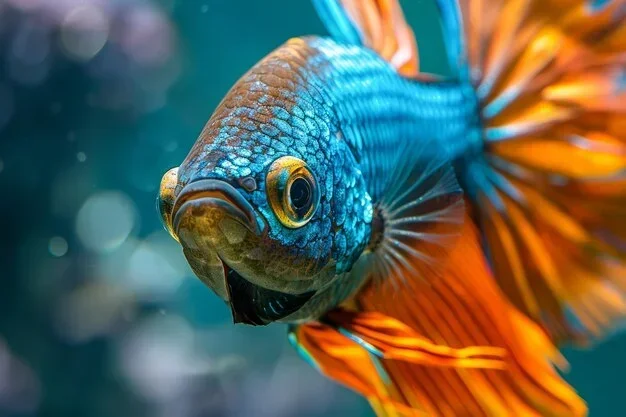
When people ask how big do betta fish grow, they usually want a simple number. For most healthy adult bettas, that number is somewhere around 2 to 3 inches from nose to tail base. The tail fin itself can add a lot more length, especially in long-finned varieties, but the body size is what matters most for overall growth.
Male bettas often look more impressive because they tend to have longer fins and brighter colors. That can make them seem larger than they really are. Females are usually a little shorter in body length and have shorter fins, so they may appear smaller overall. Still, both males and females generally fall into that same basic size range when they are fully grown.
It helps to remember that “size” can mean different things. Some keepers look at total length including the fins. Others focus on body length only. If you are trying to compare your betta to online photos, keep this in mind. A betta with huge flowing fins may look much bigger than a short-finned plakat type, even if the actual bodies are similar.
Body Size Versus Fin Size
One of the easiest mistakes to make is confusing fin length with true body growth. Long fins can be beautiful, but they do not always mean the fish is bigger in body size. A betta with dramatic fins may have a shorter body than a more compact betta with modest fins.
If you want to track real growth, focus on the body. Look at the distance from the nose to the base of the tail. That gives you a much better idea of how big the fish actually is. Fin size can change with breeding, age, and even water conditions, so it is not always the best measure of overall growth.
Different Betta Types and Their Size
Not every betta looks the same. Traditional long-finned bettas are what many people picture first. Plakat bettas have shorter fins and a more streamlined shape. Some ornamental varieties are bred for huge fins, while others are bred for a sturdier body. These differences affect how large a betta appears and sometimes how large it grows.
Even within the same type, there is natural variation. Two bettas from different breeders may reach slightly different adult sizes. That is normal. Asking how big do betta fish grow is really more about a range than a fixed number. Most will land in that 2 to 3 inch body range, but small differences are common and healthy.
How Fast Do Betta Fish Grow
Bettas do not stay tiny forever. They grow most rapidly during their early months, then the pace slows as they get older. If you have a young betta, you may notice visible changes from one month to the next. If you have an adult betta, the changes will be much more subtle.
In the beginning, a betta fry or baby betta is very small and needs tiny food. As it survives that fragile stage and starts eating well, growth can be quite fast. Once the fish reaches adolescence, it keeps developing but not as dramatically. Eventually it settles into its adult form.
If you are curious about the early stages, you may also want to read about how baby betta fish grow so you know what to expect from the youngest stages. That can be especially helpful if you are raising fry or buying a very young fish.
Growth in the First Few Months
During the first few months, a betta is building its body, fins, and color. Good food matters a lot here. Tiny, frequent meals of appropriate foods help young bettas develop steadily. Clean water also plays a big role, because poor water can slow growth or make young fish sick.
You may see a young betta gain noticeable length and bulk over a short time. This is the stage where care has the biggest impact. A well-fed, low-stress young betta is more likely to reach a strong adult size than one that struggles early on.
Growth After Adolescence
Once a betta passes the fast-growing juvenile stage, the changes become slower. The fish may fill out a bit more and its fins may continue to develop. Some bettas seem to “bloom” as their fins get longer and more impressive with age.
At this point, the question how big do betta fish grow becomes less about rapid size increases and more about maintaining health. A healthy adult betta can keep looking better over time, even if it is not getting much longer. Good care helps it keep its color, fin condition, and overall shape.
What Affects Betta Fish Size
Betta size is not random. Several factors work together to shape how large a betta becomes. If you want your fish to reach a healthy adult size, it helps to understand these influences instead of hoping for magic results.
The main factors usually include genetics, nutrition, tank environment, water quality, and stress levels. Each one matters on its own, but they also interact. A great diet will not fully make up for very poor water, and a large tank will not help much if the fish is constantly stressed.
Genetics and Breeder Selection
Genetics set the basic range for each betta. Some fish are simply bred to be more compact, while others are selected for larger bodies or longer fins. If a betta comes from parents that were small and weak, it may stay smaller. If it comes from strong, healthy stock, it may have a better chance to grow well.
This is one reason why how big do betta fish grow can vary from fish to fish. You can not change a betta’s genes, but you can choose healthy stock when possible. A lively, alert young betta with good color and smooth fins is often a better starting point than a weak or faded one.
Diet and Nutrition
Food is one of the biggest day-to-day factors in growth. Bettas are carnivorous by nature, so they do best on protein-rich foods. A varied diet can help them develop better than a very limited one. Think of it like this: a balanced diet supports stronger bodies and fins, while a poor diet can leave a betta thin or dull.
Helpful feeding habits include:
- Offering high-quality betta pellets as a staple
- Adding occasional frozen or live foods for variety
- Feeding small portions instead of overfeeding
- Watching for a rounded, healthy body shape
If you want to know whether your betta is getting enough nutrition, look at its body and energy. A well-fed betta usually has a fuller shape and steady activity. A very thin betta may need better food or a health check.
Tank Size and Environment
Many people wonder whether a bigger tank really matters for growth. The short answer is yes, because space affects water quality, swimming room, and stress. A tiny bowl can make it harder to keep water clean and stable, which can limit healthy development.
A better setup usually gives your betta more stable conditions. That does not mean you need a giant tank, but you do want enough room for good filtration and warm, clean water. If you are deciding on a home for your betta, you may find it useful to explore whether betta fish do well in big tanks before you choose your setup.
A comfortable environment also helps reduce stress. Stress can suppress appetite and weaken a fish over time. So a calm, stable tank can indirectly support better growth by helping your betta eat and behave normally.
Water Quality and Temperature
Clean water is one of the most important parts of betta care. Poor water can lead to stress, illness, and slower growth. On the other hand, stable water with good filtration and regular maintenance helps a betta stay healthy and active.
Temperature matters too. Bettas are tropical fish, so they need warm water that matches their natural preferences. If the water is too cold, they may become sluggish and eat less. That can affect their growth and overall condition.
If you are curious about water conditions, you might also look into whether betta fish like acidic water, since pH and water chemistry can affect comfort and health. The main goal is stable, clean, and appropriate water rather than chasing perfect numbers.
Common Myths About Betta Fish Size
There are a lot of myths around betta size, and they can confuse new keepers. Some people think bettas stay tiny no matter what. Others think they grow much larger than they really do. Both ideas can lead to poor care choices.
One common myth is that bettas are happy in extremely small containers forever. Another is that they will automatically grow huge if you feed them more. In reality, healthy growth is about balance, not extremes. Overfeeding can cause obesity and health problems, not bigger size in a good way.
Myth: Bettas Stay Tiny Forever
Bettas do stay relatively small compared with large aquarium fish, but they do grow. A baby betta will not remain baby-sized. It will develop into an adult with a body length that usually falls in the expected range. If your betta seems to stay very small, it may be due to poor care, stunted growth, or natural variation rather than a rule that all bettas stay tiny.
Myth: Bigger Tank Always Means Bigger Fish
A better tank can support healthier growth, but it does not force a betta to become much larger than its genetics allow. Tank size helps with water stability, swimming space, and overall wellbeing. It is not a magic growth booster. A betta in a huge tank can still stay within the normal size range if that is what its body is meant to be.
If you are comparing setups, you may also want to read about whether betta fish like a lot of space, because space and comfort are related even if size is not directly controlled by the tank alone.
How to Support Healthy Betta Growth
If you want your betta to grow well and stay healthy, focus on the basics. Good care is usually simple, but it needs to be consistent. You do not need fancy tricks. You need clean water, proper food, stable warmth, and a calm environment.
Here are some practical ways to support healthy development:
- Keep the tank clean with regular partial water changes
- Maintain a stable, warm temperature suited to bettas
- Feed a balanced, protein-focused diet in sensible portions
- Avoid overcrowding and aggressive tank mates
- Watch for signs of stress, fin damage, or illness early
Best Feeding Practices
Feeding is one of the easiest ways to help your betta develop properly. Small, regular meals are usually better than one huge feeding. Bettas can bolt food quickly, but that does not mean they need constant overfeeding. Too much food can foul the water and cause health issues.
A healthy feeding routine often includes a staple pellet food plus occasional variety. Variety can make meals more interesting and support better nutrition. Just make sure any treats are appropriate for bettas and given in modest amounts.
Ideal Tank Setup for Growth
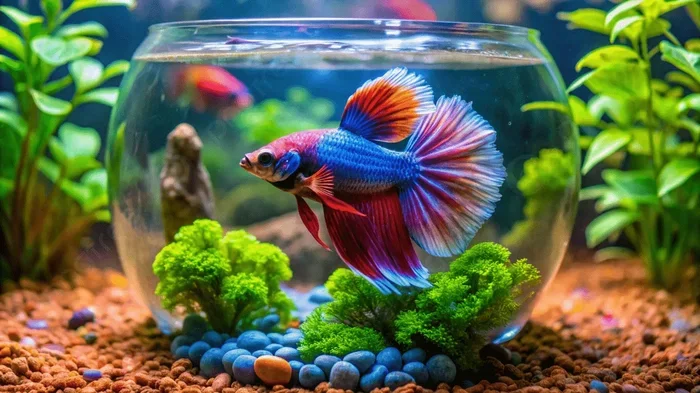
A good tank setup gives your betta room to move, clean water to live in, and a stable environment to thrive in. Gentle filtration is often helpful because it keeps water cleaner without creating strong currents. Bettas usually prefer calm water over fast flow.
If you are setting up your first tank, you may also want to check whether betta fish like air pump circulation so you can choose equipment that keeps the water healthy without stressing your fish. The best setup is one that balances cleanliness, warmth, and comfort.
Decorations matter too. Soft plants and smooth ornaments are usually safer than sharp objects that can tear fins. Healthy fins matter for a betta’s appearance and comfort, and if fin damage does happen, it is worth learning about whether betta fish can grow new fins so you know how recovery works.
When to Worry About Betta Size
Most of the time, a betta growing slowly is not an emergency. Growth can vary, and some fish are just smaller by nature. Still, there are signs that suggest a problem rather than normal variation. If your betta is very thin, lethargic, losing color, or showing fin damage, it may need closer attention.
A betta that stops eating, hides all the time, or looks pinched and weak may be struggling. In that case, the issue is usually health or environment rather than simple size. Improving water quality, checking temperature, and reviewing diet are good first steps.
Signs of Stunted or Unhealthy Growth
Unhealthy growth is not always about being small. It can also show up as a bent body, poor color, torn fins, or a sunken appearance. These signs can point to long-term stress, poor water, or illness. If you notice them, it is smart to act early instead of waiting.
Sometimes a betta looks small because its fins are damaged or its body is stressed. If you are concerned about recovery after an injury, you may find it helpful to read whether betta fish can grow their scales back and learn how the fish heals over time.
When Size Is Normal but Fins Look Different
Sometimes the body is fine, but the fins look uneven or shorter than expected. That can happen for many reasons, including wear, injury, or breeding type. If you are trying to understand fin development, it can help to look at whether betta fish grow dorsal fins as part of normal fin development. Fins can be a tricky part of betta size because they change more than the body does.
If your main question is still how big do betta fish grow, remember that a healthy betta is more important than a perfectly sized one. A smaller but lively, colorful, and active betta is usually doing better than a bigger one that looks stressed or sick.
Quick Tips for Tracking Betta Growth
If you want to keep an eye on your betta’s development, simple observation goes a long way. You do not need fancy tools. A regular look at body shape, activity, appetite, and fin condition can tell you a lot.
- Check body shape: a healthy betta should look full, not pinched
- Watch appetite: steady eating usually signals good condition
- Notice activity: alert movement is a good sign
- Look at fins: intact, smooth fins suggest good health
- Compare over time: small changes matter more than one glance
Taking a few notes or photos can help you spot changes. That makes it easier to tell whether your betta is developing normally or whether something needs attention.
Conclusion
So, how big do betta fish grow? For most healthy adults, the body reaches about 2 to 3 inches, with fins adding extra visual length. Growth is fastest in the early months and then slows as the fish matures. Genetics, diet, tank conditions, water quality, and stress all shape the final result.
The best way to support your betta is to keep things simple and steady. Feed it well, keep the water clean and warm, and give it a calm place to live. If you do that, your betta has a much better chance of reaching a healthy adult size and looking its best. A happy betta is not just about size. It is about overall health, color, comfort, and vitality.
Frequently Asked Questions
How big do betta fish grow in a tank?
Most healthy bettas grow to about 2 to 3 inches in body length in a tank. Their fins may add more visual length, especially in long-finned types. Good water, warm temperatures, and proper food help them reach a healthy adult size.
Do betta fish grow bigger in a larger tank?
A larger tank can support healthier growth because it usually offers better water stability and more swimming room. However, it does not force a betta to become much bigger than its genetics allow. Tank size helps comfort and health more than it changes maximum body size.
How fast do betta fish grow?
Bettas grow fastest during their early months, then the rate slows as they mature. Young bettas can show noticeable changes over a short time if they are well fed and kept in clean water. Adults mostly maintain their size rather than growing quickly.
What size tank does a betta fish need to grow well?
A betta usually does best in a tank that is stable, clean, and warm, with enough space for gentle filtration and swimming. Very small containers can make water quality harder to manage. A comfortable setup supports better health and more natural development.
Why is my betta fish smaller than expected?
Your betta may be smaller due to genetics, age, diet, water quality, or stress. Some bettas are simply naturally compact. If the fish is also thin, weak, or inactive, it may need better care or a health check rather than just more time.
Do betta fish fins grow back if they are damaged?
Bettas can often regrow fins if the damage is not constant and the fish is healthy. Recovery depends on water quality, stress, and whether the cause of damage is removed. If fin damage keeps happening, it is important to fix the underlying problem.