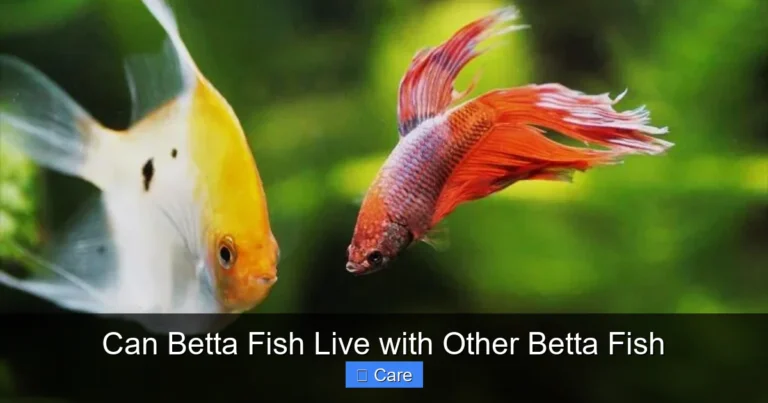
How Long Betta Fish Live

How long betta fish live depends almost entirely on the care they receive. While the average lifespan is 2-3 years, with optimal conditions—including a proper tank, clean water, a balanced diet, and stable temperature—it’s very common for bettas to live 4-5 years, and some even reach 7-10. Their short natural lifespan means every day of quality care counts. This guide breaks down exactly what you need to know to maximize your betta’s years and ensure a healthy, vibrant life.
Key Takeaways
- Genetics & Source Matter: A betta from a reputable breeder or store often has a stronger genetic foundation for longevity than one from a chain store or crowded “betta barracks.”
- Tank Size is Non-Negotiable: A minimum of 5 gallons is essential for health and lifespan. Small bowls or vases drastically shorten life due to poor water quality and lack of space.
- Water Quality is #1 Priority: A cycled filter and regular water changes (25-50% weekly) are the single most important factors in preventing stress and disease, directly impacting lifespan.
- Diet Must Be Varied & Appropriate: Overfeeding with low-quality pellets causes constipation and water pollution. A diet of high-quality pellets, frozen foods (brine shrimp, daphnia), and occasional fasting is key.
- Temperature Must Be Stable: Bettas are tropical fish requiring a constant 78-80°F (25.5-26.5°C). Fluctuations and cold water suppress the immune system, leading to illness and a shorter life.
- Stress is a Silent Killer: Loud noises, aggressive tank mates, reflections, and poor water conditions create chronic stress that weakens immunity and shortens lifespan significantly.
[FEATURED_IMAGE_PLACEHOLDER]
📑 Table of Contents
- Introduction: More Than Just a Pretty Face in a Bowl
- Understanding the Betta Lifespan: The Numbers and the Nuances
- The Five Pillars of Longevity: What Truly Determines Lifespan
- Common Health Issues That Shorten a Betta’s Life
- Creating the Perfect Betta Home: A Step-by-Step Guide
- Conclusion: Your Role in Their Story
Introduction: More Than Just a Pretty Face in a Bowl
You’ve probably seen them: the dazzling, flowing fins of a betta fish, often displayed in a small, clear cup at the local store. Their beauty is undeniable, but their living conditions often spark a crucial question for any potential owner: how long do betta fish live? The answer is a powerful lesson in animal care. The common, heartbreaking reality is that many bettas die within a year or two, often prematurely. But this doesn’t have to be the norm.
The truth about a betta’s lifespan is a story of two extremes. On one hand, with neglect—living in a tiny, unheated bowl on a cold windowsill—their life may be brutally short, sometimes only lasting a year or less. On the other hand, with informed, dedicated care, these resilient little fish can thrive for five, six, or even seven years or more, with some exceptional cases reaching a decade. This guide isn’t just about stating a number; it’s about unlocking the “how” and “why” behind that number. We will dive deep into every single factor that influences a betta’s longevity, from the water in their tank to the food on their plate, transforming you from a curious observer into a confident caretaker equipped to give your betta the long, healthy life they deserve.
Understanding the Betta Lifespan: The Numbers and the Nuances
When we talk about how long betta fish live, it’s helpful to start with averages, but immediately look beyond them. The widely cited average lifespan of a betta is 2-3 years. This figure, however, is heavily skewed by the poor conditions many bettas experience from birth to their final days. Think of it as a statistical average that includes all the bettas who never got a fair start.
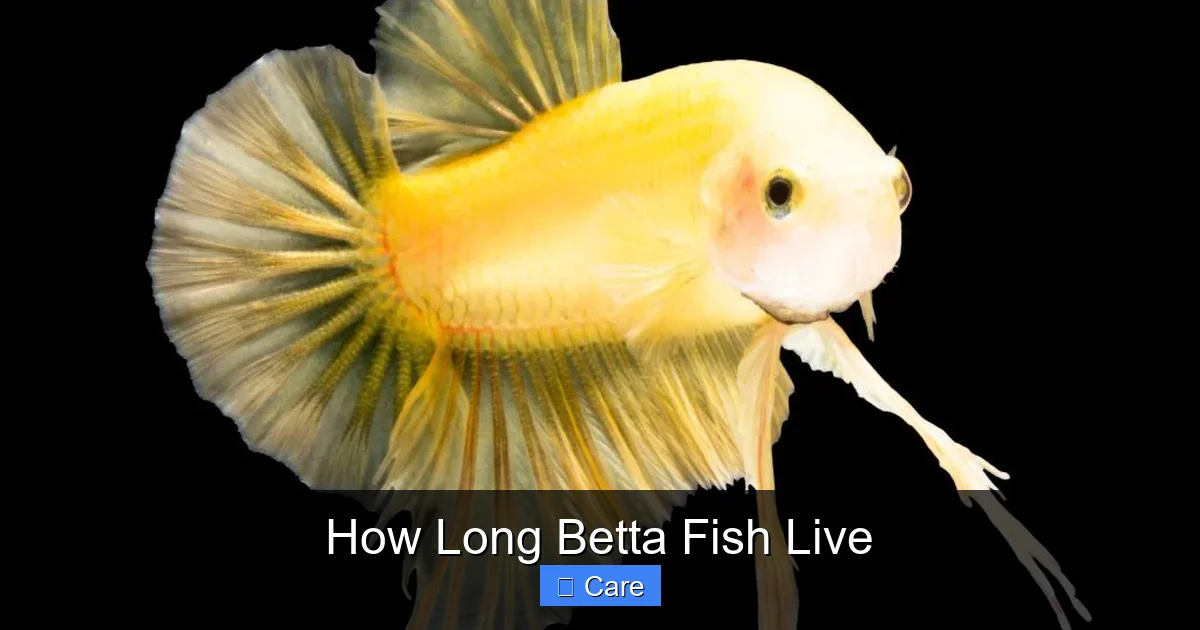
Visual guide about How Long Betta Fish Live
Image source: fishkeepingadvice.com
The Realistic Potential with Proper Care
For a betta that receives proper care from a young age (e.g., purchased at 3-4 months old), the realistic expectation shifts dramatically. In a well-maintained, filtered, heated tank of at least 5 gallons, with a consistent feeding and maintenance schedule, a lifespan of 4 to 6 years is very achievable. Many experienced betta keepers regularly report their fish living into their 5th, 6th, and even 7th year. The record for a captive betta is often cited as 10 years, though this is exceptional and requires flawless, obsessive care.
The Role of Genetics and Early Life
Just like with any animal, a betta’s genetic lottery plays a foundational role. Bettas from large-scale commercial operations, where they are bred for color and finnage at high volumes, may have weaker genetic lines more prone to immune deficiencies. Seeking out reputable local breeders or specialty stores that prioritize health over extreme fin types (like some half-moons with excessive drooping) can give your betta a genetic head start. The age at which you acquire them also matters. A younger betta has more potential years ahead, but an older fish from a good home can still thrive for years with you if transitioned carefully.
The Five Pillars of Longevity: What Truly Determines Lifespan
Genetics set the stage, but environment and care write the script. We can group the critical factors for a long betta life into five essential pillars. Neglect any one, and you risk significantly shortening your fish’s time with you.
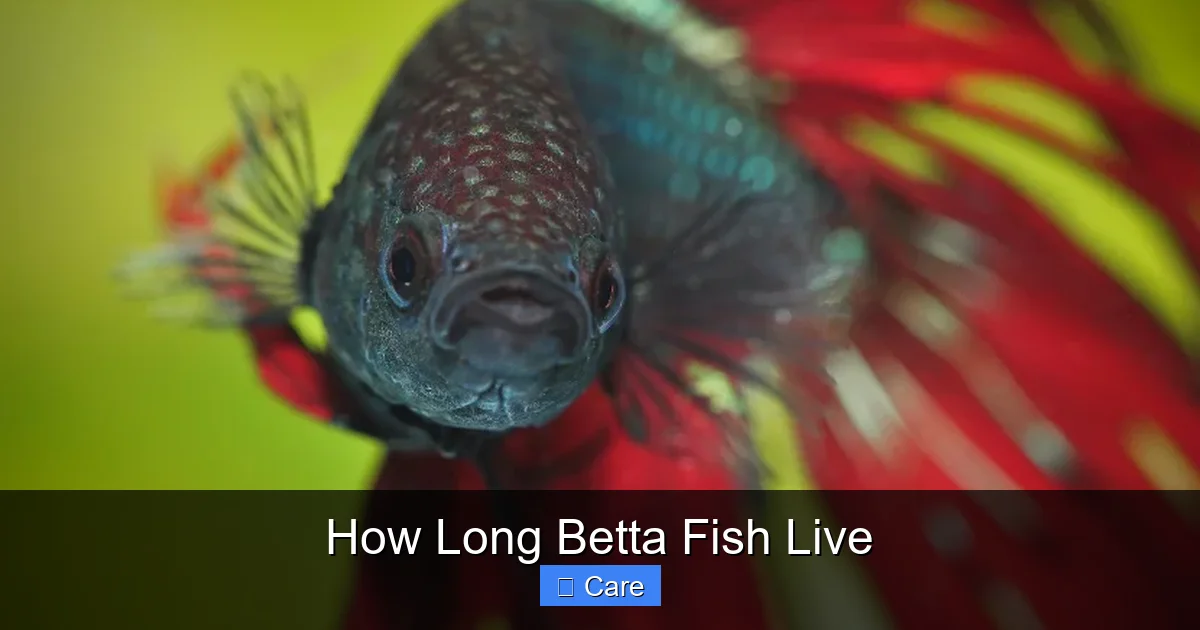
Visual guide about How Long Betta Fish Live
Image source: japanesefightingfish.org
1. Water Quality: The Unseen Foundation
This is the most critical, non-negotiable pillar. Bettas are labyrinth fish, meaning they breathe atmospheric air, but they still live in and are profoundly affected by their water. Poor water quality is the #1 cause of premature betta death, leading to ammonia poisoning, chronic stress, and opportunistic infections like fin rot or dropsy.
What “Good” Water Means: It means water that is cycled. A cycled tank has established beneficial bacteria that convert toxic fish waste (ammonia) into less harmful nitrites and then into nitrates. A brand-new tank or a bowl is “uncycled” and will constantly poison your betta with ammonia. You must cycle a tank for 4-6 weeks before adding a fish, using a water test kit to monitor ammonia, nitrite, and nitrate levels. For a single betta in a filtered 5-gallon tank, weekly water changes of 25-50% are required to keep nitrates low and remove other waste products. Never change 100% of the water at once, as this destroys beneficial bacteria and shocks the fish.
2. Tank Size & Environment: Space to Thrive
The myth of the betta in a bowl is perhaps the most damaging. A small vase or “betta cube” is a prison that leads to a short, stressful life. Why? Because there’s no dilution of waste. In 1 quart of water, a single betta’s waste creates toxic ammonia levels almost instantly. In 5 gallons, that same waste is diluted, and a filter can process it effectively.
The Minimum is 5 Gallons: A 5-gallon (19-liter) tank is the absolute bare minimum for a single betta. This volume provides stable water parameters, room for gentle filtration, and space to add plants and decorations. Why do they need plants? Bettas are intelligent, curious fish from dense, vegetated Asian rice paddies. They need hiding spots (live or silk plants, caves, driftwood) to feel secure. A bare tank causes stress. They also need resting spots—a betta will often sleep on a broad leaf or a hammock near the water’s surface since they need to access air. A larger tank (10+ gallons) is even better, offering more stable water and more enrichment.
3. Temperature & Heating: A Tropical Necessity
Bettas are tropical fish, native to the warm, shallow waters of Thailand. Their ideal temperature range is 78-80°F (25.5-26.5°C). Room temperature is almost always too cold and fluctuates too much. A consistently cold betta has a sluggish metabolism, a weakened immune system, and is prone to diseases like Ich (white spot disease).
You Need an Aquarium Heater: For any tank under 5 gallons in a typical room, a small, adjustable aquarium heater (25-50 watts) is mandatory. Use a reliable thermometer (a cheap stick-on or digital one) to verify the temperature. Avoid heaters with exposed coils that a curious betta might burn itself on. The goal is a stable, warm environment that mimics their natural habitat, not a boiling pot. Stability is key—sudden drops or spikes are as dangerous as being too cold.
4. Diet & Nutrition: Fuel for a Long Life
You are what you eat, and that applies to fish too. Overfeeding is the most common mistake, leading to constipation (a serious issue for bettas, causing swim bladder problems), obesity, and massive water pollution from uneaten food. Underfeeding or feeding low-quality food leads to malnutrition.
The Ideal Betta Diet: High-quality betta-specific pellets or granules should be the staple. Look for ones with whole fish or shrimp as the first ingredient. Soak dry pellets in tank water for a minute before feeding to prevent digestive issues. Supplement this 2-3 times a week with varied protein: frozen or live foods like daphnia, brine shrimp, or bloodworms (in moderation). These are natural laxatives and provide excellent nutrition. Feed only what they can eat in 2-3 minutes, once or twice a day. Implement a “fasting day” once a week where you feed nothing. This gives their digestive system a break and mimics natural feeding patterns. A well-fed betta will have a slightly rounded, not bloated, belly and vibrant, flowing fins.
5. Stress Reduction & Mental Wellbeing
Fish feel stress, and chronic stress is a killer. It floods the body with cortisol, suppressing the immune system and making the fish susceptible to every pathogen in the tank. Bettas are intelligent and territorial; their environment must cater to their psychological needs.
Major Stressors to Eliminate: Loud, sudden noises (banging on the glass, loud music near the tank), aggressive tank mates (betta fish are famously solitary and should almost never be housed with other fish, especially other males), their own reflection (if the tank is against a window or has mirrored sides, they may flare constantly, exhausting themselves), poor water conditions (again, this is huge), and inadequate hiding places. Provide a densely planted tank (real plants are best, but silk plants work) with multiple caves and cover. Use a gentle filter with a flow they can swim against, or baffle the output with a sponge. Keep the tank in a quiet, stable location away from direct sunlight (which causes algae and temperature swings) and high-traffic areas.
Common Health Issues That Shorten a Betta’s Life
Even with perfect care, bettas can fall ill. Early detection and correct treatment are vital to reversing a downturn and extending life.
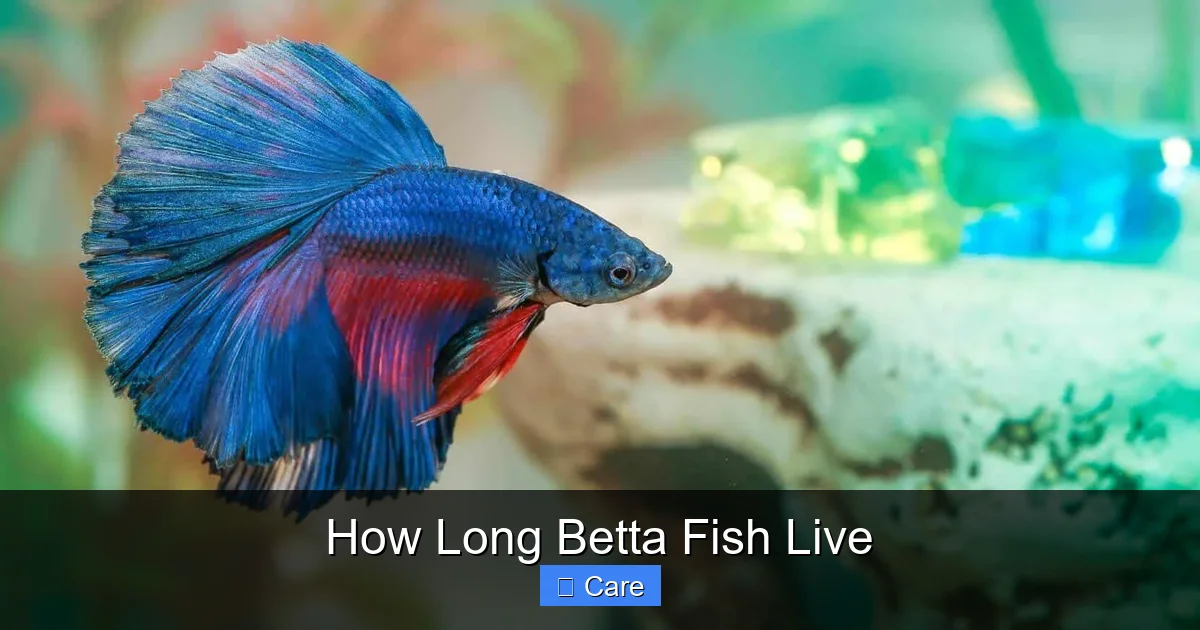
Visual guide about How Long Betta Fish Live
Image source: fishkeepingworld.com
Fin Rot & Columnaris
These are bacterial infections often triggered by poor water quality. Fin rot appears as frayed, torn, or rotting fin edges, sometimes with a white or black edge. Columnaris (cotton wool disease) shows as white, fluffy patches on the body or fins. Treatment: Immediate, aggressive water changes. Increase temperature slightly (to 80-82°F) to speed metabolism. Use a reliable antibacterial medication like Kanamycin or Furan-2 in a hospital tank. Salt baths (using aquarium salt, not table salt) can also help.
Swim Bladder Disorder (SBD)
This is a symptom, not a disease. The betta floats upside down, sinks, or swims erratically. The most common cause is constipation from overfeeding or poor diet. Treatment: Fast the fish for 3 days. Then, feed a cooked, skinned pea (dethawed frozen pea) or a small amount of daphnia to act as a laxative. If it persists after a few days, it could be a genetic issue or a sign of internal infection.
Ich (White Spot Disease)
This parasitic infection presents as tiny white salt-like spots on the body and fins. The fish will also “flash” or rub against objects. It’s often brought on by stress and temperature fluctuations. Treatment: Raise the tank temperature slowly to 82-84°F. Use a formalin or copper-based medication (carefully, as bettas are sensitive) for the full life cycle of the parasite (about a week). Salt can help in early stages.
The best “treatment” is prevention through the five pillars. A healthy betta in pristine water with a strong immune system will fight off most pathogens on its own.
Creating the Perfect Betta Home: A Step-by-Step Guide
Let’s translate the pillars into a concrete action plan. Setting up the right tank from day one is the greatest gift you can give your betta for a long life.
Tank & Equipment Checklist
- Tank: 5-gallon glass or acrylic aquarium. Larger is always better.
- Heater: 25-50 watt fully submersible, adjustable heater with an automatic shut-off. Use a thermometer to verify.
- Filter: A gentle hang-on-back (HOB) or sponge filter. Bettas dislike strong currents. If the filter flow is too strong, baffle it with a sponge or adjust the output.
- Lid: A secure lid is essential. Bettas are notorious jumpers and will leap to their death if given the chance.
- Substrate: Sand or smooth gravel. Avoid sharp edges that can tear delicate fins.
- Decor: Live plants (like Anubias, Java Fern, Marimo moss balls) are ideal for water quality and cover. Silk plants are a safe alternative. Provide at least 3-4 hiding spots of varying sizes. A betta leaf hammock near the top is a great resting spot.
- Water Conditioner: A dechlorinator to remove chlorine and chloramines from tap water.
- Water Test Kit: The API Freshwater Master Test Kit is the industry standard. You must test your water regularly.
The Nitrogen Cycle: Don’t Skip This!
This is the most important technical step. You cannot put a betta in an uncycled tank. Here’s the simplified version: Add an ammonia source (fish food or pure ammonia) to the empty, filtered, heated tank. Test daily. Bacteria will grow to eat the ammonia, producing nitrite. Then, a second bacteria will grow to eat the nitrite, producing nitrate. When your tests show 0ppm ammonia, 0ppm nitrite, and a low, manageable nitrate (e.g., 20-40ppm), the tank is cycled and safe for your betta. This process takes 4-6 weeks. You can speed it up with bacterial supplements like Tetra SafeStart or Fritz Zyme 7.
Introducing Your Betta
Once the tank is cycled and at the correct temperature, acclimate your betta slowly. Float the sealed bag in the tank for 15-20 minutes to equalize temperature. Then, open the bag and add a cup of tank water to it. Wait 15 minutes, repeat. After 30-45 minutes of gradual dilution, gently net your betta from the bag and place it in the tank. Discard the bag water—it’s full of waste. Do not feed for 24 hours. This process reduces shock and gives them a clean start.
Conclusion: Your Role in Their Story
So, how long do betta fish live? The answer is now in your hands. The biological potential is 5-7 years, a significant commitment for a small pet. But that potential is only realized through the daily, intentional choices you make as a caretaker. It’s the decision to invest in a 5-gallon tank instead of a vase. It’s the discipline of a weekly water change. It’s the patience to research proper food and the diligence to maintain a stable temperature. It’s understanding that their vibrant colors and flowing fins are not just for show; they are indicators of a healthy, unstressed, and thriving life.
By moving beyond the myth of the low-maintenance bowl fish and embracing the role of an attentive aquarist, you do more than just keep a fish alive. You become the steward of a fascinating, personality-filled creature. You get to watch their curious explorations, their territorial displays at their reflection (which you’ll eliminate with proper tank placement), and their peaceful rest on a broad leaf. You build a bond that lasts for years. The betta’s lifespan is a direct reflection of the care it receives. Treat it not as a decoration, but as a living being with specific needs, and you will be rewarded with a companion whose beauty is matched by its resilience and vitality for a very long time.
Frequently Asked Questions
What is the absolute minimum tank size for a betta fish?
The absolute minimum is 5 gallons. Anything smaller (like the infamous “betta bowls” or vases) cannot support stable water parameters, leading to rapid ammonia buildup, stress, and a drastically shortened lifespan. A 5-gallon tank with a filter and heater is the starting point for responsible care.
Can betta fish live with other fish?
Generally, no. Male bettas are highly territorial and aggressive, especially towards other fish with long, flowing fins (like guppies or fancy goldfish). They are best kept as the sole inhabitant of a species-only tank. In very large, heavily planted tanks (20+ gallons) with careful selection of peaceful, fast-moving tank mates like ember tetras or harlequin rasboras, it *might* work, but it carries significant risk and is not recommended for beginners.
How often should I change the water in my betta tank?
For a properly cycled 5-gallon tank with a filter, you should perform a 25-50% water change once a week. Use a gravel vacuum to remove debris from the substrate during the change. Always treat the new water with a dechlorinator and match its temperature as closely as possible to the tank water before adding it.
Why is my betta fish not eating?
A lack of appetite is usually a sign of stress or poor water quality. First, test your water for ammonia, nitrite, and nitrate. Perform a water change if parameters are off. Check your heater—is the temperature in the correct 78-80°F range? Ensure you are feeding high-quality food and not overfeeding. Sometimes, a new betta may not eat for a day or two while adjusting to its new home. If the refusal to eat persists for more than 3 days, investigate for signs of illness (clamped fins, lethargy, spots).
Do betta fish need a filter?
Yes, absolutely. A filter is essential for maintaining water quality by housing beneficial bacteria and physically removing debris. It also creates water circulation, which is vital for gas exchange at the surface. The key is to choose a filter with an adjustable, gentle flow that your betta can swim against without being pushed around. A sponge filter is an excellent, gentle option for small tanks.
How can I tell if my betta is happy and healthy?
A healthy, happy betta will be active and curious, exploring its tank. Its fins will be held erect and flowing (not clamped tightly against the body). Its colors will be bright and vivid. It will eat readily at feeding time. It will build bubble nests (a sign of contentment, even without a female present). It will rest on plants or a hammock but be alert when you approach. Conversely, lethargy, faded colors, torn or rotting fins, a bloated body, or frequent gasping at the surface are signs of poor health or environment.