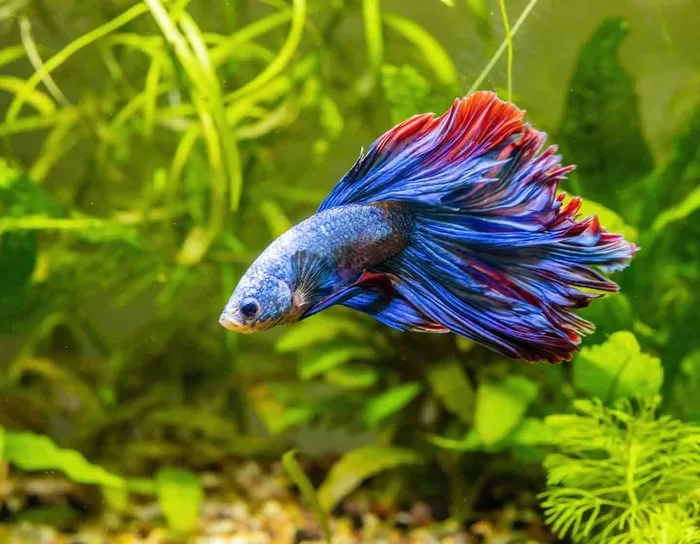
Where Are Betta Fish Found In The Wild And Captivity
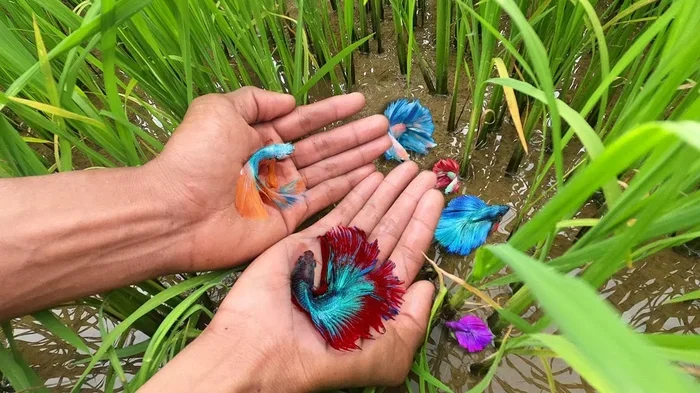
Betta fish are native to Southeast Asia, where they thrive in shallow, warm waters like rice paddies and slow-moving streams. Today, they are found worldwide in home aquariums and pet stores, but their wild origins shape their unique care needs. Understanding where are betta fish found helps you provide better care, from proper tank size to water conditions that mimic their natural habitat.
If you have ever watched a betta fish glide through clear water, you might wonder where these vibrant creatures come from. Where are betta fish found in the wild, and how did they end up in homes around the world? The answer is both fascinating and practical. Knowing their origins helps you care for them better.
Betta fish are not just pretty pets. They are survivors with a rich history. In the wild, they live in specific environments that shape their behavior, health, and needs. In captivity, they adapt to tanks, bowls, and aquariums, but their natural instincts remain. This guide will walk you through their wild habitats, their journey into human care, and what that means for you as an owner.
You will learn where betta fish are found naturally, how they spread globally, and how to create a home that honors their roots. Whether you are a new owner or a seasoned hobbyist, this information will help you make smarter choices for your fish.
Key Takeaways
- Wild Origins: Betta fish are native to Southeast Asia, particularly Thailand, Cambodia, and Vietnam.
- Natural Habitat: They inhabit shallow, warm, slow-moving waters like rice paddies, marshes, and streams.
- Captive Presence: Today, bettas are found in homes, pet stores, and aquariums across the globe.
- Environmental Needs: Their wild roots mean they need warm, clean water and space to thrive.
- Conservation Status: Wild betta populations face threats from habitat loss and pollution.
- Care Insight: Knowing where are betta fish found helps you replicate their natural conditions.
- Behavioral Traits: Their natural environment influences their breathing, hiding, and swimming habits.
📑 Table of Contents
Where Are Betta Fish Found In The Wild
The wild home of the betta fish is as unique as the fish itself. Where are betta fish found in nature? They originate from Southeast Asia, with Thailand often called their birthplace. Cambodia, Vietnam, and parts of Malaysia also host wild populations. These regions provide the warm, humid climate that bettas thrive in.
In the wild, bettas do not live in deep, open oceans or fast rivers. They prefer shallow, slow-moving waters. Think of rice paddies, marshes, ponds, and quiet streams. These areas are rich in plant life, which gives bettas cover and hunting grounds. The water is usually warm, soft, and slightly acidic. This environment has shaped the betta’s famous labyrinth organ, which allows them to breathe air from the surface.
Natural Water Conditions
Wild bettas live in water that is naturally warm. Temperatures often stay between 75 and 85 degrees Fahrenheit. The water is usually low in minerals, making it soft. Organic matter from plants and soil can make the water slightly acidic. These conditions are very different from cold, hard tap water. That is why water preparation matters so much in captivity.
Vegetation And Shelter
Plants are a big part of the betta’s wild home. Dense vegetation gives them places to hide from predators and ambush small prey. In rice fields and marshes, bettas can slip through roots and leaves with ease. This natural shelter reduces stress and supports their territorial nature. If you want to mimic this, adding live plants to your tank is a smart move.
Food Sources In The Wild
Wild bettas are opportunistic feeders. They eat small insects, larvae, zooplankton, and tiny crustaceans. Their diet is high in protein and varies with the seasons. This natural diet supports their bright colors and active behavior. In captivity, a varied diet with quality pellets and occasional treats keeps them healthy and engaged.
How Betta Fish Spread To Captivity
Bettas did not always live in glass tanks. Their journey from wild waters to human homes began centuries ago. In Southeast Asia, people noticed these fish for their vibrant colors and interesting behavior. Over time, they became popular as ornamental pets. Today, where are betta fish found is a global story, with homes and shops on nearly every continent.
Selective breeding played a huge role in their spread. Breeders developed brighter colors, longer fins, and unique patterns. These traits made bettas highly desirable. As trade and travel expanded, bettas moved from local markets to international pet stores. Now, you can find them in big-box retailers, specialty fish shops, and private collections worldwide.
From Local Ponds To Global Tanks
The transition from wild to captive life changed how bettas are kept. In the past, they were often kept in small containers for short periods. Modern care standards have improved a lot. People now understand that bettas need proper space, filtration, and stable water. This shift reflects better knowledge about where are betta fish found and what they need to thrive.
Breeding And Color Varieties
Captive breeding has produced many betta types. You will see halfmoon, crowntail, veiltail, and plakat varieties. Each has distinct fin shapes and color patterns. These breeds are the result of careful selection over generations. While they look different from wild bettas, their basic needs remain similar. Warm water, clean conditions, and proper diet still matter most.
What Their Wild Origins Mean For Care
Understanding where are betta fish found in nature gives you a clear picture of their care needs. Their wild habitat teaches us about temperature, water quality, space, and enrichment. When you align your tank setup with these natural preferences, your betta is more likely to stay healthy, active, and colorful.
Temperature And Warmth
Bettas are tropical fish. They need consistent warmth to digest food, fight disease, and stay active. A heater is usually necessary unless your room stays reliably warm. Sudden temperature drops can cause stress and illness. Keeping water in the right range mimics their natural environment and supports their immune system.
Water Quality And Filtration
Clean water is essential. In the wild, bettas live in slow-moving water that is naturally filtered by plants and soil. In a tank, you need to replicate that balance. Gentle filtration works well because strong currents can stress bettas. Regular water changes remove waste and keep conditions stable. Many owners ask do betta fish like air filters, and the answer depends on flow strength and tank setup.
Space And Tank Size
Bettas are often sold in tiny cups, but that does not mean they thrive in small spaces. In the wild, they explore shallow but expansive areas. A larger tank gives them room to swim, hide, and establish territory. Many people wonder do betta fish like a lot of space, and the answer is yes when it comes to stable, clean water and room to move. A 5-gallon tank is a common starting point, and some owners even ask do betta fish like 10 gallon tank setups for extra comfort.
Enrichment And Hiding Spots
Plants, smooth rocks, and driftwood create a natural feel. These items give bettas places to rest and hide. In the wild, they use vegetation for cover. In a tank, decor serves the same purpose. It reduces stress and encourages natural behavior. You may notice your betta resting near objects, and you might ask do betta fish lay on rocks or do betta fish hide under rocks. These are normal behaviors when the environment feels safe.
Common Misconceptions About Betta Habitats
There is a lot of confusion about betta care. Some myths come from old practices, and others come from marketing. Clearing these up helps you make better choices. A good starting point is to look at where are betta fish found in nature and use that as a guide, not a small cup or bowl.
Myth: Small Bowls Are Enough
Small bowls are popular because they look cute and take up little space. But they are hard to keep stable. Temperature swings, poor filtration, and limited oxygen make them risky. Bettas need consistent conditions, not just survival. A larger, filtered tank is a much better choice for long-term health.
Myth: Bettas Do Not Need Filtration
Some people think bettas live in stagnant water, so they do not need filters. In reality, wild bettas live in slow-moving water that is still refreshed by rain and natural flow. In a tank, gentle filtration helps remove waste and keep water clear. The key is low flow, not no flow. You may also wonder do betta fish like air pump circulation, and mild surface movement can be helpful without stressing the fish.
Myth: Bettas Are Always Aggressive
Male bettas are territorial, especially with other males. That is true. But they are not constantly aggressive toward everything. With proper space and enrichment, they can be calm and interactive. They may even recognize their owners, which leads some people to ask do betta fish know their owner. Positive interactions are possible when the environment is right.
Wild Betta Populations And Conservation
Wild bettas face real challenges today. Habitat loss, pollution, and land development threaten their natural waters. Rice fields and marshes are often drained or altered. This reduces the places where bettas can live and breed. Conservation matters because wild populations are part of the species’ future.
Protecting wetlands and sustainable farming practices can help. Supporting ethical breeders and responsible pet ownership also makes a difference. When you learn where are betta fish found in the wild, you see why preserving those habitats is important. Healthy wild populations also help us understand the species better.
Threats To Natural Habitats
Urban growth and agriculture change water systems. Pesticides and runoff can harm water quality. Draining marshes removes shelter and breeding grounds. These pressures reduce wild numbers and limit genetic diversity. Conservation groups and local efforts work to protect key areas, but more awareness is needed.
Why Wild Origins Matter For Hobbyists
Wild bettas give us clues about care. Their natural preferences for warmth, soft water, and plant cover are still relevant. Breeding has changed their appearance, but not their basic needs. Respecting their origins leads to better husbandry. It also encourages responsible choices, from tank setup to water treatment.
Creating A Home That Honors Their Roots
You do not need a wild marsh in your living room. But you can build a tank that reflects betta-friendly conditions. Start with stable warmth, clean water, and gentle flow. Add plants and hiding spots. Keep the environment predictable and low-stress. These steps align with where are betta fish found in nature and support a healthier, happier fish.
Tank Setup Basics
Choose a tank with a secure lid, since bettas can jump. Use a gentle heater to maintain warm water. Add a low-flow filter or adjust the output to reduce current. Include live or smooth artificial plants. Leave open swimming areas and some cover. This balance gives your betta both activity and rest.
Water Preparation Tips
Tap water often needs treatment before it is safe. Use a dechlorinator and test for pH and hardness. Aim for stable conditions rather than perfect numbers. Sudden changes are more harmful than slightly imperfect but stable water. Regular partial water changes keep the tank fresh without shocking the fish.
Feeding And Routine Care
Offer a varied diet with quality pellets as a base. Add occasional treats like frozen or live foods if appropriate. Feed small amounts and remove leftovers. Watch for signs of stress, such as fading color or unusual positioning. If your betta starts to lay sideways or lay on their sides, check water quality and temperature right away.
Quick Tips:
– Keep water warm and stable.
– Use gentle filtration.
– Add plants for cover.
– Perform regular water changes.
– Watch for unusual behavior early.
Common Mistakes:
– Using tiny bowls without heaters.
– Overfeeding and dirty water.
– Strong currents that stress the fish.
– Ignoring water testing and treatment.
– Adding sharp decor that can injure fins.
Expert Insights:
– Stable conditions matter more than perfect numbers.
– Enrichment reduces stress and supports natural behavior.
– Gentle flow is better than no flow or strong flow.
– Consistent routines help you spot problems sooner.
Conclusion
So, where are betta fish found? In the wild, they come from warm, shallow waters across Southeast Asia. In captivity, they live in homes and shops around the world. Their natural origins shape everything from their breathing to their care needs. When you understand their roots, you can create a better environment for them.
Focus on warmth, clean water, gentle flow, and enrichment. Avoid small bowls and harsh currents. Provide plants and hiding spots. Feed a balanced diet and maintain a steady routine. These simple steps honor the betta’s natural history and support a long, healthy life. With the right care, your betta can thrive and show off the beauty that made it famous in the first place.
Frequently Asked Questions
Where are betta fish found in the wild?
Betta fish are found in Southeast Asia, especially Thailand, Cambodia, and Vietnam. They live in shallow, warm waters like rice paddies, marshes, and slow-moving streams. These habitats provide cover, insects, and stable temperatures.
Can betta fish live in cold water?
Bettas are tropical fish and do best in warm water. Cold water can slow their metabolism and weaken their immune system. A stable heater is usually the safest choice for long-term health.
Do betta fish need a filter?
Yes, gentle filtration helps keep water clean and stable. Strong currents can stress bettas, so low flow is ideal. Many owners also adjust surface movement to keep oxygen levels comfortable.
How big of a tank do betta fish need?
A larger tank is better than a tiny bowl for stable water and room to move. Many hobbyists start with at least 5 gallons, and some prefer more space for comfort. Good filtration and heating matter just as much as size.
What do betta fish eat in the wild?
Wild bettas eat small insects, larvae, and tiny aquatic creatures. Their natural diet is high in protein and varies with availability. In captivity, a varied diet with quality pellets and occasional treats works well.
Why do betta fish sometimes lay on their sides?
Bettas may rest near the bottom or on objects, but lying on their side can signal a problem. Check water quality, temperature, and signs of illness if this happens. Early action often makes a big difference in recovery.