How Does Betta Fish Sleep
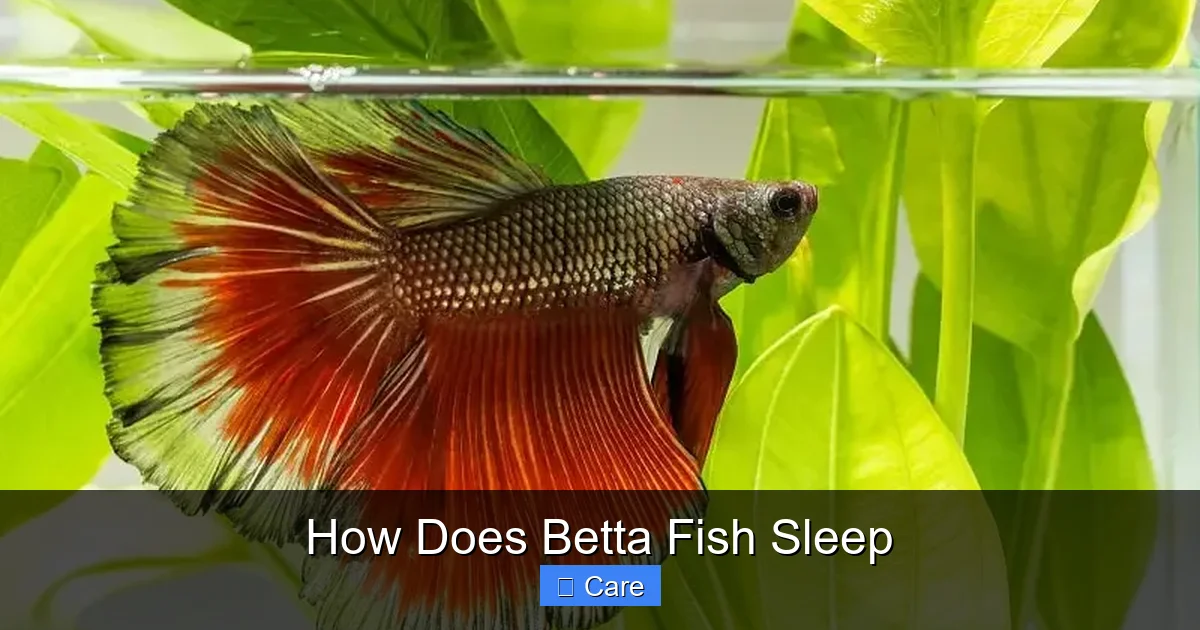
Betta fish do sleep, but not like humans. They enter a state of rest with their eyes open (as they lack eyelids) and can be found in various curious positions. Their sleep is a light, vigilant rest influenced heavily by their environment, including light, temperature, and tank setup. Understanding these patterns is key to providing proper care and ensuring your betta’s health and wellbeing.
Have you ever glanced at your betta fish tank and sworn your vibrant, flowing companion was… dead? They’re floating perfectly still at the water’s surface, or maybe they’re wedged between a plant and the glass, motionless. Your heart skips a beat. Then, with a slow flick of a fin, they’re off again, as lively as ever. This is the mysterious world of betta fish sleep. It’s not the cozy, curled-up, eyes-closed slumber we know. Understanding how a betta fish rests is a fundamental piece of providing excellent care, and it reveals the fascinating, delicate biology of this beloved pet.
Contrary to a common myth, betta fish do require rest. Their version of sleep is a state of reduced metabolic activity and heightened passivity, but their brain remains partially alert. This is a survival instinct hardwired from their wild ancestors, who needed to be ready to flee predators or defend territory at a moment’s notice. As an owner, your job is to interpret these behaviors, distinguish normal rest from potential illness, and craft an environment that allows for safe, restorative downtime. Let’s dive deep into the curious case of the sleeping betta.
Key Takeaways
- Bettas Rest, Not “Sleep”: They enter a passive, restorative state but remain alert. They lack eyelids, so their eyes are always open.
- Position is Everything: You might find your betta resting on the tank bottom, a leaf, a decoration, or even floating motionless mid-water. Each can be normal.
- Light Dictates Cycle: Bettas are diurnal. They rest when it’s dark. Consistent light/dark cycles (10-12 hours dark) are crucial for their health.
- Environment is Key: Water temperature, clean water, and safe resting spots (plants, logs) directly impact the quality and safety of their rest.
- Watch for Warning Signs: Constant lethargy, inability to rest, or sleeping upside down can indicate poor water quality, illness, or swim bladder issues.
- They Are Light Sleepers: Even at rest, they are easily startled. Sudden noises, vibrations, or bright lights can cause significant stress.
- Observation is Vital: Learning your individual betta’s normal resting habits is one of the best tools for early illness detection.
📑 Table of Contents
The Myth of Betta Sleep: Debunking the “They Don’t Sleep” Idea
The most persistent myth in betta care is that “betta fish don’t sleep.” This is categorically false. All vertebrates require some form of rest for cellular repair, memory consolidation, and energy conservation. Bettas are no exception. The confusion stems from their unique physical and behavioral presentation during rest.
No Eyelids, No Problem?
The primary reason bettas appear to be always awake is anatomical: they have no eyelids. This means they cannot close their eyes. Their eyes remain exposed, and during rest, you will see them open, often with a slightly duller appearance. This can be unnerving for new owners. You might also notice a slight cloudiness or a “sleepy” look in their eyes during deep rest periods. This is normal. The inability to blink or close their eyes also means they are susceptible to debris and light, making a stable, clean tank environment even more critical.
A State of Vigilant Rest
Unlike humans who experience REM and non-REM sleep cycles, a betta’s rest is more akin to a prolonged period of torpor or a very light doze. Their metabolism slows, their swimming ceases, and they become less responsive. However, that spark of awareness never fully goes out. In the wild, a predator could approach at any time. In your tank, that translates to a betta that might startle violently if you suddenly tap the glass or turn on a bright overhead light. They are not in a deep unconsciousness; they are resting with one eye—both eyes, technically—open.
How Betta Fish Rest: Positions and Patterns
If you’re trying to answer “how does a betta fish sleep?”, the most visible clue is where and how they position themselves. Betta sleep positions are incredibly diverse and can be a source of anxiety for owners. Here’s a breakdown of the most common and what they mean.

Visual guide about How Does Betta Fish Sleep
Image source: i.ytimg.com
The Classic “Lazy Susan” on the Bottom
This is the most common and often most alarming sight. Your betta settles on the substrate (tank floor), sometimes on their side, sometimes propped up on a fin. They may be perfectly still for long periods. This is almost always normal resting behavior, especially if it happens during your tank’s “night” (when lights are off). The bottom of the tank is often cooler, and lying on a smooth surface can be comfortable. The key is context: does it happen regularly during dark hours? Does the betta quickly become active when the lights come on or when you approach? If yes, it’s rest.
The Leaf Hammock and Vertical Rest
Bettas are labyrinth fish, meaning they breathe atmospheric air from the surface. This anatomy makes them prone to resting near the top. You’ll often see them lounging on a broad-leafed plant (like an Amazon Sword or Banana Plant), a piece of driftwood, or even the tank’s silicone sealant at the water line. They might rest vertically, head up or down, wedged in place. This is a very natural behavior, allowing easy access to the air above. Providing floating plants or betta hammocks is an excellent way to cater to this instinct.
The Mid-Water Float
Perhaps the most eerie for an owner is the betta that simply stops swimming and floats in the mid-water column, perfectly still. They might be horizontal, vertical, or even slightly tilted. This is another classic rest position. They are essentially “parking” in the water, using minimal energy. Again, this is normal during darkness or low-light periods. A betta that floats *constantly* during the day, unable to swim down, has a different problem (often swim bladder disorder).
The “Upside-Down” or “Headstand”
This position—where a betta is head-down at the bottom or floating upside down—is almost never a normal sleep position. This is a severe red flag for a significant health issue, most commonly a compromised swim bladder. The swim bladder is an internal gas-filled organ that controls buoyancy. Damage from overfeeding, infection, or physical injury can cause a betta to lose all control and rest in bizarre, gravity-defying positions. If you see this, it is not sleep; it is a medical emergency requiring immediate attention.
The Critical Role of Environment in Betta Rest
Your betta’s sleep quality is 100% dependent on the environment you provide. A stressed or uncomfortable betta cannot rest properly, leading to a weakened immune system and disease. Three pillars determine a restful tank: light, temperature, and habitat.
Visual guide about How Does Betta Fish Sleep
Image source: buildyouraquarium.com
Light Cycles: The Day/Night Switch
Bettas, like most animals, are regulated by a circadian rhythm. In the wild, the sunrise and sunset dictate their activity. In your tank, you are the sun. Consistent light cycles are non-negotiable. Aim for 8-10 hours of light and 12-14 hours of complete darkness. Use a simple outlet timer for your tank light. Never leave the light on 24/7. Constant light causes chronic stress, disrupts rest, and promotes algae growth. During the dark period, ensure the room is also dark. If you need a nightlight, use a dim, blue-toned one in a different room.
Temperature: The Metabolic Governor
Betta fish are tropical fish. Their ideal water temperature is between 78°F and 80°F (25.5°C – 26.5°C). If the water is too cold (below 76°F), their metabolism slows drastically. They become lethargic, may rest on the bottom excessively, and are prone to diseases like Ich. A cold betta isn’t just sleeping; it’s becoming immunocompromised. A reliable aquarium heater is essential, even in warm climates, to maintain a stable temperature that supports healthy activity and rest cycles. A stable, warm temperature allows for a natural active/rest pattern.
Tank Setup: Providing Safe Resting Spots
A bare tank is a stressful tank. Bettas need places to claim as their own and, crucially, places to rest. Without them, they may become exhausted from constant swimming or feel exposed and anxious. *Plants:* Live or silk plants are ideal. Broad leaves (like those of the Anubias or Java Fern) are perfect for lounging. Floating plants (like Frogbit or Dwarf Water Lettuce) provide canopy and surface rest spots. *Decor:* Smooth, non-abrasive decorations like ceramic mugs, betta logs, or PVC pipes offer secure hiding and resting places. Avoid sharp edges. *Cover:* A secure lid is a must (bettas jump!) but also provides a sense of security from above, mimicking the overhead cover of their native rice paddies.
Signs of Healthy Rest vs. Signs of Trouble
Observant betta owners become experts on their fish’s normal behavior. The key to identifying sleep from sickness is knowing your pet’s baseline. Here is a comparison to help you decipher what you see.

Visual guide about How Does Betta Fish Sleep
Image source: fishkeepedia.com
Healthy Resting Behavior
- Timing: Occurs primarily during the dark period or under dim light.
- Position: On a plant, decoration, or tank bottom. May be on side, but body is intact.
- Reactivity: Quickly becomes active when lights come on, when you approach the tank (after a moment), or when food is offered.
- Posture: Fins may be slightly clamped or relaxed. No visible sores, lumps, or fraying.
- Pattern: Varies. May rest in different spots on different nights.
Alarming Behaviors (Not Sleep)
- Constant Lethargy: Lying around at the bottom all day, every day, uninterested in food or surroundings.
- Inability to Rest: Frantic swimming, dashing at the glass, or constant floating in one spot (could be a sign of poor water quality or neuro issues).
- Erratic Positions: Upside down, head-standing, floating vertically and unable to correct position. This points to swim bladder disease.
- External Damage: Fins are shredded, torn, or covered in white spots (Ich). Body has red streaks, sores, or cotton-like growths (fungus/bacteria).
- Labored Breathing: Gasping at the surface constantly (not just for air), or gills moving extremely rapidly. This indicates poor water quality or oxygen deficiency.
If you observe any of the “Alarming Behaviors,” the first step is always to test your water parameters (Ammonia, Nitrite, Nitrate, pH, Temperature). Over 90% of betta health issues stem from poor water quality. Perform a partial water change, ensure your filter and heater are working, and re-evaluate. If the behavior persists, consider a fast (withhold food for 24-48 hours) and research specific diseases or consult a vet experienced with fish.
Optimizing Your Betta’s Sleep Environment: A Practical Guide
Now that we understand the “what” and “why,” let’s build the perfect “how.” Creating a sanctuary for your betta to rest is straightforward and greatly enhances their quality of life.
Establish and Automate a Light Schedule
Buy a simple plug-in timer for your aquarium light. Set it to turn on for 8-10 hours when you are typically awake and active (so you can enjoy your betta!). Set it to turn off for the remainder of the day. Consistency is everything. Your betta will learn the schedule and will begin to rest as soon as the lights go out. If you have a tank in a room with no natural light, this is even more critical to simulate a natural day.
Curate a Rest-First Aquascape
Think like a betta. Where would you feel safe to nap? *Incorporate multiple levels:* Provide resting spots at the surface (floating plants, betta leaf hammock), mid-water (vertical logs, dense mid-level plants), and the bottom (smooth caves, broad leaf plants anchored to the substrate). *Prioritize softness:* Silk plants are softer than plastic. Live plants are best. Sand or smooth gravel is better than sharp gravel for a betta that likes to rest on the bottom. *Create hiding spots:* A small, dark cave or a dense thicket of plants gives a sense of security. A betta that feels safe is a betta that rests well.
Maintain Impeccable Water Quality and Temperature
This is the bedrock of all betta care. Perform weekly partial water changes (25-30%) with dechlorinated water at the correct temperature. Use a reliable heater to maintain 78-80°F. A small, gentle filter is recommended to keep the water clean without creating a current that exhausts your betta. Test your water regularly with a liquid test kit. Clean water means less stress, a stronger immune system, and better rest.
Respect Their Rest Time
When you see your betta in a deep rest state during the dark period, do not disturb them. Avoid sudden, bright lights. If you need to view them at night, use a very dim, red or blue light (like a small flashlight with a red filter) if absolutely necessary. Let them have their peace. This respect for their natural rhythms builds trust and reduces overall stress.
Common Misconceptions and Final Thoughts
Let’s clear up a few final points of confusion about betta fish sleep.
“My betta is dead because it’s not moving!”
This is the #1 panic attack for betta owners. Before you assume the worst, observe for 10-15 minutes. Look for very subtle signs: a tiny fin twitch, a slight eye movement, a slow gill beat. If you see any movement, they are resting. When in doubt, gently net them. A sleeping betta will make a slow, groggy attempt to swim away. A deceased betta will be completely limp and unresponsive.
“Do bettas sleep upside down?”
As emphasized earlier, no. An upside-down or head-standing betta is suffering from a severe buoyancy disorder, most commonly swim bladder disease. This is not a sleep position. It requires immediate intervention through water quality management, fasting, and possibly medication.
“How long do betta fish sleep?”
There is no set number. Like humans, individual bettas have different needs. Generally, they will rest for several hours during the dark period, often in multiple bouts. You might see them settle down soon after the lights go off and remain still until the cycle begins again. A healthy betta will have active, curious periods and calm, resting periods.
Ultimately, the way your betta fish sleeps is a direct window into its health and happiness. By providing a stable, enriched, and calm environment with a proper light cycle, you are giving your betta the gift of good rest. Take the time to learn its unique rhythms. Notice where it prefers to nap. That observation is your most powerful care tool. A well-rested betta is a colorful, active, and long-lived companion, rewarding you with its fascinating behaviors for years to come.
Frequently Asked Questions
Do betta fish actually sleep?
Yes, they do. Betta fish enter a state of rest similar to sleep where their metabolism slows and they become still. However, they sleep with their eyes open because they lack eyelids, and they remain somewhat alert to danger.
Is it normal for my betta to sleep on the bottom of the tank?
Yes, it is very common and usually normal, especially during the dark period. Bettas often rest on smooth surfaces like the substrate, a decoration, or a plant leaf. The key is that they should become active again when the lights come on or when prompted by food.
How can I tell if my betta is sleeping or dying?
A sleeping betta will be still but will show subtle movement (fin twitch, gill beat) and will react when the lights come on or the tank is gently tapped. A dying or deceased betta will be completely limp, unresponsive, and may have discoloration or clamped fins that do not improve with stimuli.
Why is my betta sleeping upside down?
Sleeping upside down is not normal. This is a classic symptom of a severe swim bladder disorder or other buoyancy issue, often caused by overfeeding, infection, or constipation. It requires immediate attention through water changes, fasting, and potential treatment.
How many hours a day do betta fish sleep?
There’s no exact number, but they typically rest during the 10-12 hour dark period of their circadian cycle. They may take several rest periods throughout this time. Providing a consistent light/dark schedule helps regulate their rest.
Should I turn off my betta’s light at night?
Absolutely, yes. Bettas need a consistent day/night cycle. Keep the light on for 8-10 hours during the day and turn it off for 12-14 hours at night. Constant light causes chronic stress and disrupts their natural rest patterns, harming their health.